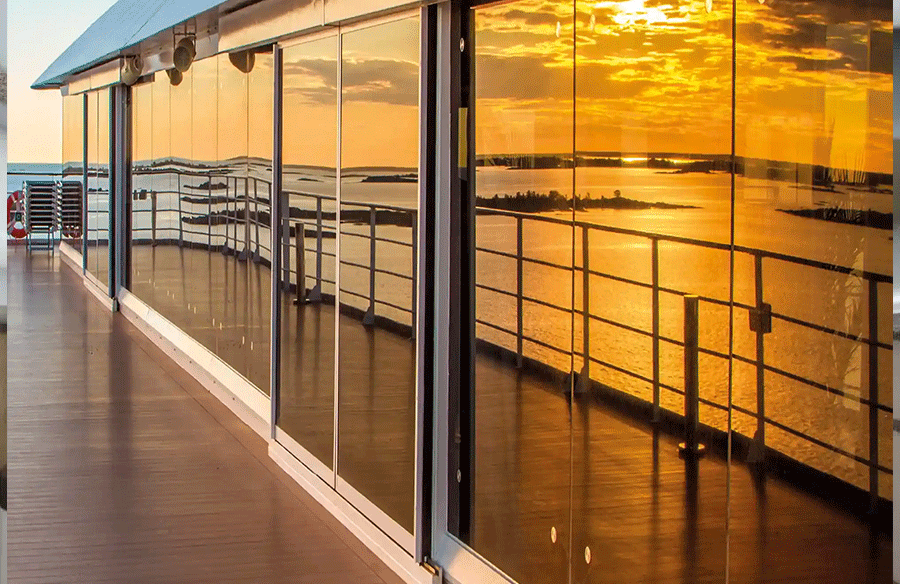
Architectural solar control window film has transitioned from an optional building accessory into a fundamental retrofit strategy for upgrading thermal performance across commercial and residential architectural envelopes. Modern structural glass defines contemporary design, flooding interior workspaces and living areas with natural daylight while creating seamless visual continuity. However, untreated glass remains one of the thinnest, most inefficient barriers in any building. As climate mandates tighten and energy costs remain volatile, retrofitting existing glass with specialized window films enables architects, facilities managers, and property owners to optimize thermal performance without costly structural replacement.
The Engineering Challenge of Structural Glazing
Unfiltered architectural glass introduces severe environmental control challenges. During peak summer months, expansive glass elevations act as thermal amplifiers, allowing intense solar radiation to penetrate building interiors. This reliance on expansive glass creates a pronounced greenhouse effect, forcing HVAC systems to operate at maximum capacity. The resulting thermal imbalance increases operational carbon emissions, inflates utility overheads, and compromises internal comfort.
Conversely, during winter, single and double-glazed units permit significant radiant heat loss, creating uncomfortable drafts and interior cold spots. Traditional window treatments like heavy curtains or interior blinds offer limited relief; they obscure exterior views, block natural illumination, and fail to prevent heat gain because solar energy has already passed through the pane. Engineered micro-thin window films solve these challenges directly at the glass surface.
A Multi-Functional Architectural Toolkit: Film Technologies Compared
To address diverse environmental and structural demands, specialized architectural films utilize multi-layered polyester sputtered with metallic or nano-ceramic particles. Each film type serves a distinct technical function within the building envelope:
Solar Window Film
Designed primarily for solar energy rejection, high-performance solar window film reflects up to 80% of total solar heat (infrared radiation). By preventing heat buildup before it enters the room, facilities significantly reduce summer cooling loads and maintain consistent indoor climate control.
UV Protection Window Film
Harmful ultraviolet radiation damages internal finishes, artwork, hardwood flooring, and commercial inventory. Incorporating a high-grade UV protection window film filters out 99% of destructive UV rays, preserving high-value interior furnishings without altering the natural optical clarity of the glass.
Privacy Window Film
In densely populated urban environments or street-level commercial offices, maintaining visual security is paramount. Applying a daytime privacy window film creates a sleek, reflective exterior appearance while retaining full, unobstructed outward visibility for building occupants inside.
Glare Reduction Window Film
Excessive directional sunlight creates blinding reflections on computer monitors, presentation screens, and televisions. Installing a specialized glare reduction window film cuts harsh glare by up to 80%, substantially enhancing workplace ergonomics and productivity without forcing blinds to be permanently closed.
Insulation Window Film
Thermal efficiency is a year-round requirement. Advanced low-emissivity (Low-E) insulation window film acts as a thermal barrier during winter, reflecting indoor heating
back into the living space. This reduces heat loss through existing glazing by up to 30%, lowering winter boiler consumption.
Security Window Film & Frosted Window Film
Beyond thermal management, specialized safety and decorative membranes offer essential structural enhancements. Heavy-duty security window film bonds firmly to glass panes, holding shattered fragments intact in the event of forced entry or accidental impact to protect occupants. For internal partitions, boardrooms, or bathroom glass, frosted window film provides an elegant, translucent privacy barrier that diffuses light beautifully without blocking natural illumination.
Regional Application: Upgrading Commercial and Residential Assets
The operational benefits of architectural retrofitting are evident across thriving commercial corridors and residential hubs throughout the Home Counties. Across Buckinghamshire and Berkshire, property asset managers and homeowners face strict energy efficiency standards alongside rising building running costs.
For example, regional glazing specialists such as Bucks Tinting frequently execute multi-surface retrofits on office complexes in High Wycombe, business parks near Slough, and luxury residential estates in Beaconsfield and Marlow. By applying a combination of solar control, anti-glare, and insulation films directly to existing double-glazed windows, bi-fold doors, structural glass atriums, and conservatories, property owners achieve significant thermal upgrades in situ.
Because these installations require zero structural modification or structural demolition, buildings remain fully operational during fitting. This non-disruptive installation process allows commercial landlords to improve their Energy Performance Certificate (EPC) ratings while protecting tenant continuity.
Economic Viability and Building Sustainability
From an environmental and financial standpoint, retrofitting existing glazing with architectural films delivers one of the fastest return on investment (ROI) metrics of any building envelope upgrade. Replacing complete window assemblies or curtain wall systems involves extensive capital expenditure, heavy disruption, and high embodied carbon costs through manufacturing and waste disposal.
By contrast, applying specialized film membranes transforms standard double glazing into modern, high-performance thermal units at a fraction of the cost. The resulting drop in energy consumption directly lowers utility bills, extending HVAC equipment lifespans while lowering overall carbon emissions.
Whether specified for a commercial headquarters seeking net-zero targets or a residential property aiming for year-round conservatory comfort, architectural solar control films provide a sustainable, high-efficiency path toward modernizing the built environment.