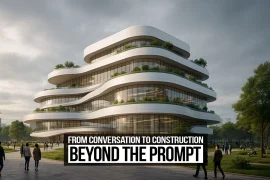
We have seen till now the field of architecture has changed drastically and constantly over centuries. AI i.e. artificial intelligence is playing an important role in the field of architecture and will continue further. AI empowers the sources and technology for redesigning and imaging the structure and its construction. Whatever once was confided to be a simple sketch and intuition on a piece of paper is now being supercharged by data-driven insights and analysis, statistics, etc. We are at the beginning of the 21st century now AI isn’t just a possibility but an inevitability. Further, we will go through some scopes and insights into AI integration in the Architectural landscape.
Generative Design: From Concept to Creation
AI-powered generative design tools are revolutionizing the early design phases. Architects are now able to set any input parameters like site conditions, spatial requirements, materials, budget, and environmental constraints, and any site-specific or client-specific demand and the software generates multiple desired design outputs—many of which would be difficult for humans to conceive alone but this shift, subjects to move the role of the architect from sole creator to curator, selecting and refining the most viable solutions generated by the AI. AI helps to learn that anything can have endless possibilities. Tools like Autodesk’s Generative Design or Spacemaker AI empower and save time for professionals to explore broader possibilities.
Performance-Driven Design
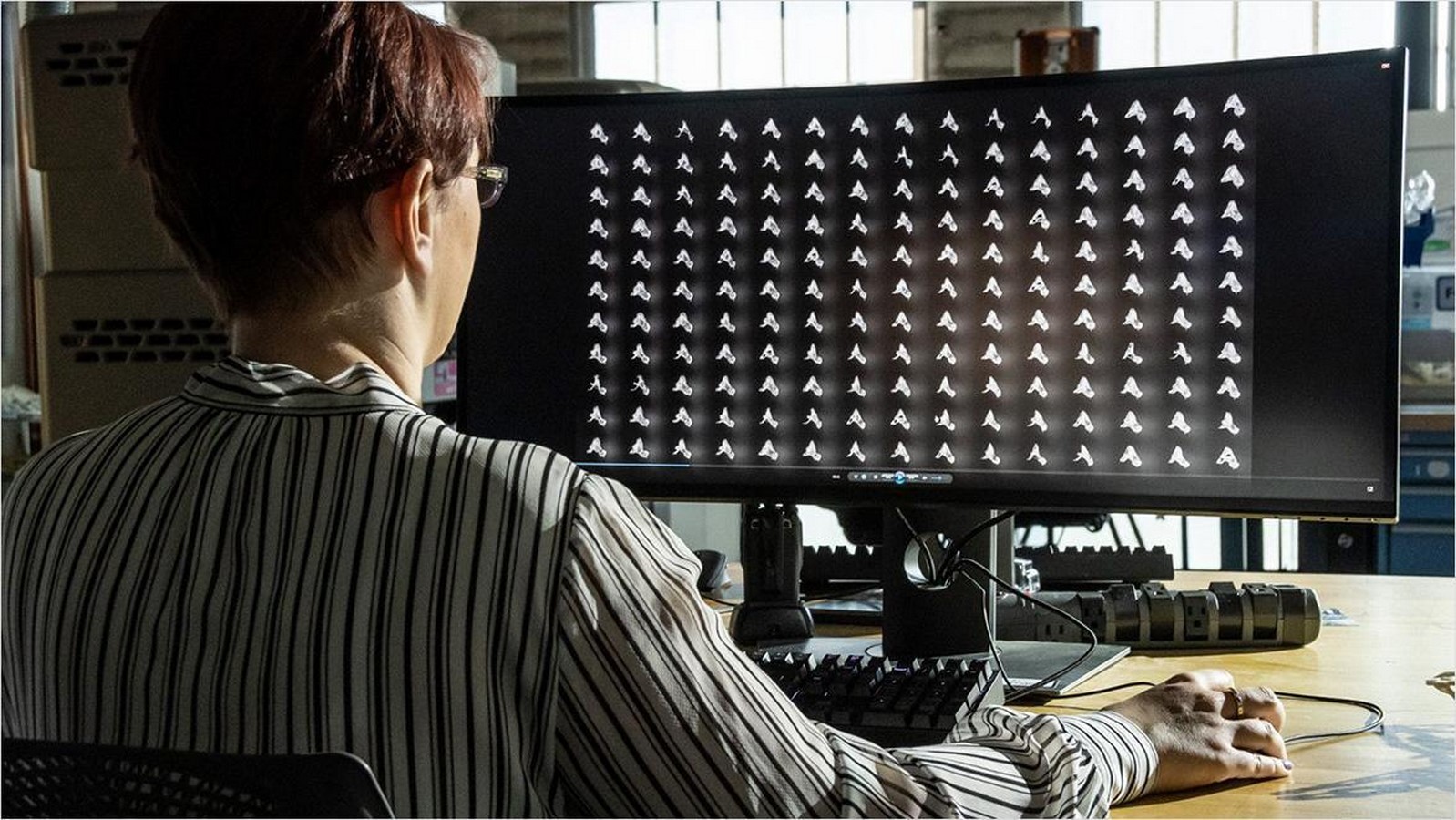
It enables us to perform real-time analysis of any required structure during its designing process. Like energy efficiency, passive lighting, air circulation due to wind flow, or be it its structural behavior, professionals can simulate and optimize the performance all with its designing and planning phase. This move makes the project more sustainable and cost-effective leading with the highest accuracy and precision. Analyst anticipates issues like heat gain, acoustic performance, or material deterioration based on large databases in the system and can help to predict the whole performance of the building over time and provide space for rethinking on design or solution to the issues.
Automation in Construction & Planning
Robotics and AI are being integrated into construction processes with having control over autonomous machines, 3D printing technologies, and predictive scheduling tools. AI systems can analyze project schedules, detect clashes, detect issues in design, and optimize a healthy and systematic workflow—leading to fewer delays, cost overruns, and on-site accidents with less scope for mistakes. AI-powered drones are being used for site inspections, progress tracking, and even creating real-time 3D maps, improving and ensuring both aspects of safety and efficiency.

Augmented Creativity and Collaboration
AI integration doesn’t sign for replacement architects but AI enhances their creativity. AI helps to overcome creativity blocks and boost architect’s creativity. It handles the repetitive and data-driven heavy tasks, providing more time and space for the conceptual thinking process and designing innovation and scope of improvement. This provides a collaborative environment for architects, AI assisting teams to form an interdisciplinary systems workflow to communicate and exchange complex ideas through various simulations, real-time feedback, and shared interactive design platforms.
Smart Buildings and Adaptive Environments
The role of AI doesn’t end with the designing or construction phase but continues to act responsibly even after post occupancy of the user in the building as a form of smart building system, learning the patterns of the user, and thereby enhancing comfort with constant attention to reduction of energy usage. These systems adapt in aspects of lighting, HAVC, and security. AI opens new routes to designing environments that are not only responsive but adapt to real-time human needs and climate conditions or programmatic shifts.
Challenges and Ethical Considerations
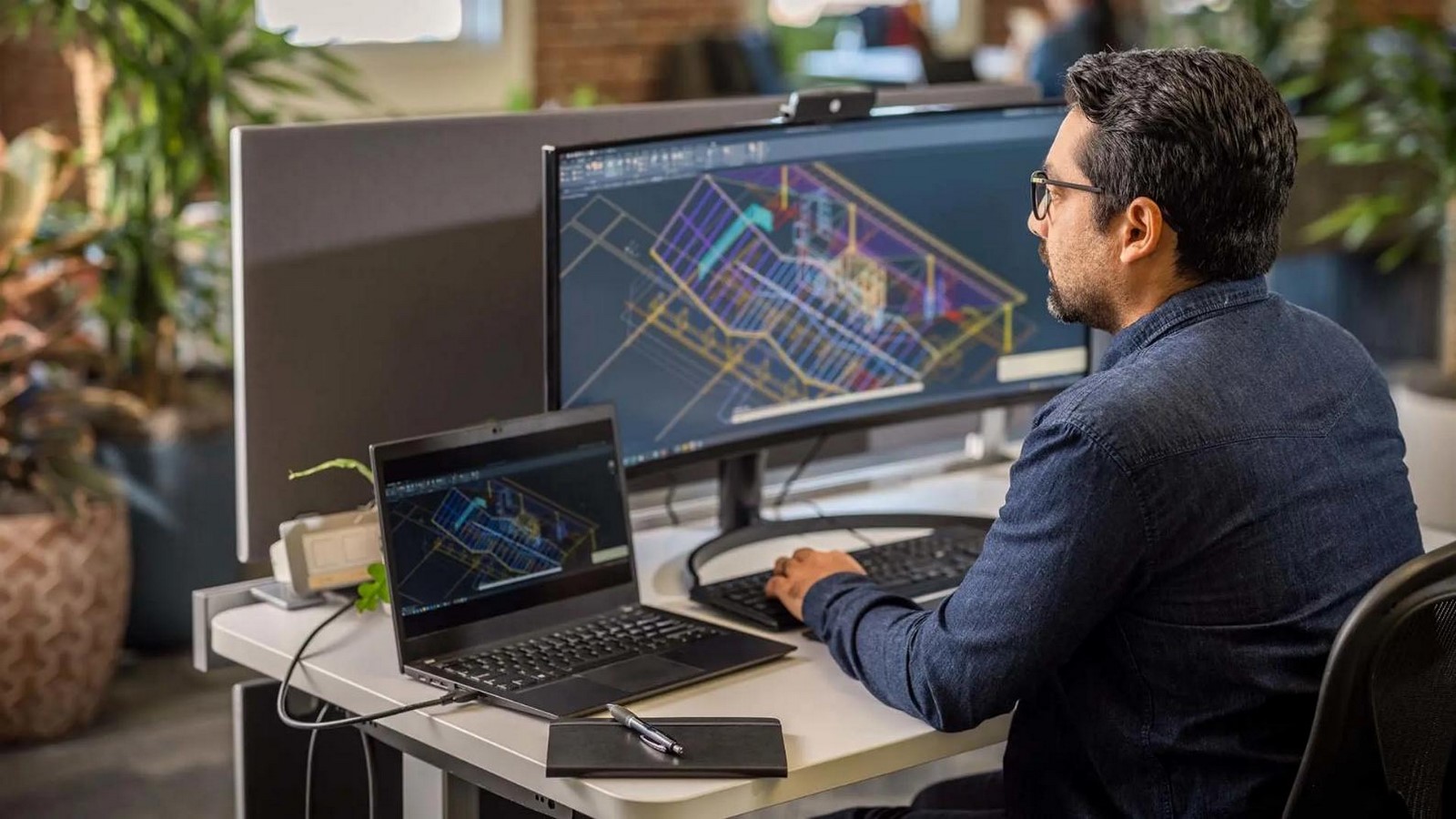
All these things might feel cheery on the cake but despite its benefits, AI integration comes with some challenges. Questions around data privacy, algorithmic bias, and the risk of over-automation are some of them and need to be addressed with precautions. There’s also the danger of homogenized design outcomes if AI tools become overly prescriptive. As AI-generated content becomes more and more common and accessible to all, issues of originality and authority arise. Who legally authorizes the rights to a piece of art created by AI? A big question standing in fort of us unanswered. Dependence on AI could be problematic for the development of individual creative skills. Finding a favorable balance between AI dependency and nurturing personal creativity is very crucial and a need of the future. The use of AI in creative fields raises violets the ethical code of conduct to a certain point, including biases in algorithms, and databases leading to potential misuse of AI-generated content. Moreover, architectural education and professional practice must evolve to equip architects with skills in data science, coding, and computational-aided thinking to work symbiotically with AI.
The Augmented Architect
AI cannot be a replacement for human creativity in any form—it’s a catalyst. As AI becomes more deeply integrated in the architectural system workflow, it upskills the architect’s role: from drafter to strategist-analysis, from form-giver to system thinker, and creator to curator. The future is changing human roles and responsibilities as man with machine—an era of augmented intelligence and empowered design is rising and this cannot be ignored.
Citation:
- Autodesk (2018). What is Generative Design | Tools & Software | Autodesk. [online] Autodesk.com. Available at: https://www.autodesk.com/solutions/generative-design.
- Fadina, T. (2023). 7 Examples of Automation in Construction I Management & Planning. [online] Ascendix Tech. Available at: https://ascendixtech.com/automation-in-construction/.
- Linkedin.com. (2025). LinkedIn. [online] Available at: https://www.linkedin.com/pulse/augmented-creativity-human-ai-collaboration-kriti-sinha-3cfyf/ [Accessed 11 Apr. 2025].
- Eapen, T.T., Finkenstadt, D.J., Folk, J. and Venkataswamy, L. (2023). How Generative AI Can Augment Human Creativity. [online] Harvard Business Review. Available at: https://hbr.org/2023/07/how-generative-ai-can-augment-human-creativity.
- Bhatt, D. (2024). Machine Co-Creativity and Augmented Design: Redefining Creativity in the Age of AI. [online] GTR. Available at: https://www.globaltechnologyreview.com/post/machine-co-creativity-and-augmented-design-redefining-creativity-in-the-age-of-ai.