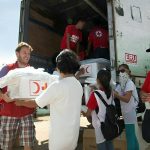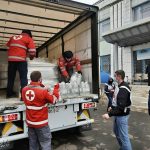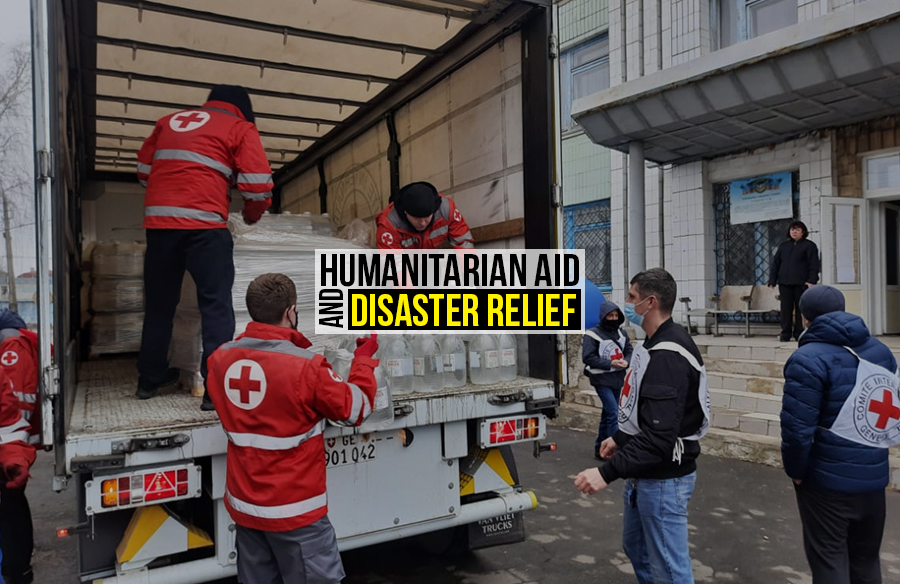
Humanitarian aid is the help provided to the people during emergencies such as drought, flood, political unrest, or any such natural or man-made risks. The main motive of this particular motion is to provide easy aid to all people, especially the ones most vulnerable to disaster risks. Various camps are set up for people during such emergencies so that they can live a normal life again.
Since ages past, millions of people have required humanitarian assistance. These services were much needed at the start of the 20th century when various disastrous events affected several human lives. According to research, 70.8 million people lost their homes due to these unrest-related situations. During those times, various crimes grew tremendously, including sexual assaults, harassment, human trafficking, and many more. Thus, the time came when humanitarian aid became much needed.
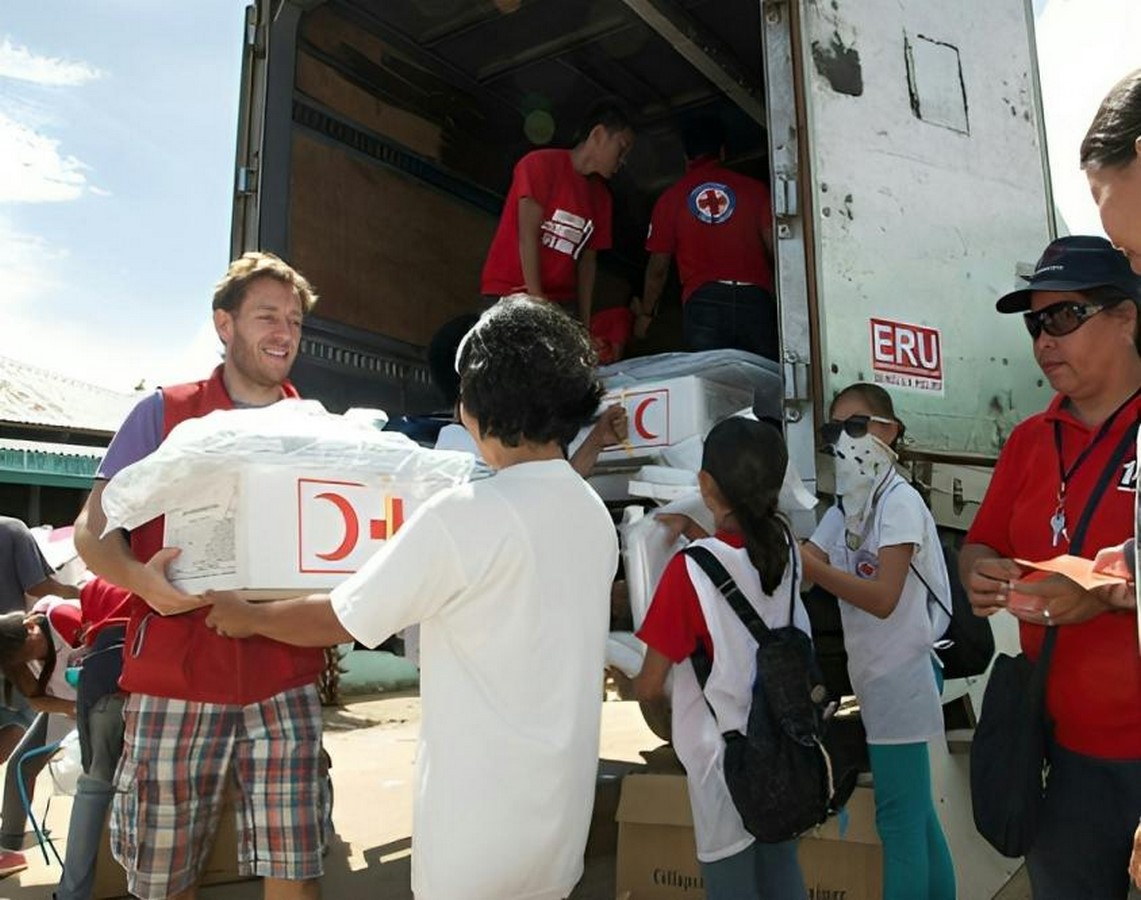
Thus comes the need to provide aid to the affected people, especially to the most vulnerable ones. The chief motive is to save people and prevent them from going through grave suffering. The leading organization working for this cause is the Red Cross Society. The code of conduct of this society goes as,’ The right to receive humanitarian assistance and to offer it .. Whenever it is required,’ Which means that everyone has a right to receive humanitarian aid without any inequality. If we look down at the past, it is noticed that the most affected people come from a weak economic background. Thus, looking down to the sands of time, it is concluded that poverty results in a greater risk of any emergency.
Principles of Humanitarian Aid
If we look closely, a crisis is different from a humanitarian crisis. A crisis, in general, refers to a state of confusion or anxiety that usually results in a lack of decision-making or a bizarre situation While a humanitarian crisis is a branch of crisis and refers to any emergency in which an entire group of people experience, being devoid of basic amenities like clean water, food, shelter, and sanitation services.
There are four major principles of Humanitarian aid that were set up by the United Nations after the humanitarian crisis experienced in World War II. The principles as set are:
- HUMANITY: The principle of humanity states that it is necessary to address human suffering, especially when the most vulnerable are being affected the most. This principle also looks forward to seeking timely action for the same.
- IMPARTIALITY: When talking about any such emergency situation, impartiality should be our prime focus. This aid should be provided to the common people without any injustice.
- NEUTRALITY: There should not be any injustice in making decisions regarding humanitarian aid. It should be available to every human, irrespective of caste, creed, race, or religion.
- INDEPENDENCE: The most important aspect required in an organization dealing with humanitarian aid is to be independent of any political, economic, or military involvement. Then only an organization will be known as -a ‘Non Government Organization.’
Disaster
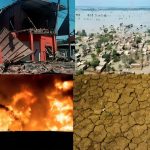
Humanitarian aid is most required when any disastrous event happens in any area. Disasters are hazardous events resulting in the dysfunction of any community, leading to economic or environmental losses. Disaster can either be natural or man-made, depending on its origin and impact. Thus, to deal with disasters and their fatal consequences, the provision of humanitarian aid to the people is a must. Some of the Disaster situations are:
- POLITICAL UNREST:Political unrest has been a major cause of chaos and unrest for people for a long time. There are various examples in the sands of time justifying the fatal effects of this particular problem. Kashmir riots in India have been one example portraying the horrifying effects of political riots on the lives of common people.
- ENVIRONMENTAL CAUSES: Climate change has always been one of the major concerns for people worldwide. With the gradual increase in earth’s temperature and a drastic change in climate worldwide, various natural variations are being witnessed in nature resulting in situations like tsunamis, Hurricanes, flash floods, and many more. One of the examples of such a disastrous event was seen in Earthquake in Kaiti, 2010 killing thousands of people and affecting the lives of even more.
- HUNGER AND MALNIUTRITION: Another major issue causing a humanitarian crisis is Hunger and Malnutrition which is gradually increasing with the people belonging to the BPL (Below Poverty Line) status. Thus there is a need to increase awareness and to avail these underprivileged people of the basic needs and amenities they require.
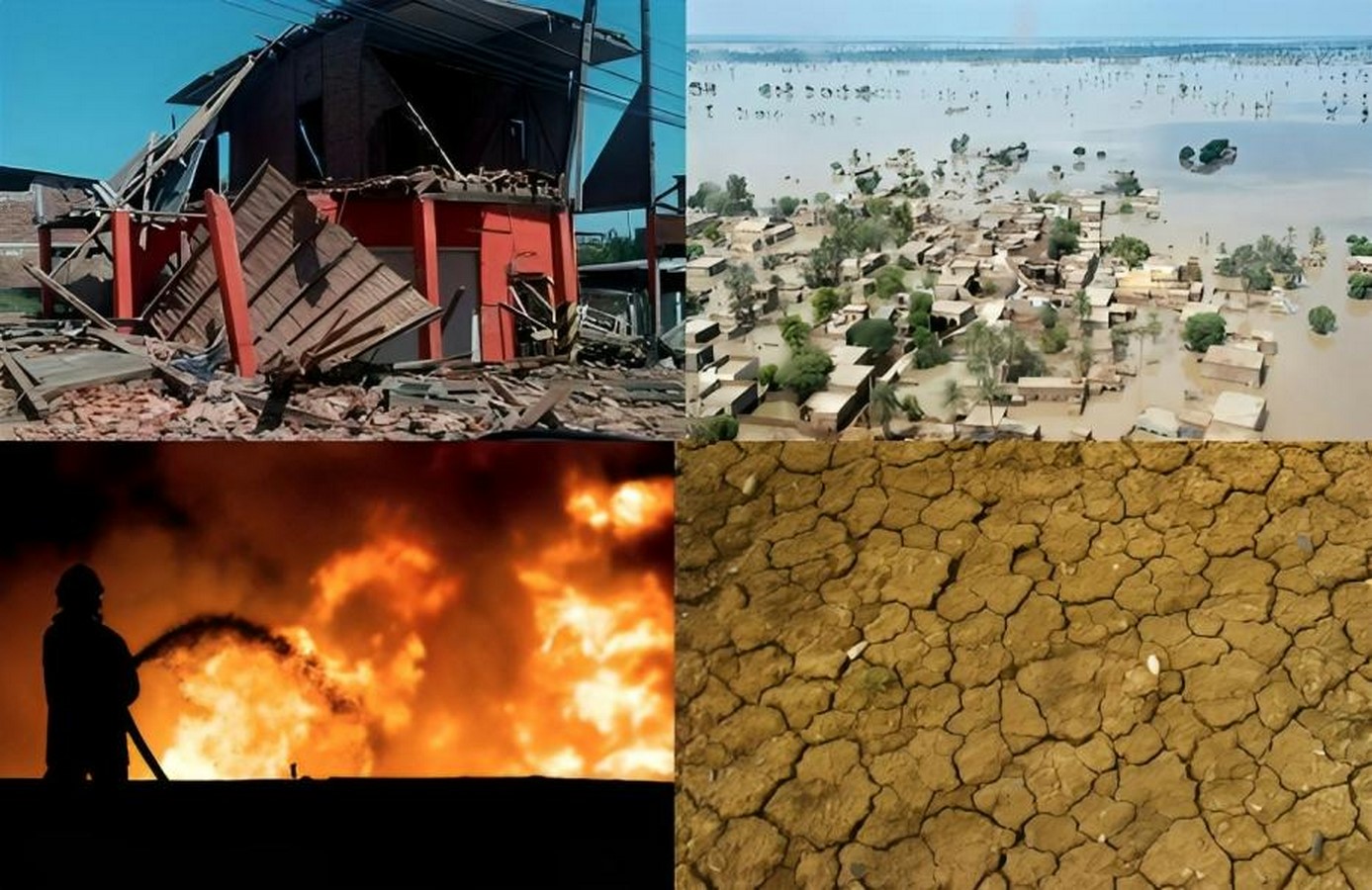
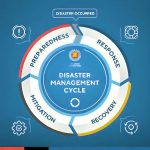
Thus, as can be seen, Humanitarian aid is much needed in today’s world to cope with several disastrous situations. People should be made aware of the process of dealing with these situations at any time in the future. The phases thus included in this process are:
- RESPONSE: The very first phase of disaster relief includes search and rescue, providing rescue and security to the affected people. In this phase, people are given immediate medical relief along with basic amenities.
- RECOVERY: The recovery phase begins after immediate aid has been availed to the people. In this phase, secondary needs and necessities are provided to the affected people. These needs include providing physical and non-physical infrastructure to help the community come back together.
- RISK MITIGATION: Risk Mitigation helps to build resilience in society to cope with any risk of disaster in the future. This initiative can enhance the living conditions of affected people. They will feel much more secure and will be ready to face any such situation in the future.
- PREPAREDNESS: Preparedness ensures that proper response tools are set up to minimize the damage risk of any disaster in the future. Some of the examples of preparedness are initiating drills, developing disaster response protocols, and many others.
As we can see with an increase in the disasters and their impact, there is a need to provide humanitarian aid to the people and to teach them how this aid can help them to have a better living and respond tp any emergencies in the future.

References:
- 15 reasons why Humanitarian Aid is important (2015, Emmaline Soken – Huberty) Human Rights Careers, Available at: https://www.humanrightscareers.com/issues/why-humanitarian-aid-is-important/#sidr-main, (Acceseed: 30 August, 2023)
- Disaster (Sendai Framework 2015- 2030) United Nations Office for Disaster Risk Reduction, undrr, Available at: https://www.undrr.org/terminology/disaster. (Accessed: 30 August, 2023)
- Humanitarian Crises: What are the largest humanitarian crises in the planet today? (2023 Iberdroia, S.A.) iberdrola, Available at: https://www.iberdrola.com/social-commitment/humanitarian-crises-causes-effects-solutions, (Accessed: 31 August, 2023)
- Humanitarian Aid: 5 Things you should know (13 June, 2022) concernusa, Available at: https://concernusa.org/news/humanitarian-aid-explained/, (Accessed: 31 August, 2023)
- A short History of Humanitarian Action (Barnett 2011: 41) futurelearn, Available at: https://www.futurelearn.com/info/courses/humanitarian-action-response-relief/0/steps/61005, (Accessed: 31 August, 2023)
- Phases of Disaster relief (2023 Center for High Imapct Philanthropy) impact, Available at: https://www.impact.upenn.edu/disaster-relief-phases-of-disaster-relief/, (Accessed: 1 September, 2023)