Oaxaca is a state in Mexico, recognized for its rich indigenous culture, craft, and architecture. The city has gone through a substantial transformation over the years, beginning from the Zapotec civilization dating back to the pre-classical period, followed by the Spanish colonization and later its independence in the 1800s, hence resulting in an amalgamation of the traditions, customs, and cityscapes.
The state also has a rich biodiversity, with mountain ranges on one side and the pacific coast while, in the city side, the streets are supplemented with vibrant facades, shops, and stalls selling traditional craft and art, music played on the streets, outdoor restaurants and cafes, churches and galleries, thus making these streets a hub for tourists.
1. Monte Albán, Oaxaca
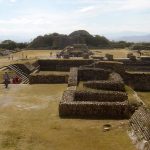
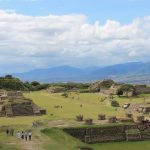
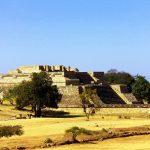
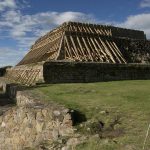
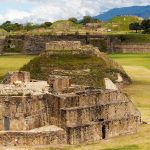
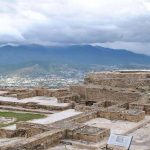
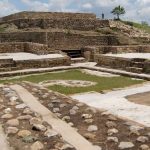
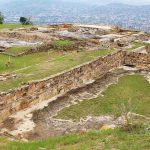
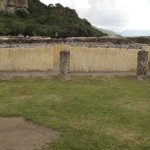
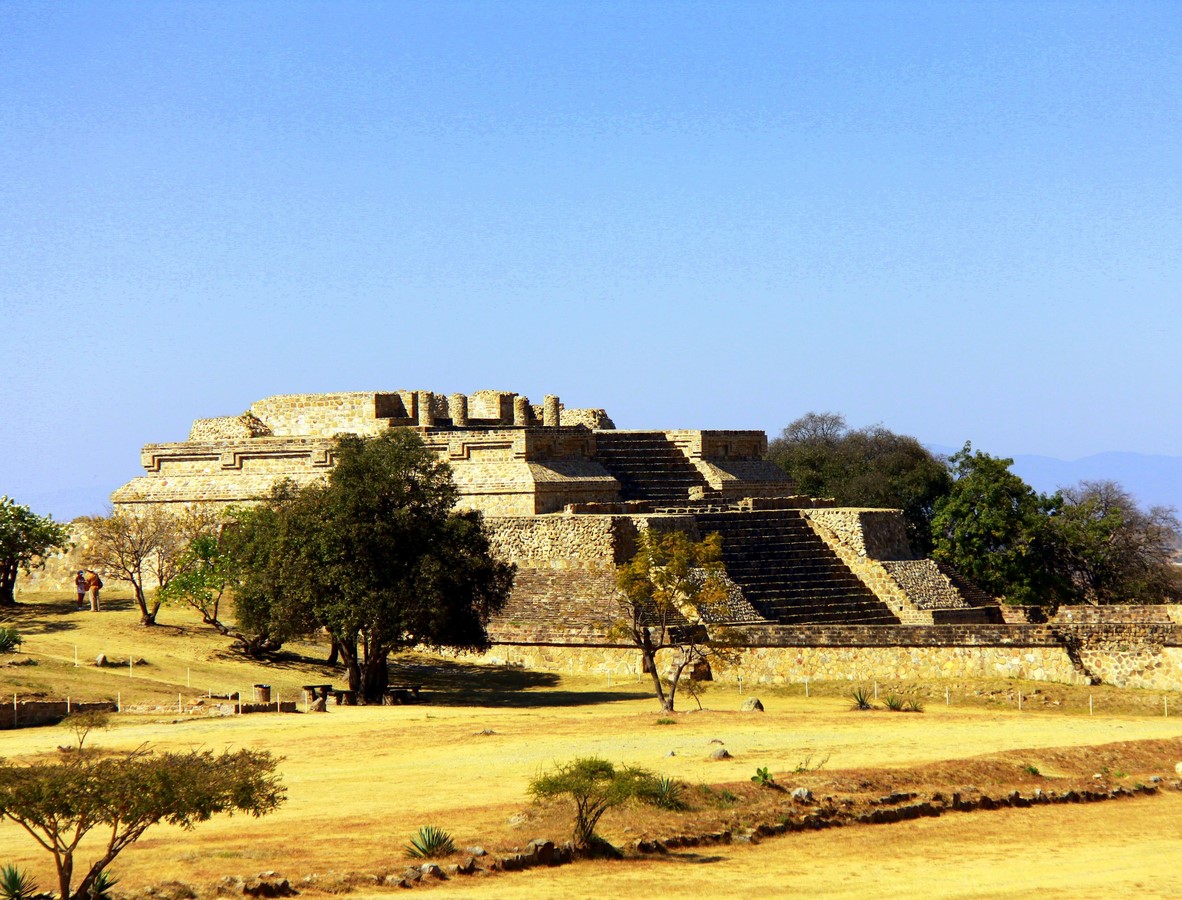
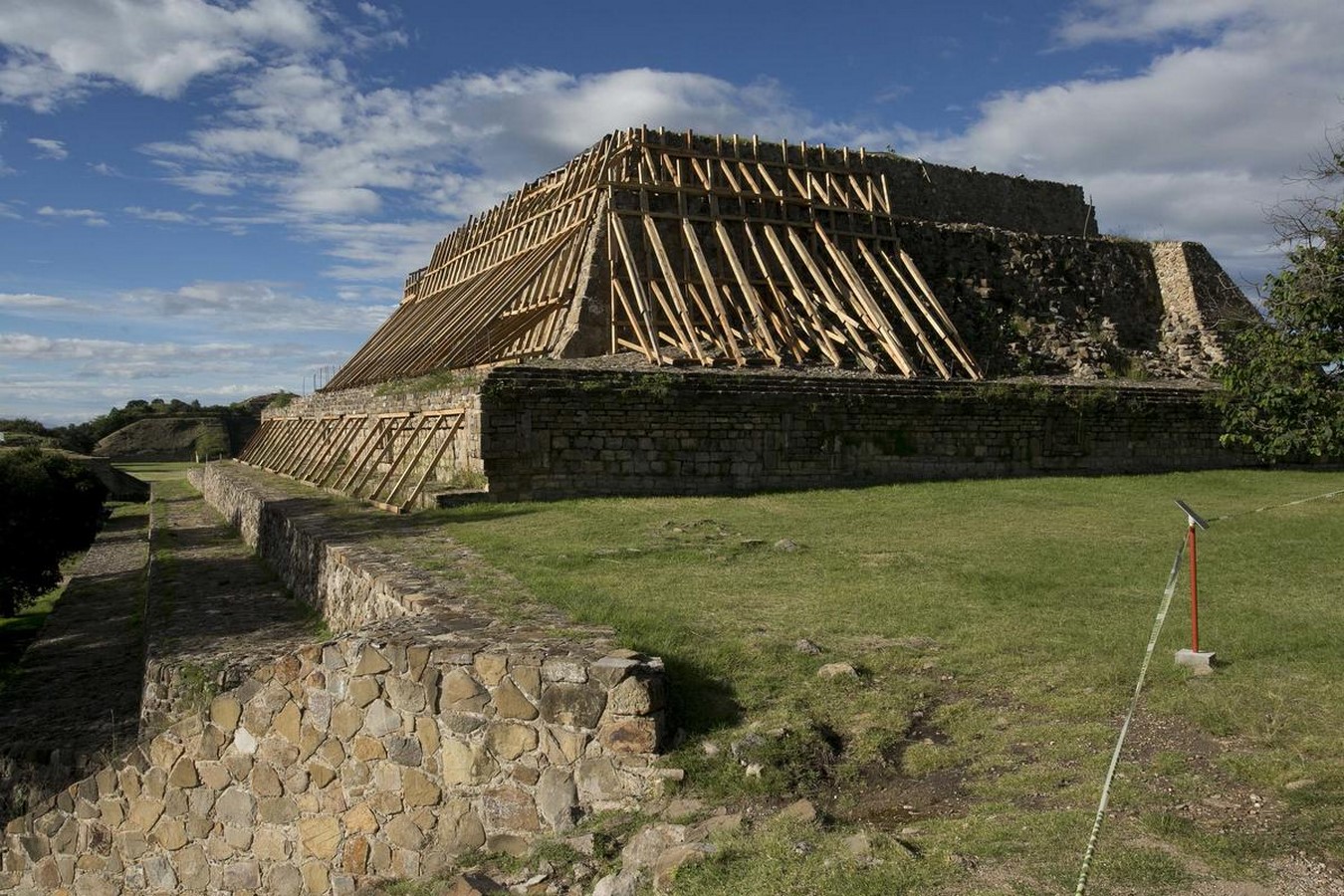
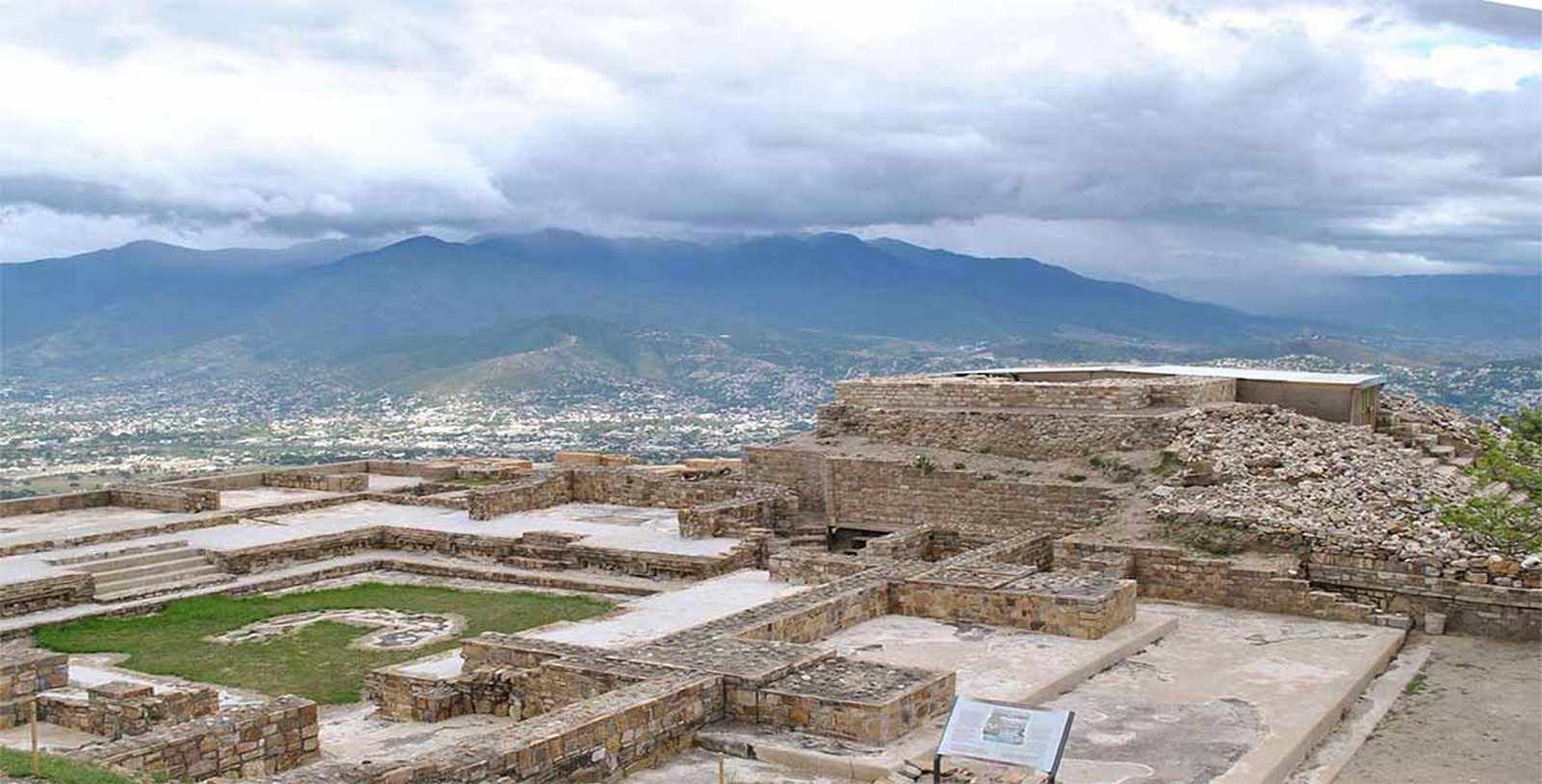
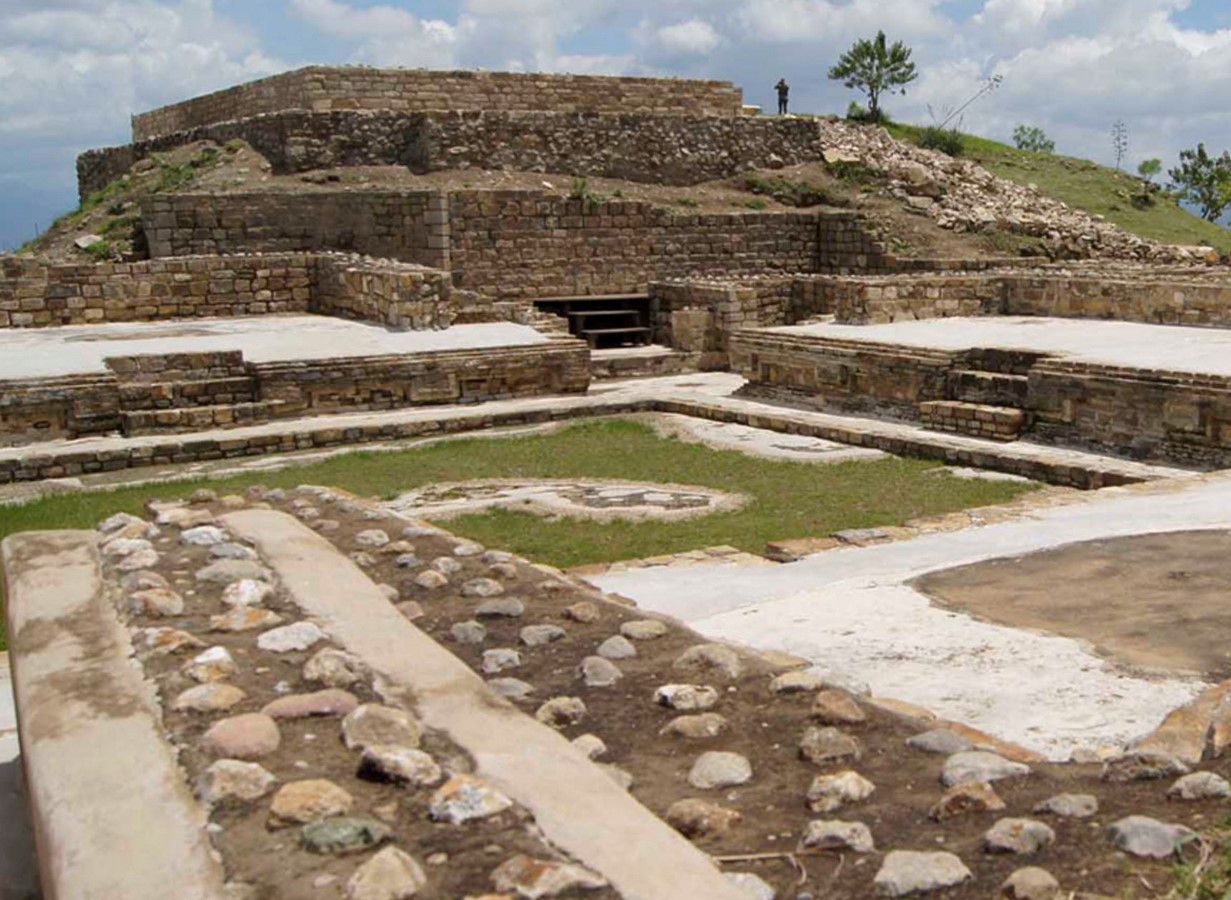
A UNESCO World Heritage Site, the Monte Albán is a pre-Columbian archaeological site dating back to 500 BC to 200 BC. At present, the complex consists of the Main Plaza led by a monumental staircase, a court for ball games, ruins of temples and tombs, several stone monuments, and platform mounds that reflect the ‘Teotihuacán’ style of architecture. The complex was carved out of a mountain and its distinctive dimensions and style exhibit the expressions, values, and urbanism of the then civilization, ‘Zapotec’.
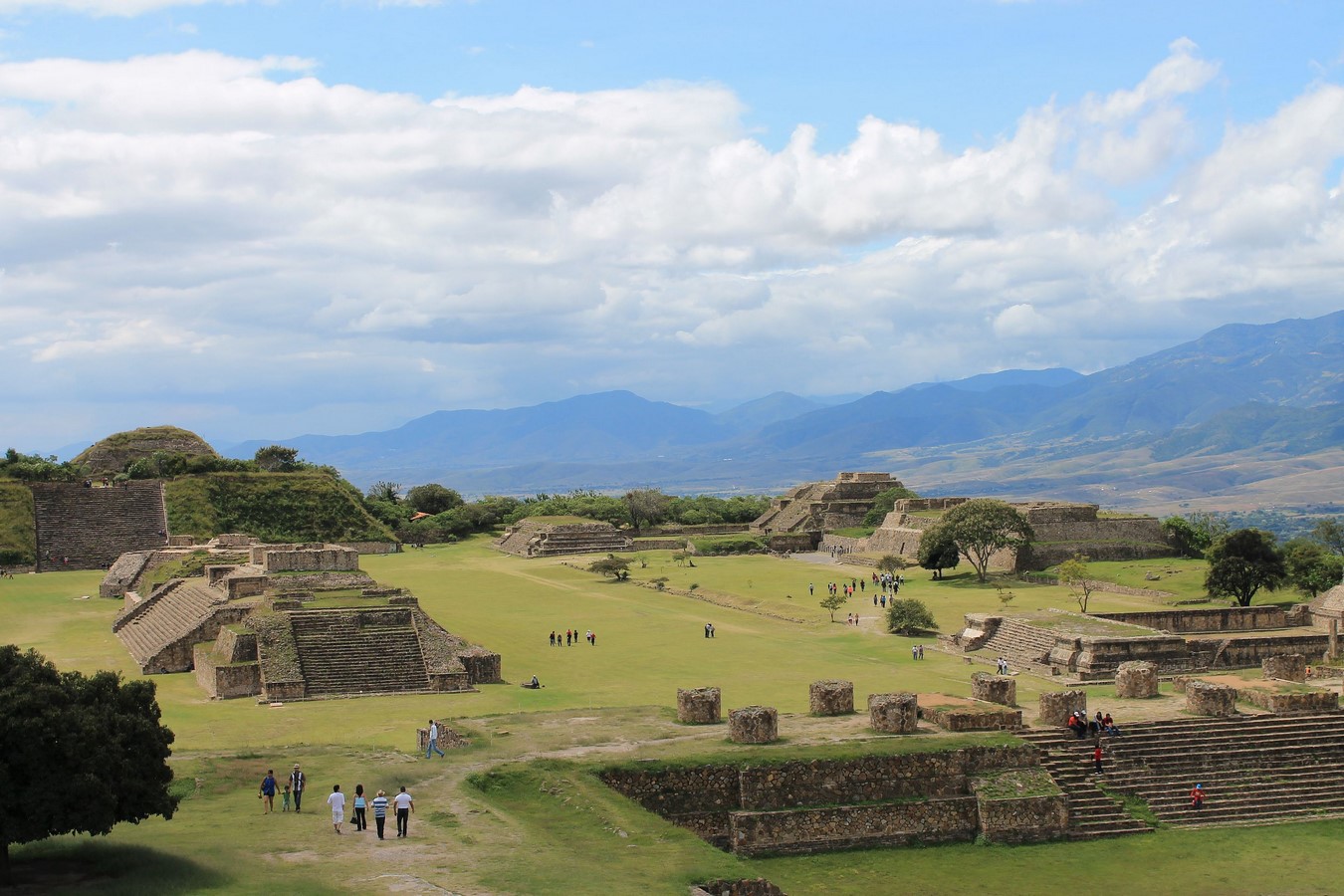
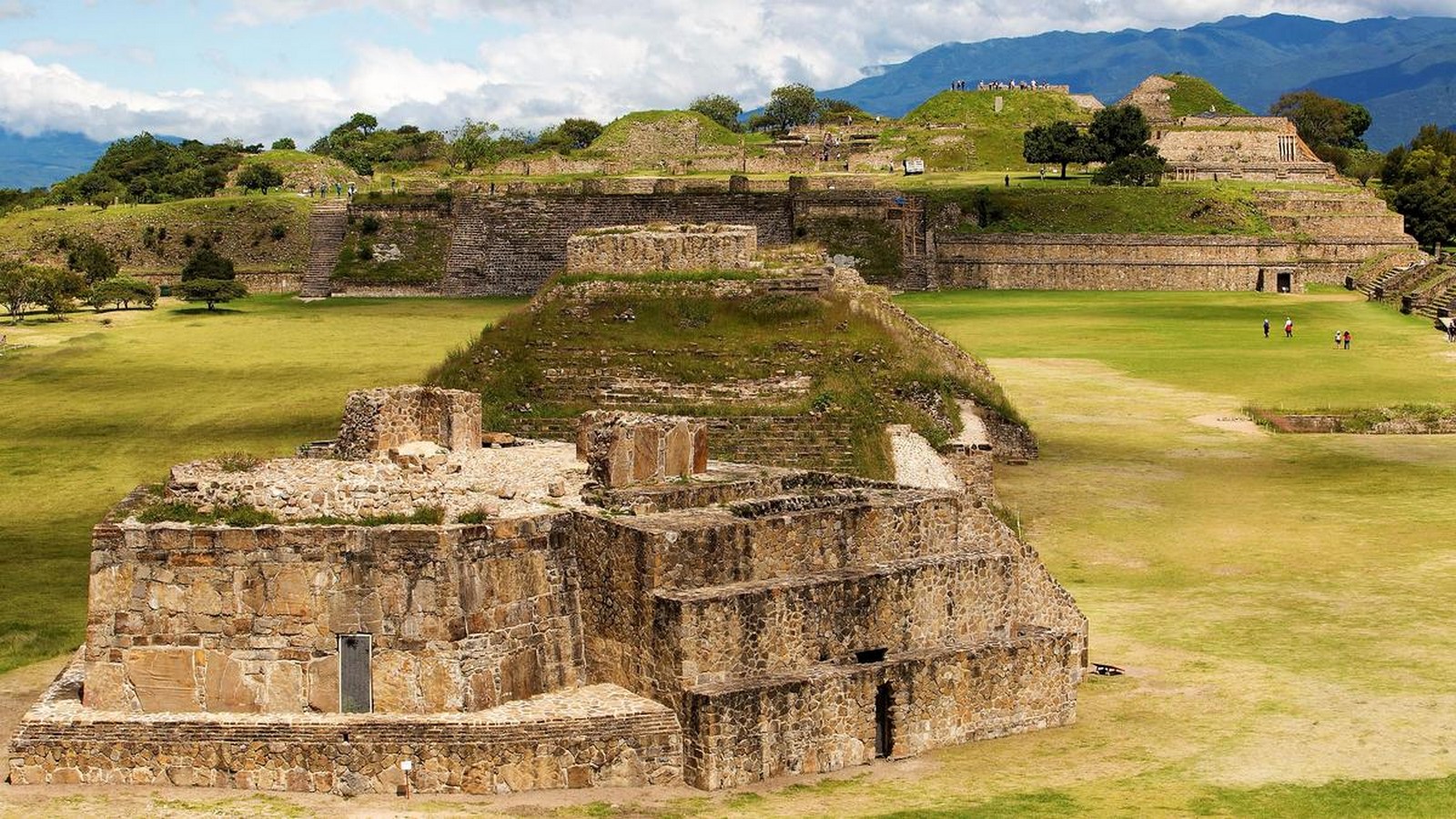
- View of Main Plaza from the North Platform ©en.wikipedia.org
- Monte Albán ©en.wikipedia.org
- The west side platform at the Monte Alban pyramid complex ©en.wikipedia.org
- Monte Albán © www.wmf.org
- Monte Albán ©www.wmf.org
2. Oaxaca’s Historical Archive Building
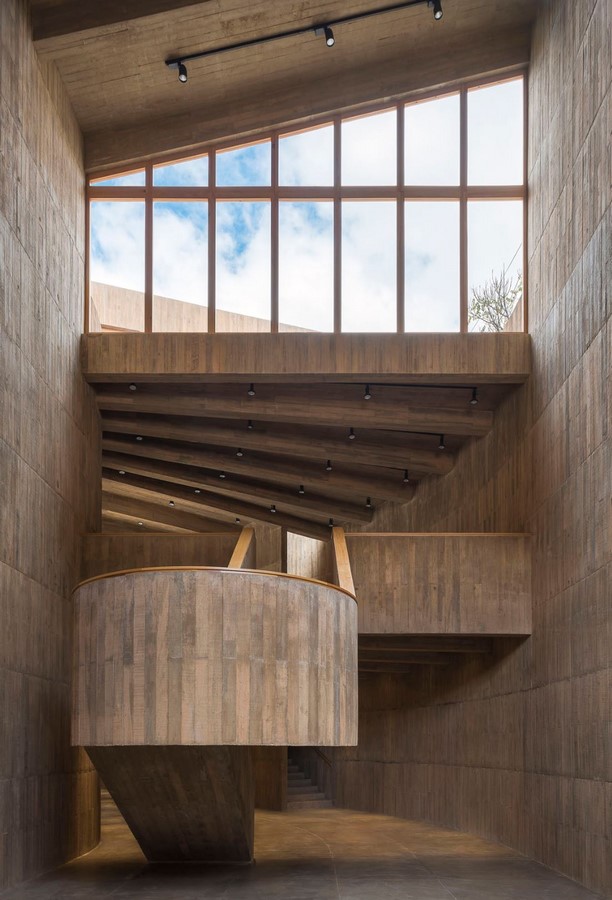
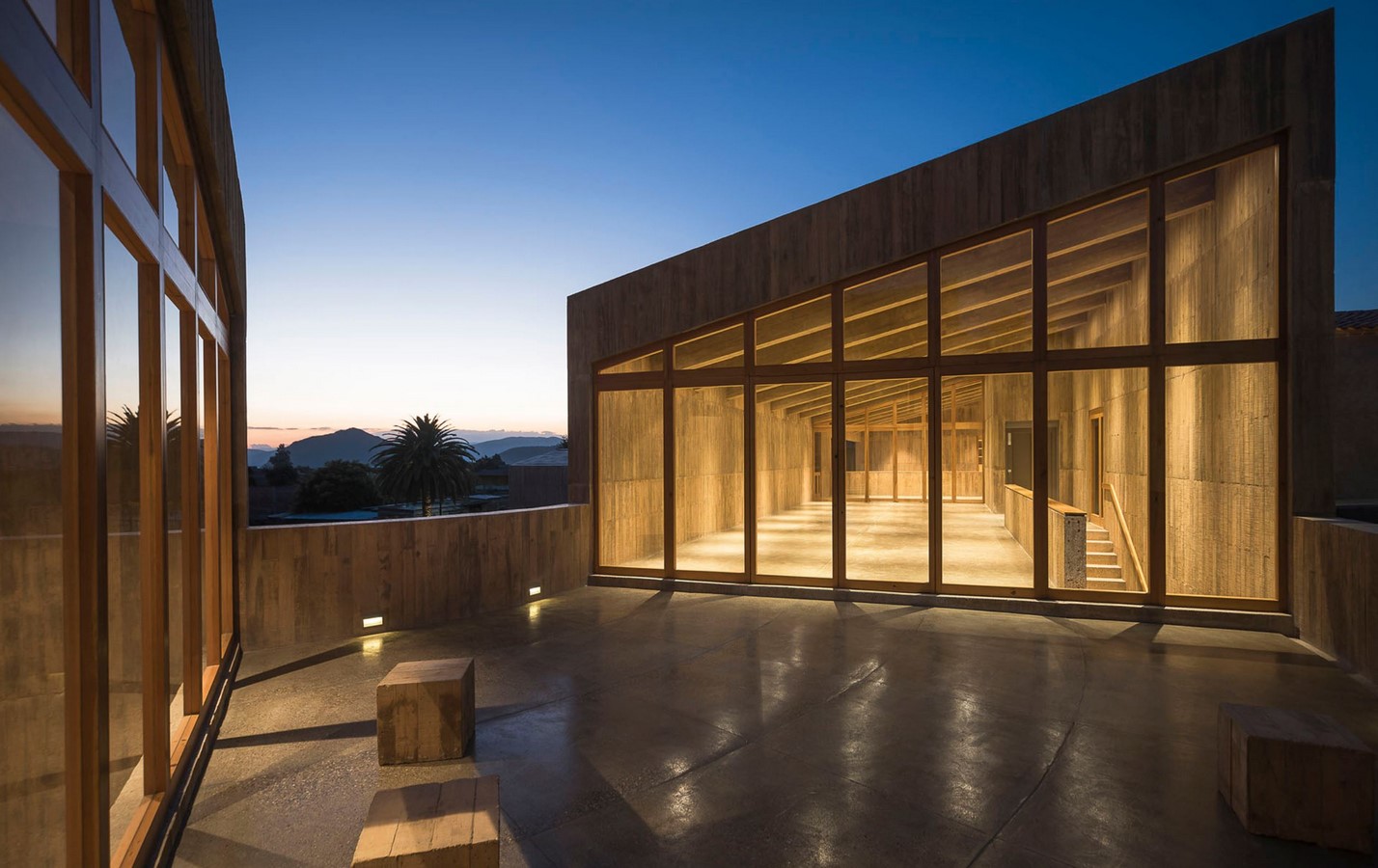
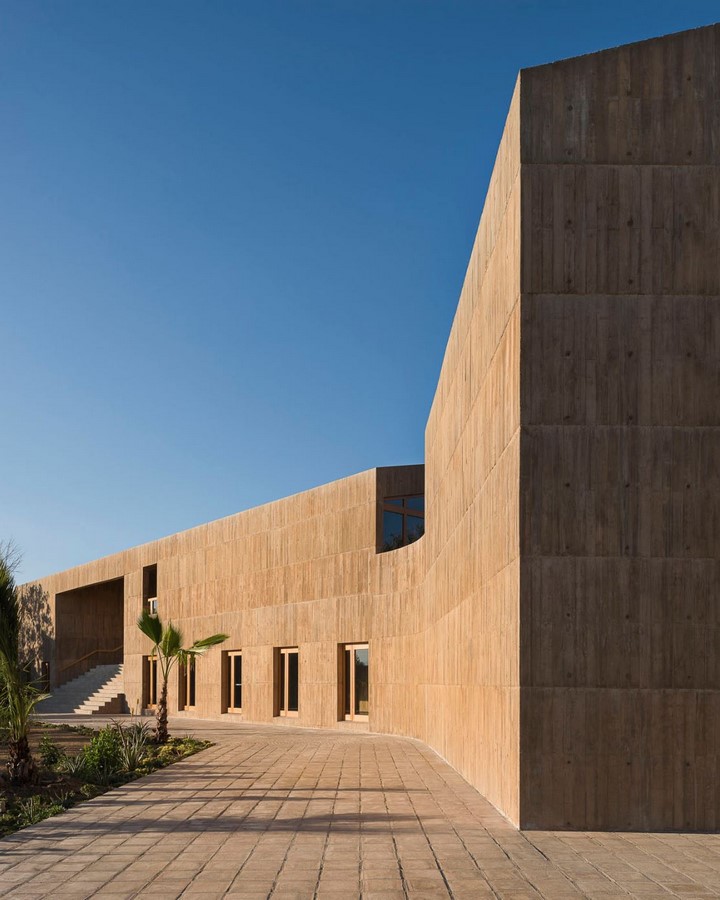
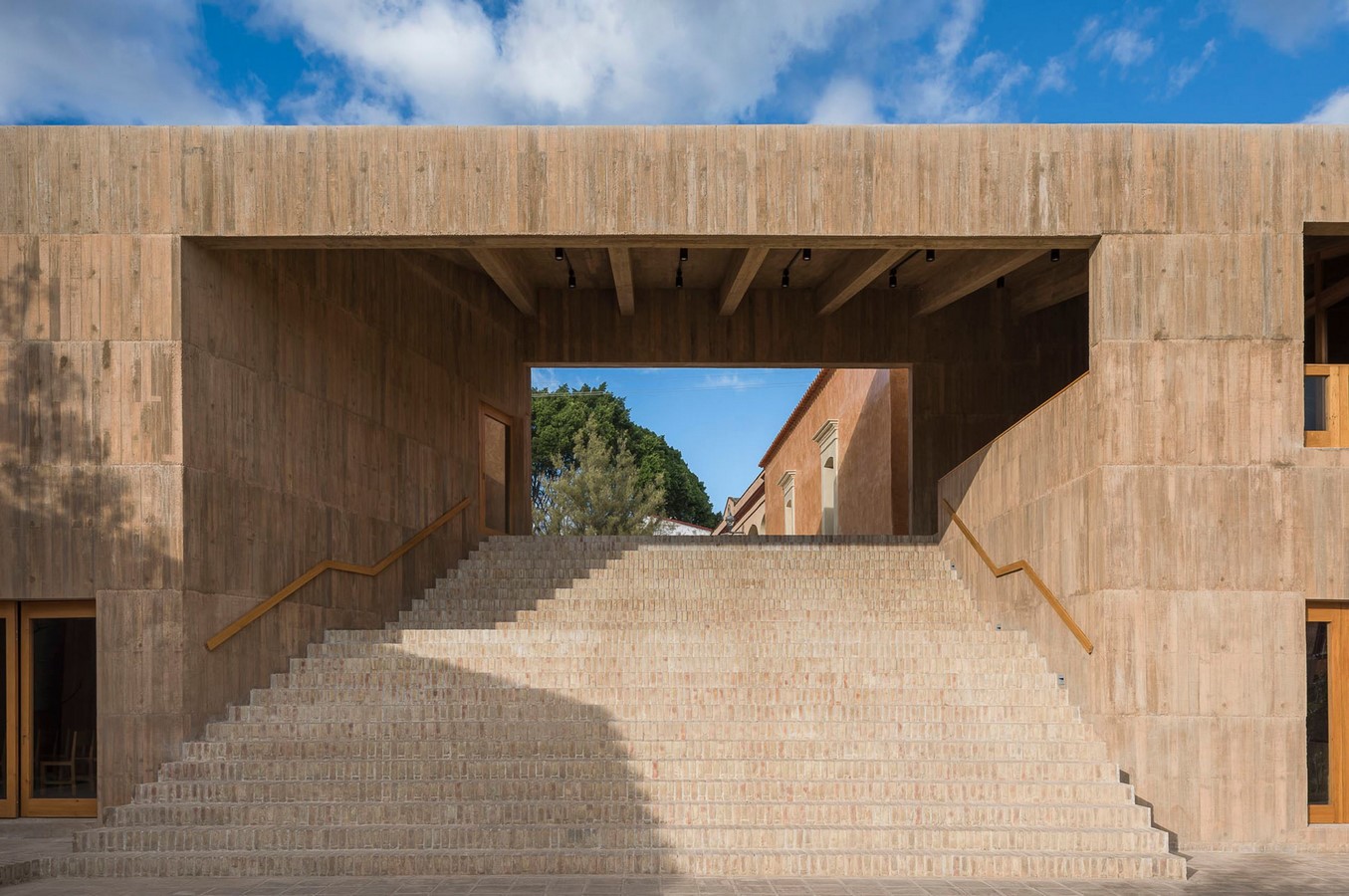
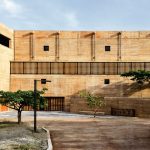
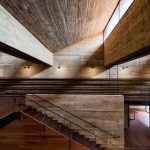
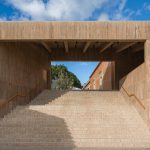
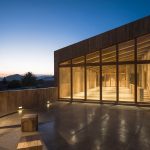
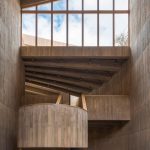
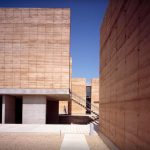
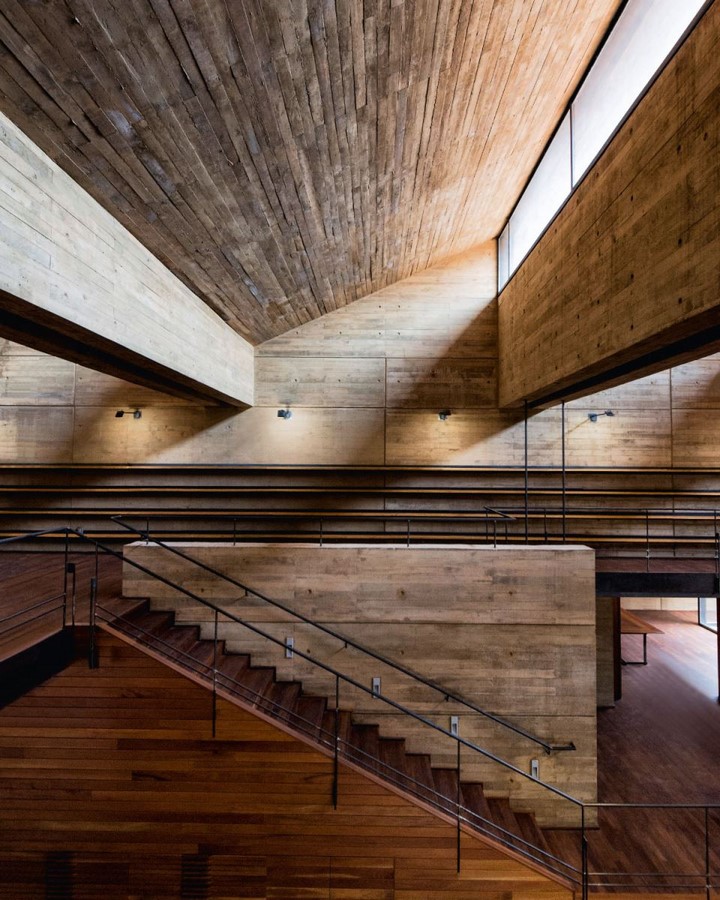
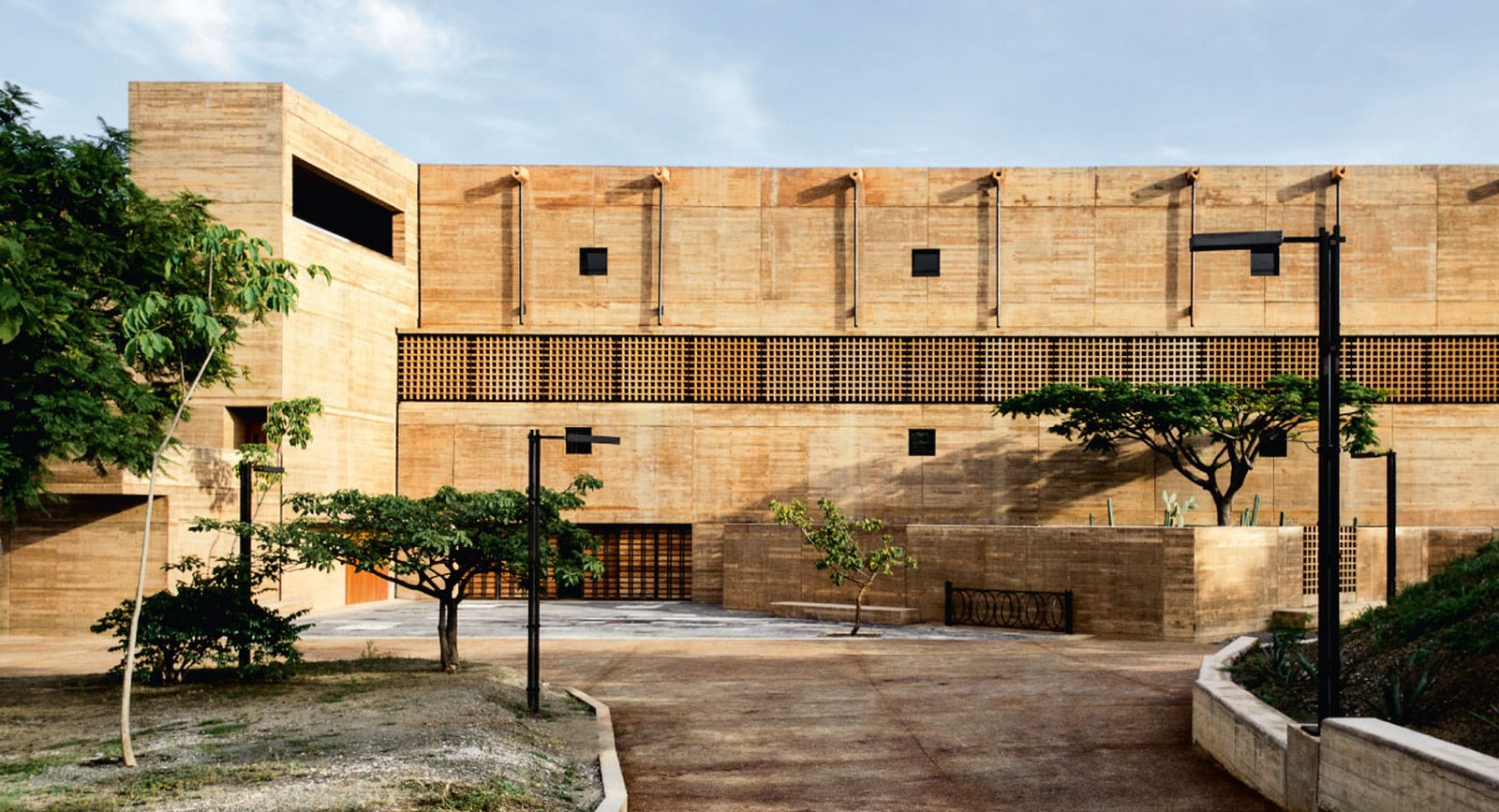
The spatial disposition is done considering the private spaces required for the document collection, research, and storage, and the public spaces consisting of the auditorium, exhibition hall, library, classrooms, and cafeteria which were to be accessed by the visitors. Levels incorporated in the design are the outcome of the site topography, while the nature of the site and the earthy appearance of the structure integrates the spaces and provides a placid experience. The scale and the natural light penetrating through the roof and punctured walls of the structure make it monumental.
3. The School of Visual Arts of Oaxaca
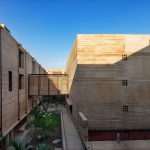
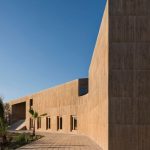
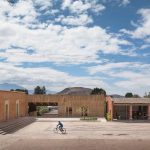
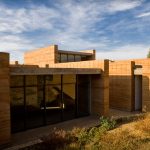
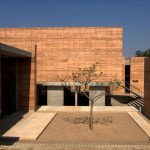
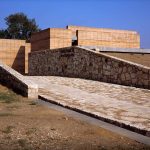
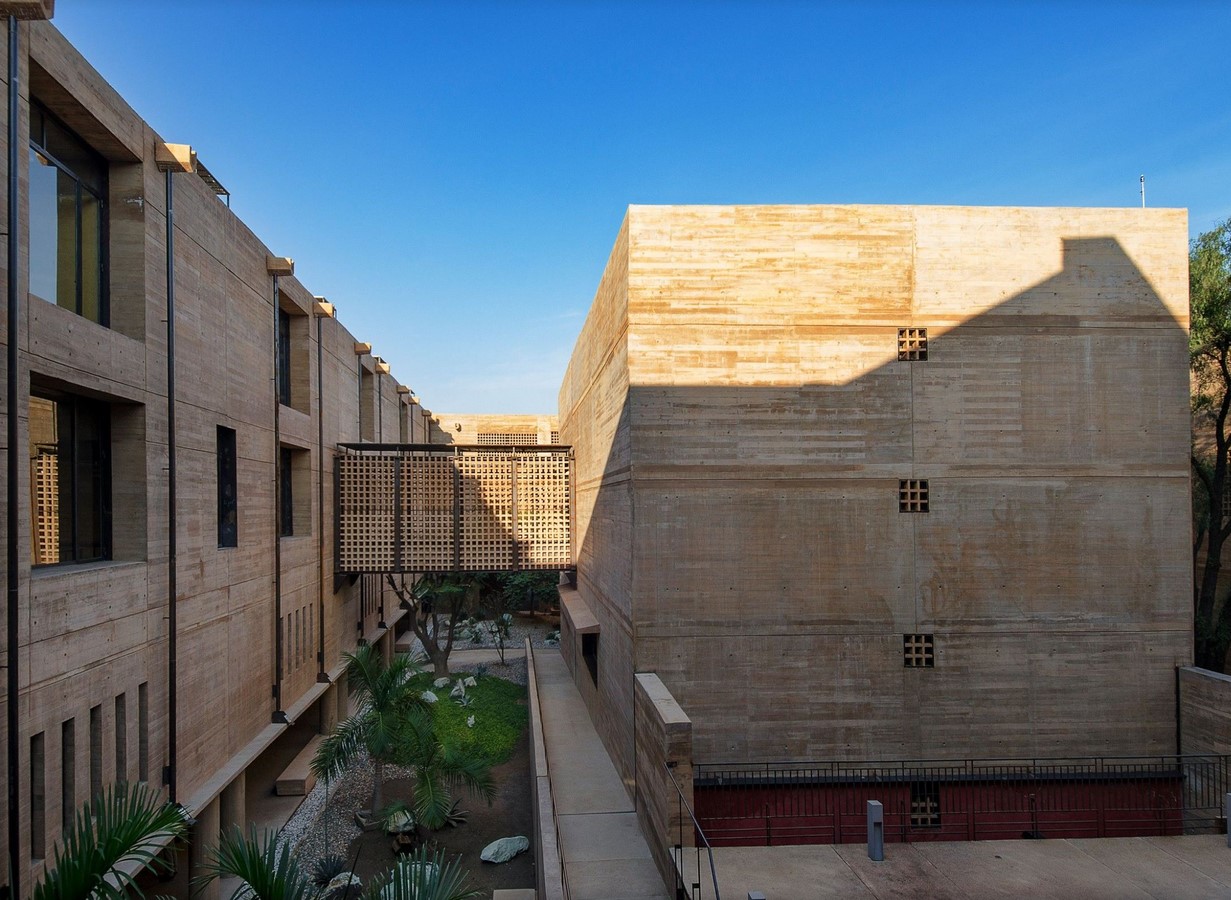
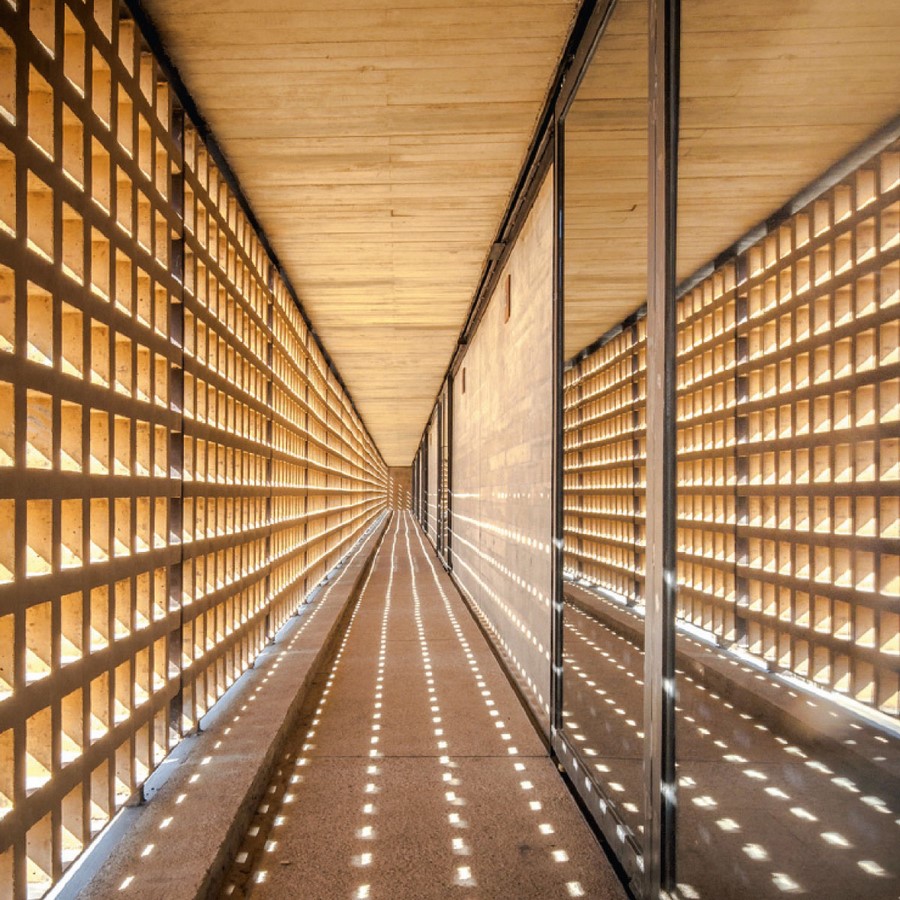
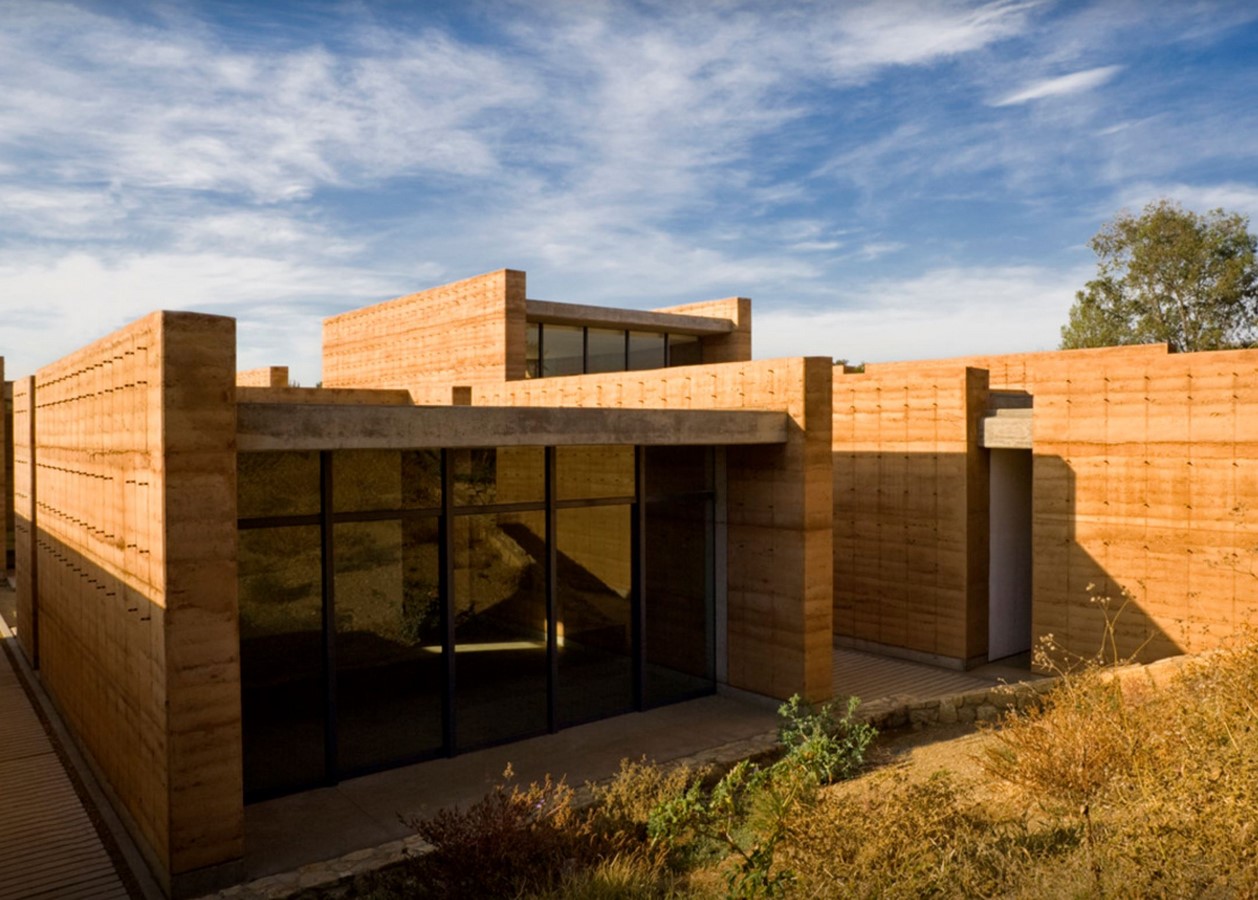
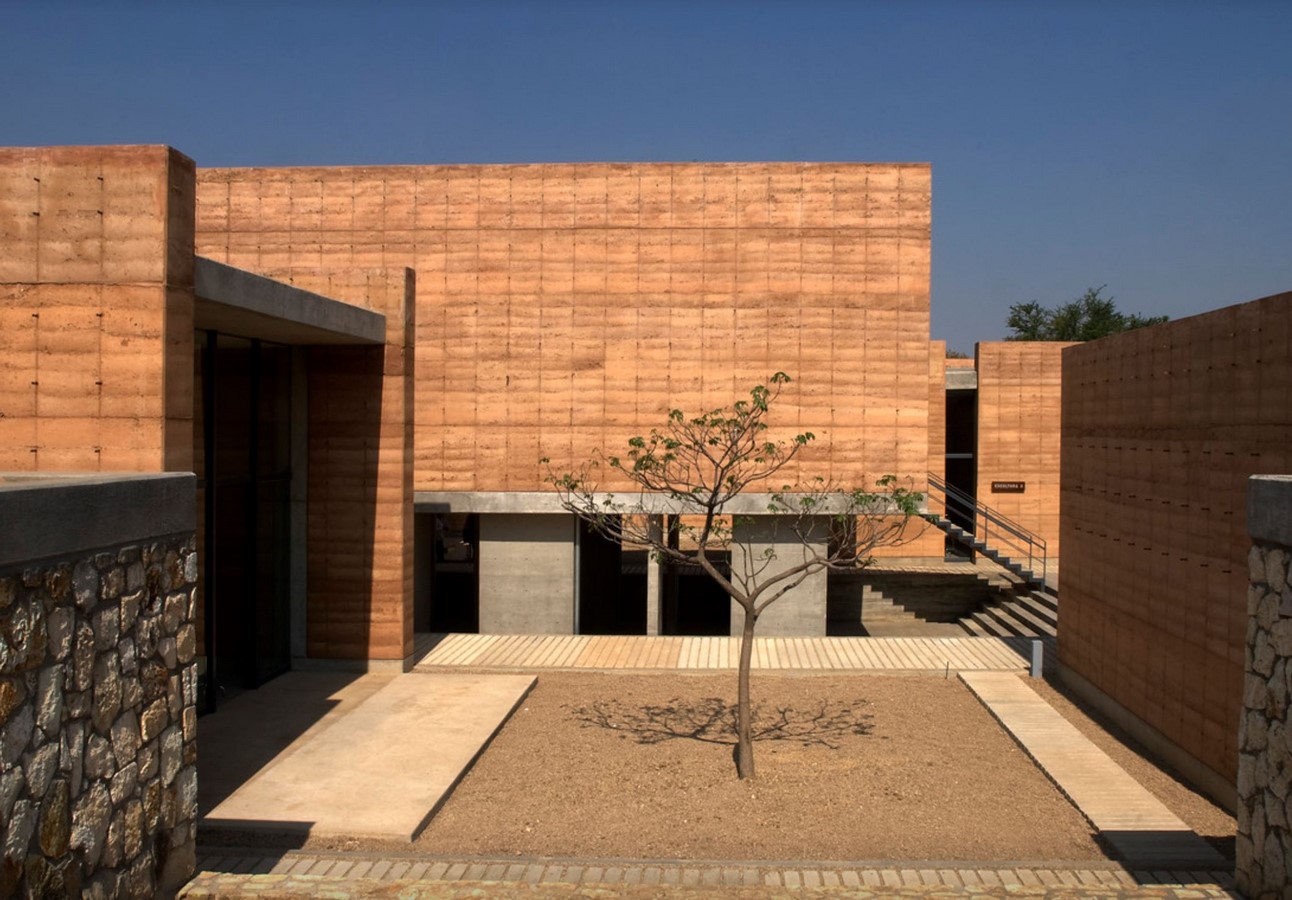
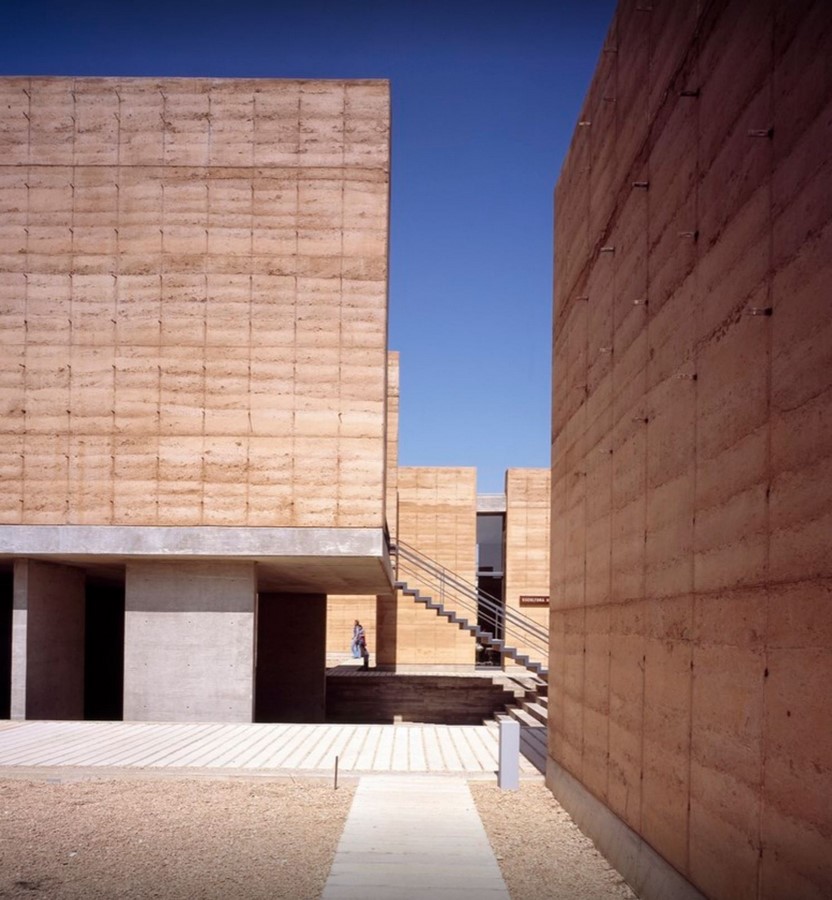
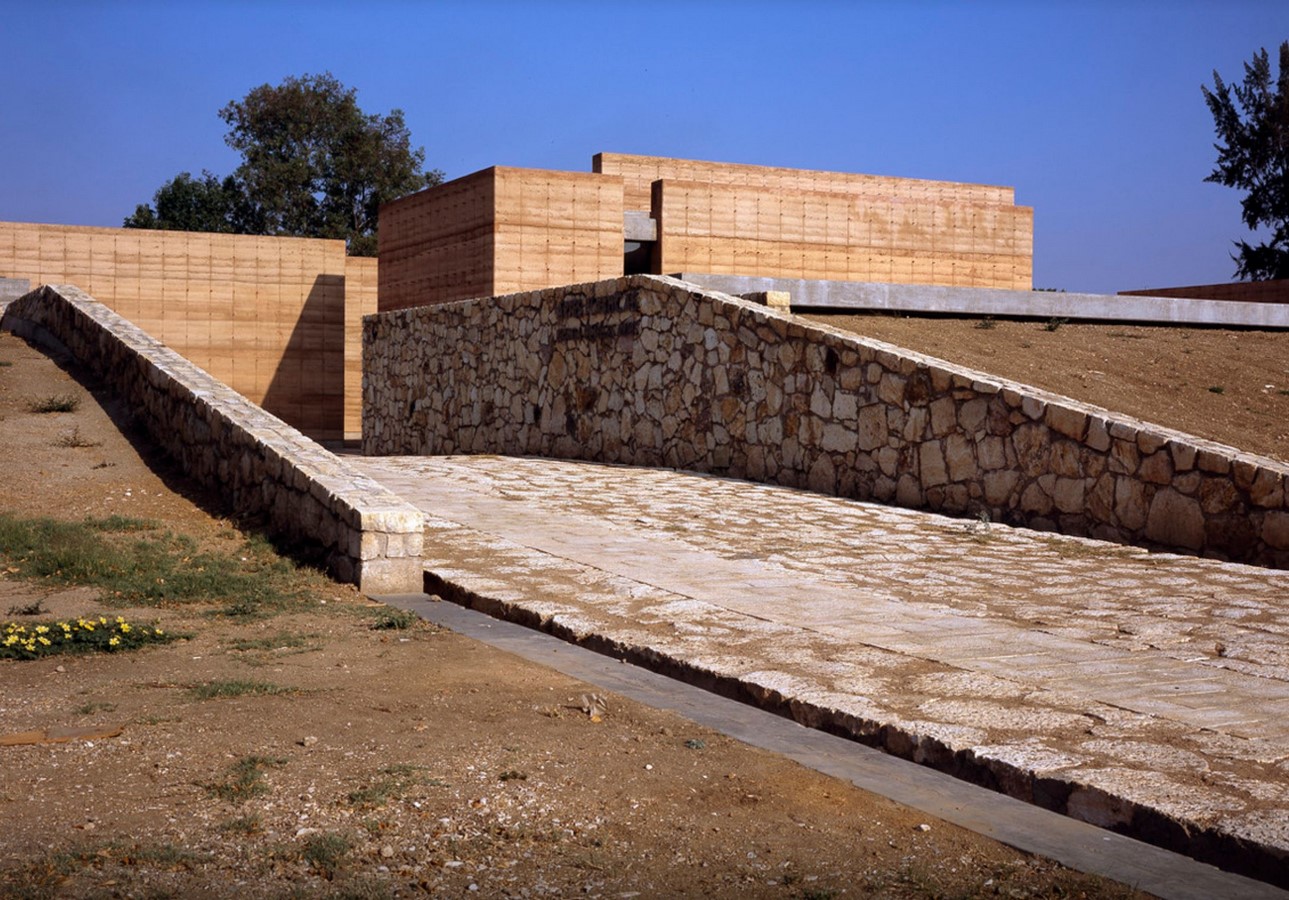
The structure has been defragmented into several indoor spaces linked through the courtyards introduced within, to which the classroom openings are aligned. The level variation maintains the required isolation and spatial differentiation while the stone and earth used as the primary material harmonize the structure with its vicinity as well as the climate. The structure comprises a media library, classrooms, gallery, lecture hall, and workshop spaces all aligned to various directions according to the requirement of the opening, circulation, and function.
4. Mitla, Oaxaca
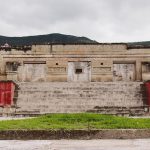
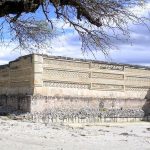
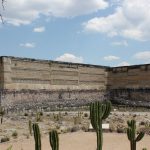
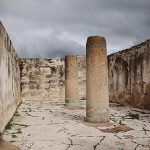
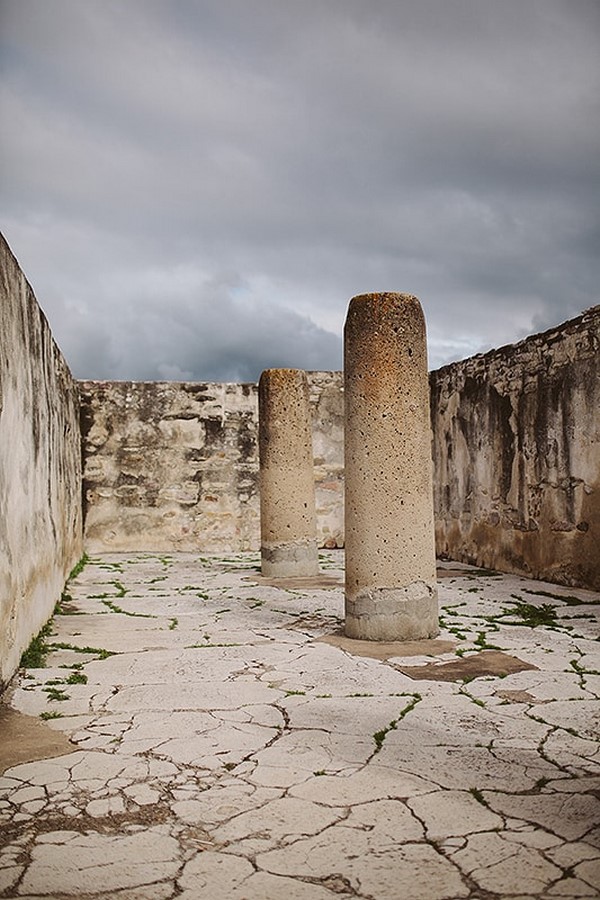
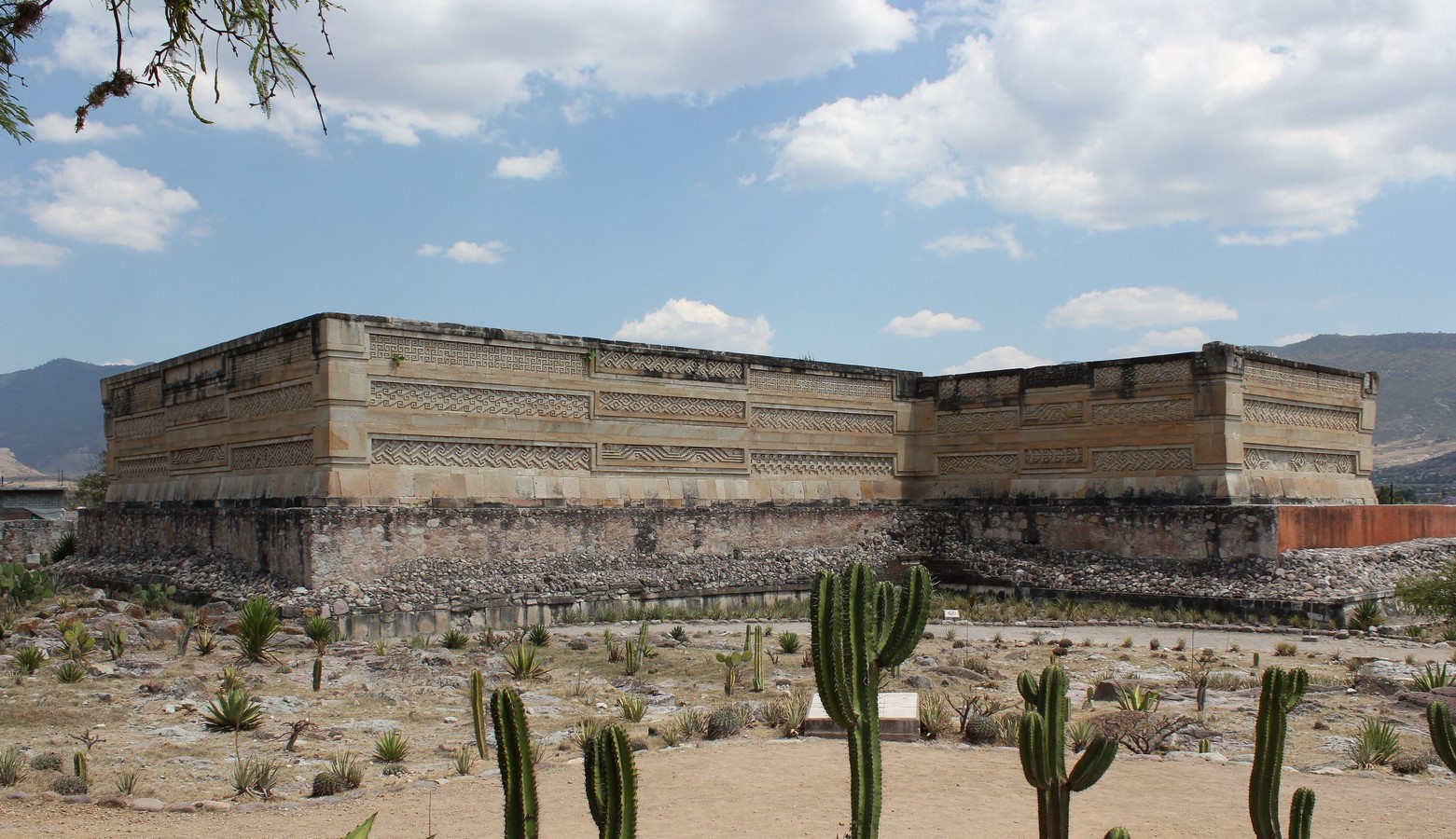
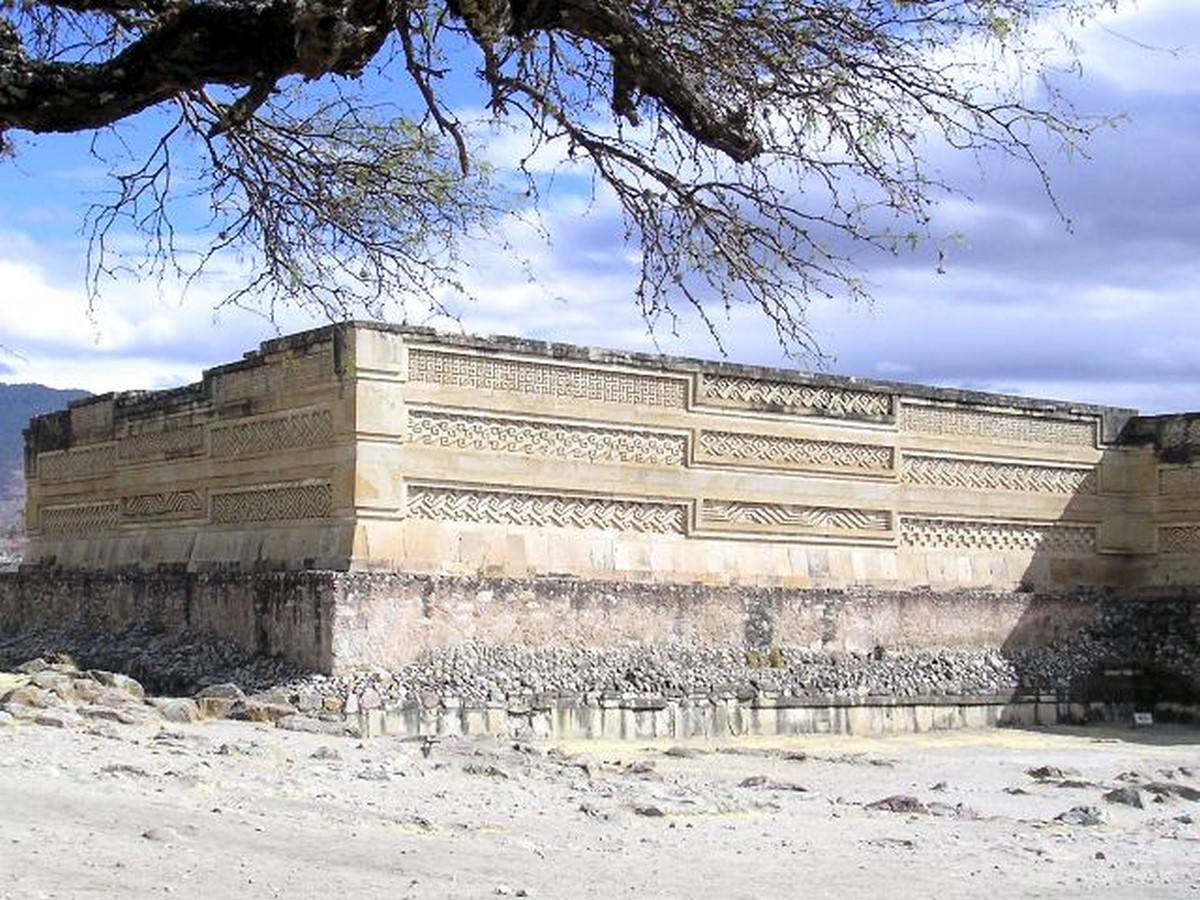
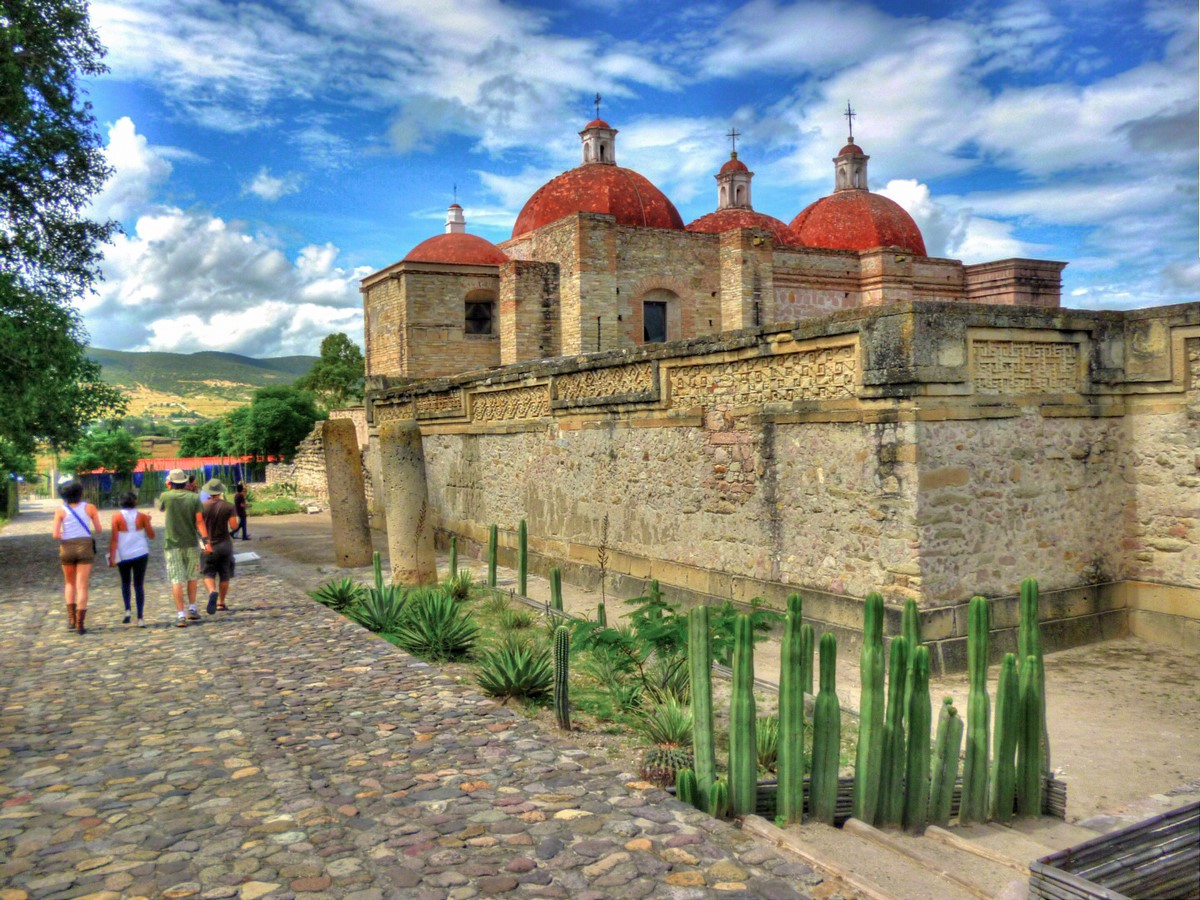
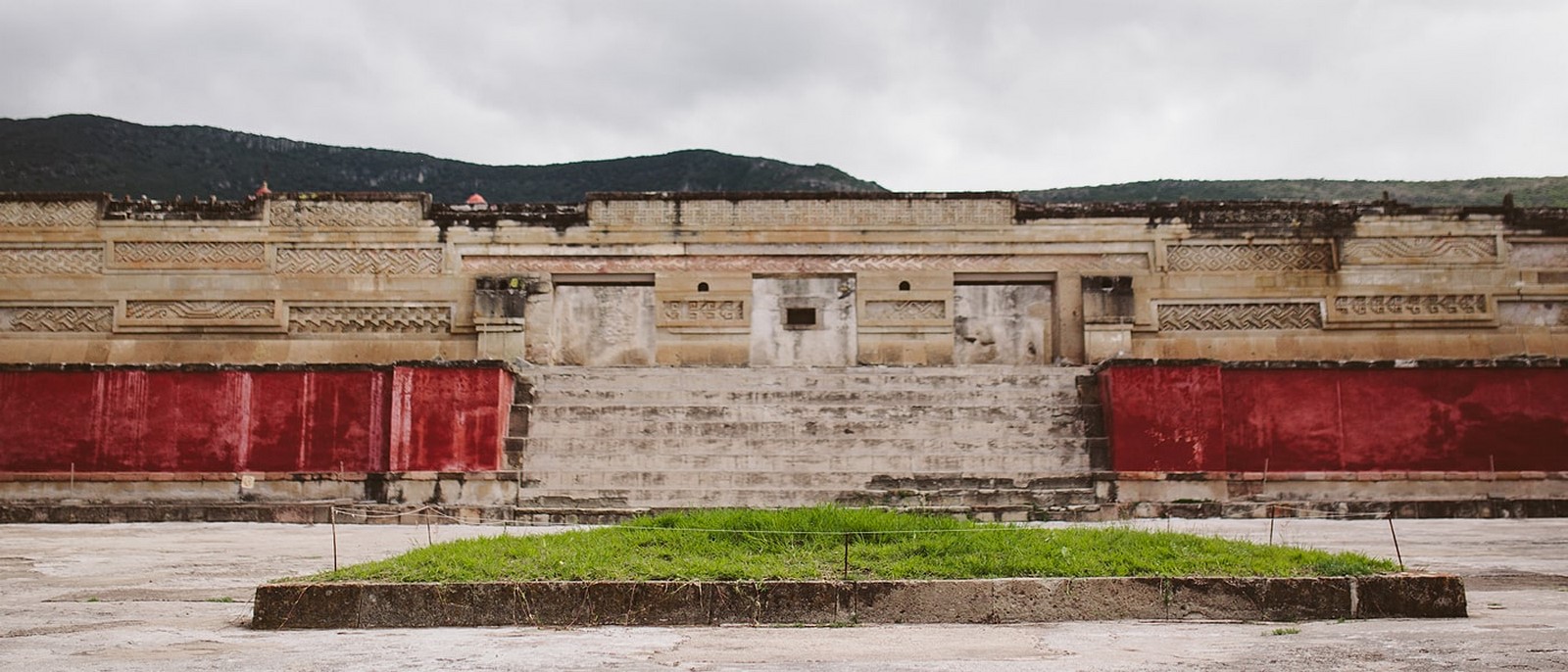
Located in an elevated valley, Mitla is an archaeological site established between 450 – 700 AD and was further developing until the 17th century. The complex consists of a distinct classification of buildings ranging from central plazas and ceremonial centers, Palaces, churches, temples, tombs, Hall of Columns, one-story buildings, and intermediary courtyards, aligned to the cardinal directions. All the structures in Mitla have an intricate design and mosaic over its facades by employing carving of geometric patterns and stone tiles embedding which makes them distinctive and translate the culture and social context of the period it was constructed in.
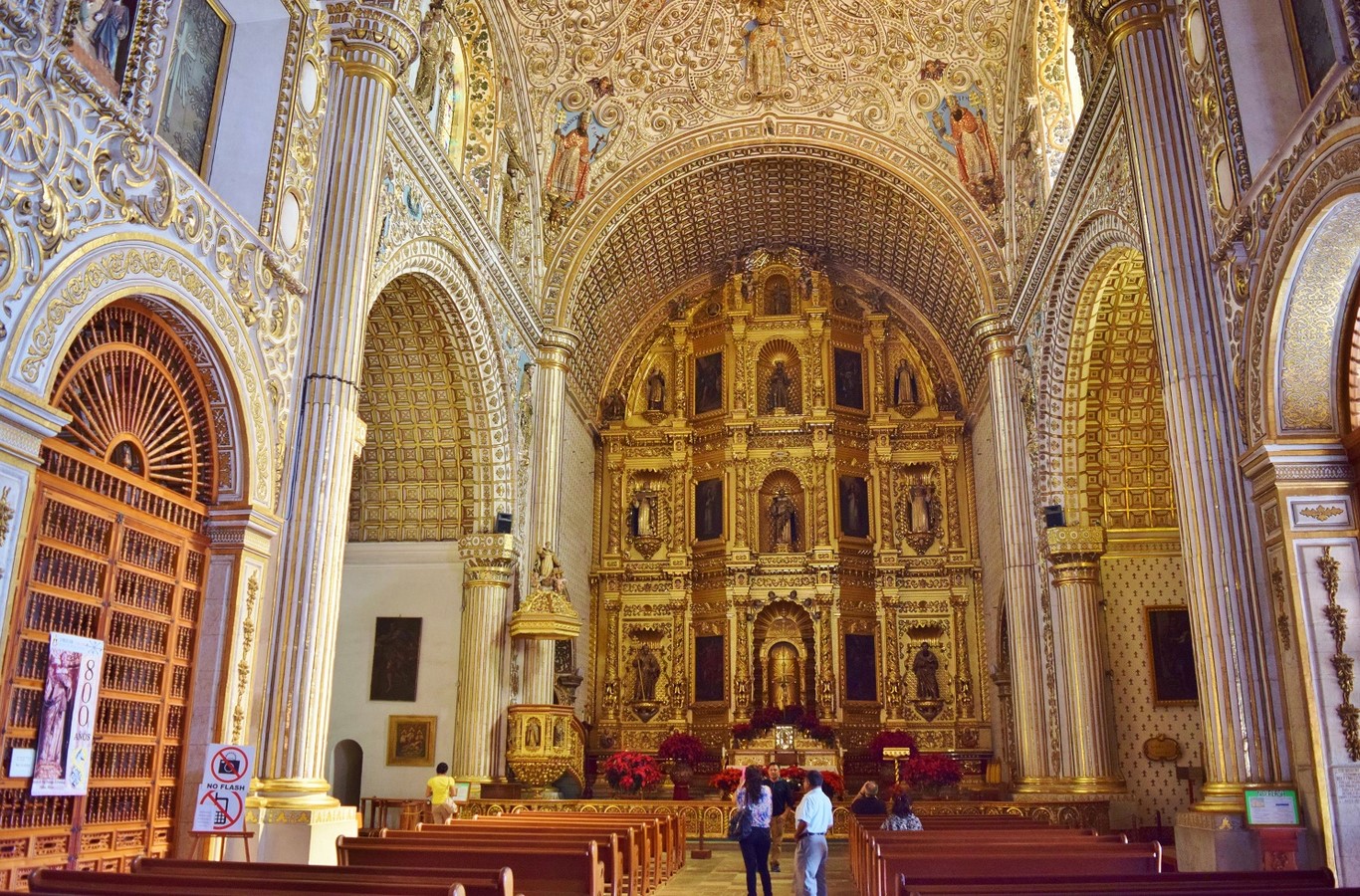
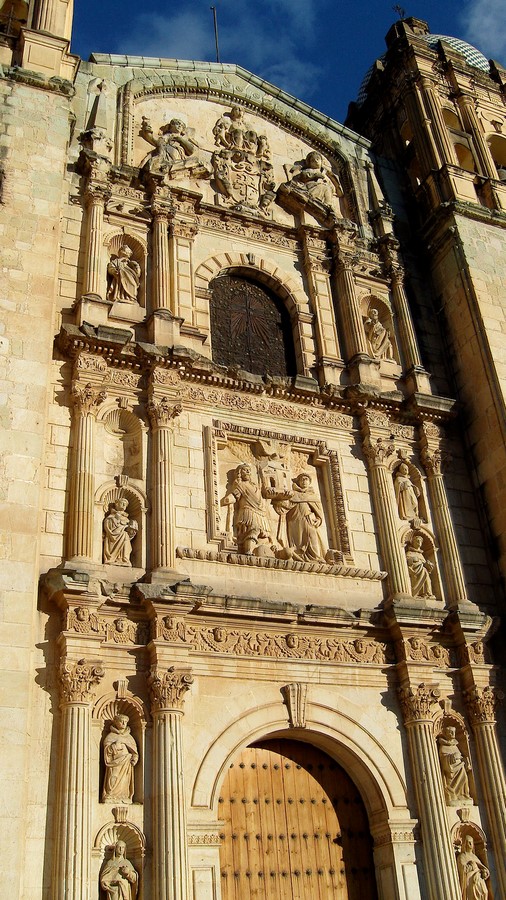
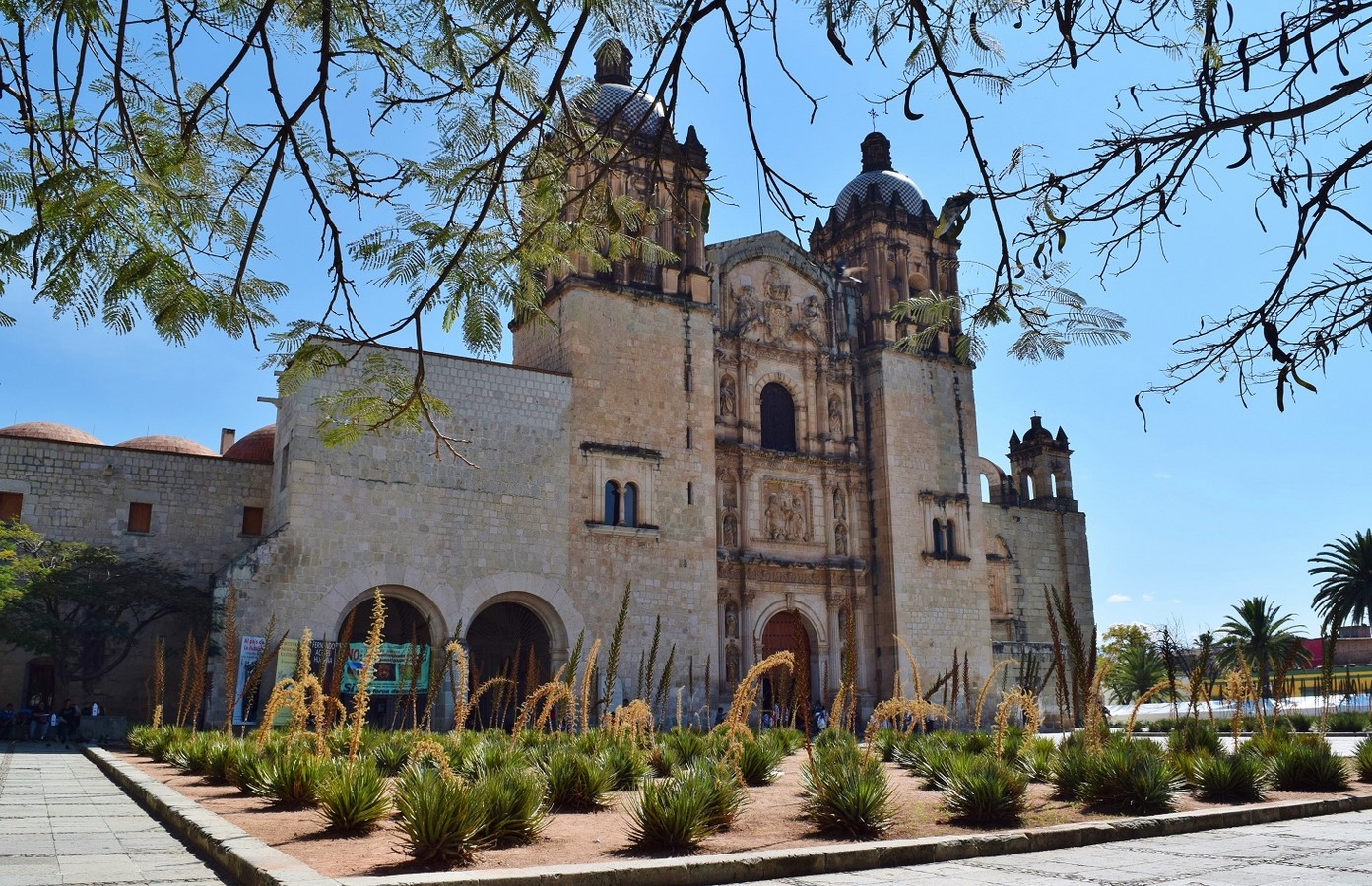
5. Church of Santo Domingo de Guzmán and cultural center
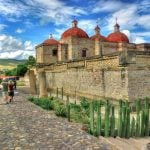
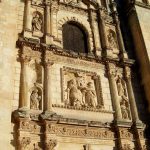
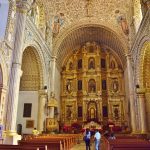
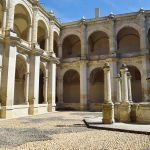
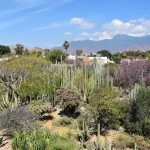
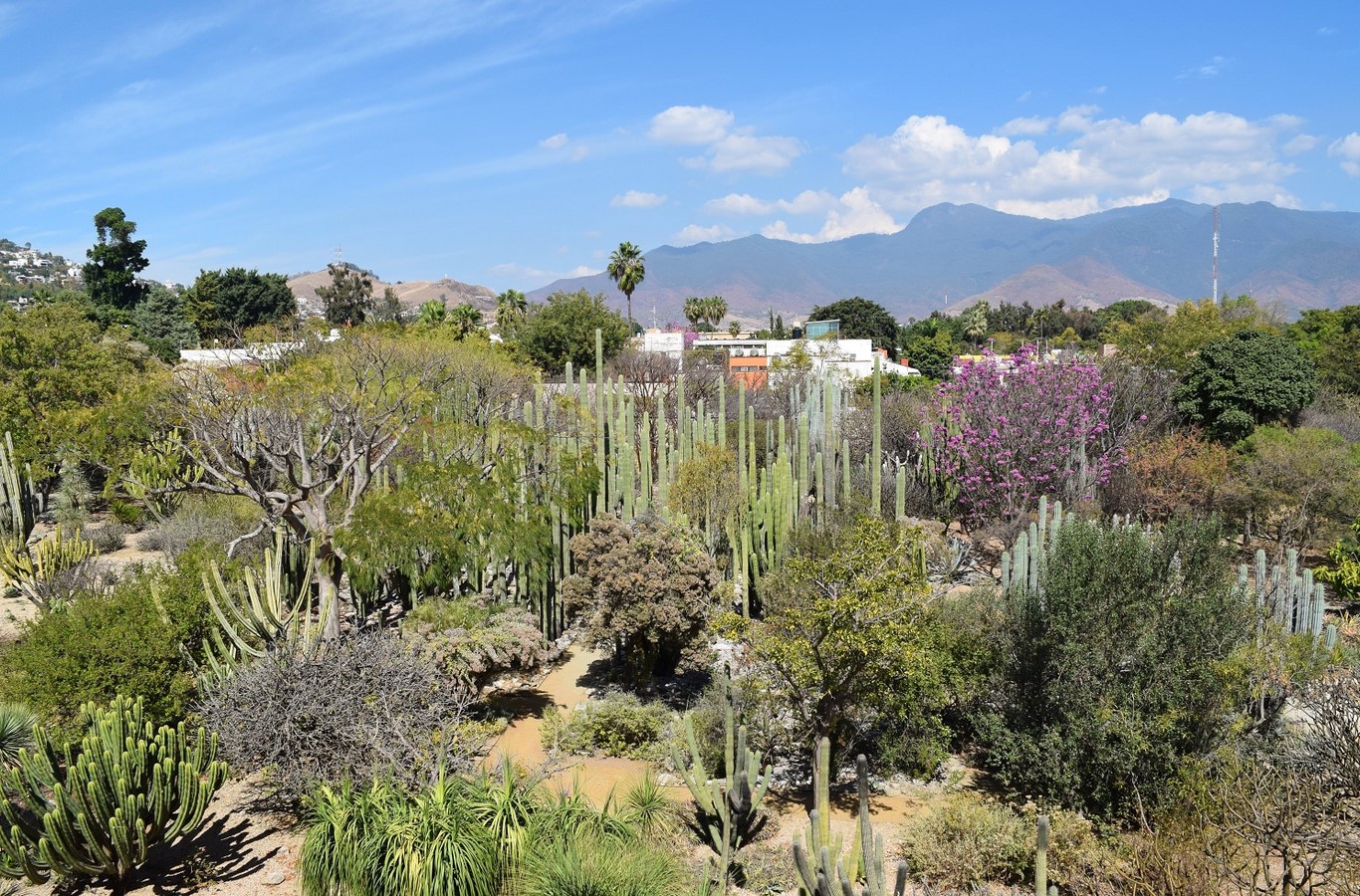
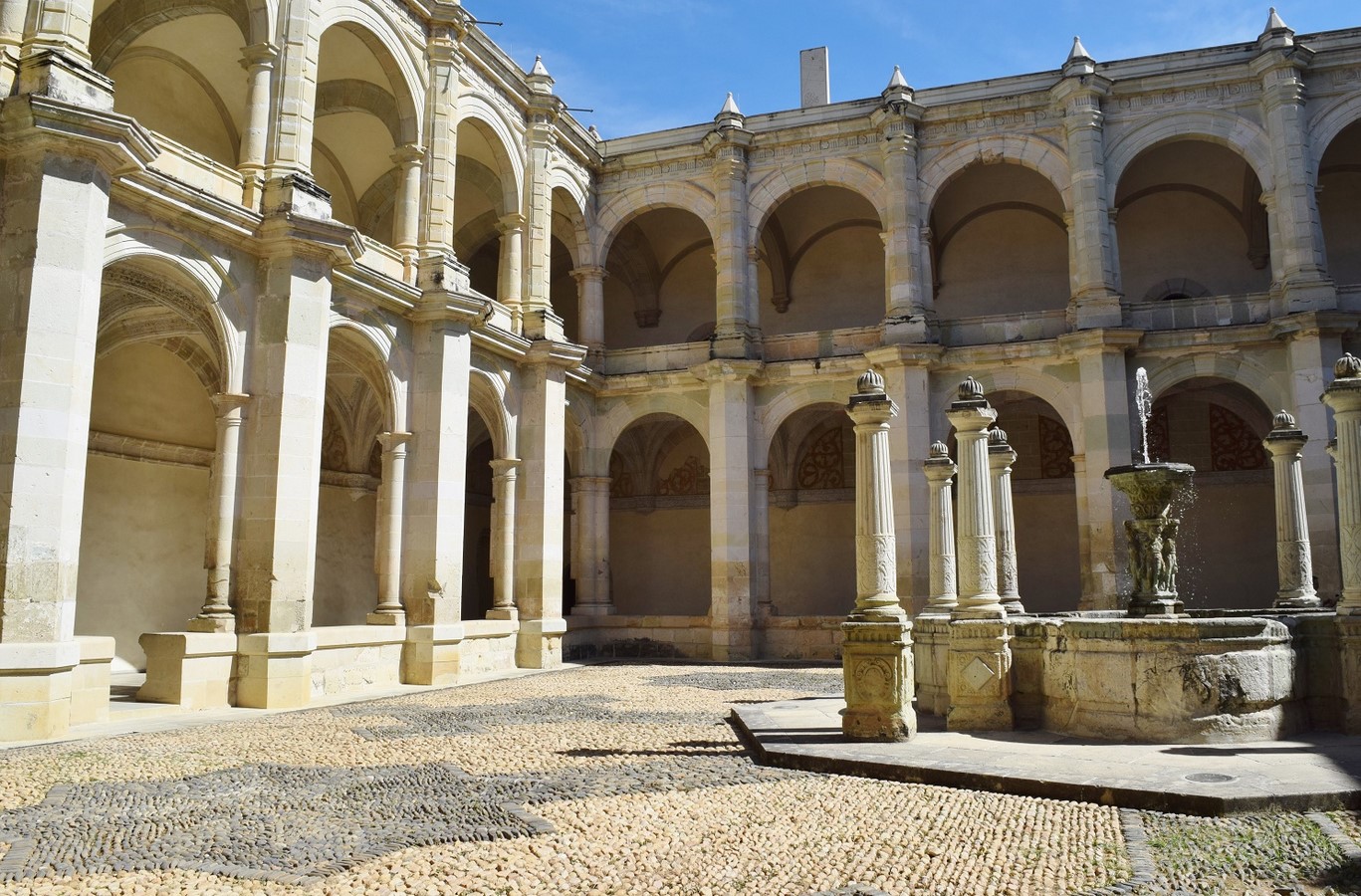
The complex consists of a church, garden, and a monastery converted into a cultural center, characterized by a baroque style of architecture. The construction of the church and the monastery was done over 200 years until the 18th century. The interior of the church possesses intricate ornamentation, upholstery in gold, and preserved artworks. The monastery then served as a military barrack in revolutionary wars while today, the cultural center exhibits the artifacts obtained from the Monte Albán parallelly the monastery garden was converted into an ethnobotanical garden.
6. San Pablo academic and cultural center
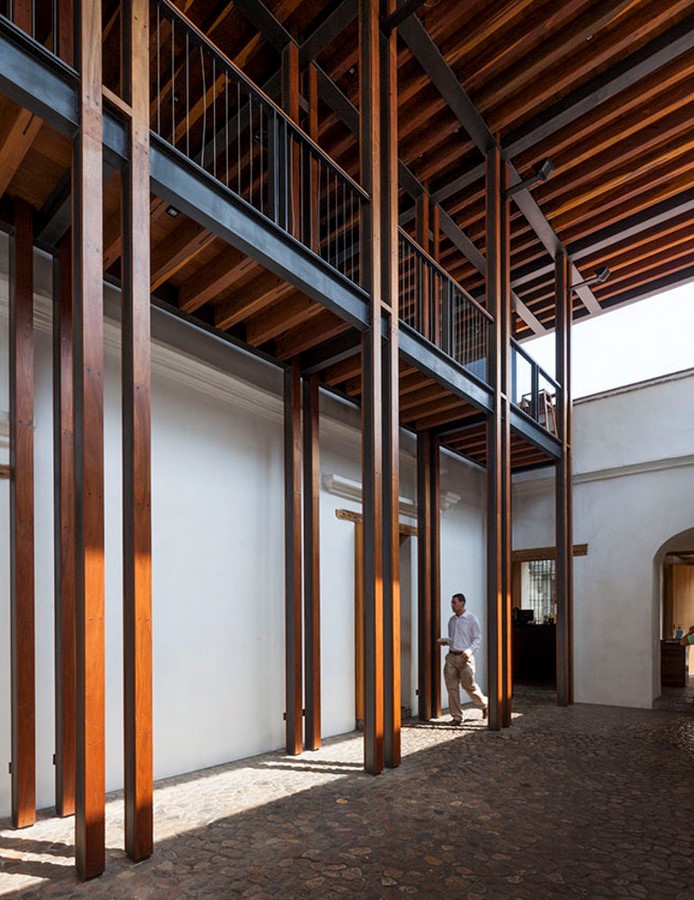
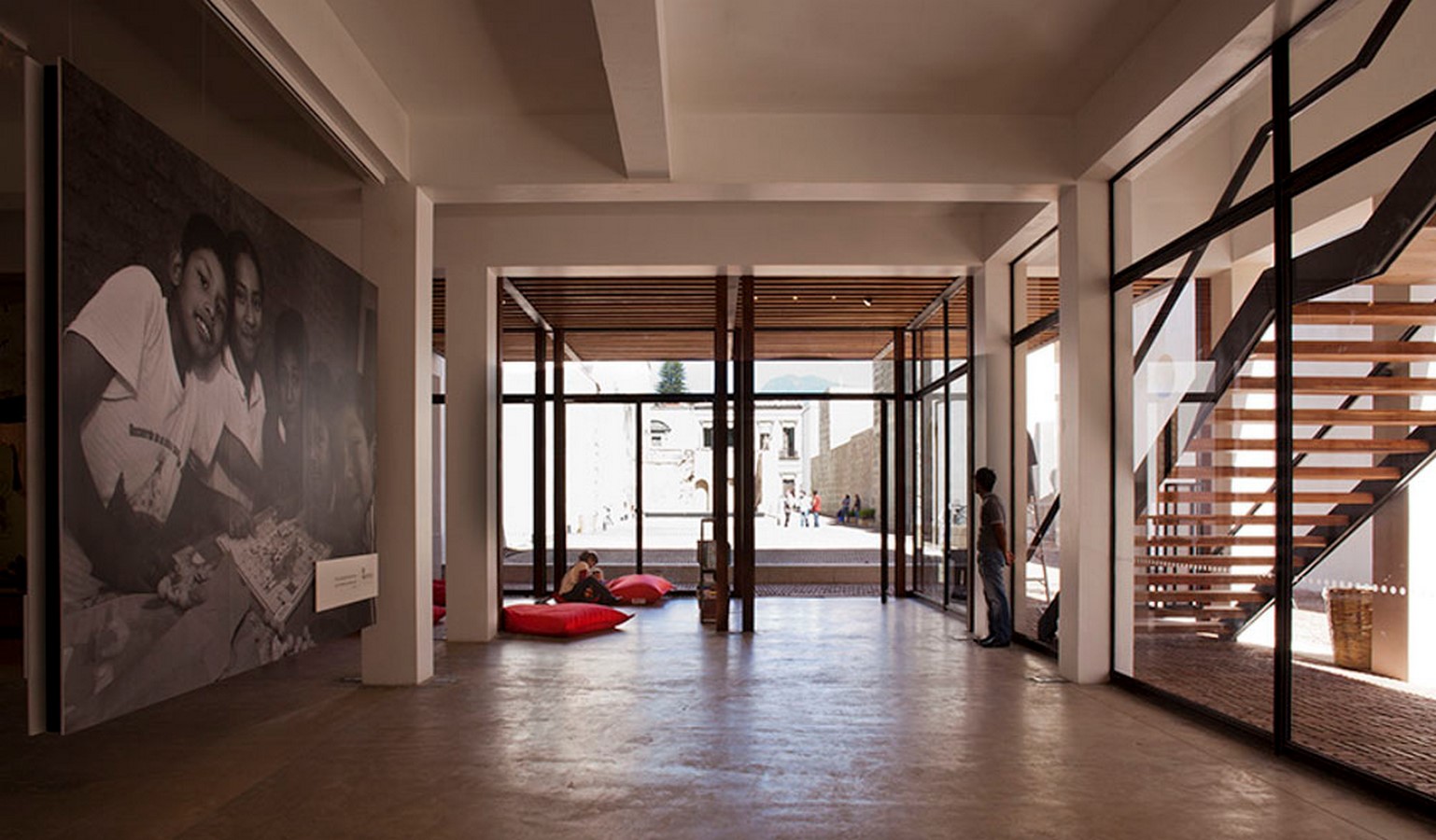
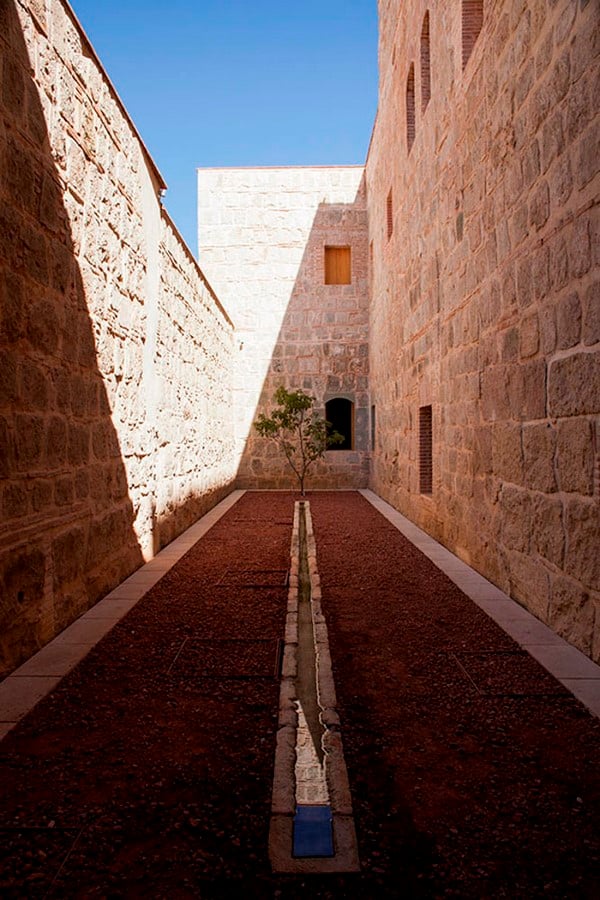
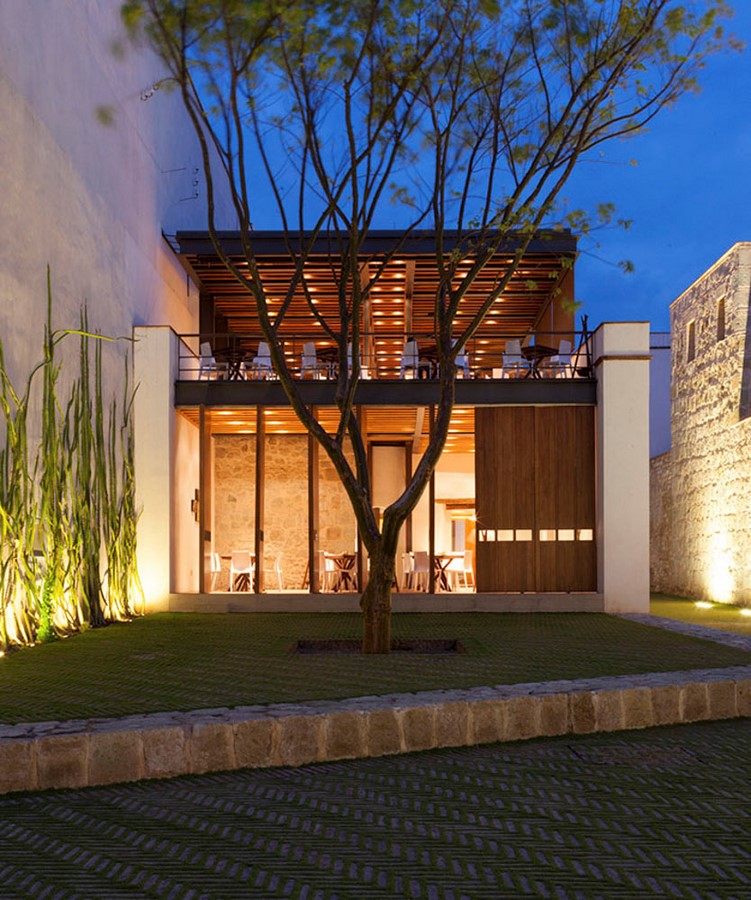
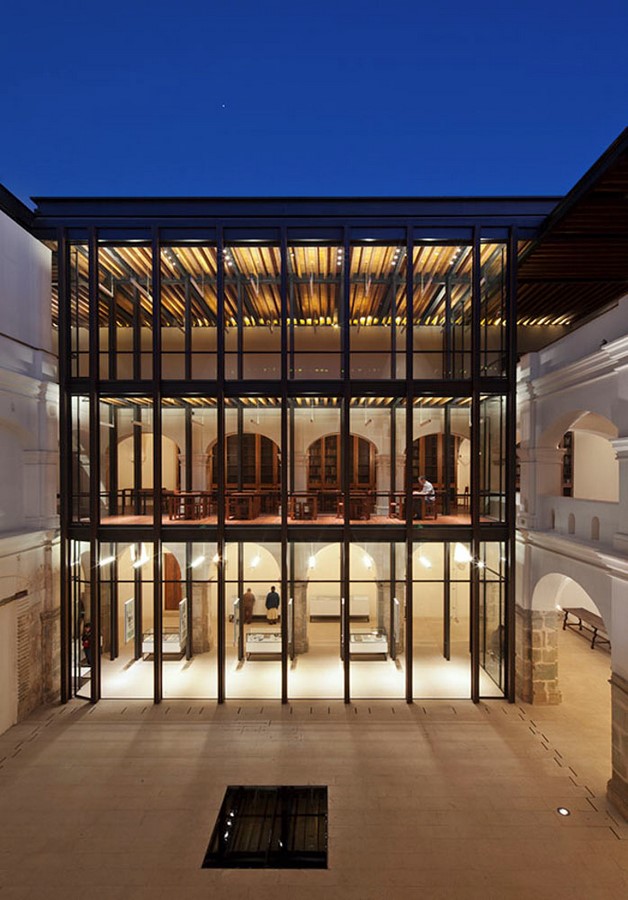
The center is an amalgam of Spanish colonial architecture and contemporary elements. The restoration process consisted of eliminating the components except for the fundamental structure with primary features, the introduction of floors, and dispositioning of spaces according to its functions and specifications; the spaces being exhibition center, library, reading room, archive room, courtyard, and outdoor meeting space. The contemporary steel framework, glass, and roofing ensure safety and comfort.
7. The Monastery of Santiago Apóstol, Oaxaca
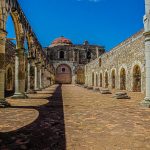
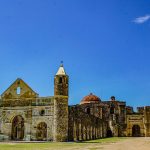
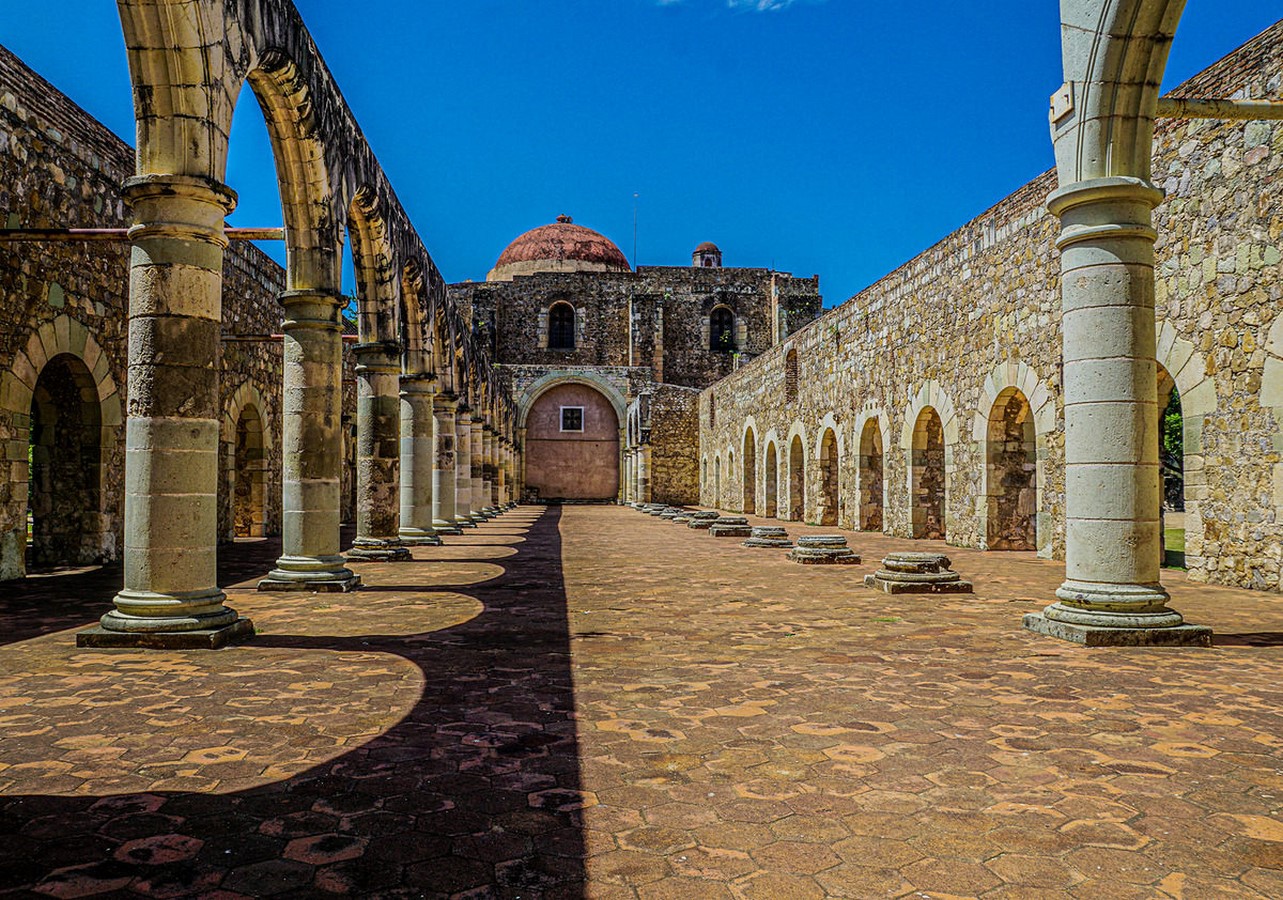
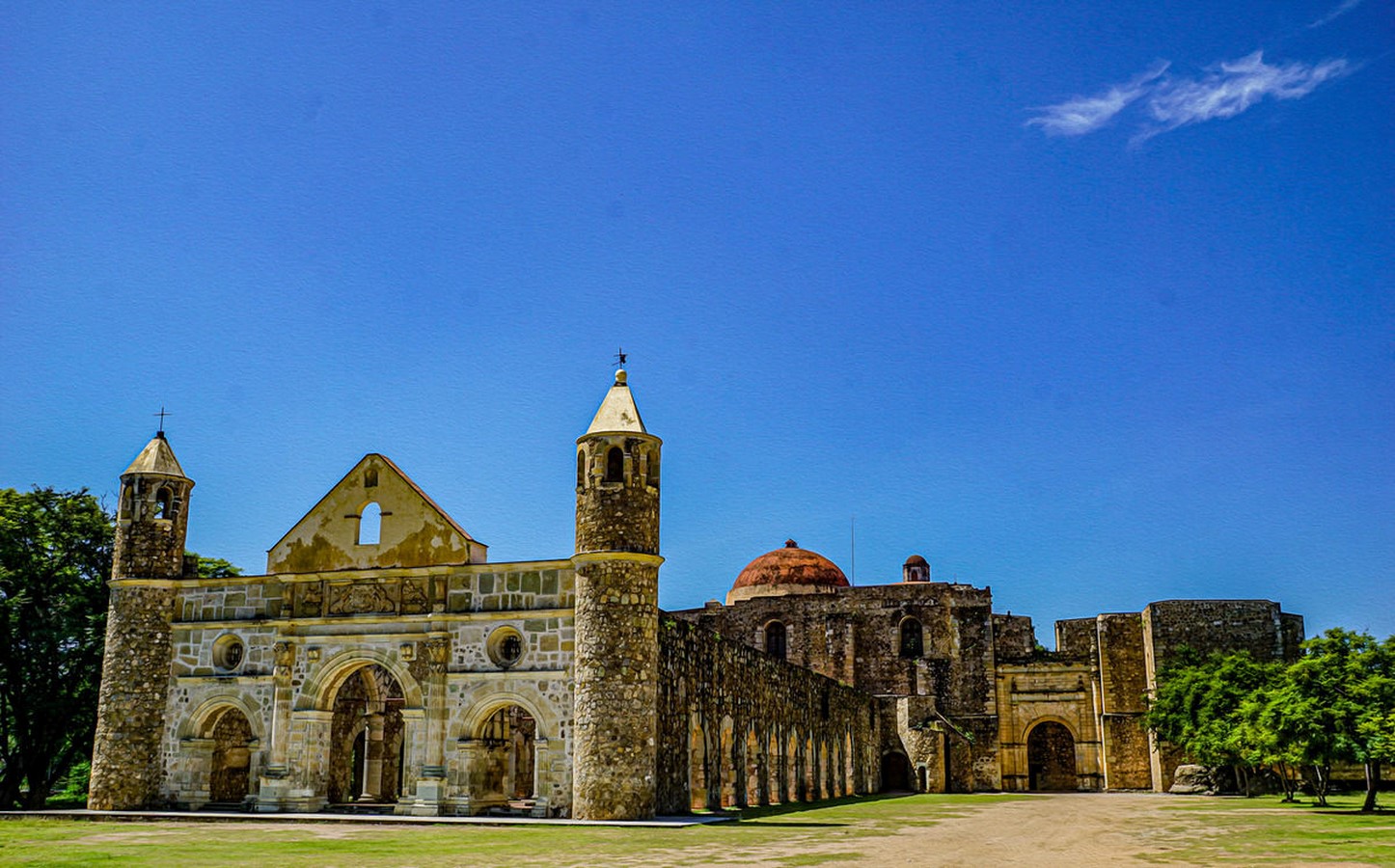
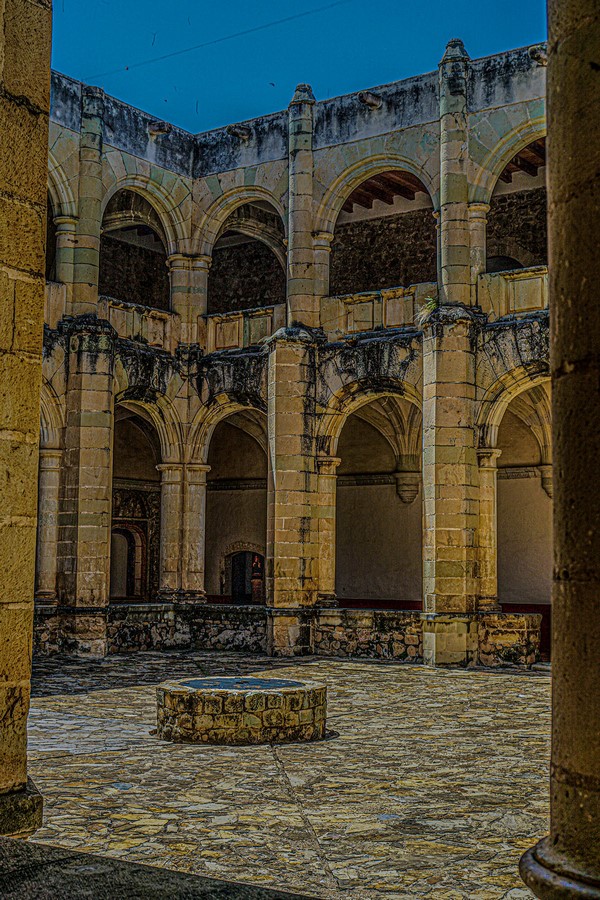
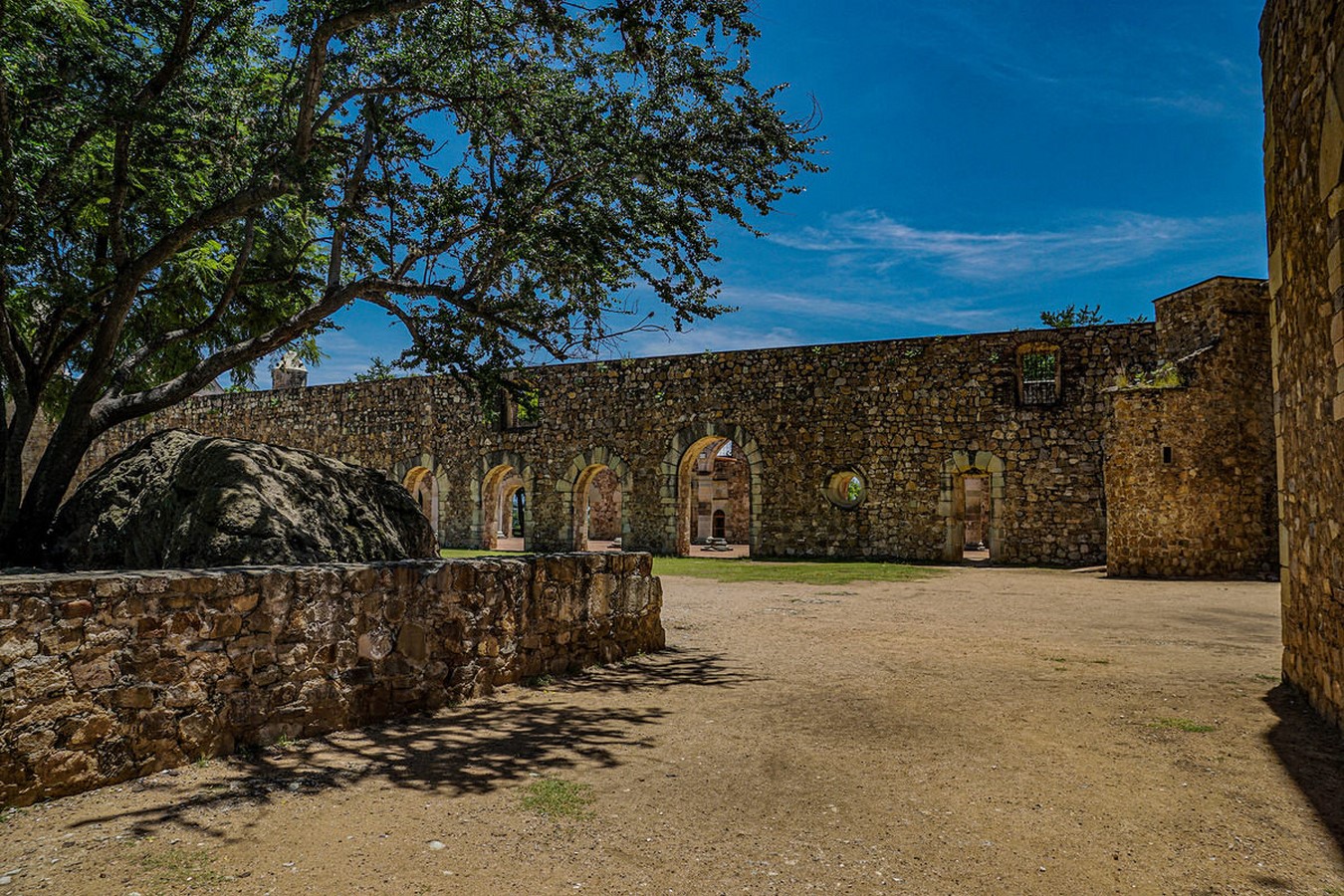
The complex consists of a complex and a monastery, whose construction started in the 1550s, however, it was never finished. Yet, it has been considered as a national monument due to the intrigue, architecture, and expression of gothic, renaissance, and plateresque styles. The basilica is open-air, with arches ornamenting its façade. The complex also includes a smaller church with a stark interior, accessed even today, and is a significant religious building.
8. Oaxaca Cathedral
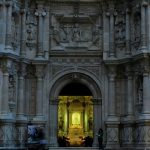
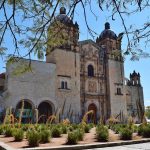
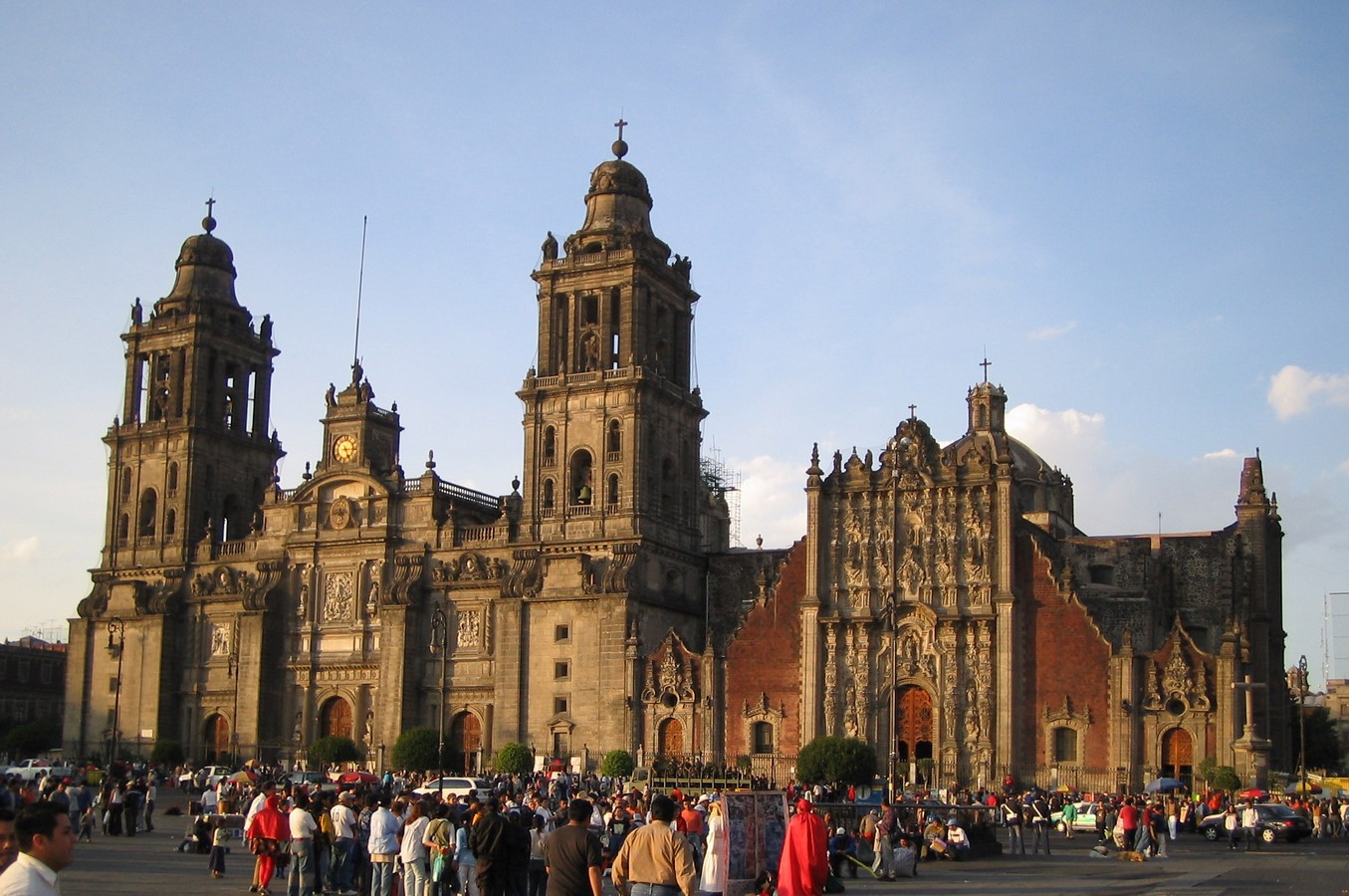
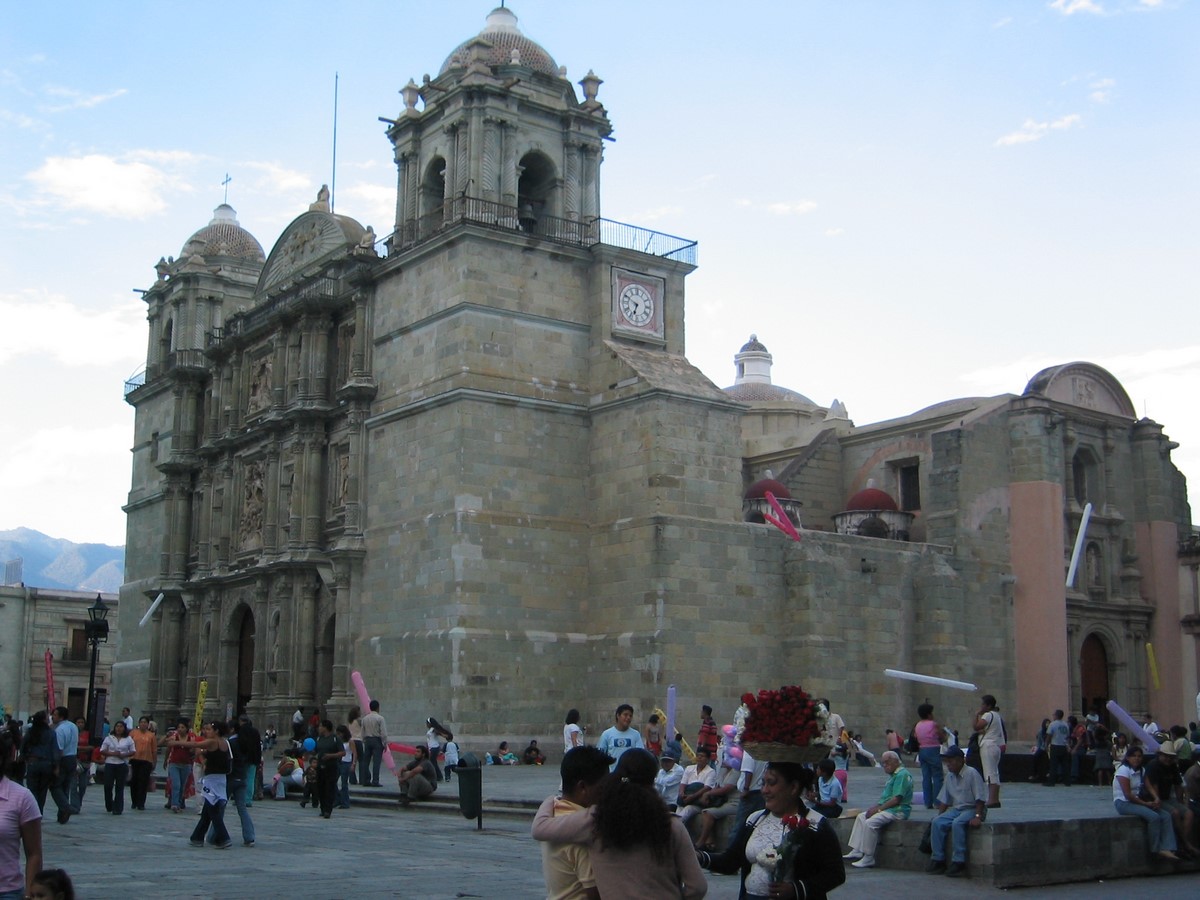
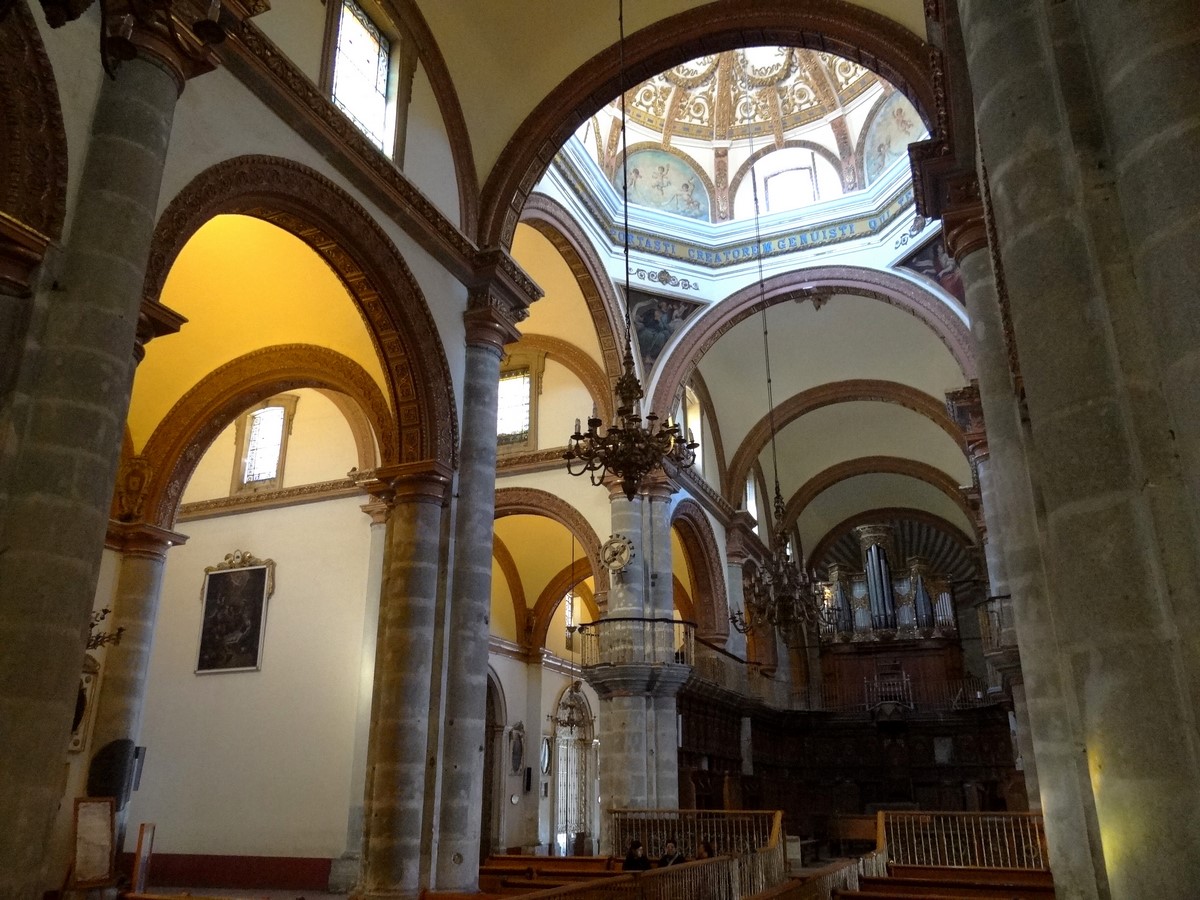
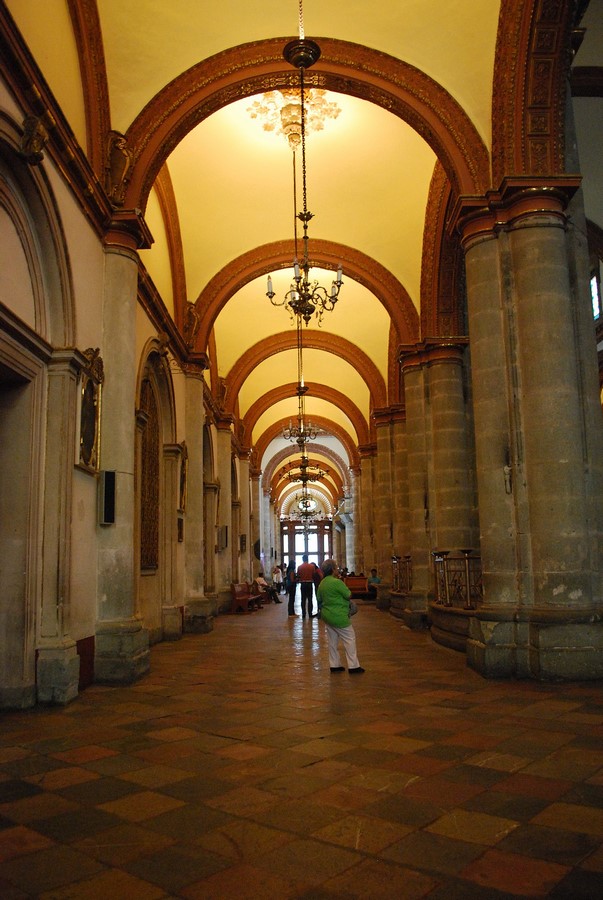
Sited in the center of the city with a plaza at the front, the Oaxaca Cathedral plays a vital role in both, historical well as cultural heritage of the city. It is a baroque style architecture constructed out of the green cantera stones and has two bell towers along its sides at the front. In the interior, the church highlights a neo-classical style and has paintings hung on its wall, arches highlighted by paint and carvings, and the statue of Our Lady of the Assumption.
9. Basílica de la Soledad
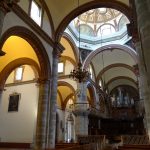
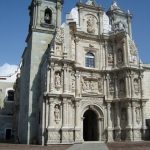
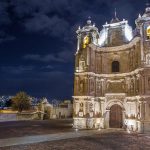
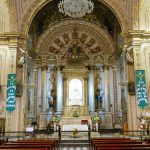
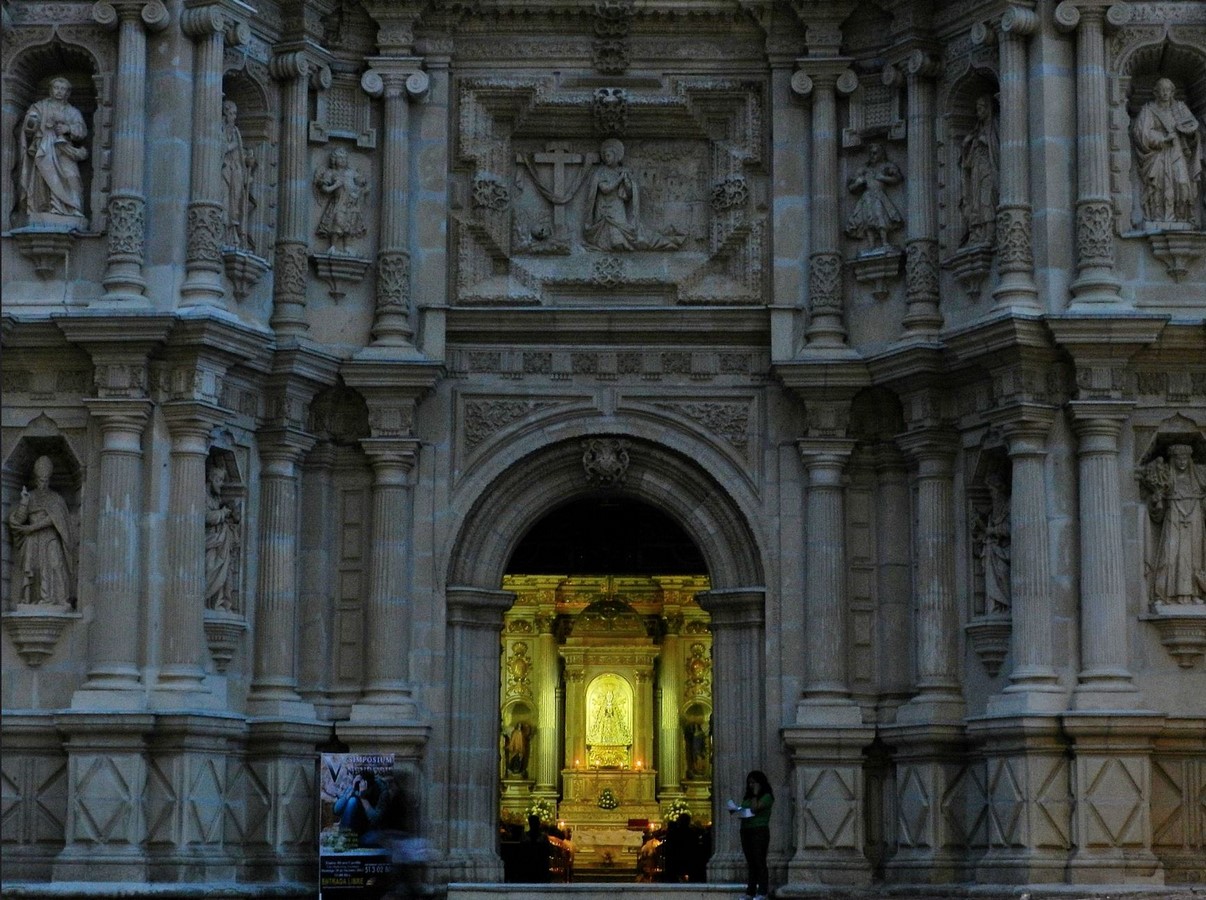
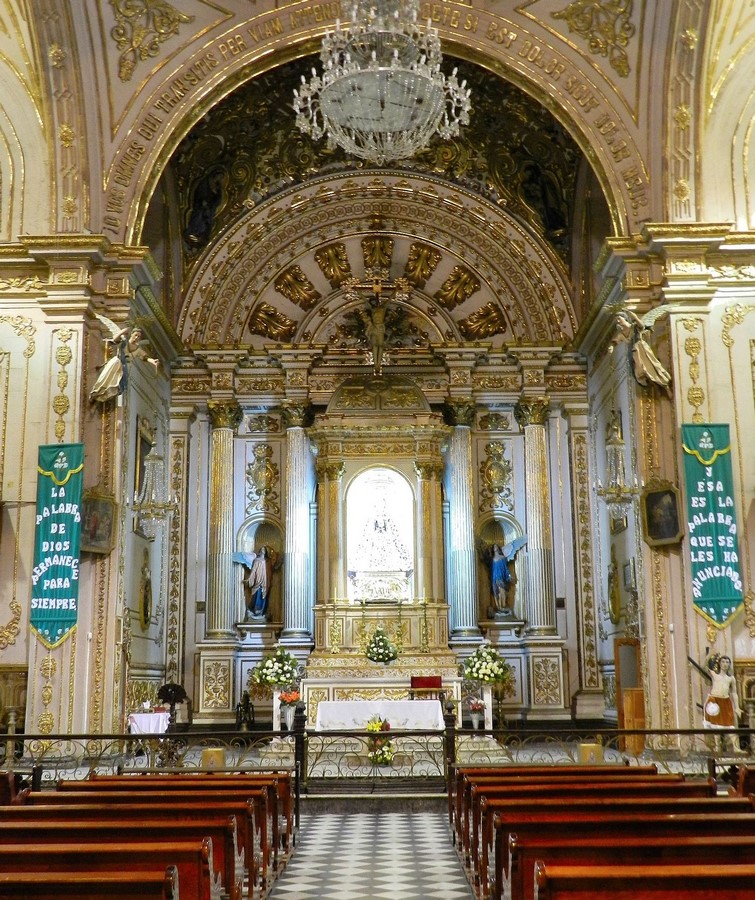
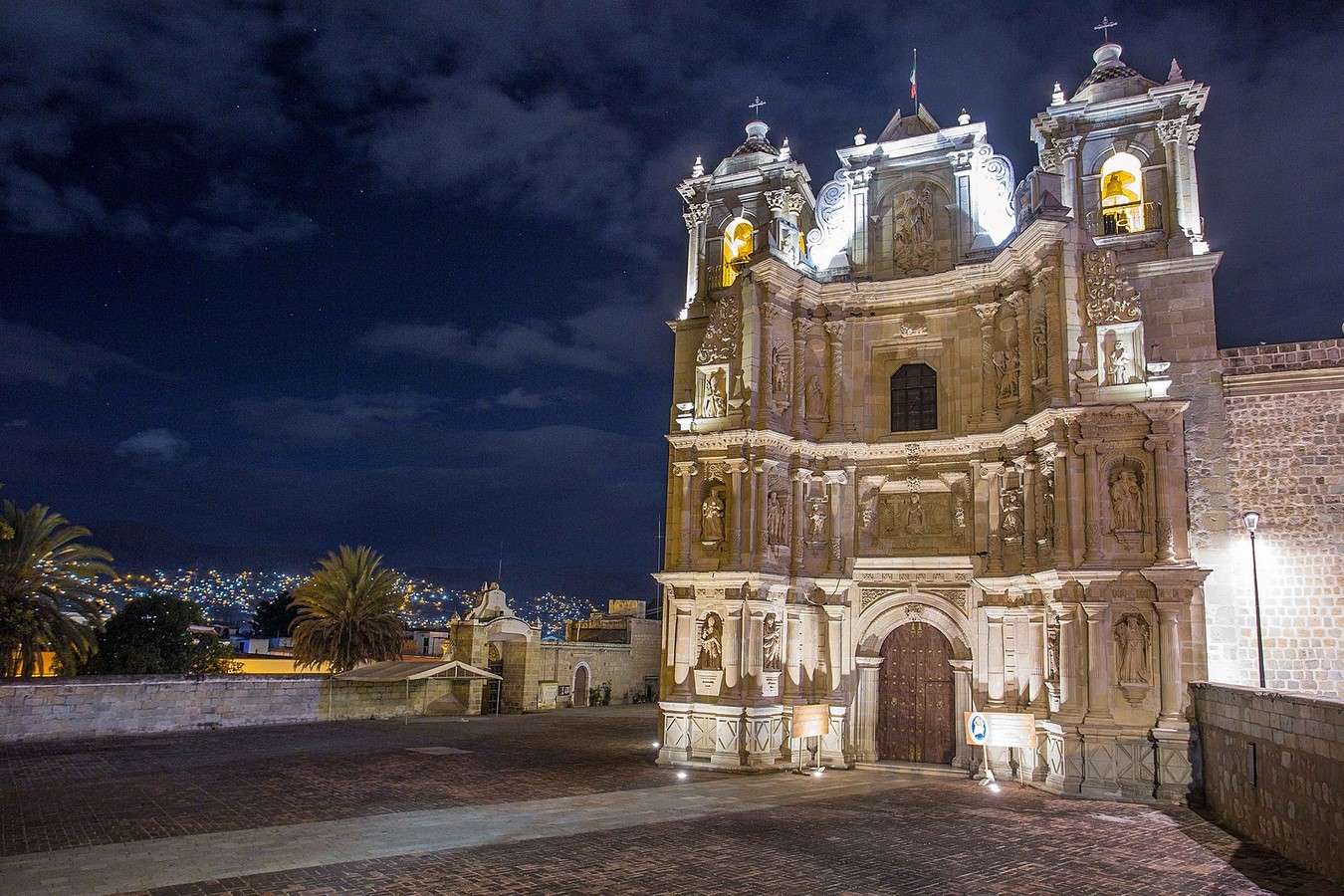
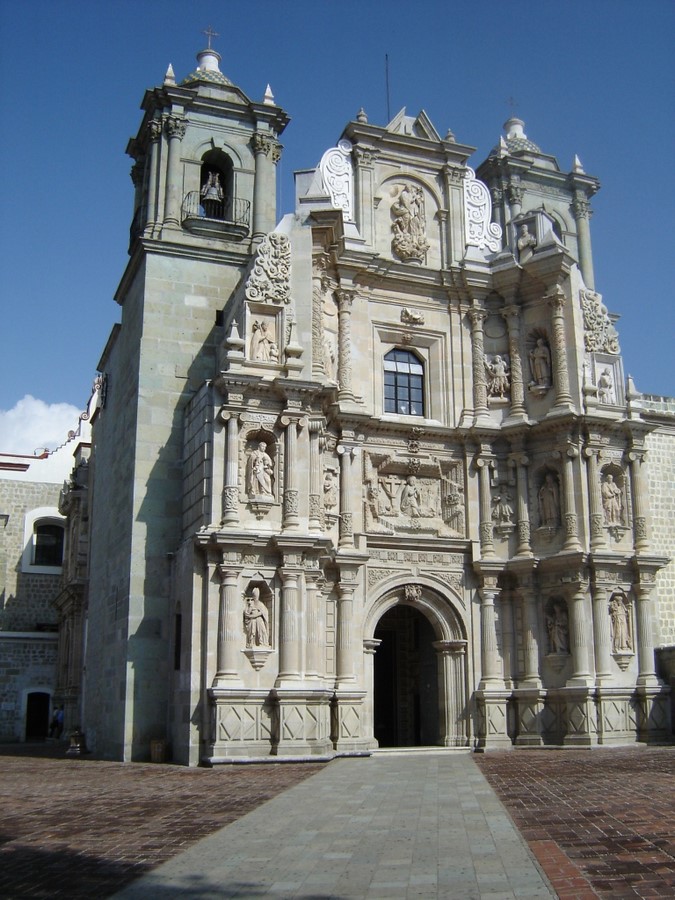
It is a typical baroque style basilica and stands out for its distinct structure of front façade, and the interior with extensive gilding, however, the rest of the façade has been kept stark and unembellished. At the rear side of the basilica, a museum has been established which exhibits metal sheet sculptures.
10. Andador de Macedonia Alcalá
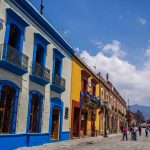
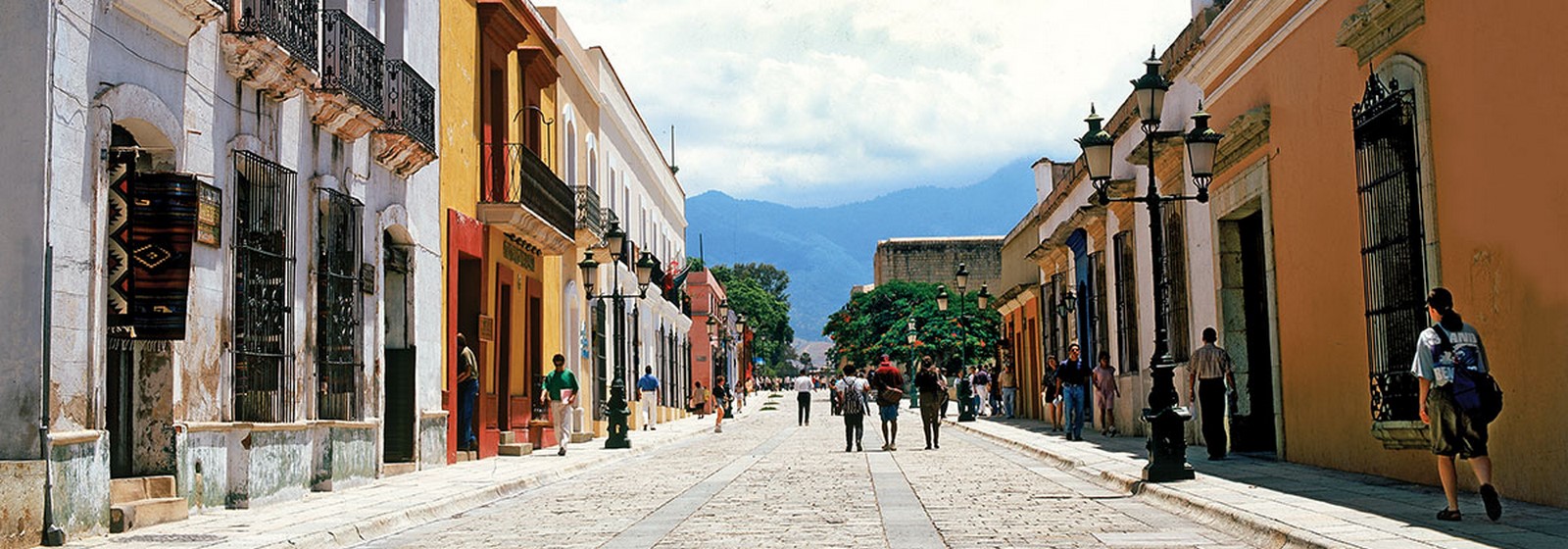
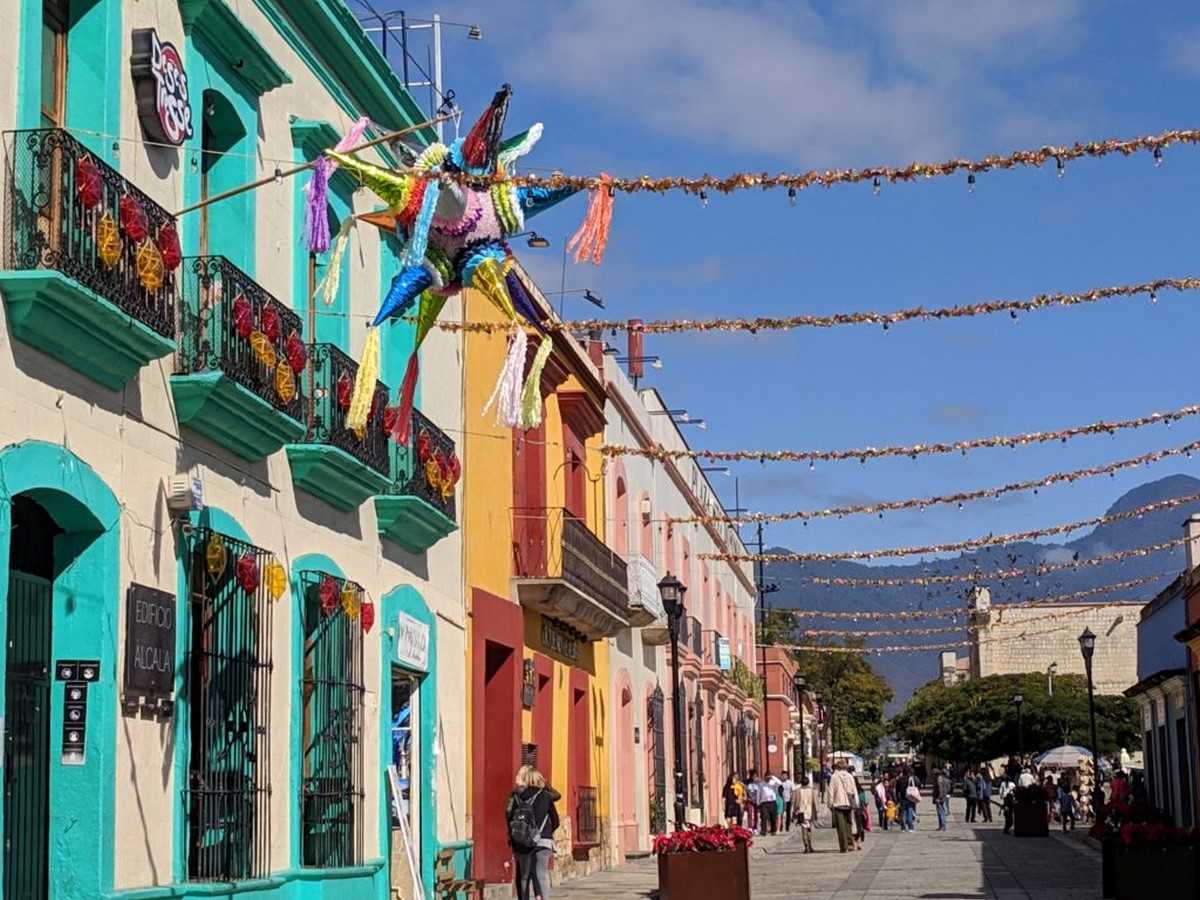
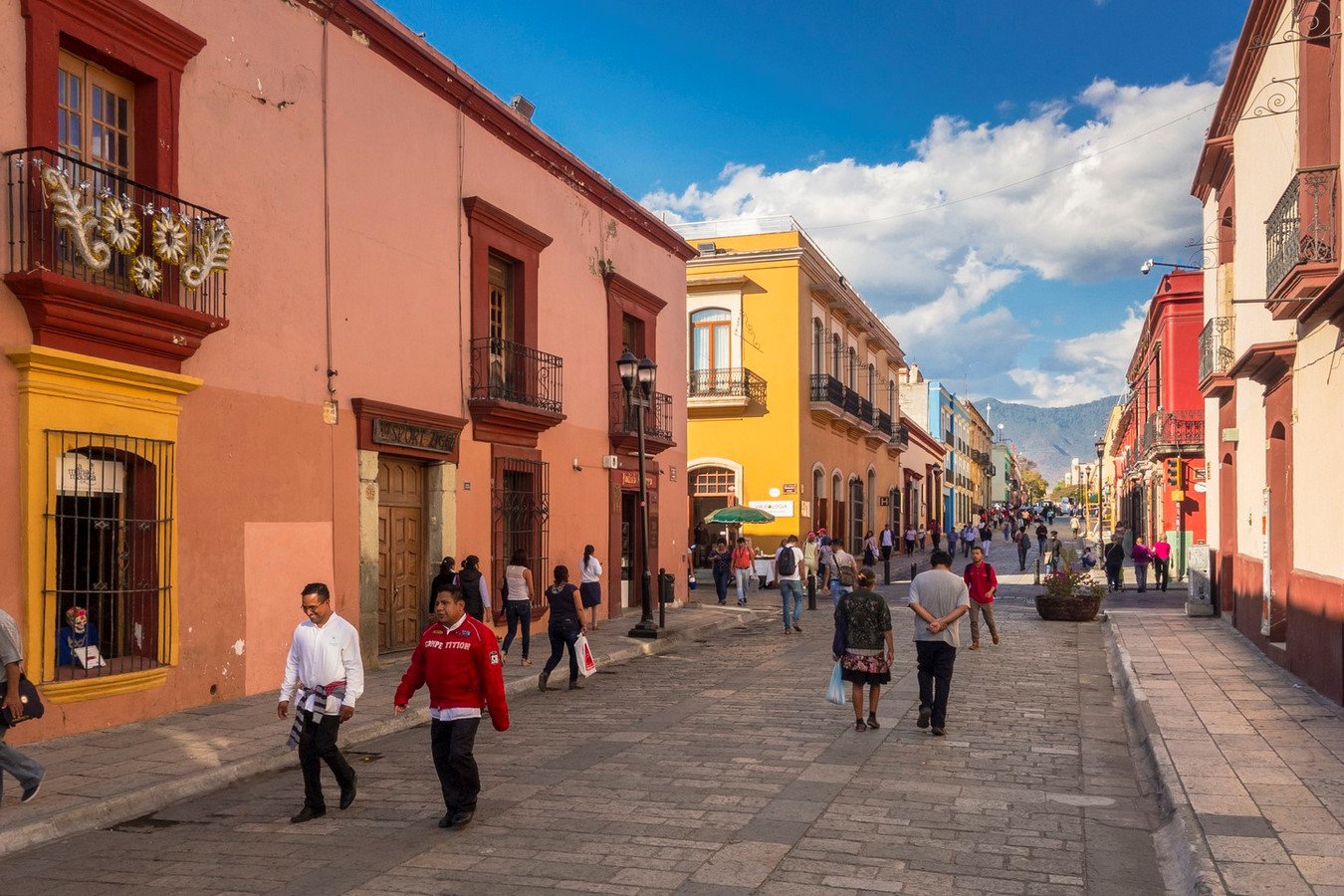
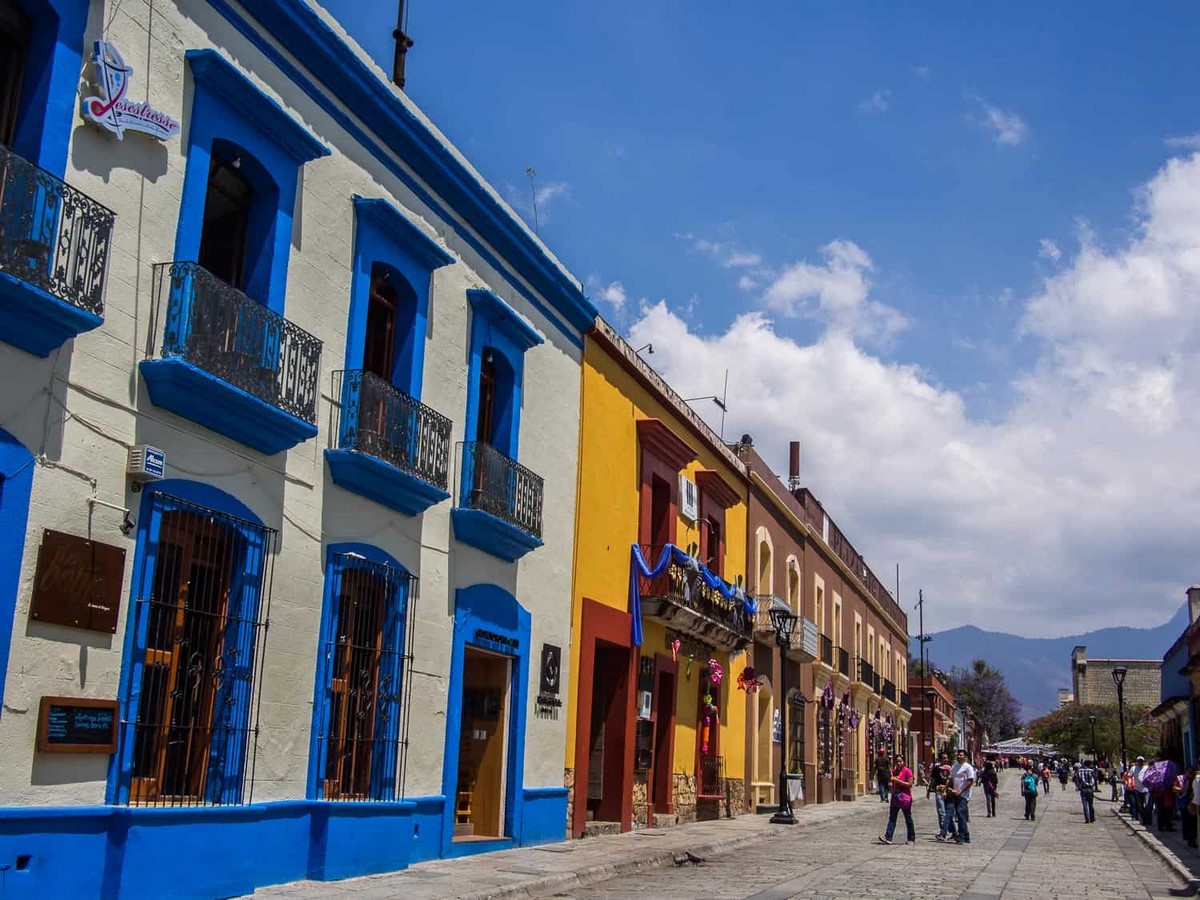
Andador de Macedônia Alcalá is a pedestrian street displaying the heritage of Spanish – colonial architecture on either side while linking the Church of Santo Domingo and Zócalo, the city square. The vivid colors of the facades, craft shops, restaurants, food stalls, galleries, and museums, music played on the street, and the view of churches offers an insight into Oaxaca’s culture and becomes a buzzing and vibrant cynosure of Oaxaca.
11. Zona Arqueologica de Atzompa
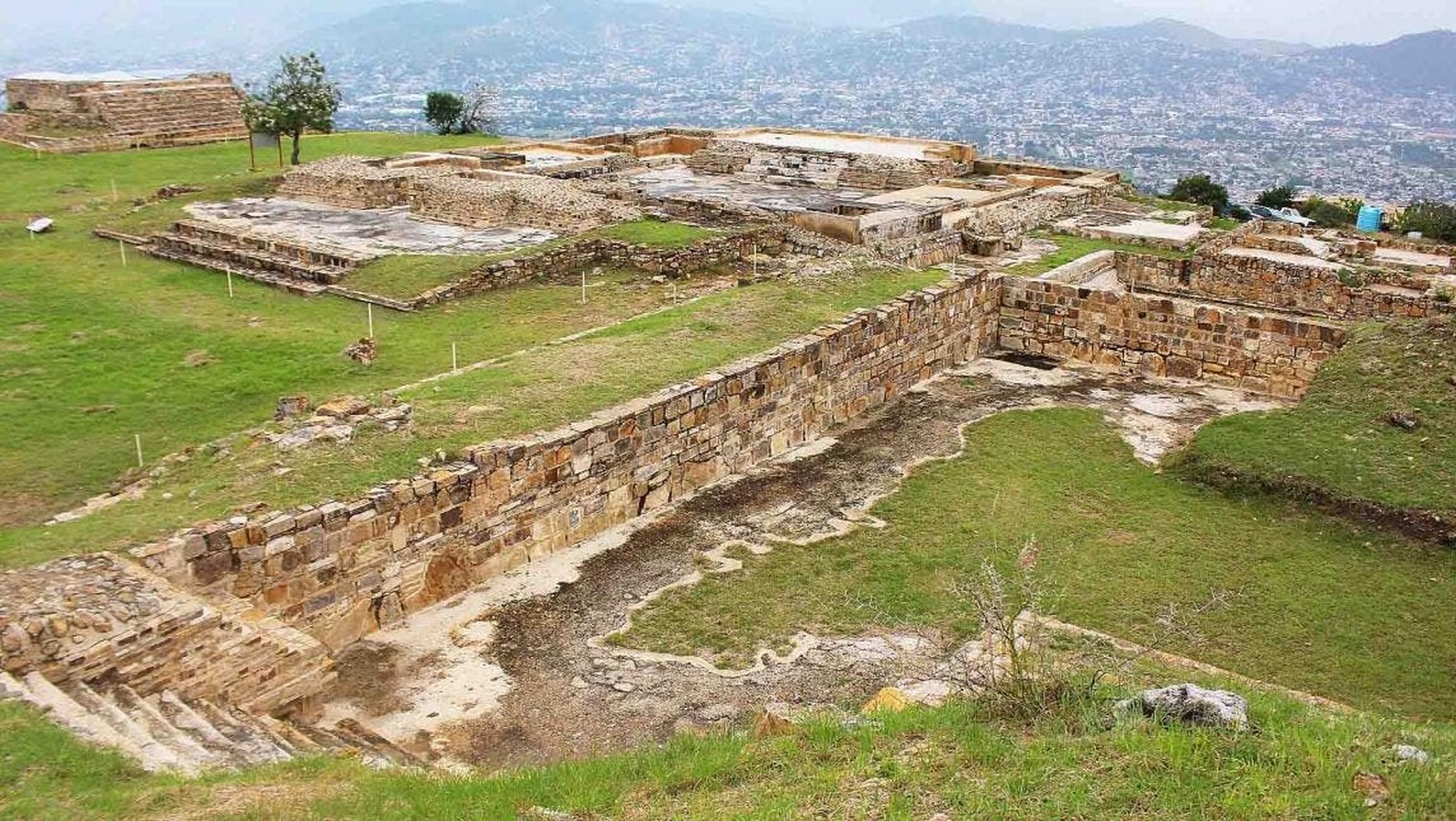
An archaeological site near Monte Alban, Zona Arqueologica de Atzompa was a 4 square kilometer large satellite city built during the Late Classical period and comprises ball game courts, residences, a shrine, squares for ceremonies, tombs, and cultivation areas. Unlike the other sites and their structures, the facades of the structures in Atzompa had no intricate work, rather were kept elementary.
12. Casa Wabi art foundation
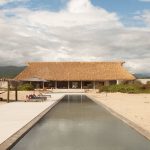
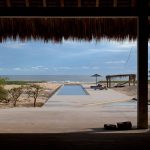
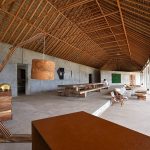
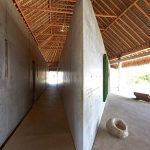
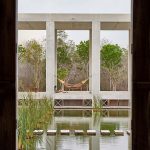
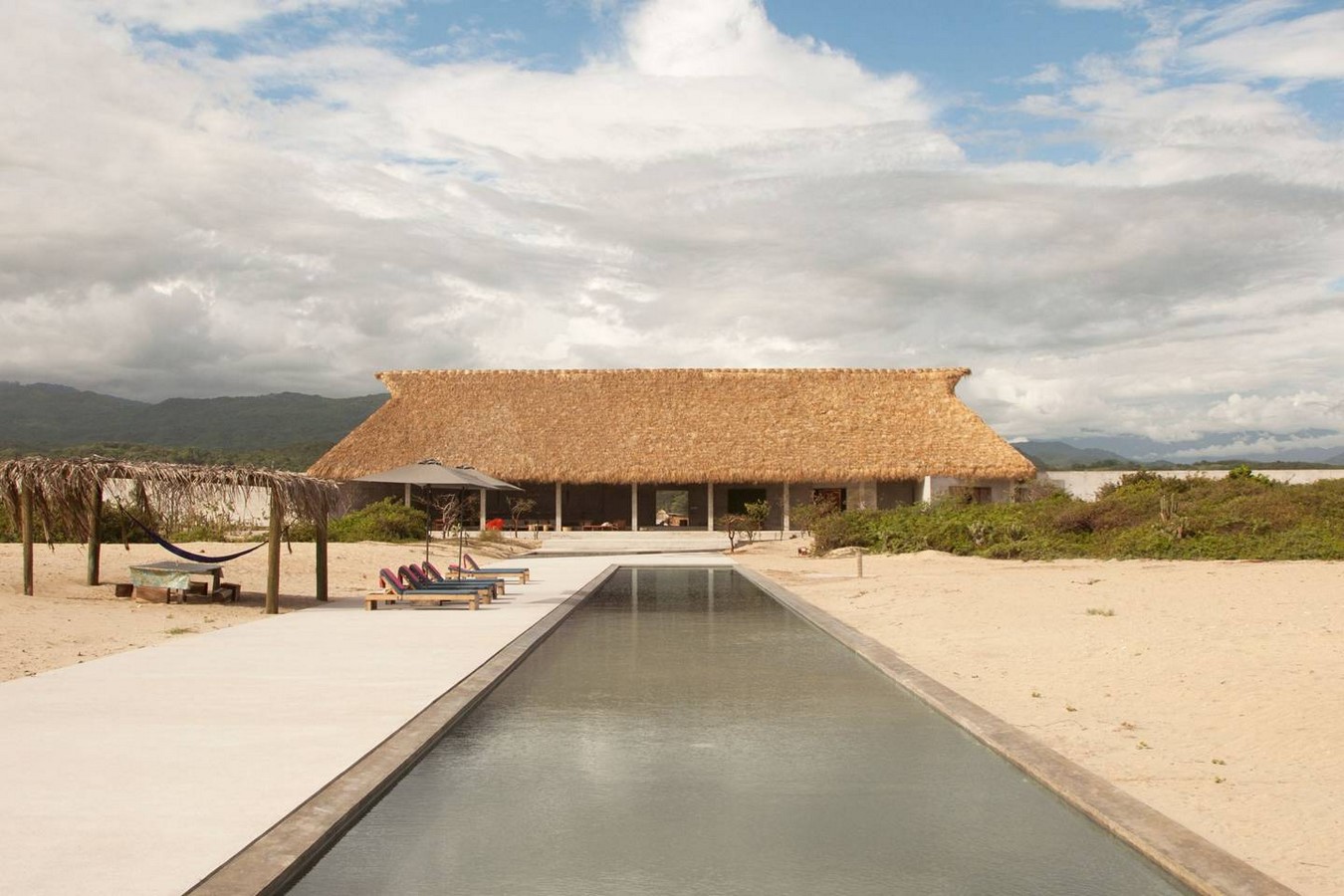
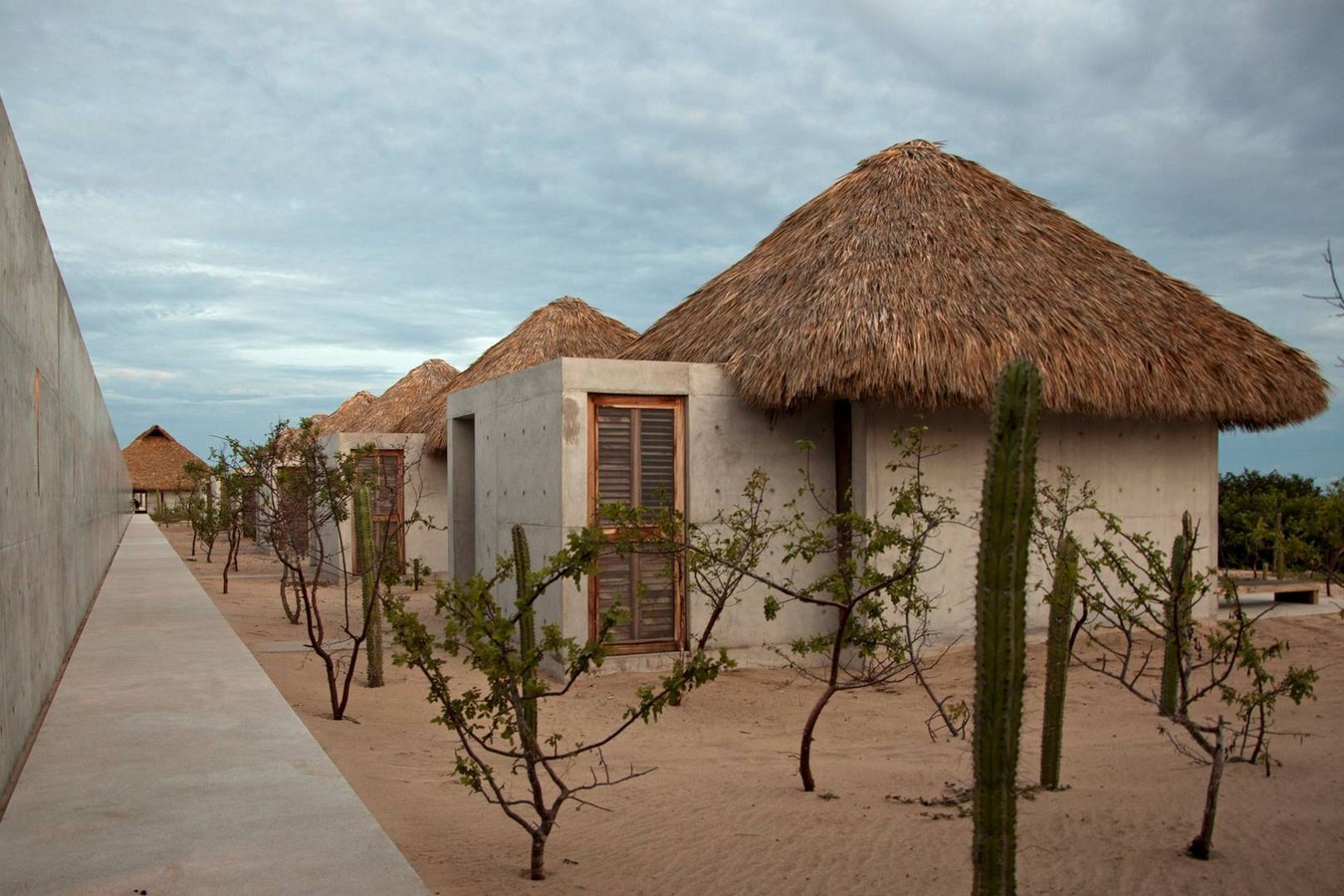
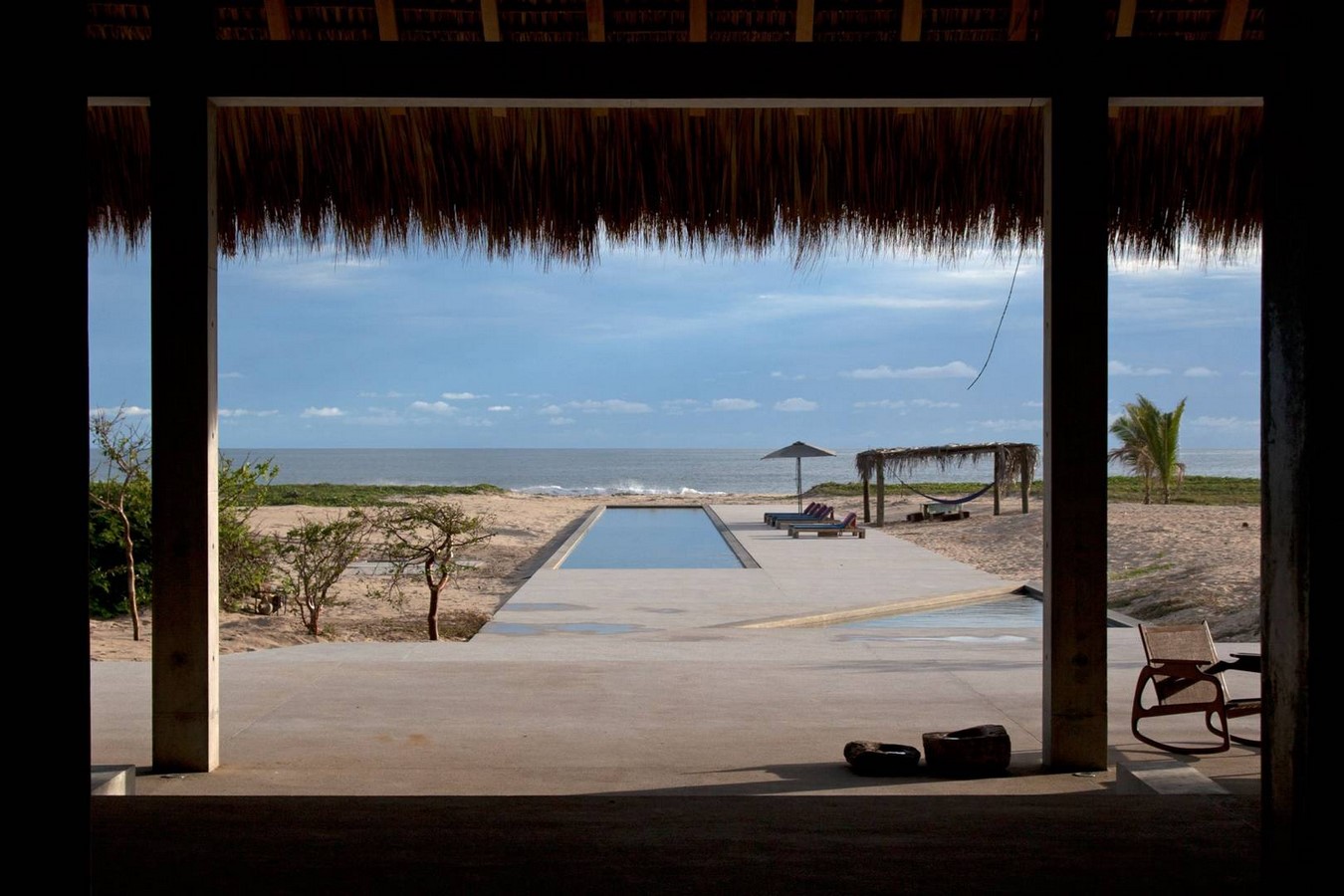
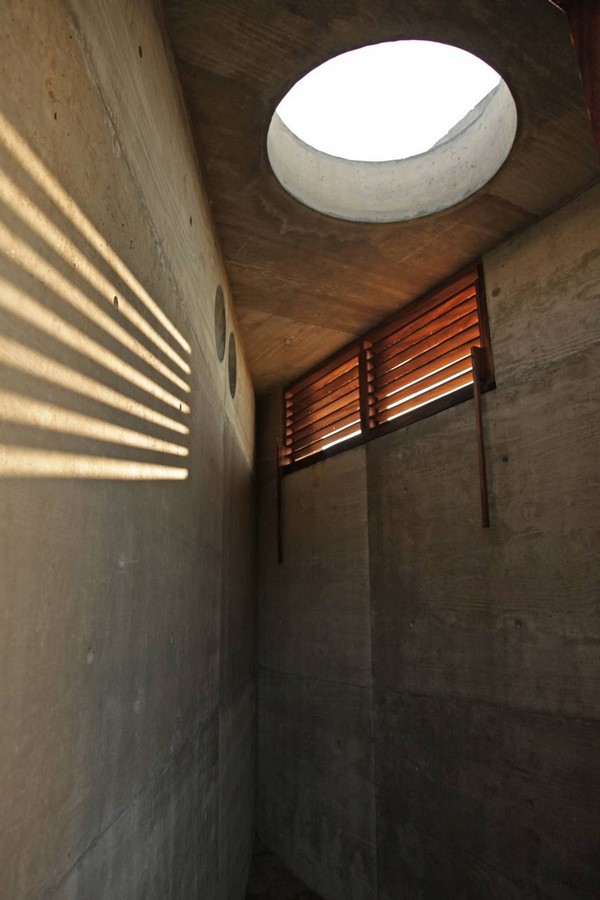
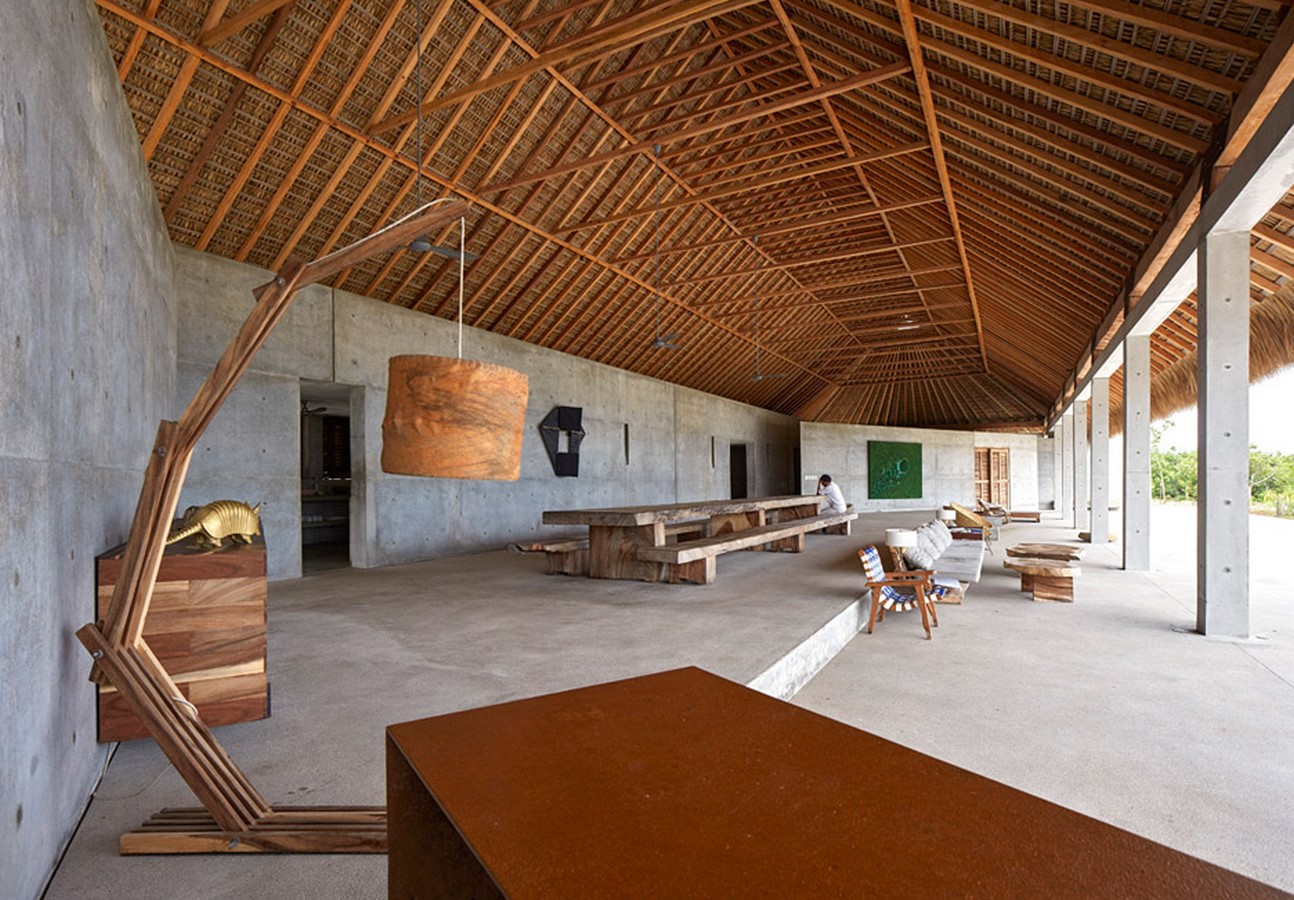
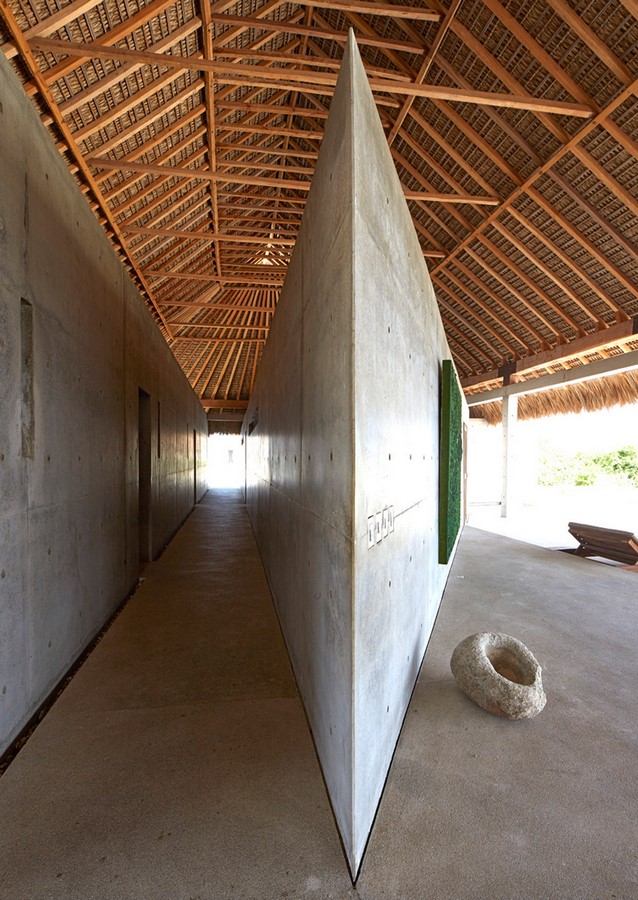
The art foundation was designed by architect Tadao Ando as a home and an art center along the coast of Oaxaca. The raw concrete and its approach in the design bespeaks the modern style of architecture while the roof made of Royal Palm trees over the timber truss and the inclusion of water bodies into the design corresponds with the vicinity and the vernacular architecture. The circulation path of the structure is alongside a 312 meters long single wall which distinguishes the public and the private zones. The public spaces in both, home and the foundation are kept semi-open, harmonizing with the beach and nature.
13. Plantel Matilde
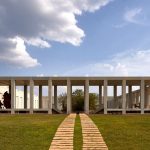
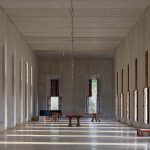
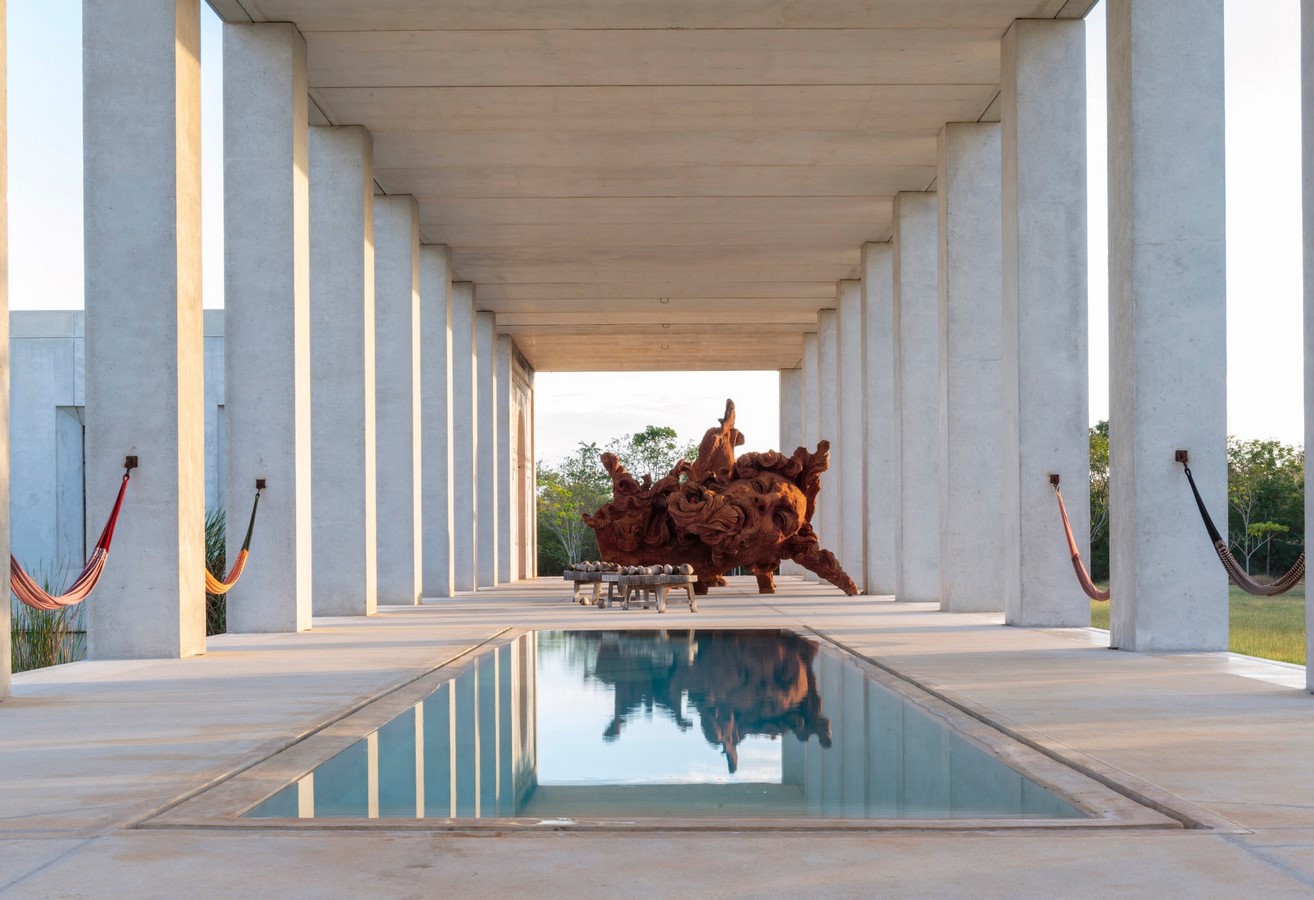
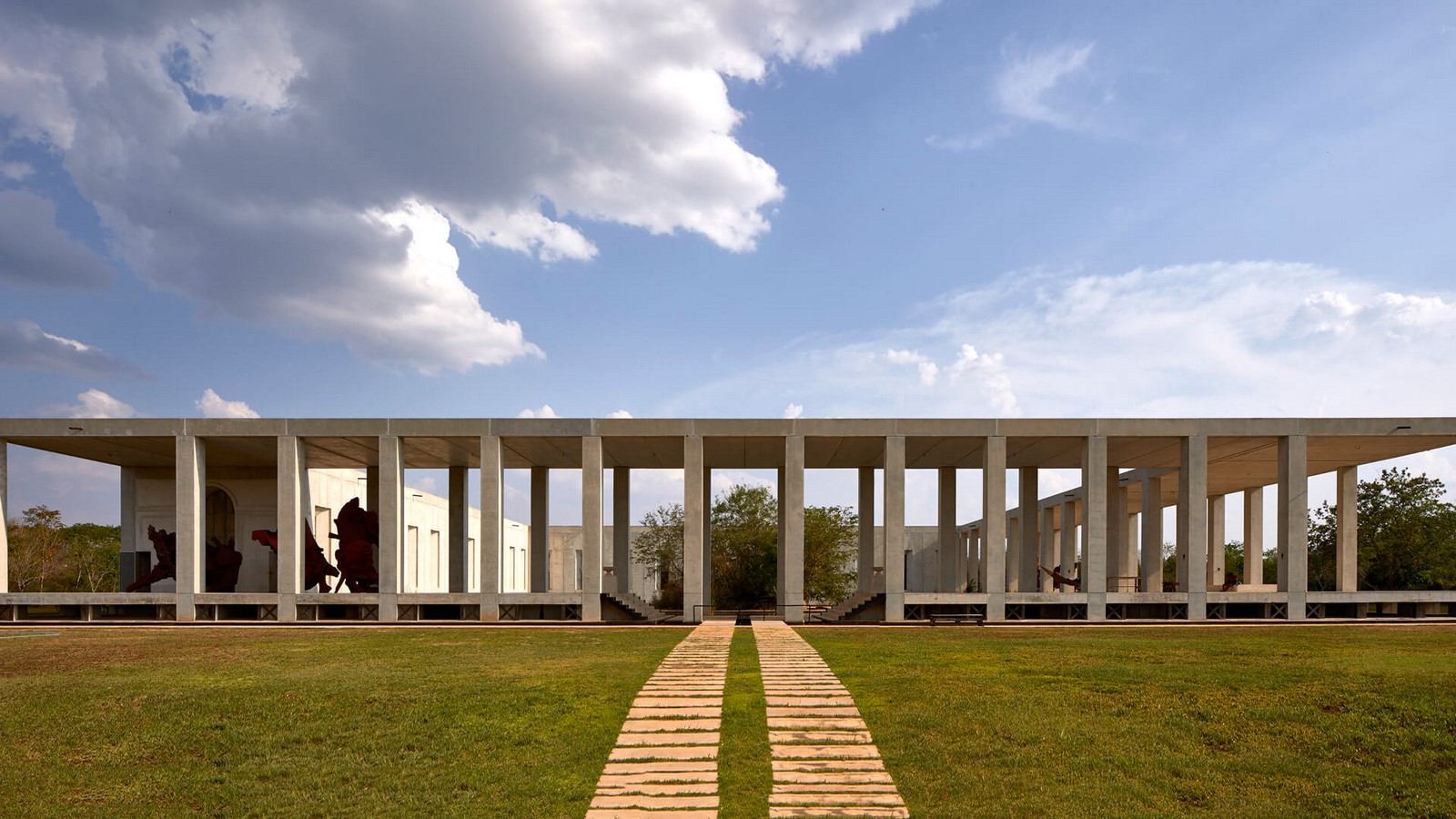
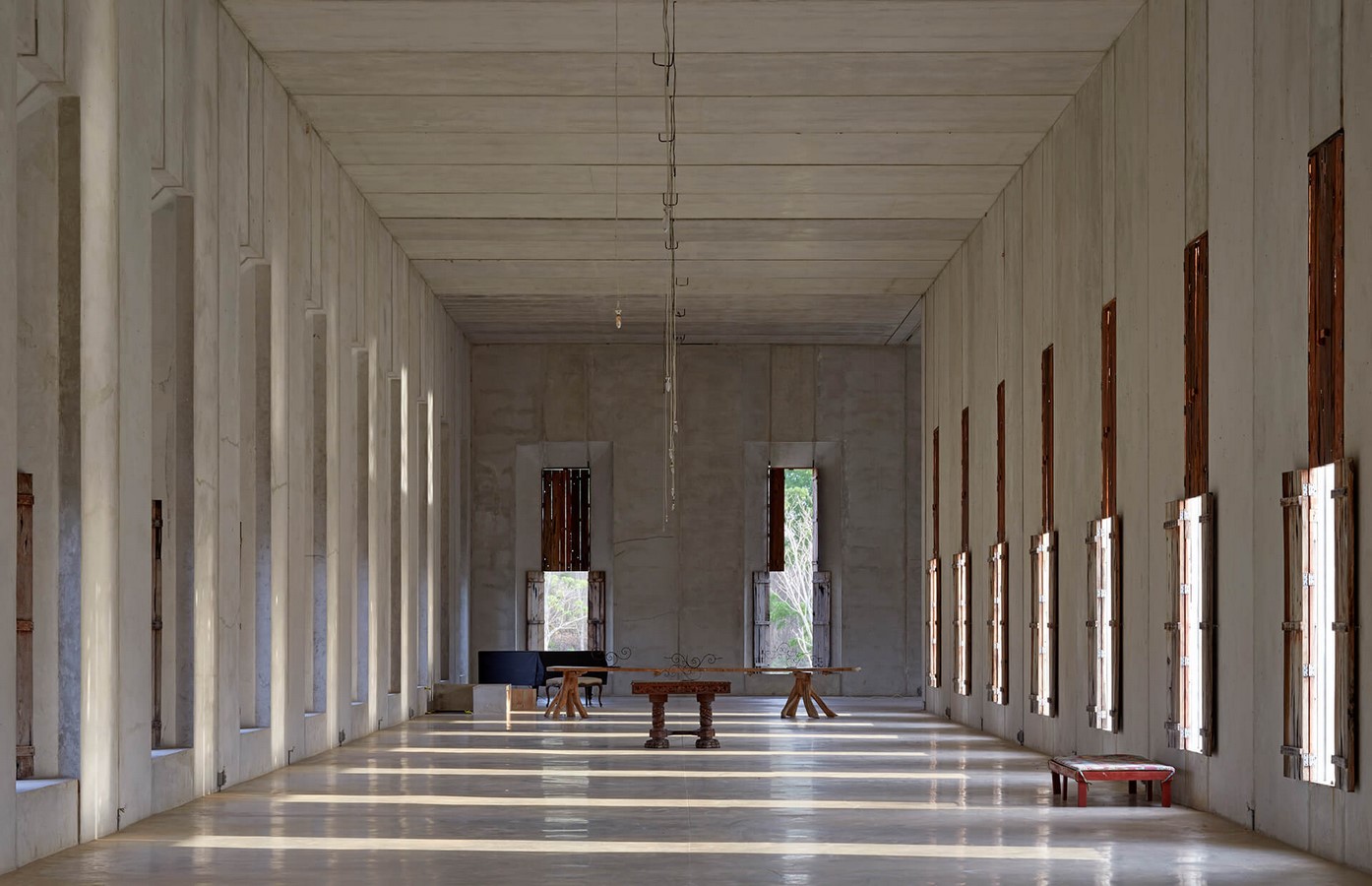
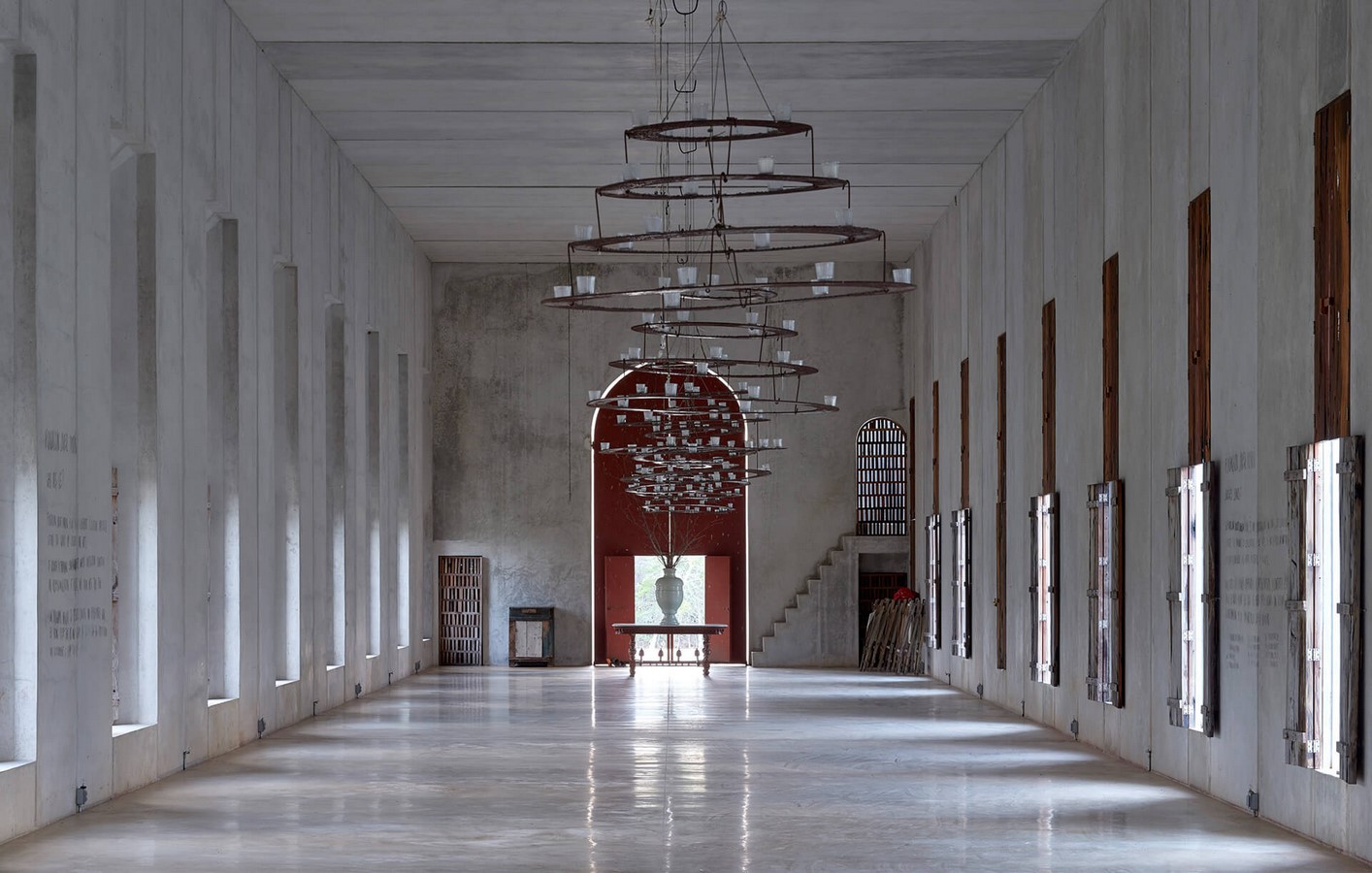
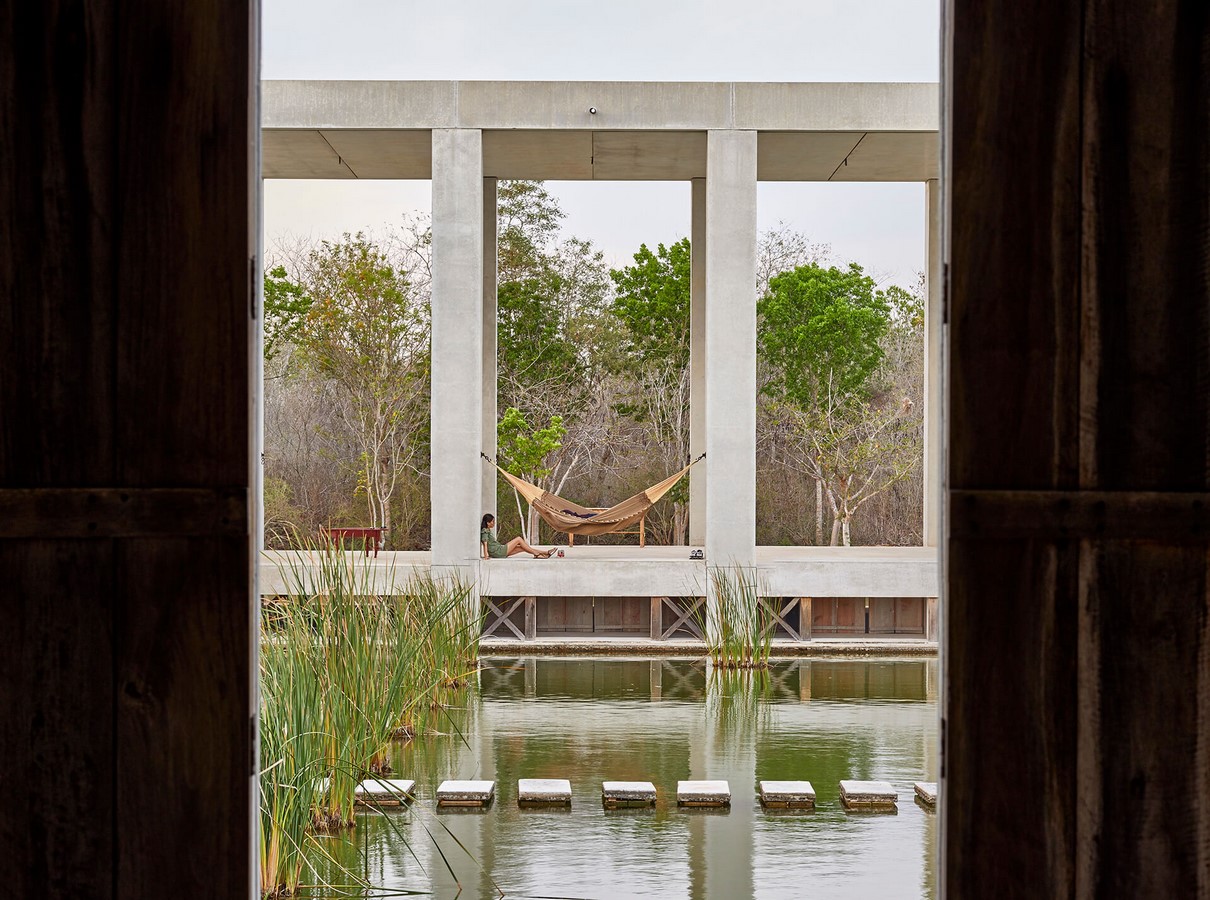
Plantel Matilde is an art center with a gallery and a sculptural studio aiming to generate an experience stimulating a process of cognition and introspection. While the raw texture of the façade, symmetry in the design, semi-open spaces created by the colonnades, and the central water body manifest the contemporary aesthetics, correspondence with nature, and minimal intervention. There was an effort in keeping the structure low maintenance and sustainable hence passive cooling methods were incorporated in the design.
14. Yagul Ruins
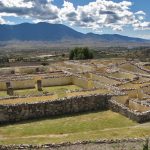
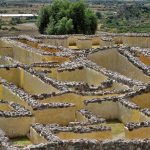
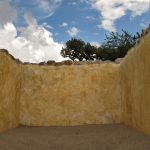
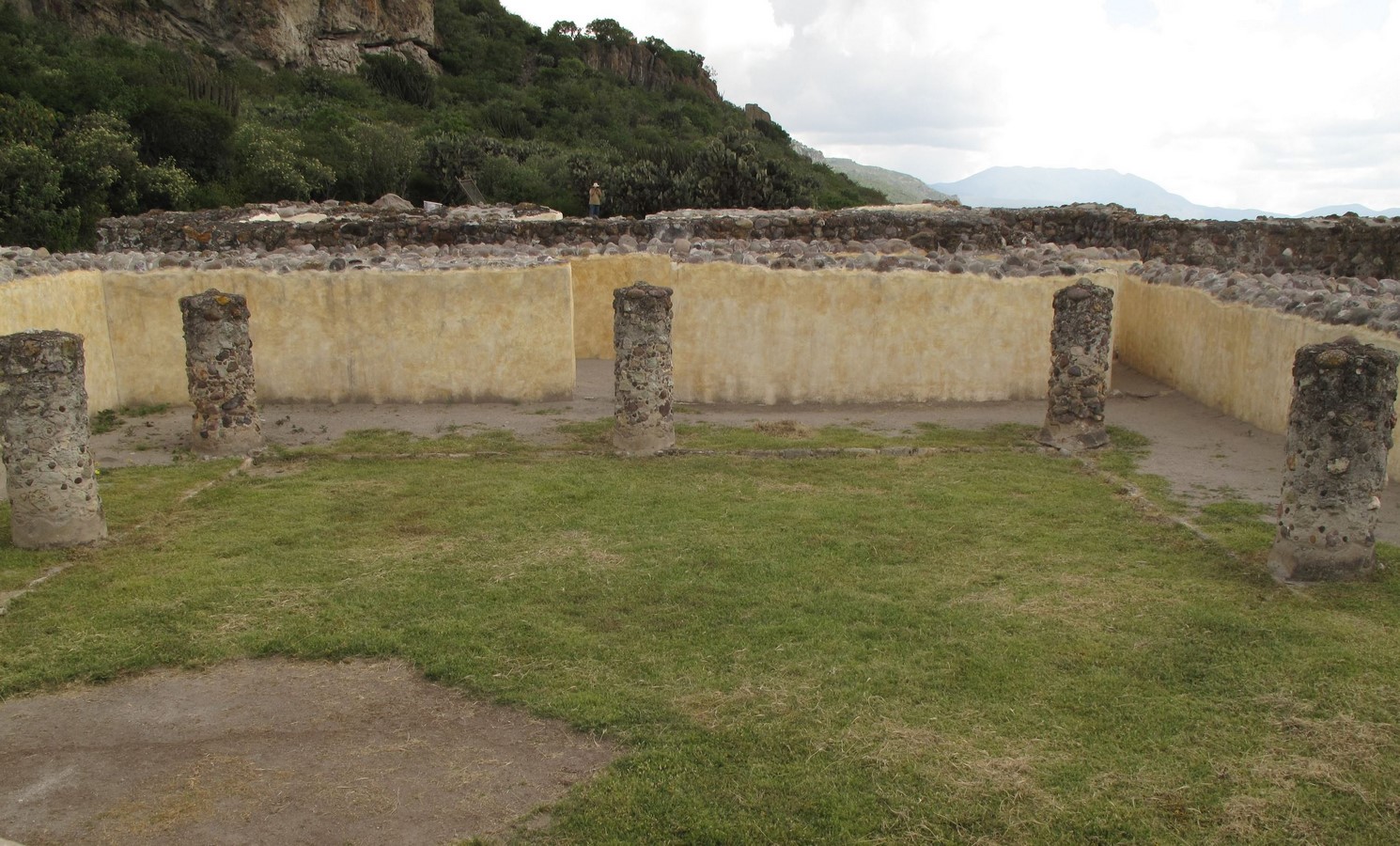
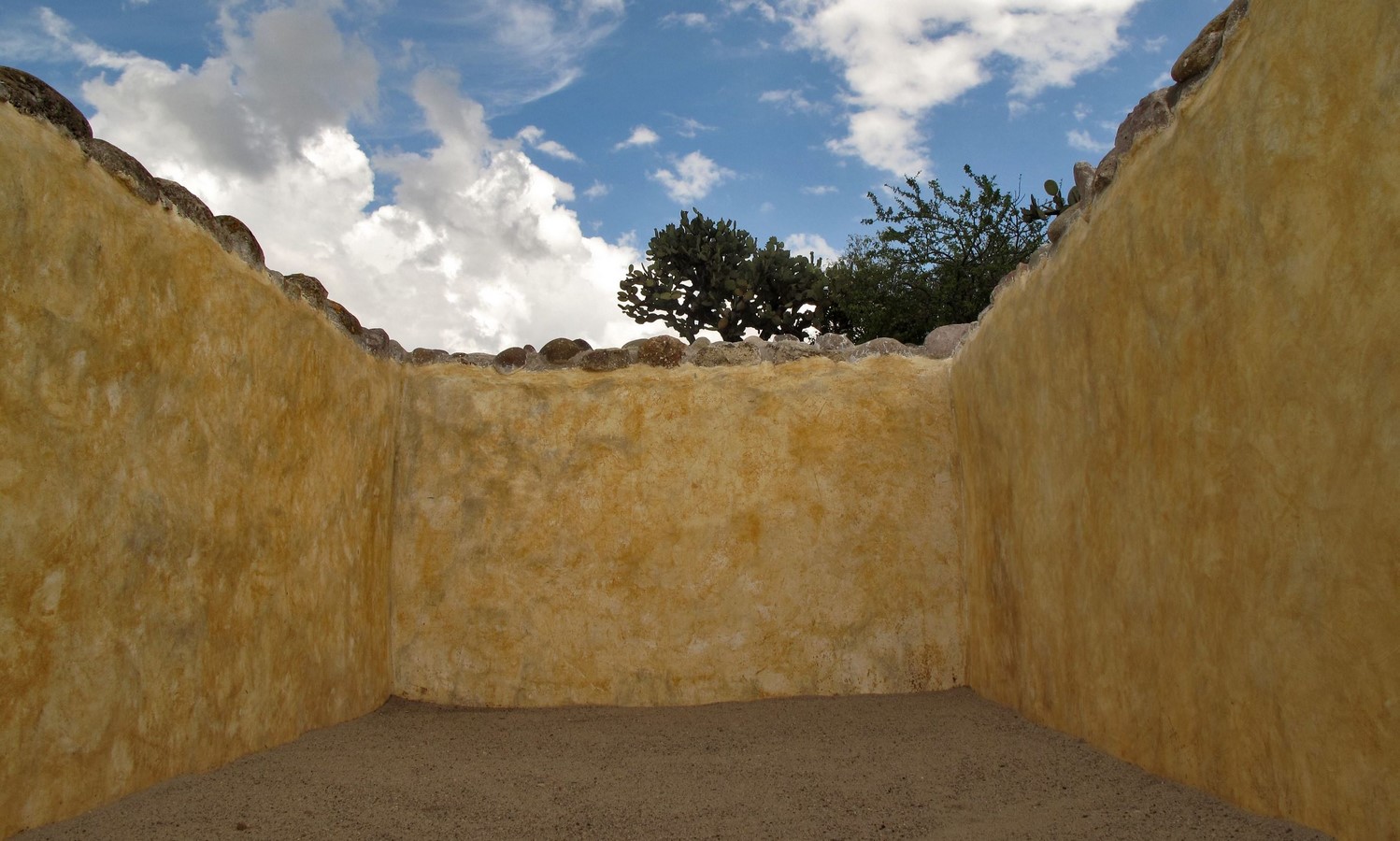
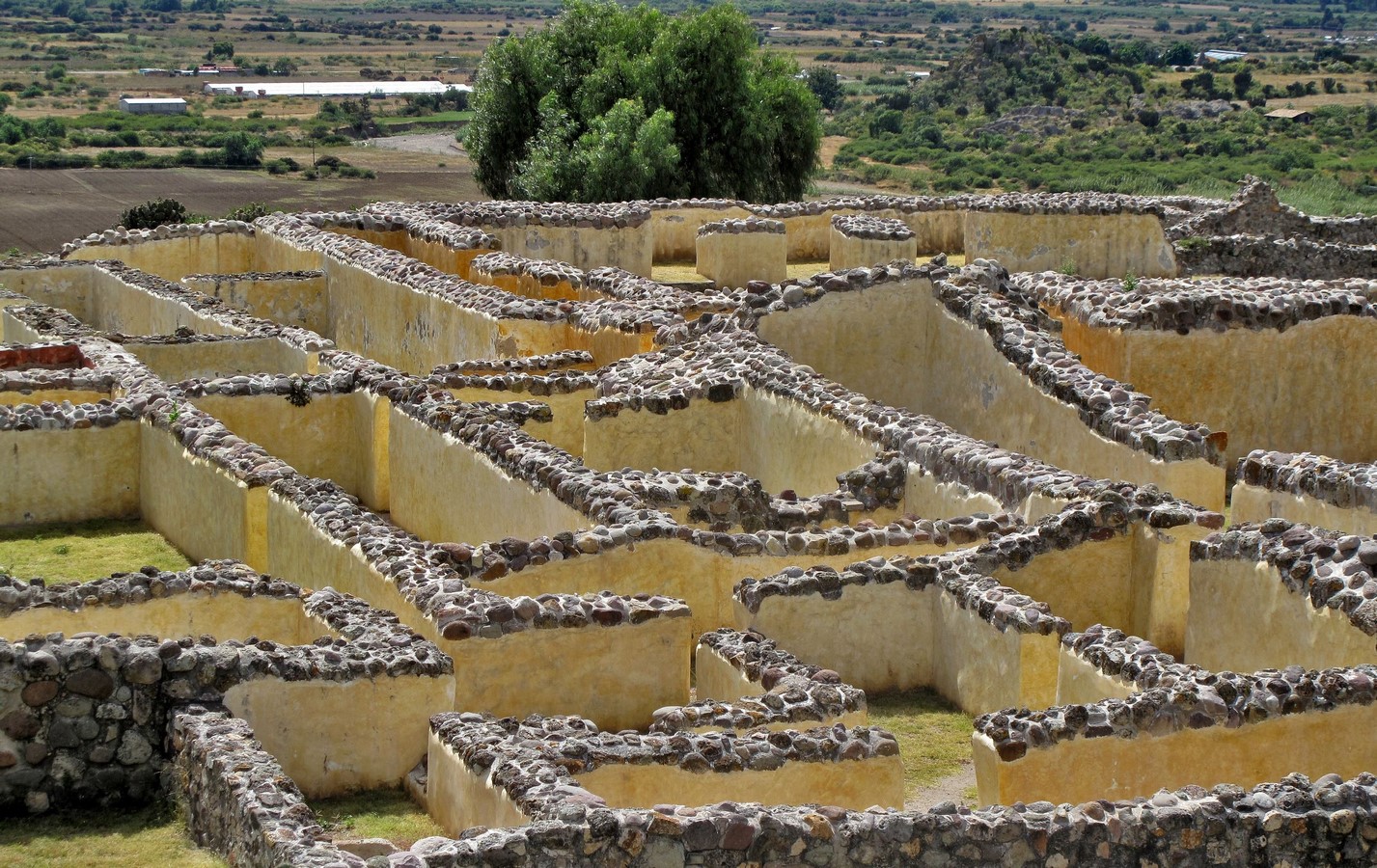
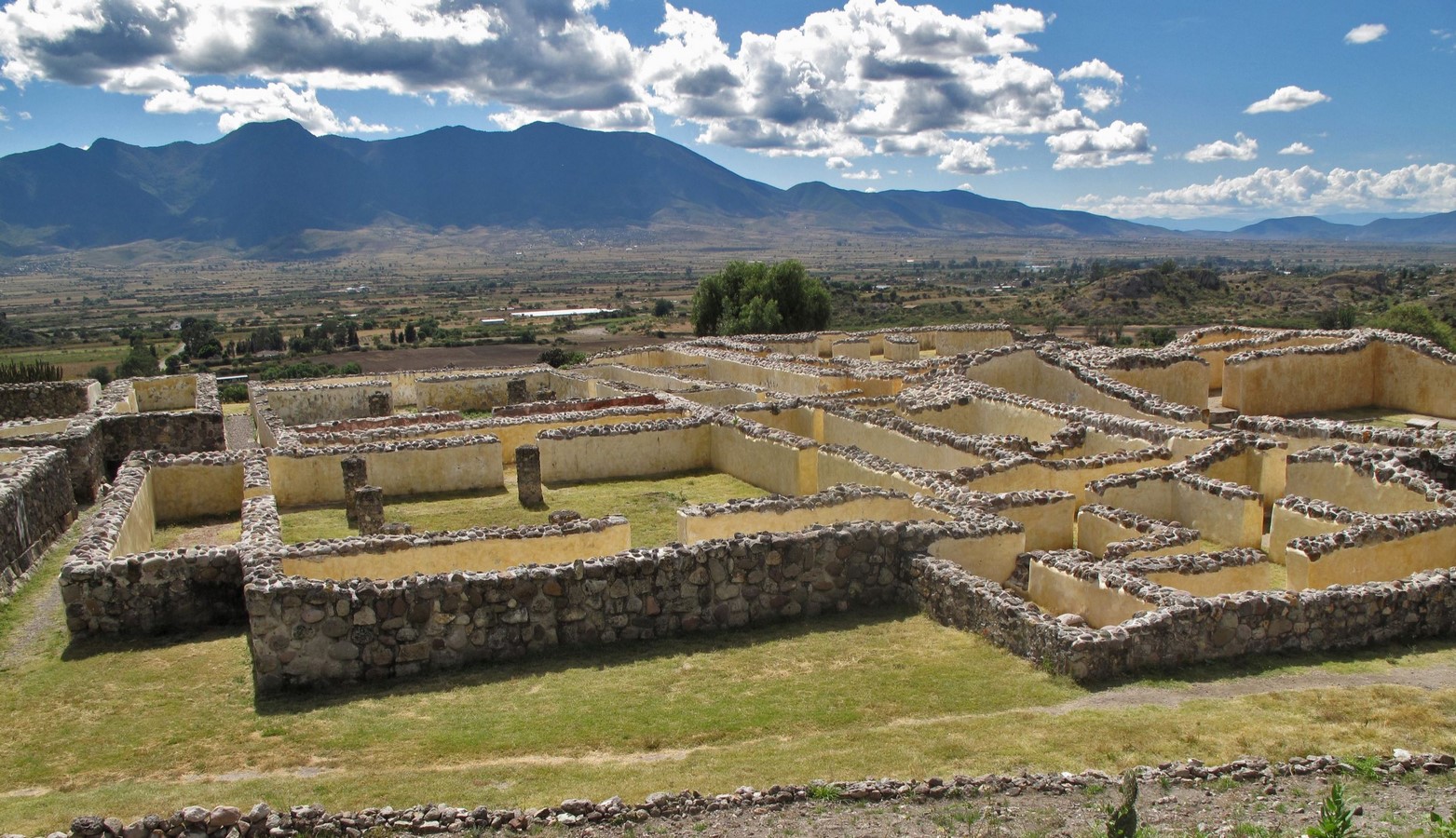
It is one of the natural monuments of the country, dating back to the Pre-Classical period and was inhabited during the Zapotec civilization in 500 AD when the Zapotecs left Monte Alban for Yagul until the Spanish conquest in the post-classical period. The complex has tombs, residential areas, council chambers, ball courts, and a palace. With no ornamentation and grandeur, the Yagul remains a stark and coherent complex.
15. Teotitlán del Valle Community Cultural Center
The community center exhibits the textile work and archaeological findings of the Teotitlán del Valle village. The mass covers only about eighteen percent of the total site hence providing an ample amount of open spaces for the parks and the plaza. The massing is fragmented into two parts, the larger mass displays the works, while the smaller mass consists of a service area and a library. The sloping roof, distinctive openings as per function of the space, material of the façade harmonizing with the nature of it’s surrounding, all are a response to the climate and the context.