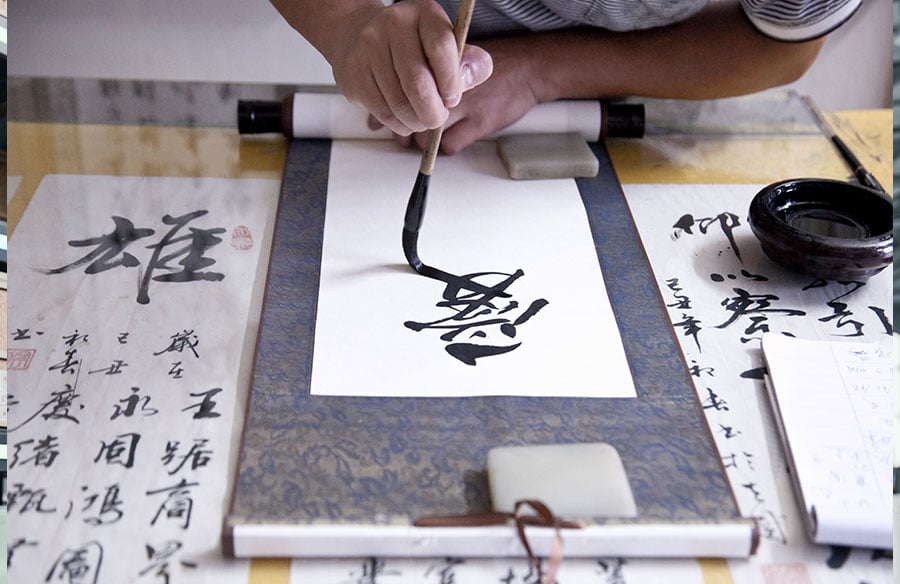
A sheet of paper, a brush, water and a small black ink stick. That is all a Sumi-e artist needs.
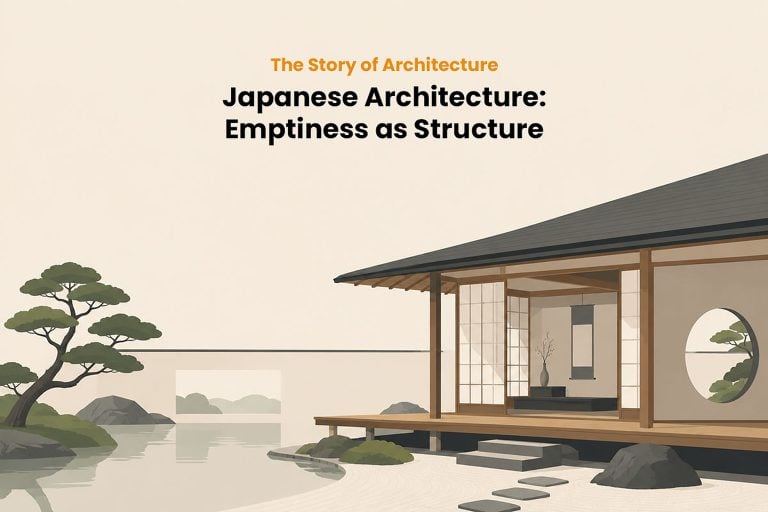
Anyone who has studied Japanese architecture will recognise the idea behind it immediately. Reduce until only the essential remains. Leave space where others would fill it. Let materials speak for themselves.
Sumi-e, the traditional Japanese art of ink painting, is one of the most direct ways to experience this way of thinking. And more and more travellers are doing exactly that: not looking at it in a museum, but sitting down in a studio and picking up the brush themselves.
One brushstroke, no corrections
Sumi-e works almost entirely with black ink, water and paper. A single brushstroke is not meant to simply depict a bamboo stalk or a branch, but to capture its essence. There is hardly any room for corrections. Mistakes stay visible.
Many Western visitors find this unfamiliar at first. In the West, creativity is often linked to maximum expression. Here the focus is on concentration, emptiness and leaving out whatever is not needed.
The empty parts of the paper are not background. They are part of the composition, much like the Japanese idea of “ma”, the meaningful interval between things that shapes gardens, tea houses and traditional rooms just as much as a painting.
“At first, many expect an art class. But very quickly they realise it is also about patience, focus and accepting that not everything can be corrected. That quiet discipline is often what stays with them,” says Franzisca Moeller, Marketing Manager DACH at Japanspecialist.
From the studio to the city
The contrast is especially striking in Tokyo. Between contemporary galleries, design stores and some of the most experimental buildings in the world, there are small studios where centuries old techniques are still passed on. Some workshops begin with a visit to modern galleries before guests try their first brushstrokes.
Other experiences lead to Nara, where guests learn how traditional ink is made in the first place: by slowly grinding a solid ink stick on stone with a little water, an almost meditative process that has changed remarkably little over the centuries.
Seen this way, a trip through Japan becomes a lesson in design. The same restraint appears in a single brushstroke, in the proportions of a tatami room and in the clean lines of contemporary Japanese architecture.
Why Japan has inspired designers for so long
The influence of Japanese aesthetics on Western art and architecture is well documented. The Impressionists were fascinated by Japanese woodblock prints, their unusual perspectives and radical reduction. Frank Lloyd Wright collected Japanese prints, and generations of modernist architects later looked to Japanese houses and gardens for ideas about space, light and simplicity.
What many travellers are only now discovering is that this fascination does not have to stay theoretical. It can be experienced on site, in workshops, small galleries, design hotels or encounters with artists and craftspeople.
Creative travellers in particular are increasingly looking for exactly that: not just the famous sights, but places that sharpen their own way of seeing.
Access to the quiet places
That is why providers like Japanspecialist are increasingly building creative workshops and cultural encounters into individual itineraries. These can include Sumi-e classes, private studio visits or art and architecture programmes in Tokyo, Kyoto or Nara.
Many smaller studios and galleries would be hard for international guests to find and book on their own, whether because of language barriers, a lack of contacts or limited public information. In their reviews, travellers describe exactly this mix of local expertise and individual planning as the real added value.
In the end, it is often the quiet moments that stay with you. Like the first time a single brushstroke on the paper looks exactly the way you imagined it.
About Japanspecialist
Japanspecialist, formerly known as JTB Germany, is a global travel agency and part of JTB Corporation. Under one global brand, we bring together decades of local expertise and combine in-depth cultural knowledge with international reach.