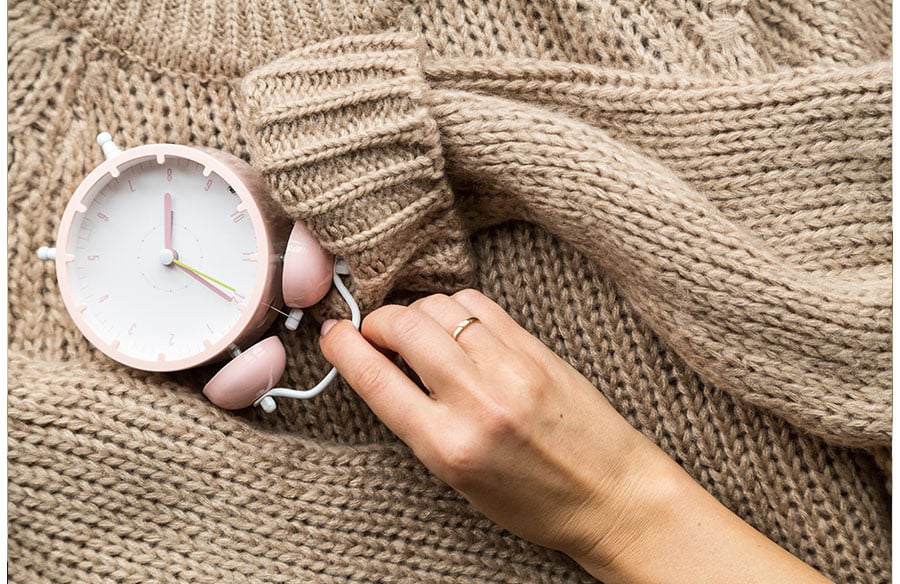
The morning starts with a missing shoe, a lunchbox that still needs filling, and a phone buzzing with reminders about errands that somehow slipped off yesterday’s list. By the time the house gets quiet, there is usually another round of chores waiting. For busy moms, saving time is less about squeezing more tasks into the day and more about finding practical ways to make everyday responsibilities easier.
The most useful finds are often simple. A product that keeps school supplies organized, a kitchen tool that makes dinner less complicated, or a service that takes an unwanted chore off the schedule can make a noticeable difference. As the season changes and family routines shift, a few thoughtful additions can help make home life feel more manageable.
Make Household Chores Easier to Hand Off
Housework has a way of expanding into every spare moment. There is always another floor to vacuum, bathroom to wipe down, or pile of laundry to put away. When family schedules are already full, trying to handle every chore personally can leave very little time for rest or activities with the kids.
Hiring occasional cleaning help is one option worth considering, particularly before a busy stretch of school events, holidays, or family visits. A useful starting point is reading a Homeaglow review from a busy mom to get another perspective on booking a home cleaning service. Looking at an actual review can help you consider what to expect, which details to check before booking, and whether outsourcing some household cleaning would make your own schedule easier.
The point is not to have someone else manage your entire home. Even occasional help with the more time consuming cleaning tasks can free up an afternoon for errands, family plans, or simply doing nothing for a change.
Use a Meal Planning System That Works in Real Life
Meal planning can save time, but an overly complicated system can become another responsibility. A practical setup should make it easier to decide what is for dinner without requiring hours of preparation every weekend.
A magnetic meal planner on the refrigerator is a simple find for families who like seeing the week’s meals at a glance. Pair it with a reusable grocery list so everyone can add items when something runs out. If the kids are old enough, they can help choose a meal or remind you when their favorite snack is missing.
A slow cooker or programmable pressure cooker can also help on days when everyone is coming home at a different time. Prepare ingredients earlier, set the appliance according to its instructions, and avoid having to start dinner from scratch when the evening gets hectic. Keep a few reliable recipes on rotation rather than trying something new every night.
Create a Landing Spot for Everyday Essentials
Few things waste time quite like searching for keys, permission slips, water bottles, and school bags when everyone should already be heading out the door.
A small entryway organizer can solve much of that morning chaos. Choose a setup with hooks for bags and jackets, a tray for keys, and a basket for items that need to leave the house. If space is limited, a few wall hooks and labeled bins can do the job without making the entryway feel crowded.
Thoughtful design of entryways, whether in residential or commercial spaces, prioritizes flow and functionality. Integrating storage solutions that are both aesthetically pleasing and highly practical can transform a chaotic transition zone into an efficient and welcoming space, reflecting a deeper understanding of how people interact with their built environment.
Give every family member a designated spot. It may take a little practice to get everyone using it, but the routine becomes easier when belongings have a consistent place to go. Keep the system simple enough that children can put things away without needing constant reminders.
Keep Laundry Moving With Better Organization
Laundry is one of those chores that never seems finished. A useful upgrade is a set of separate hampers for different categories, such as everyday clothing, towels, and items that need special care. Sorting as clothes come off makes laundry day less of a project.
A small basket near the bedrooms can collect clothes that need to be washed, while a second basket can hold clean items waiting to be put away. If folding is the part that tends to get delayed, try keeping a folding surface clear and putting clothes away as soon as a load is finished.
A handheld fabric steamer is another useful item for busy mornings. It can freshen up suitable garments and help remove wrinkles without setting up an ironing board. It is not a replacement for proper washing or care instructions, but it can be handy when an outfit needs a quick refresh.
Make Cleaning Supplies Easier to Reach
When a spill happens, nobody wants to search through several cabinets for paper towels or a cleaning cloth. A portable cleaning caddy keeps frequently used supplies together so they can move from the kitchen to the bathroom or living area.
Stock it with appropriate surface cleaners, microfiber cloths, disposable gloves, and a small brush. Keep products in their original containers and store the caddy somewhere children cannot access. Never mix cleaning products, particularly bleach with ammonia or acidic cleaners.
A cordless handheld vacuum can also be useful for quick cleanups around the dining table, sofa, and car seats. It will not replace a full vacuum, but it can handle crumbs and small messes before they spread through the house.
Give Kids Tools That Encourage Independence
Some of the best time saving finds are the ones that help children handle age appropriate tasks themselves. A low shelf for shoes, an easy to reach coat hook, or a basket for toys can make everyday routines less dependent on a parent’s reminders.
Designing spaces with accessibility and user-centricity in mind, especially for younger occupants, is a core principle in architecture and interior design. Creating environments where elements like storage and utilities are scaled and positioned appropriately fosters independence and a sense of ownership, contributing to a more functional and harmonious living space.
In the kitchen, a safe step stool can help children reach the counter for supervised activities. A small snack drawer or refrigerator bin with suitable options gives older children a little independence when they are hungry between meals. Labeling containers can also make it easier for everyone to return things to the right place.
These systems do not need to look perfect. They need to be easy enough for the family to use consistently.
Choose Convenience That Gives You Time Back
A busy season does not have to mean buying every new organizer or gadget that promises to make life easier. Start with the tasks that repeatedly interrupt your day. If mornings are stressful, improve the entryway setup. If dinner creates the biggest headache, simplify meal planning. If cleaning takes up every available weekend, consider which jobs could be handled less often or outsourced.
The best time saving finds are the ones that solve a real problem in your household. A few well chosen tools and routines can reduce daily friction, make responsibilities easier to share, and leave more room for the moments that matter outside the to do list.