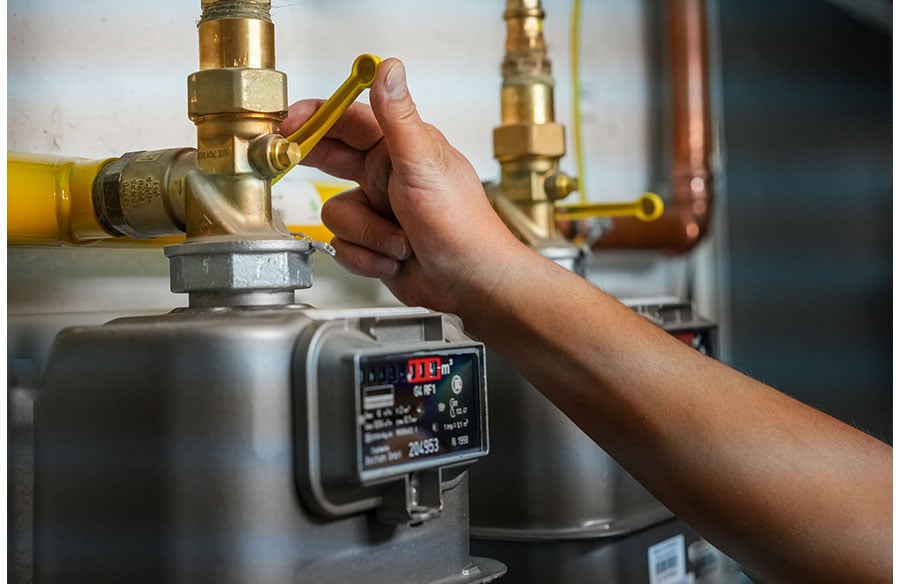
Smooth kitchen operations involve many different pieces of equipment. While most chefs and managers focus on cooking and preparation, gas lines are equally important. Commercial kitchen gas appliances such as ovens, fryers, ranges, and griddles depend on a steady gas supply to function correctly and safely. Damaged or faulty gas line fittings and connectors are dangerous, and kitchen equipment can stop working completely if they are damaged.
Gas components in a kitchen require consistent monitoring and a gas maintenance plan. This is just one piece of an overall plan to manage equipment. Being familiar with these systems can help you run your restaurant more efficiently by reducing unplanned down time and avoiding extra maintenance costs.
Understanding Commercial Gas Connectors
Flexible gas connectors help provide gas service to cooking equipment while allowing equipment to be moved to facilitate cleaning and maintenance of a building’s cooking equipment.
The architectural design of commercial kitchens, therefore, extends beyond aesthetics to encompass the practicalities of equipment integration and maintenance. Considerations for layout, material choices, and ventilation systems must account for the dynamic nature of these spaces, ensuring both operational efficiency and long-term structural integrity.
The busy, high pressure environment of many commercial kitchens means frequent relocation of cooking equipment occurs. Unlike the environment of a typical residence, commercial kitchens impose significant stress and strain on the gas service lines.
This distinction highlights a core challenge in architectural design: adapting spaces to vastly different functional demands. While residential kitchens prioritize aesthetics and user comfort within a fixed layout, commercial designs must balance robust infrastructure with the need for flexibility, durability, and stringent safety protocols.
The flexibility of a connector means that cooking equipment is easily moved. As equipment is relocated, the grease and temperature of a commercial kitchen degrade a gas service connector. When gas service connectors fail, the risk of leaks is a serious safety hazard.
An informed purchaser of cooking equipment replacement parts needs to select a connector that matches the specifications of the appliances it will serve. In purchasing replacement gas service connectors, restaurant operators should focus on the connector diameter, the connector length, the gas type compatibility, and the type of connections the connector uses.
A connector that is either too long or too short will not reliably serve the appliances and will put the units and the gas supply service at risk of leaking. A too long connector may become tangled or may not stay properly aligned with the equipment. A too short connector may become over-stressed during equipment movement and pose the risk of disconnecting.
Selecting Durable Materials and Compatible Components
Material quality directly affects the performance and service life of commercial gas connectors. Stainless steel is commonly used because of its durability and resistance to corrosion. Depending on the application, connectors may also include protective coatings or coverings that help withstand demanding kitchen conditions.
However, material selection is only one consideration. Compatibility with the appliance and existing gas system is equally important.
Before replacing a gas connector, maintenance professionals should verify:
- Connector dimensions: The diameter and length must meet the appliance’s requirements.
- Gas compatibility: Components must be suitable for natural gas or propane, depending on the installation.
- Pressure ratings: The connector must support the required operating pressure.
- Connection fittings: Thread types and fitting sizes must match the intended connection points.
- Manufacturer specifications: Replacement parts should comply with the appliance manufacturer’s recommendations.
Purchasing components based solely on price can create compatibility issues and increase long-term maintenance costs. Working with qualified technicians helps ensure that the selected products meet applicable installation and safety requirements.
The Role of Quick-Disconnect Fittings
Cleaning underneath and behind commercial cooking equipment can be difficult when appliances are permanently connected to gas lines. Quick-disconnect fittings help simplify this process by allowing compatible appliances to be disconnected and reconnected more conveniently.
These fittings are particularly useful in restaurants that regularly move fryers, ranges, and other appliances for cleaning or servicing.
Some systems, including Dormont quick-disconnect products, are designed to support easier equipment handling. Certain models also incorporate thermal shutoff features that help interrupt gas flow when exposed to specified high temperatures.
When selecting these fittings, businesses should consider connection compatibility, flow capacity, operating pressure, and the manufacturer’s installation instructions. Employees should also receive appropriate training so they understand how to handle equipment connections correctly.
Why Equipment Restraining Cables Are Important
Commercial cooking appliances are sometimes installed on casters to make movement easier during cleaning and maintenance. Although this arrangement improves accessibility, it can also create additional pressure on gas connectors if equipment is moved too far.
Equipment restraining cables help limit appliance movement and prevent excessive tension from being transferred to the gas connector. This reduces the likelihood of damage caused by pulling, stretching, or accidentally displacing connected equipment.
Restraints should be selected and installed according to the appliance manufacturer’s instructions and applicable local requirements. Restaurant operators should never assume that a flexible connector alone provides sufficient protection against excessive equipment movement.
Preventive Maintenance and Regular Inspections
A consistent maintenance schedule can help identify potential problems before they interrupt restaurant operations. Gas connectors and associated fittings should be inspected periodically by qualified professionals.
Warning signs that require attention include visible corrosion, damaged protective coverings, cracked hoses, loose fittings, and connectors that appear twisted or stretched.
Staff should also know how to respond if they notice an unusual gas odor. If a leak is suspected, employees should follow emergency procedures, avoid operating electrical switches or creating ignition sources, and evacuate the affected area. Emergency services or the gas utility should be contacted from a safe location.
Routine maintenance should also include checking equipment restraints, confirming that connections remain properly positioned, and replacing components that show signs of deterioration.
Finding the Right Replacement Parts
Finding compatible replacement components can be challenging because commercial kitchens use different appliance configurations and gas connection requirements. Restaurant owners and maintenance teams should identify the specifications of existing equipment before ordering replacement products.
Manufacturer-specific product ranges can make this process easier by providing access to compatible hoses, fittings, quick-disconnect systems, and related accessories.
Businesses exploring commercial gas connection solutions can review https://www.allpointsfps.com/dormont/ to find information about their products and components designed for commercial foodservice applications.
Comparing product specifications and consulting qualified technicians can help businesses avoid purchasing unsuitable parts and reduce unnecessary installation delays.
Making Gas Safety Part of Kitchen Management
Reliable gas connections are an essential part of commercial kitchen infrastructure. Choosing appropriate components, installing them correctly, and maintaining them regularly can help restaurants reduce operational disruptions and protect employees.
Rather than waiting for a damaged connector or equipment failure, restaurant managers should establish preventive maintenance procedures and ensure that qualified professionals handle gas-related inspections and repairs.
A well-maintained gas connection system supports more than appliance performance. It contributes to workplace safety, operational consistency, and the long-term reliability of the entire commercial kitchen.