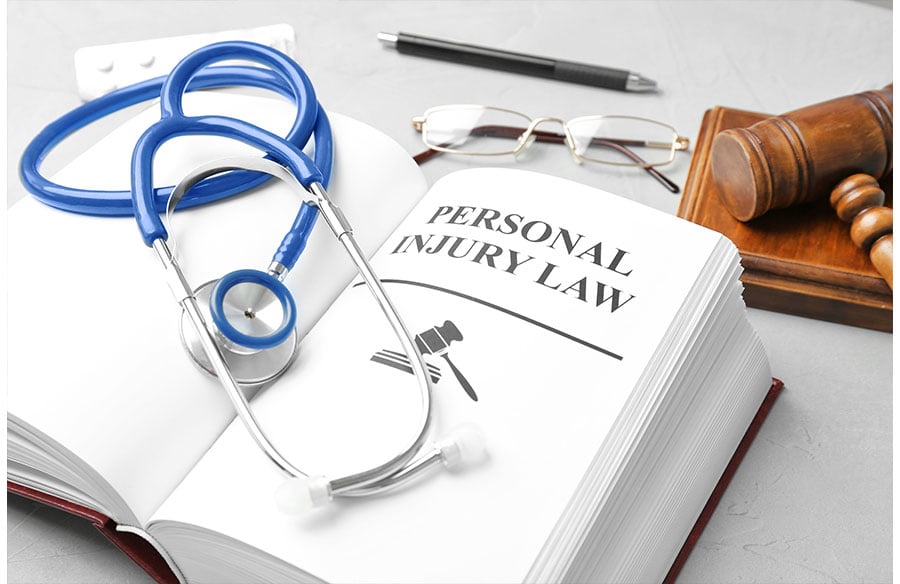
Choosing the right legal advocate after a serious injury can make the difference between prolonged uncertainty and a clear path toward recovery. Effective representation combines strong legal strategies with compassionate client support, helping injured individuals navigate complicated claims while protecting their rights. Whether someone has been injured in a car accident, workplace incident, or another situation involving negligence, experienced legal counsel can provide valuable guidance. Prospective clients should look for attorneys with relevant experience, a history of successful case outcomes, and a commitment to providing personalized attention throughout the legal process.
Why Experienced Legal Representation Matters
Personal injury cases can involve complicated legal procedures, insurance disputes, and questions about liability. Without proper guidance, injured individuals may struggle to understand their rights or determine the compensation they deserve. Experienced legal professionals understand how to investigate accidents, evaluate evidence, and build strong claims that reflect the full extent of their clients’ losses. They also recognize that every injury case is different. A serious motorcycle collision may involve different circumstances than a slip-and-fall accident or a workplace injury. Having an attorney who understands these distinctions can help clients make informed decisions and avoid costly mistakes.
Building a Strong Case After an Injury
The initial phase of such a case centers on documenting harm and establishing liability. That means preserving evidence, obtaining detailed medical records, and working with medical professionals to translate health outcomes into clear legal claims. Skilled advocates guide clients through the claims process, explain the importance of early and consistent treatment, and coordinate with medical experts when specialized opinions or testimony are necessary. The goal is to calculate damages accurately, including medical expenses, lost wages, long-term care needs, and compensation for pain and suffering. Thorough preparation can also strengthen a client’s position during settlement negotiations or litigation.
Understanding Liability and Compensation
Determining who is responsible for an accident is one of the most important aspects of such a claim. Liability may depend on several factors, including negligence, unsafe conditions, traffic violations, or failures to follow established safety procedures. Attorneys investigate these circumstances by reviewing accident reports, interviewing witnesses, examining photographs, and consulting specialists when necessary. Once responsibility has been established, legal professionals assess the financial and personal consequences of the injury. Compensation may include immediate medical bills, rehabilitation expenses, reduced earning capacity, property damage, and the emotional toll associated with serious injuries. Understanding these potential damages helps clients evaluate settlement offers and make informed decisions about their cases.
The careful documentation of accident scenes through photographs and detailed reports provides crucial visual evidence. This visual record can highlight structural issues, material failures, or design flaws that contribute to unsafe conditions, underscoring the importance of thoughtful architectural and environmental design in preventing such incidents.
Negotiation and Litigation Strategies
Successful representation in these matters often involves negotiating with insurance companies and opposing legal teams. Insurance providers may attempt to minimize payouts or dispute the severity of injuries, making thorough documentation and effective negotiation particularly important. Skilled attorneys prepare detailed demand packages supported by medical records, financial statements, and evidence of liability. When settlement discussions fail to produce a reasonable offer, litigation may become necessary. Taking a case to court requires careful preparation, familiarity with procedural rules, and the ability to present convincing arguments before a judge or jury. An attorney who is prepared for both negotiation and trial can help clients pursue compensation that reflects their circumstances.
Client-Centered Communication and Trust
Legal outcomes depend not only on facts and legal knowledge but also on the relationship between attorney and client. People recovering from serious injuries may be dealing with physical pain, emotional stress, financial uncertainty, and disruptions to their daily routines. A dependable legal advocate recognizes these challenges and provides clear communication throughout the process. Regular case updates, straightforward explanations of legal options, and transparency about potential costs help clients feel more confident in their decisions. Attorneys should also take time to understand each client’s individual concerns and priorities rather than treating every case the same way. Trust develops when clients feel heard, respected, and informed.
Practical Support During Recovery
Effective legal representation often extends beyond filing paperwork and negotiating settlements. Attorneys may help clients obtain relevant medical documentation, identify appropriate specialists, and understand how ongoing treatment affects their claims. They can also assist with organizing financial records, documenting lost income, and communicating with insurance representatives. For individuals facing long-term disabilities or extensive rehabilitation, legal teams may consult medical and financial experts to estimate future expenses. This broader approach helps ensure that important consequences of an injury are considered when evaluating compensation. By handling legal responsibilities, attorneys can also allow clients to devote more attention to their physical and emotional recovery.
For individuals facing long-term disabilities, the need for accessible and adaptable living spaces becomes paramount. Legal teams often collaborate with experts who can assess how home modifications, universal design principles, or specialized architectural solutions can support ongoing rehabilitation and improve quality of life.
Choosing the Right Personal Injury Attorney
Finding the right attorney requires more than selecting the first name that appears in an online search. Prospective clients should consider a lawyer’s experience with similar cases, familiarity with local laws, and approach to communication. Asking about previous case results, legal fees, and anticipated timelines can provide valuable insight into how an attorney operates. It is also important to understand who will handle the case directly and how frequently updates will be provided. A reputable attorney should explain potential challenges without promising specific outcomes. Personal attention, professional experience, and a willingness to answer questions are all important qualities when selecting legal representation.
The Value of Dedicated Legal Advocacy
A serious injury can affect nearly every aspect of someone’s life, from their ability to work to their relationships and financial stability. Having a dedicated legal advocate can make these challenges easier to manage. Experienced firms understand that these claims involve real people facing difficult circumstances, not simply insurance paperwork and legal deadlines. Clients seeking legal guidance may consider Felix Gonzalez Law Firm when exploring their options for legal representation in this area. Taking time to research a firm’s experience, services, and approach to client care can help individuals choose representation that aligns with their needs and expectations.
Moving Forward With Confidence
Recovering from a serious injury often requires patience, medical attention, and important financial decisions. The legal process can add another layer of uncertainty, particularly when insurance companies dispute responsibility or compensation. Working with an experienced attorney can help individuals understand their rights, preserve valuable evidence, and pursue appropriate legal remedies. Strong advocacy combines careful preparation, effective negotiation, and genuine concern for the people involved. With reliable legal guidance, injured individuals can focus on rebuilding their lives while taking meaningful steps toward financial recovery and greater peace of mind.