Key Highlights
- DDEG helps unique building designs stay true to the original idea while meeting the building code.
- It supports architects and project teams with clear compliance pathways under the National Construction Code.
- DDEG is often brought in when prescriptive rules do not fit a project’s layout, form, or use.
- Its Performance Solutions cover fire safety, accessibility, façades, acoustics, condensation management, and energy efficiency.
- The team works closely with building surveyors, project managers, and other project stakeholders across Australia.
- Early advice from DDEG can reduce approval delays, avoid costly redesigns, and protect design intent.
Introduction
Unique architecture can create real approval pressure. You want to protect your architectural vision, but you also need to satisfy compliance requirements in a complex construction industry. That is where DDEG fits in. It helps teams find practical ways to move from bold ideas to code-compliant outcomes without losing the character that made the design worth building in the first place.
The Role of DDEG in Australian Architectural Compliance
 In Australia, building compliance is rarely just a box-ticking task. DDEG supports architects, building surveyors, and other project stakeholders when a design sits outside a simple building code pathway.
Its role is to assess how the building will perform under the National Construction Code and help the wider construction industry team choose a workable path. That becomes even more valuable on projects with unusual forms, space constraints, or evolving design goals.
How DDEG Supports Architects with Unique Designs
DDEG supports architects by focusing on how a building actually works, not only whether it matches prescriptive provisions. That helps protect your architectural vision when standard answers do not fit.
For project teams, this means code consulting that is tied to the real design, not a generic checklist. DDEG reviews layouts, systems, and building performance so code requirements can be addressed without stripping out the key idea.
A strong example is the University of Melbourne student precinct. DDEG provided performance-based support that helped the architects keep horizontal connections between buildings, open feature stairs, and atriums while maintaining design integrity.
Navigating Building Codes for Complex Projects
Complex projects often raise hard questions. Does the layout affect evacuation? Will a façade detail change fire behaviour? Could one design move create new compliance challenges elsewhere?
DDEG addresses these issues through careful analysis under the National Construction Code. It looks at the interaction between fire safety, accessibility, acoustics, environmental performance, and the wider approval process rather than treating each item in isolation.
That joined-up approach helps project managers make informed choices. Instead of reacting late to compliance requirements, teams can understand the likely pathway earlier and keep the project moving with fewer surprises.
Tailored Compliance Services Offered by DDEG
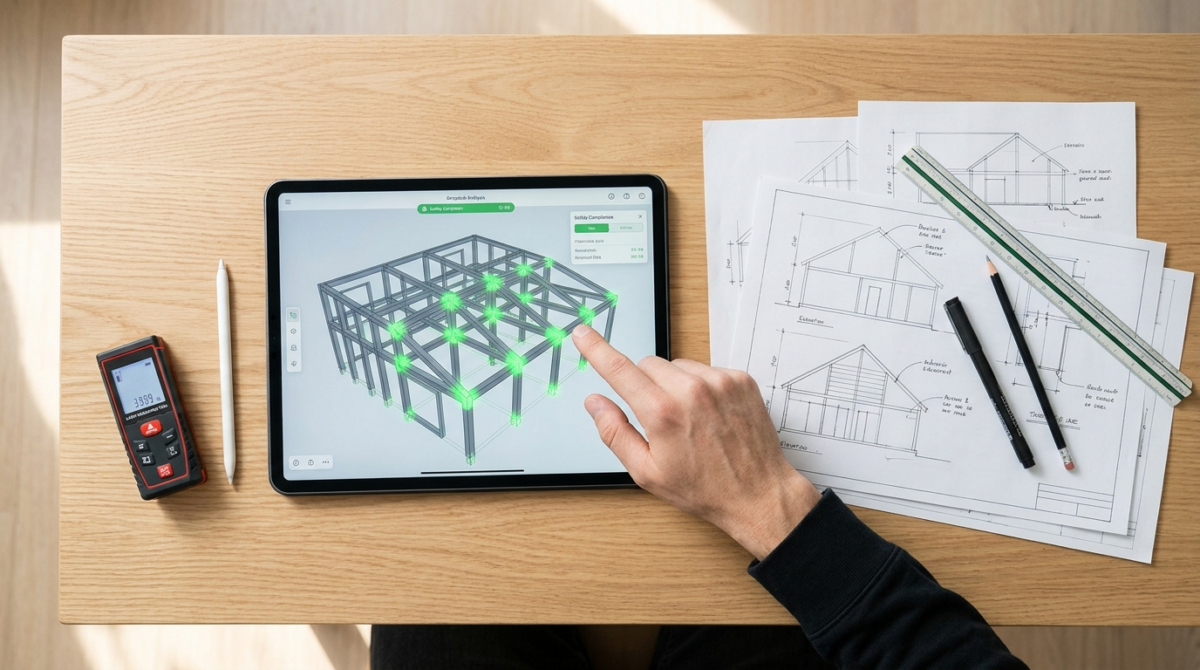 DDEG offers compliance services built for projects that do not suit a standard pathway. Its building solutions are used by architects, developers, builders, and consultants across many sectors.
The service mix includes consulting, Performance Solutions, fire safety engineering, accessibility consulting, acoustics, façade reviews, condensation management, ESD support, and code consulting. Together, these compliance strategies give construction teams one coordinated source of advice.
Performance-Based Solutions for Non-Standard Builds
DDEG can provide Performance Solutions for challenging designs. In simple terms, these are technical justifications for projects that cannot comply through prescriptive rules alone.
This matters for innovative architecture such as open atriums, feature stairs, unusual layouts, or alternative construction methods. DDEG applies technical expertise, modelling, and review to show how design solutions can still meet performance-based requirements.
The benefit is practical. You keep more of the original concept while still addressing safety and regulatory needs. For many teams, that is the difference between a redesign and a workable compliance pathway.
Consulting and Documentation for Innovative Architecture
Good advice is only part of the job. Innovative architecture also needs clear documentation that supports the chosen compliance pathways and explains the technical analysis behind them.
DDEG helps shape that record from the project brief onward. This can be useful if a building notice is issued, if surveyors need clearer evidence, or if the design team needs a more direct approval path.
Typical support includes:
- code consulting to identify the right compliance pathway early
- documentation that explains performance reasoning in a clear, usable way
- technical analysis that supports discussions with authorities and project teams
Addressing Challenges in Unique Building Designs
Unique projects can create design challenges that standard builds never face. A single design choice may affect several parts of the construction code at once, which is why delays often start when teams look at issues one by one.
That is also why project stakeholders value a specialist consultancy. DDEG helps connect disciplines early, so compliance challenges are understood before they turn into approval problems or late design changes.
Common Compliance Issues & DDEG’s Problem-Solving Approach
Many compliance challenges come from overlap. A custom stair may affect fire safety engineering. A façade choice may influence condensation, acoustics, or energy efficiency. An access issue may need accessibility consulting alongside wider building solutions.
DDEG responds with integrated review, technical justification, and, where needed, peer review services. That gives teams a clearer basis for decisions and reduces fragmented advice.
| Common issue | DDEG approach |
| Open stairs or atriums | Reviews fire safety strategy, evacuation pathways, and Performance Solutions |
| Complex façades or curtain walls | Assesses façade performance, durability, condensation management, and compliance |
| Access concerns in public spaces | Provides accessibility consulting and accessibility audits |
| Conflicting specialist advice | Offers coordinated analysis and peer review services |
Distinct Strategies for Custom vs Standard Projects
Standard builds often follow known pathways. Custom projects need more design advice because the usual prescriptive route may not match the actual building form or use.
DDEG adjusts its compliance strategies to suit that difference. For a standard build, the focus may be straightforward code alignment. For custom projects, the work is more about alternative solutions that protect design vision while meeting safety standards.
In practice, that often means:
- earlier engagement with the design team
- more technical review of unusual details or layouts
- clearer justification for alternative solutions during approvals
Staying Ahead of Building Code Updates with DDEG
Code changes can affect a project even after the concept is set. If you miss an update in the National Construction Code (NCC), your approval path can become harder very quickly.
DDEG helps by giving ongoing advice that reflects current code requirements and regulatory compliance needs. That support is useful when designs evolve, permits are pending, or technical justifications need refining.
How DDEG Ensures Ongoing Compliance for Architects
Ongoing compliance starts with staying involved. DDEG supports architects beyond early concept work, helping them manage code requirements as the project develops towards building permits.
That ongoing advice is useful because design details rarely stay fixed. A small change to circulation, façade systems, or fire safety measures can affect the wider compliance pathways and put design integrity under pressure.
DDEG’s value is in helping teams track those changes early. With clear communication and technical support, architects can adjust where needed, keep the approval process moving, and avoid unnecessary redesign work late in the job.
Conclusion
In conclusion, DDEG is a key partner for architects tackling compliance in unique designs. With tailored solutions, expert consulting, and deep knowledge of building codes, DDEG helps professionals overcome challenges in innovative projects. Their performance-based strategies ensure creative designs meet regulatory standards without compromise. As codes evolve, DDEG keeps architects informed and adaptable. Choose DDEG to achieve both aesthetic excellence and full compliance—reach out today for your compliance needs.
Frequently Asked Questions
Can DDEG help with performance pathways for difficult projects?
Yes. DDEG helps project teams develop performance pathways when a design does not fit the standard building code route. Its compliance strategies are used to support difficult layouts, unusual building forms, and other projects where prescriptive rules do not give a practical answer.
What’s the benefit of choosing DDEG for unique design compliance?
The main benefit is balance. DDEG combines technical expertise with practical building solutions, helping project stakeholders protect design intent while still finding workable compliance pathways. That can reduce redesign risk and give the team more confidence during approvals.
How does DDEG keep up with the latest code requirements?
DDEG supports regulatory compliance by reviewing projects against current code requirements and updating technical justifications as designs evolve. That ongoing advice helps teams respond to building code changes without losing momentum or relying on outdated assumptions.