Ask most people what they notice first about a house, and they’ll mention the front door, the windows, maybe the landscaping. The roof rarely makes the list. Yet it’s quietly doing more work than any other part of the building. It shields you from storms, helps regulate indoor temperatures, and frames the entire look of your home from the curb.
Here’s why the shape, materials, and details over your head matter more than you might think!
Energy Efficiency: The Thermostat You Never Touch
Your roof is the largest surface of your home facing the sun. How it’s designed decides how hard your heating and cooling system has to fight back.
Color and reflectivity
Dark shingles absorb heat, while light-colored or “cool roof” materials reflect it. In hot climates, the difference in attic temperature can be dramatic, and that shows up directly on your cooling bill. In mixed climates like the Mid-Atlantic, a medium tone with reflective granules often strikes the right balance between summer savings and winter comfort.
Ventilation and insulation
A well-designed roof breathes. Ridge vents, soffit vents, and proper attic insulation work as a team: insulation keeps conditioned air inside, while ventilation pushes out hot, moist air before it bakes your shingles or turns into condensation. Skip either one and you’ll pay for it twice, once in energy bills and again in early wear.
Shape and overhangs
Geometry matters too. Generous eaves shade windows from the high summer sun while still letting lower winter light warm your rooms. Hip roofs offer plenty of space for ventilation, and flat or low-slope roofs are ideal candidates for reflective membranes or solar panels.
Durability: Designing for the Weather You Actually Get
A beautiful roof that can’t handle local weather is just an expensive problem waiting to happen. This is why it’s important to design it for the local weather conditions. Here are some considerations to keep in mind:
Pitch and drainage
Steeper roofs shed rain and snow quickly, which lowers the risk of leaks and ice dams. Low-slope roofs need extra attention to drainage, because standing water is the enemy of any roofing system. Neither is automatically “better”; the right pitch depends on your climate, your home’s style, and the material you pair with it.
Material matters
Every material brings its own trade-offs:
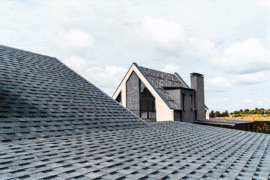
- Asphalt shingles: affordable and versatile, typically lasting 20 to 30 years.
- Metal: excellent wind resistance and reflectivity, often lasting 40 years or more.
- Slate and tile: can last a century, but they’re heavy and need a structure built to carry them.
- Synthetic options: mimic premium looks like slate or cedar at a lighter weight.
The details that make or break it
Flashing around chimneys, valleys, and skylights is where most leaks begin. Complex rooflines with lots of dormers and valleys look stunning, but every extra joint is another spot water can find. That doesn’t mean you should avoid them. It just means installation quality matters even more, which is exactly why working with an experienced roofing contractor pays off for decades.
Aesthetic Appeal: How Important is it?
Designers often call the roof the ‘fifth wall’, and for good reason. On many homes, it makes up a big share of what you see from the street.
Matching the architecture
A steep gable suits a Cape Cod or Tudor. A low-pitched hip roof complements a ranch or Prairie-style home. A flat roof with crisp edges feels right at home on a modern build. When the roof fights the architecture, the whole house looks a little off, even if people can’t quite say why.
Color, texture, and curb appeal
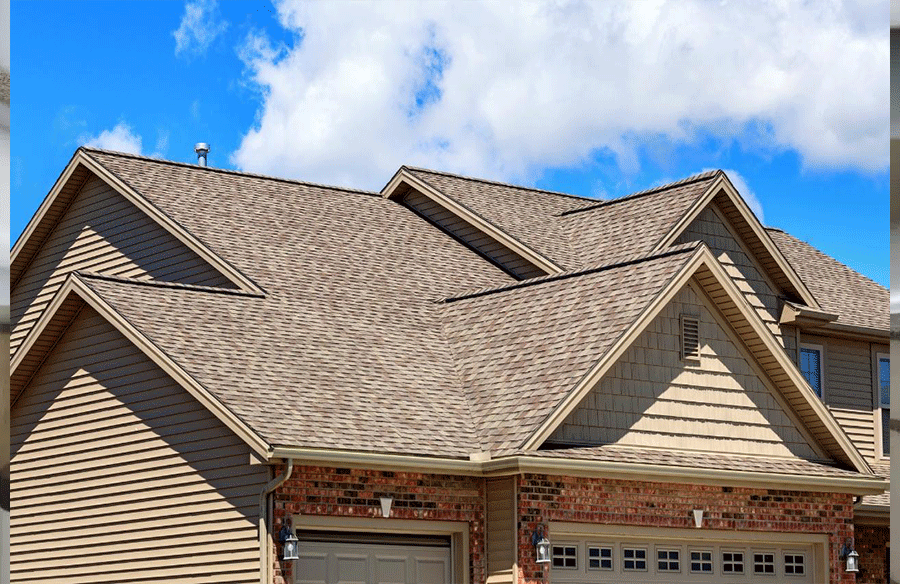
Your roof color should coordinate with siding, trim, and brick rather than compete with them. Architectural shingles add depth and shadow lines, standing-seam metal gives a clean contemporary feel, and slate or shake brings old-world charm. A thoughtful choice boosts curb appeal and can make a real difference when it’s time to sell.
Bringing It All Together
The best roof designs don’t force you to choose between performance and beauty. A light-colored metal roof can cut cooling costs, last for decades, and look sharp on a modern farmhouse. Architectural shingles over a well-ventilated attic can give a traditional colonial both charm and efficiency.
Before you build or replace, ask yourself:
- What weather does my roof face most often?
- How long do I plan to stay in this home?
- Does the style suit my home’s architecture?
- Is my attic properly ventilated and insulated?
- Who will install it, and what’s their track record?
Final Thoughts
That last question may matter most of all. Even a well-thought-out design can fall short if it’s installed carelessly, so it’s worth getting a professional inspection and comparing a couple of opinions before you commit. Local experience counts, too: crews who work in your region every day tend to know which materials and details hold up best to the local mix of humid summers and freeze-thaw winters.
Your roof works hard every single day. A little planning up front helps it keep doing that job well for decades.