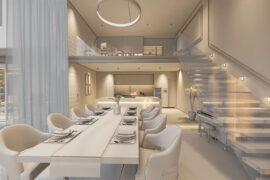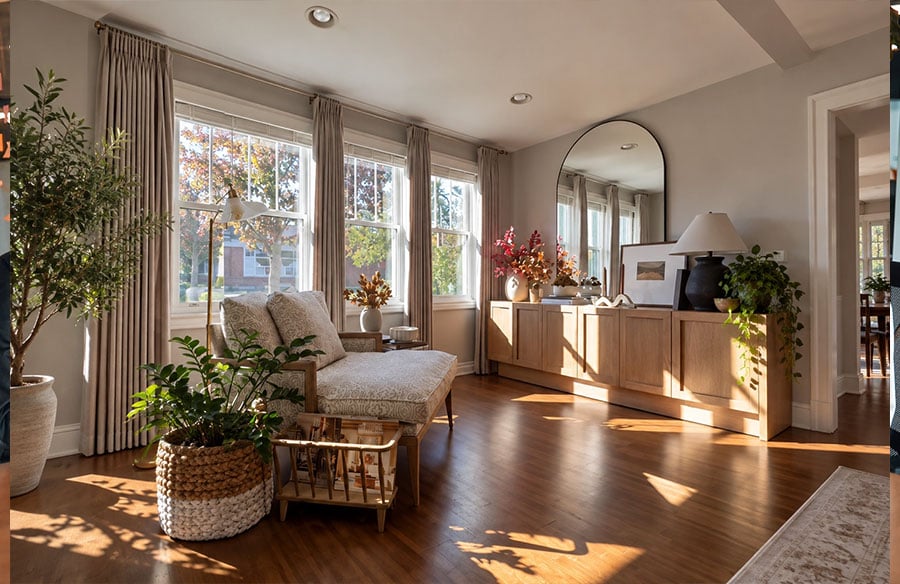
Modern interior design depends on the relationship between materials, textures, architectural features, and natural light. While furniture and wall finishes often receive the most attention, window treatments significantly influence how a room looks and feels.
Custom drapery can soften hard surfaces, emphasize architectural proportions, and create visual harmony. From relaxed linen folds to structured pleats, curtains introduce texture and movement while complementing contemporary interiors.
Understanding how fabrics interact with wood, stone, and glass helps homeowners create spaces that feel balanced, comfortable, and thoughtfully designed.
How Fabric Texture Shapes Modern Interiors
Texture adds visual depth to modern interiors, particularly in rooms featuring neutral colors, minimalist furniture, and clean architectural lines.
Without contrasting materials, these spaces can sometimes appear flat or overly rigid. Curtains provide softness while preserving the room’s overall design.
For example, textured linen drapery can complement oak flooring, wooden furniture, and natural stone surfaces. Its visible weave introduces subtle detail, while flowing folds contrast with harder architectural materials.
Fabric weight also affects appearance. Heavier curtains create substantial folds, while lighter materials generally produce a softer, more relaxed effect. Rawlune emphasizes fabric texture, natural drape, and aesthetic coordination through its custom curtain collections.
Its selection includes linen, cotton, blended fabrics, and blackout options suited to different interior preferences.
Balancing Natural Drape and Defined Pleats
A curtain’s finished appearance depends on its fabric, lining, heading style, and hanging system. For example, a linen curtain with a structured pleated heading can still drape softly, depending on the fabric’s weight and construction.
Natural Drape for Relaxed Interiors
Softly falling curtains complement interiors featuring organic materials, understated decoration, and natural textures.
This approach works well in minimalist living rooms, Scandinavian-inspired spaces, and interiors featuring textured walls or wooden furniture.
Rawlune’s Heavyweight European Linen Drapery, from its Vara Linen™ product line, provides another example of substantial fabric texture.
Pairing heavyweight linen drapery with oak flooring and neutral upholstered furniture can introduce depth without overwhelming the surrounding design.
Structured Pleats for Contemporary Architecture
Structured pleats create a cleaner, more controlled appearance, making them suitable for interiors featuring geometric furniture and large windows.
Rawlune’s Eclipse Blackout™ collection uses Memory Shaping by default to produce more consistent, defined pleats.
These folds can reinforce the vertical lines of floor-to-ceiling glazing and complement symmetrical architectural features.
For example, structured curtains alongside tall glass panels can establish a repeated visual rhythm, creating a more tailored appearance.
The choice between natural folds and structured pleats depends on whether the room requires relaxed softness or architectural precision.
Coordinating Curtains With Wood, Stone, and Glass
Curtains should complement existing materials rather than function as separate decorative elements.
Wood and Natural Fabrics
Wood introduces warmth and organic character. Textured linen or cotton-based curtains can complement wooden flooring, furniture, and exposed beams.
For instance, soft drapery beside walnut furniture can balance the wood’s visual weight while maintaining a welcoming atmosphere.
Stone and Concrete
Stone, marble, and concrete contribute architectural definition but can make interiors appear visually rigid.
Textured drapery introduces contrast through softer surfaces and flowing folds.
In a living room featuring limestone walls and concrete flooring, heavyweight linen curtains can add warmth and movement without distracting from the architectural materials.
Glass and Contemporary Windows
Large glass windows create openness and allow natural daylight into modern homes.
However, expansive glazing also benefits from carefully selected window treatments.
For expansive glazing, consider the view when curtains are open as well as privacy when they are closed. Allow space beside the glass for the gathered fabric, and keep doorways and handles clear. Where both daytime light diffusion and nighttime privacy are needed, a layered treatment may be useful if the layout provides enough room.
Plan the Track Position, Length, and Stack-Back Space
Curtain dimensions influence how homeowners perceive a room’s height, width, and architectural balance.
Panels that appear too short can interrupt visual continuity, while unsuitable widths may affect how folds develop across a window.
This makes custom curtains particularly useful for tall windows, wide glass doors, and spaces with distinctive architectural proportions.
For example, curtains designed around floor-to-ceiling glazing can complement the window’s vertical lines while maintaining a cohesive appearance.
Rawlune provides an official measurement guide covering different curtain configurations. Homeowners should follow the relevant instructions when determining measurements, fullness, and installation requirements.
Choosing the Right Light Control
Natural light influences how interior colors, materials, and textures appear throughout the day.
Common light-control options include:
- Sheer: Allows substantial daylight through but may offer limited nighttime privacy.
- Light Filtering: Softens sunlight while maintaining interior brightness.
- Room Darkening: Reduces incoming light more significantly.
- Blackout: Offers stronger light blocking, although installation gaps may prevent complete darkness.
For example, light-filtering curtains may suit a bright living room, while blackout options can provide greater light control in bedrooms.
The appropriate choice depends on the room’s function and desired atmosphere.
Comparing Fabric Samples Before Ordering
Fabric appearance can change under different lighting conditions and beside surrounding materials.
Rawlune offers a Curtain Sample Kit containing a large fabric sample measuring, along with smaller color swatches and hardware samples.
Homeowners can compare fabric textures beside their flooring, furniture, and wall finishes under daylight and artificial lighting.
Although samples help with design decisions, finished curtains may appear different depending on dimensions, pleats, and installation.
Conclusion
Custom drapery connects fabric texture, architectural proportions, and natural light in modern interiors. Natural linen folds complement wood and stone, while structured pleats reinforce contemporary architectural lines. Choosing appropriate fabrics, dimensions, and pleat styles helps homeowners create more cohesive, comfortable, and visually refined living spaces.