When someone says “concrete pipes”, it’s hard not to picture the large, bare pipes that line our roads. Huge, grey and impossible to miss, they sit exposed adjacent to construction sites or spill onto already crowded streets, adding further to the never-ending roadblocks, chaos and confusion. During rush hour particularly, they become yet another obstacle to the already overwhelming scenery of Indian traffic – dust, smoke, honking and restless commuters.
For something designed to serve a quiet purpose, concrete pipes have a surprisingly visible presence in a city’s urban scenes. We see them day in and day out but rarely seem to think much of them. It is infrastructure in its true form – utilitarian, functional and destined to serve a purpose silently.
Perhaps that is why we do not care too much for how they are treated or what becomes of them.
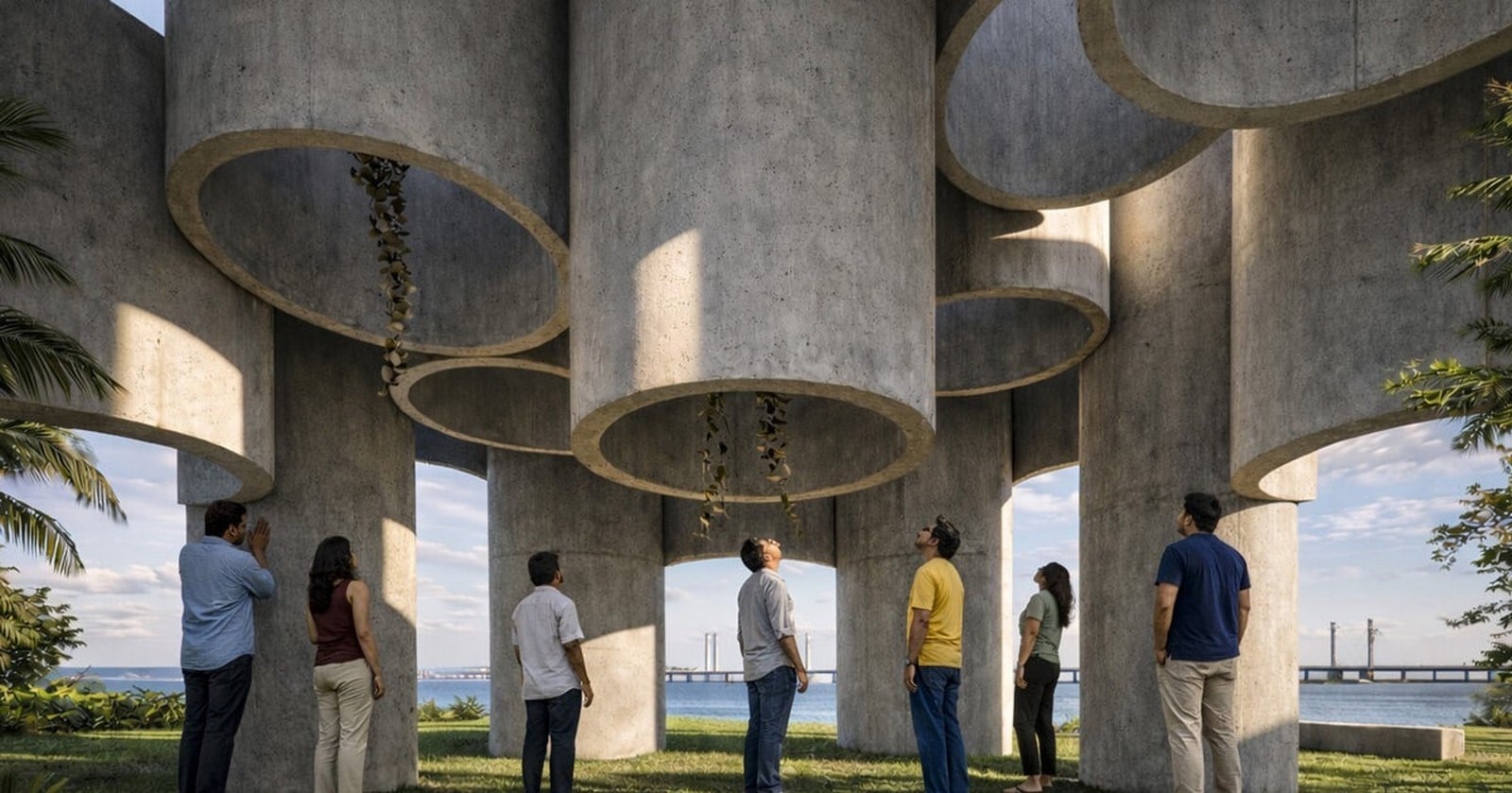
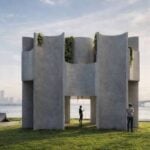
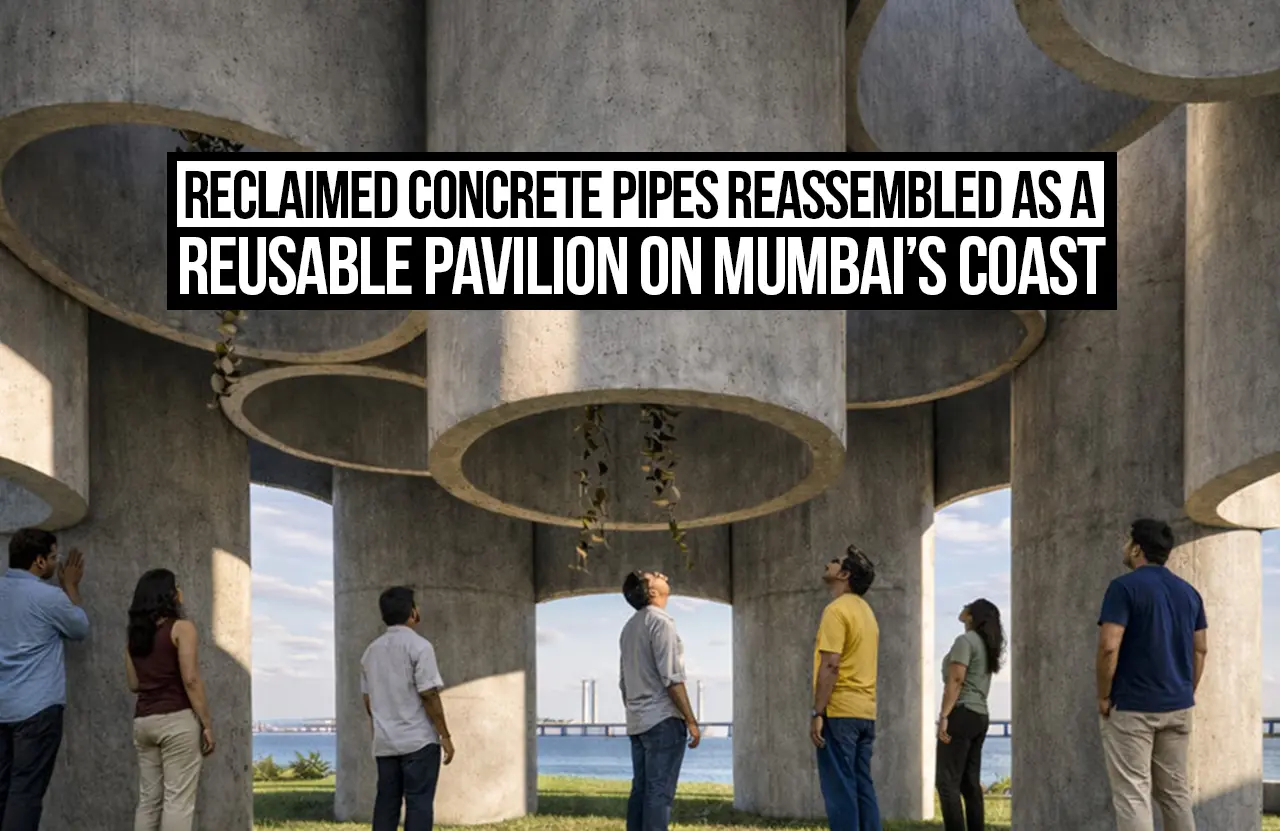
This pavilion, however, is an unbuilt design proposal that simply questions: What if Mumbai’s rejected, decommissioned, and surplus concrete pipes could find a second life in the city’s public infrastructure instead of being reduced to rubble?
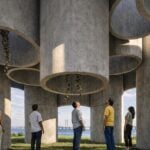
On the coast of Mumbai, a couple of such reclaimed concrete pipes have been extracted from their usual context and put to use to contribute to public infrastructure. Their rather obvious grey cylindrical form remains unmistakable, but in a new configuration.
This architectural experiment is proof of how a material as ordinary as concrete pipes can be put to better use instead of simply being discarded, especially when it remains with the potential to serve a new purpose.
The project, proposed by Shivani Rastogi, Jialu Hou, Kaixin Su and Taoyu Han, received an Honourable Mention at the Buildner’s International Concrete Pavilion Competition.
From Drainage Infrastructure to A Public Space
The idea starts with a profound thought: most people don’t realise that an unreasonable number of concrete pipes go unused (either because they were rejected, overordered or maybe even decommissioned) for their original purpose, making them redundant and thus waste. The designers of this proposal saw it differently; they noticed an untapped potential there.
Traditionally, in cases where they remain unused, the practice is to crush them to aggregate. The designers, however, seemed to ask, what if the component was preserved as is, given its intact structural strength?
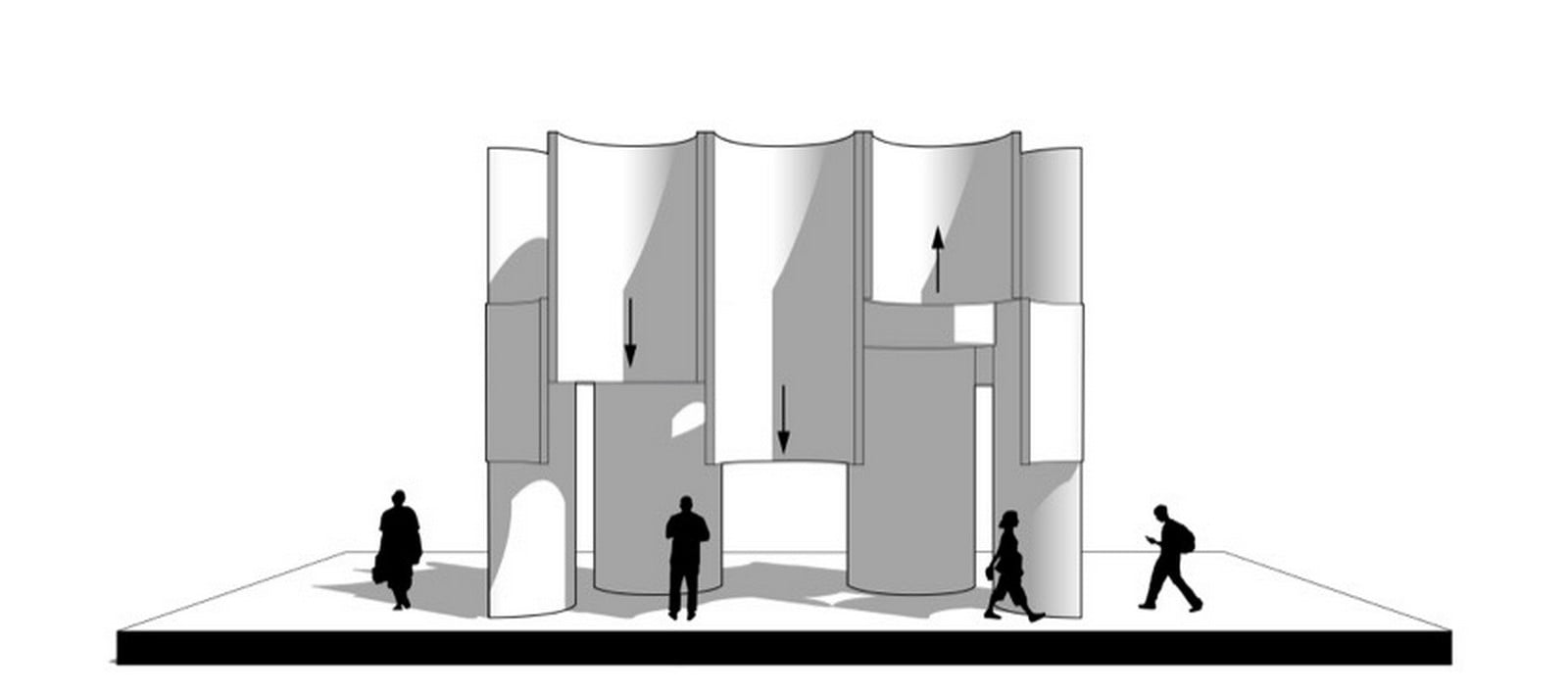
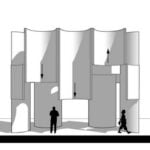
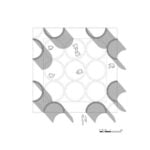
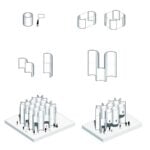
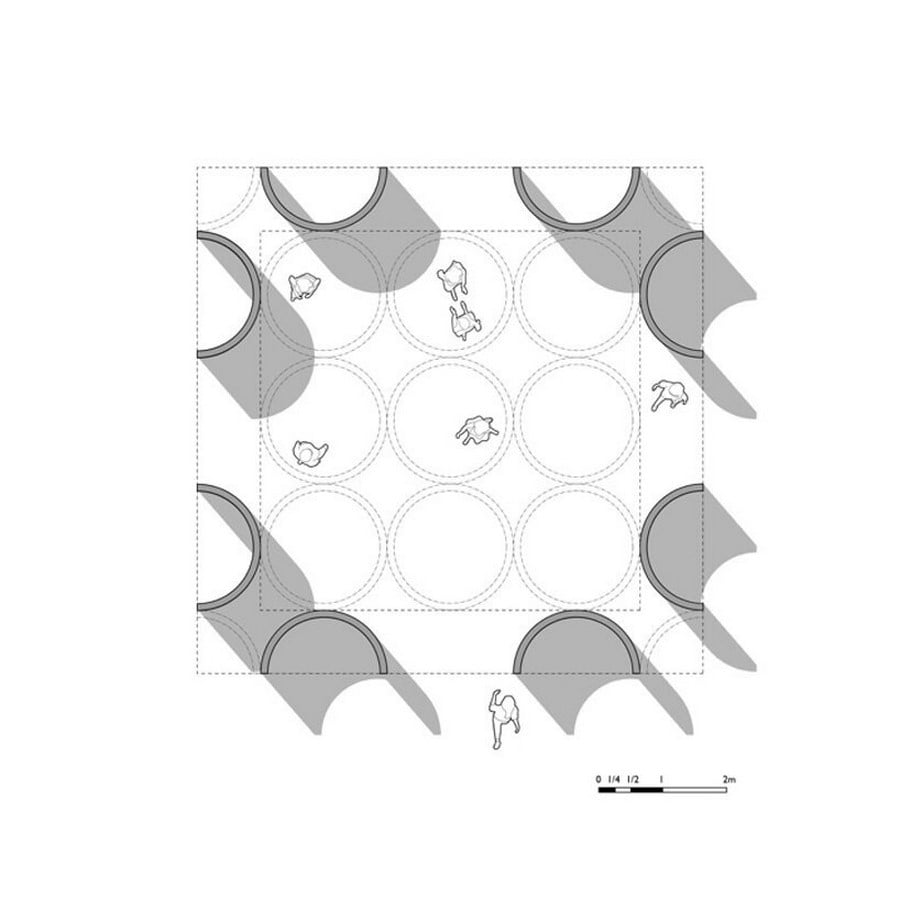
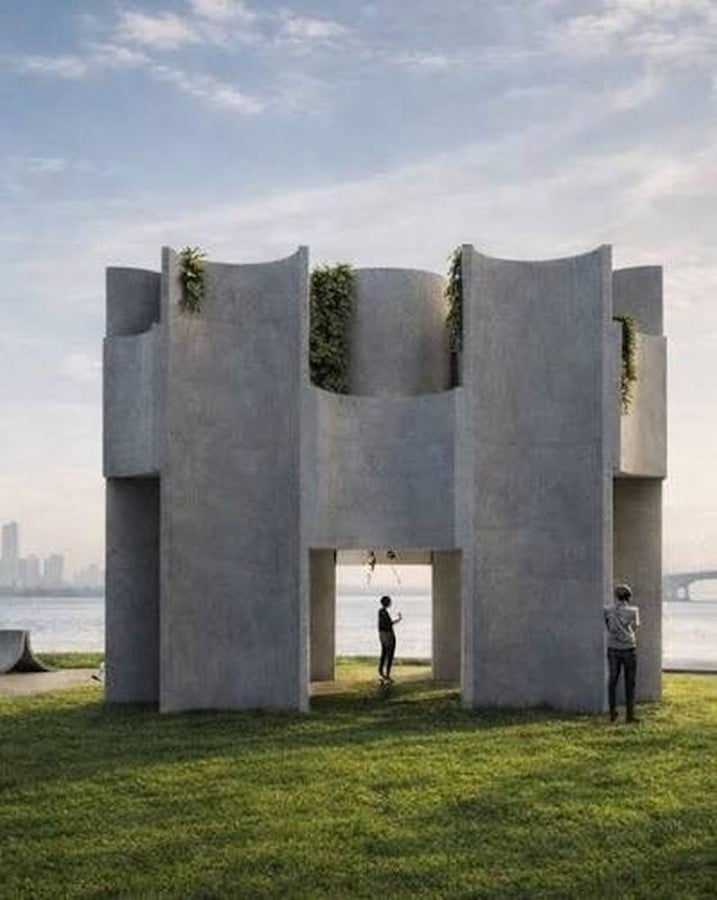
The design makes use of standardised concrete pipe sections measuring 2.1 metres in diameter and 2.5 metres in length. Instead of simply modifying the pipes, the design keeps them raw, intentionally making their origin obvious. While some pipes are used as complete cylinders, some others are cut up longitudinally into curved surfaces. These pieces are then rotated, angled and paired at varying heights to create visual density, depth and aesthetics. Taking into consideration the angles of sunlight and the need for shade in the pavilion, the pipes are drawn into a spatial arrangement accordingly.
The curved sections serve varied architectural purposes – they function as walls, thresholds, light wells and even informal seating. The gaps between these pipes frame the views of the sea, making the coastline a part of the experience.
What makes this design remarkable is the designers’ decision to work with what already exists. Good design is often easier when there are fewer constraints – when designers have the freedom to use whatever material they like and in quantities they deem necessary. Designing with what is left at your disposal, however, is a greater challenge than we realise. But, within these constraints lies greater room for innovation and experimentation. The limitations posed by the material here do not restrict the design but instead become the starting point of it.
A Structure Designed for Modularity
Recycling or reusing a material does not necessarily make a project circular. Thinking of what happens to the material after its purpose here is served is just as important.
The project addresses this concern by adopting a modular and reversible construction system. The components are designed to be dry-connected instead of permanently bonded, allowing the structure to be dismantled and reconfigured upon need. The components of this pavilion can be removed and reused eventually.
This reversibility becomes fundamental to the project since it’s designed as a temporary intervention. The proposal treats the components of the structure as materials with lives that go beyond the pavilion itself, which I think is its most significant theoretical contribution.
What I found particularly interesting about this project is that concrete pipes have always been useful to the city but have remained hidden in plain sight. This pavilion design quite simply changes the perspective and the role these pipes play in the story – from something mundane and buried beneath the road to something that breaches the boundaries of conventional architecture and design. It pushes us to rethink what other purposes a material or an object can serve before we reduce it to waste.
Citations:
- Design Boom. (2026). Cut, rotated and suspended concrete pipes create reusable pavilion in Mumbai. [online]. Available at: https://www.designboom.com/architecture/cut-rotated-suspended-concrete-pipes-reusable-pavilion-mumbai/
- Ghar.TV (2026). Can Mumbai’s Discarded Concrete Pipes become Public Architecture. [online]. Available at: https://www.ghar.tv/blog/can-mumbais-discarded-concrete-pipes-become-public-architecture/artid8334