Air conditioners are beneficial for home cooling during warmer seasons. If cooling systems start running longer to maintain temperature and start becoming less efficient with their cooling output, it might be time to investigate the cooling system. An owner should consider repair, replacement, or maintenance options for their cooling system, because it’s important for homeowners to be able to assess their system’s condition.
Common Signs of Air Conditioning Problems
Before total failure, air conditioners have a tendency to demonstrate certain warning signs. Noticing such changes helps anticipate potential failures and provides time to organize necessary repairs.
Warm Air Coming From the Vents
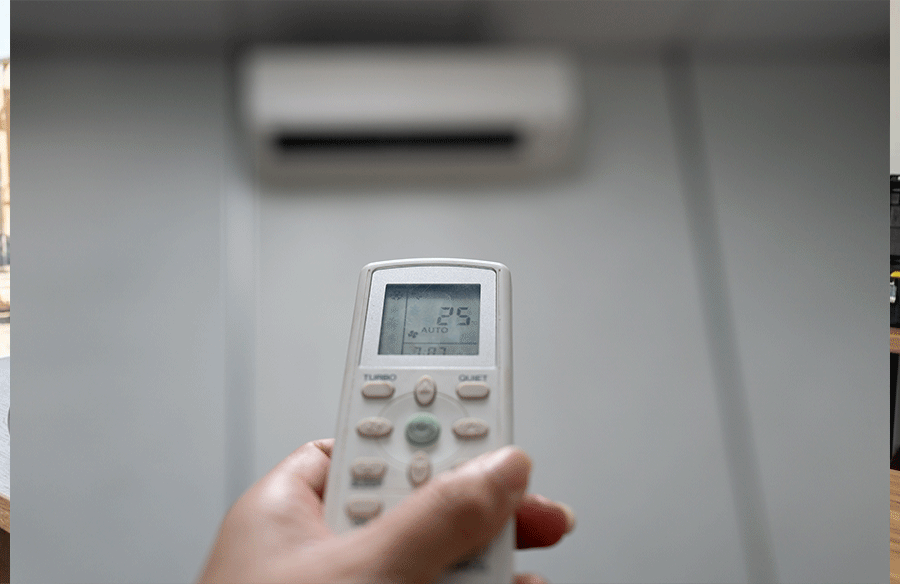
One of the clearest signs of a potential problem is warm or insufficiently cool air coming from the vents. This issue may result from restricted airflow, thermostat settings, refrigerant problems, or a malfunctioning compressor. Homeowners should first check the thermostat and air filter, then arrange a professional inspection if the problem continues.
Unusual Noises or Odors
Grinding, buzzing, rattling, or persistent clicking sounds can indicate loose components or mechanical problems. Musty odors may suggest moisture accumulation or microbial growth inside parts of the system, while burning smells can signal an electrical issue. Turn off the equipment if there is a burning smell and contact a qualified technician rather than attempting electrical repairs yourself.
Uneven Cooling Throughout the House
If one room feels comfortable while another remains hot, the issue may involve blocked vents, ductwork leaks, poor insulation, or an improperly sized cooling system. Closing too many vents to redirect airflow can make some problems worse. A professional assessment can identify whether the solution involves airflow adjustments, duct repairs, or changes to the equipment.
When to Repair or Replace an Air Conditioner
Not every cooling problem requires a new system. The right decision depends on the equipment’s condition, the cost of repairs, its cooling performance, and the likelihood of additional failures.
Situations Where Repair Makes Sense
Repair may be the better option when the system is relatively new, the fault is isolated, and replacement parts are readily available. A faulty thermostat, clogged condensate drain, or worn electrical component may be repairable without replacing the entire unit.
Before approving work, ask the technician to explain the problem, provide an itemized estimate, and identify any underlying issues that could cause the same fault to return. Comparing repair costs with the equipment’s remaining useful life can help you make a more informed decision.
When Replacement Becomes Worth Considering
Replacement may be appropriate when an older system experiences repeated breakdowns, struggles to cool the home, or requires expensive repairs. Homeowners should also consider energy efficiency, refrigerant compatibility, equipment availability, and the expected cost of operating the existing unit.
A qualified professional can evaluate the property’s cooling requirements before recommending a replacement. Proper equipment sizing matters because an oversized or undersized system may cause comfort problems, inefficient operation, or inadequate humidity control.
Why Professional Installation Matters
Correct installation is essential for reliable cooling performance. Even a high-quality air conditioner can perform poorly if the equipment is incorrectly sized, refrigerant lines are improperly installed, or airflow is not adequately balanced.
Homeowners considering AC installation should look for a qualified service provider who can assess the property, recommend suitable equipment, and explain the installation process. The evaluation should consider room sizes, insulation, window exposure, ductwork condition, and the home’s overall cooling load rather than relying solely on the size of the existing unit.
What to Expect During Installation
A professional installation generally involves several important steps:
- Cooling assessment: Evaluate the home’s layout and cooling requirements to determine appropriate equipment capacity.
- Equipment selection: Compare efficiency ratings, operating costs, warranty coverage, and system compatibility.
- System preparation: Inspect existing electrical connections, refrigerant lines, condensate drainage, and ductwork where applicable.
- Equipment installation: Position and connect the indoor and outdoor components according to manufacturer specifications.
- Testing and commissioning: Verify airflow, thermostat operation, drainage, and system performance before completing the job.
The exact process depends on whether the project involves a central air conditioning system, a ductless mini-split, or replacement of an existing unit. Homeowners should also confirm permit requirements and ask for documentation covering equipment warranties and installation work.
Maintenance Tips for Better Cooling Performance
Regular maintenance helps keep an air conditioning system operating as intended. Although maintenance cannot eliminate every mechanical failure, it can identify developing problems and address conditions that interfere with airflow or heat transfer.
Homeowners can follow a few practical habits throughout the cooling season:
- Check and replace or clean air filters according to the manufacturer’s recommendations.
- Keep the outdoor unit clear of leaves, grass, and other debris.
- Make sure indoor supply and return vents remain unobstructed.
- Check for visible water leaks around the indoor equipment.
- Schedule professional maintenance when needed, particularly before periods of heavy use.
Avoid opening electrical compartments or handling refrigerant lines without the necessary training and equipment. These tasks should be left to qualified professionals.
Make an Informed Decision About Your Cooling System
Choosing between repairing an existing air conditioner and installing a new one requires more than comparing the immediate costs. Homeowners should consider system reliability, comfort, energy consumption, repair history, and the suitability of the equipment for their property.
By addressing warning signs early, maintaining the equipment, and seeking professional guidance when necessary, homeowners can reduce avoidable disruptions and make more informed decisions about indoor comfort. A well-planned repair or installation can provide dependable cooling while helping manage long-term operating costs.