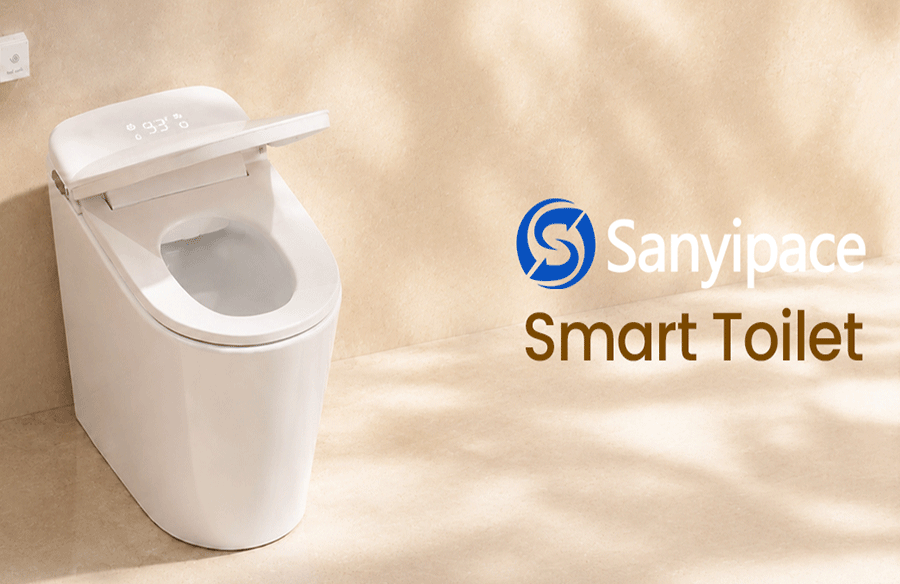
When planning a bathroom renovation, most people start with the visible details: tiles, lighting, showers, and vanities. The toilet often comes later, treated as a necessary fixture rather than an important part of the overall design.
That approach is beginning to change. As homeowners pay more attention to comfort, hygiene, and the way they use their homes, smart toilets are becoming part of modern bathroom planning. Brands such as SANYIPACE offer models that combine bidet washing, heated seating, automatic flushing, and other functions in a single fixture.
But what is the best smart toilet for a modern bathroom? The answer depends on more than the number of features or the appearance of the fixture. Bathroom dimensions, plumbing, electrical access, maintenance, and the needs of the people using the space all deserve consideration before making a purchase.
What Makes a Smart Toilet Worth Choosing?
A smart toilet combines a conventional toilet with electronic functions designed to improve everyday use. Depending on the model, these may include a built-in bidet, adjustable water temperature and pressure, a heated seat, automatic flushing, and a warm-air dryer.
For some households, the main attraction is water-based cleansing. Others may value a heated seat, hands-free controls, or the convenience of combining several functions in one fixture.
The important distinction is between features that look impressive on a specification sheet and those that genuinely suit the household. A family bathroom used by several people may benefit from adjustable wash settings and straightforward controls. In a guest bathroom, ease of operation and a design that fits the available space may matter more than advanced automation.
The best smart toilet is therefore not necessarily the most expensive model. It is the one that provides the right combination of functions, fits the bathroom properly, and remains practical to use and maintain.
Which Smart Toilet Features Matter Most?
Smart toilets can include a long list of functions, but a few deserve particular attention when comparing models.
- Built-in bidet washing is one of the main reasons to consider a smart toilet. Look for adjustable water pressure, temperature settings, and wash modes that allow different users to find a comfortable setting.
- A heated seat can be a welcome addition in colder climates. Some models provide several temperature settings, allowing users to adjust the seat to their preference.
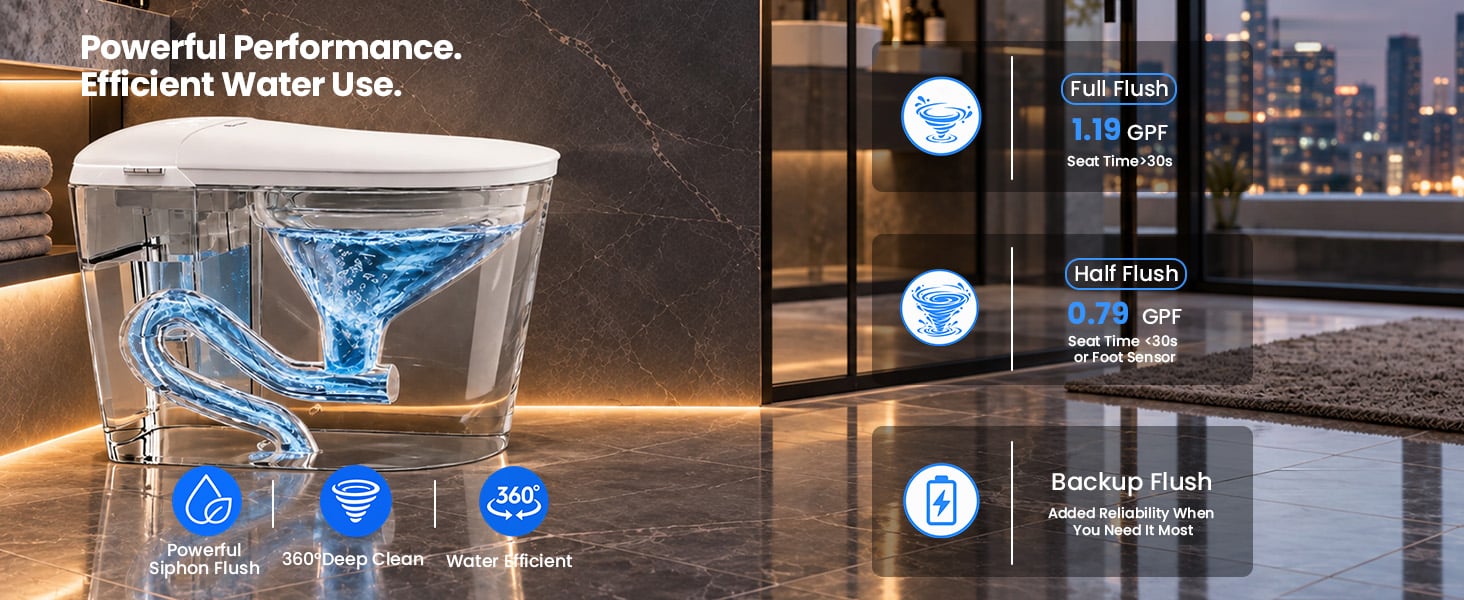
- Automatic flushing and sensor controls reduce the need for manual operation. Depending on the model, the lid may open automatically, the toilet may flush when the user leaves, or a foot sensor may control selected functions. These features can be convenient, but their operation should be easy to understand.
- Warm-air drying provides another option after bidet washing and may reduce reliance on toilet paper. Its usefulness depends on individual preferences and the drying performance of the model.
- Nozzle cleaning and other hygiene features also deserve a closer look. Self-cleaning nozzles, removable components, water filtration, and UV sterilization on selected models can support routine hygiene, although they do not replace regular cleaning.
Rather than choosing a toilet simply because it has the longest feature list, consider which functions will be used every day. Spending more on features that rarely get used may not improve the overall experience.
How Should a Smart Toilet Fit into the Bathroom Design?
The appearance of a smart toilet matters, but it should be considered alongside the layout of the room.
A one-piece design can create a more integrated look, with fewer visible transitions between the bowl and the body. A streamlined white model may suit a minimalist bathroom, while a black finish can provide contrast against lighter tiles, stone, or neutral cabinetry.
Such considerations extend beyond mere aesthetics, influencing the perceived spaciousness and flow of a room. Architects and interior designers often select fixtures that complement the material palette and overall architectural style, ensuring that every element contributes to a cohesive and intentional environment.
Proportion is just as important as color. A large toilet can make a compact bathroom feel crowded, while a model with a bulky profile may compete visually with a floating vanity or a walk-in shower.
Before choosing a fixture, consider:
- The toilet’s overall length, width, and height.
- Clearance around the toilet for comfortable use and cleaning.
- Whether the lid can open fully without hitting a wall, vanity, or other fixture.
- How the toilet’s finish and shape relate to the rest of the bathroom.
A smart toilet should feel like part of the original design, not a technological addition that was fitted in after the layout had already been decided.
Integrating fixtures early in the design process allows for seamless incorporation into the architectural blueprint, optimizing spatial relationships and functional efficiency. This foresight ensures that technological advancements enhance, rather than disrupt, the intended design narrative of a space.
What Should You Check Before Installation?
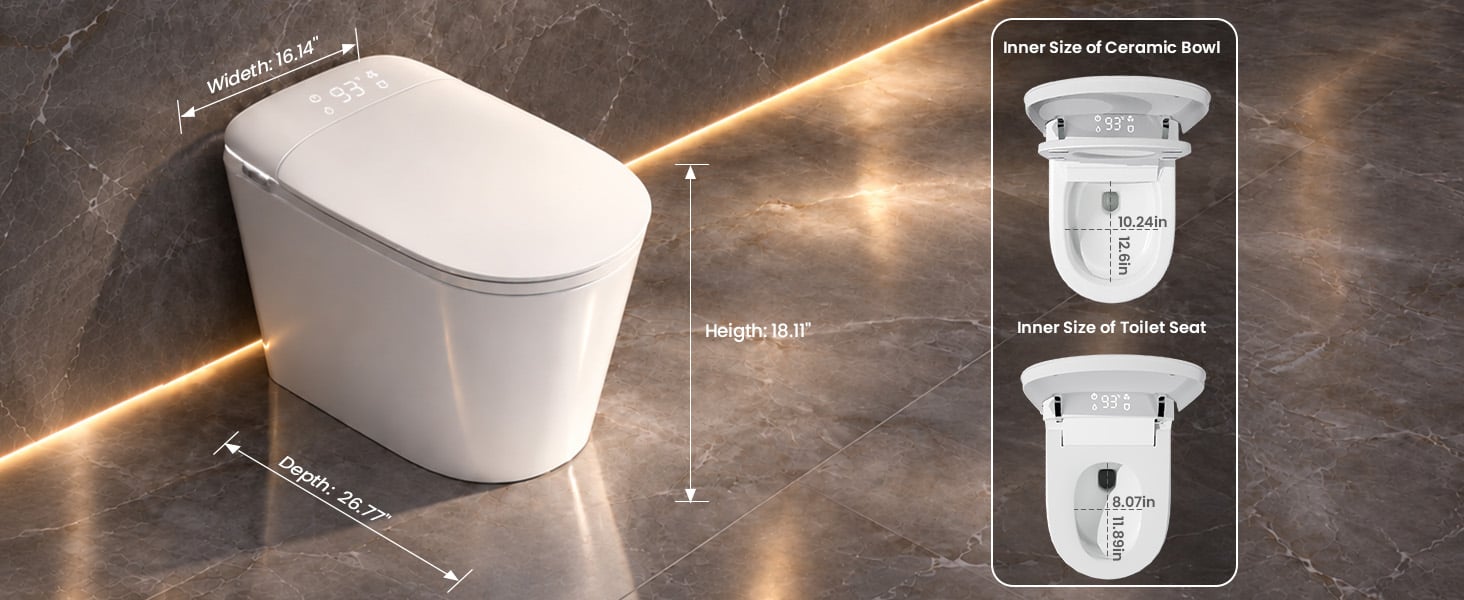 A smart toilet has more installation requirements than a conventional fixture because it combines plumbing with electrical components. Checking compatibility before ordering can prevent unnecessary changes during a renovation.
- Rough-in distance: In the United States, a 12-inch rough-in is common for floor-mounted toilets, but other sizes are available. Measure from the finished wall to the center of the floor drain or the relevant mounting reference specified by the manufacturer. Always compare the measurement with the exact product specifications.
- Electrical supply: Most full-featured smart toilets need a suitable nearby outlet to power functions such as bidet washing, heated seating, drying, and sensors. Confirm the required voltage, outlet location, and electrical protection before installation. Bathroom electrical work should comply with local codes.
- Water supply and pressure: Check the water connection and the manufacturer’s pressure requirements. Tankless models may depend more heavily on the available water pressure, while models with a built-in tank or pump-assisted flushing system may work differently.
- Maintenance access: A toilet should remain accessible for routine cleaning and servicing. Avoid planning cabinetry or other fixtures in a way that makes connections, filters, or service components difficult to reach.
These practical details are especially important when selecting a smart toilet for an existing bathroom. A model may have all the desired features, but it is not the right choice if it requires extensive plumbing or electrical changes that the project cannot accommodate.
How Much Should You Spend on a Smart Toilet?
 In the US market, a full smart toilet can cost anywhere from around $600 to several thousand dollars. Lower-priced models often combine essential functions such as bidet washing, a heated seat, and automatic flushing, while premium models may add more advanced controls, specialized hygiene features, or distinctive designs. Established brands can charge $2,000 or more for some models, so it is worth comparing the actual features rather than assuming a higher price means a better fit.
The brand offers several integrated models in a more accessible price range. At the time of writing, the SD01Pro is listed at $659.99, the SD03Pro at $769.99, and the SD06Pro at $965.99. The black SDB07Pro is listed at $979.99. These are current promotional prices and may change.
The differences between these models are more useful than the prices alone. The SD03Pro, at $769.99, includes dual bidet nozzles for rear and feminine washing, adjustable water pressure and temperature, a heated seat, UV sterilization, and automatic lid and flushing functions. It is worth considering for households that want more personalized washing options. The SD06Pro, at $965.99, adds six wash modes, an antibacterial seat and nozzle wand, a foam-shield function, and a built-in tank. It may suit buyers who place more emphasis on cleansing options and easier bowl maintenance.
You should also account for installation costs. If your bathroom needs a new electrical outlet or plumbing modifications, those expenses can add to the purchase price. Before ordering, check the rough-in distance, water connection, electrical requirements, and warranty coverage. For example, the SD03Pro specifies a 12-inch (305 mm) rough-in and a 110V power supply, so compatibility should be confirmed before purchase.
Ultimately, the best value depends on which features you will use regularly. If you mainly want bidet washing and a heated seat, you may not need to pay for every available automation feature. If you want multiple wash modes, automatic operation, and additional hygiene functions, paying more for a model that includes those features may make sense. Compare the specifications, installation requirements, and after-sales support before deciding.
An Example of an All-in-One Smart Toilet
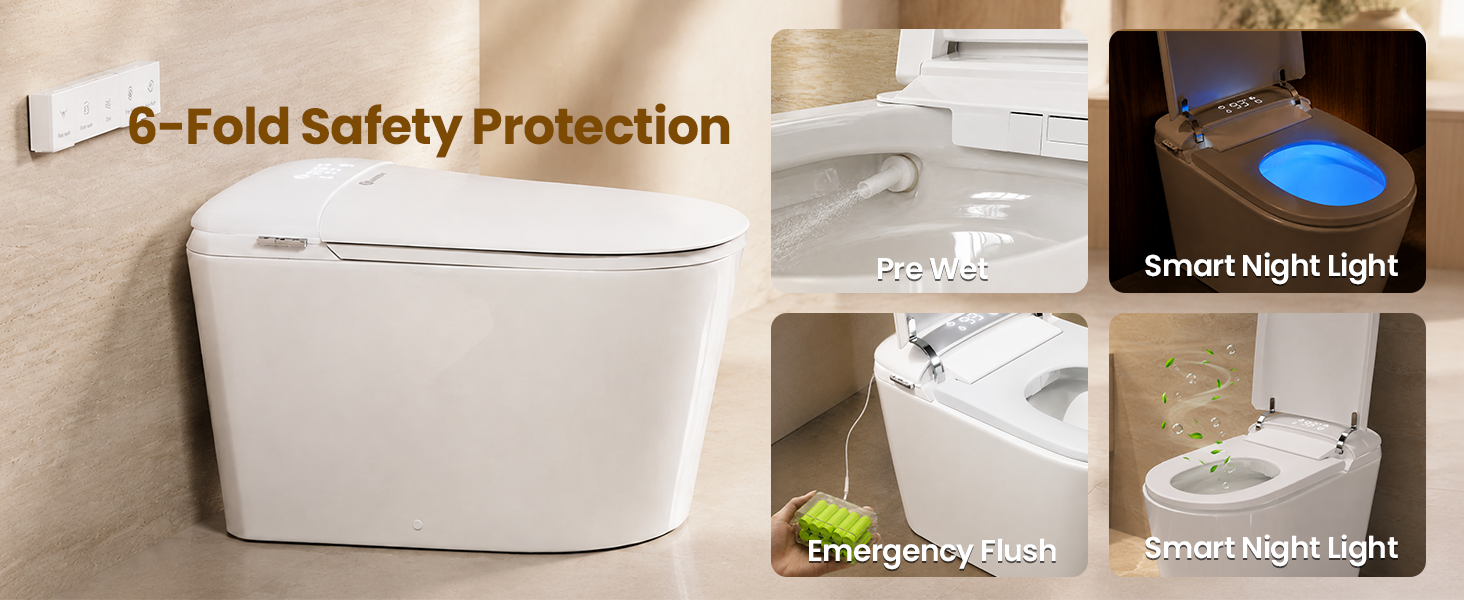 For homeowners comparing integrated models, the brand’s smart toilet collection offers several configurations with different combinations of washing, comfort, and automatic functions.
One example is the SD06Pro smart toilet. It combines six bidet wash modes with adjustable water settings, a heated seat, automatic functions, and a built-in tank. It also includes a self-cleaning, removable nozzle, dual water filtration, and battery backup for essential flushing during a power interruption.
These features illustrate how a single fixture can bring together functions that might otherwise be considered separately. Whether this particular combination is right for a bathroom depends on its dimensions, installation requirements, and the preferences of the people who will use it.
When comparing this brand with other brands, the same criteria should apply: check the actual specifications, compare the functions included, and confirm that the model suits the intended installation.
Is a Smart Toilet the Right Choice for Every Bathroom?
Not necessarily. A smart toilet can be a worthwhile upgrade for a primary bathroom, a family home, or a renovation where comfort and integrated features are priorities. In other situations, a conventional toilet or a separate bidet seat may meet the household’s needs with less expense or installation work.
For a small guest bathroom, simplicity may be the deciding factor. For a long-term home renovation, adjustable washing, heated seating, and hands-free functions may offer greater everyday value. In an accessible bathroom, the control layout, seat height, and surrounding clearance should be assessed alongside the electronic features.
The best decision comes from considering the bathroom as a whole rather than choosing a fixture in isolation.
Making the Right Choice for a Modern Bathroom
A smart toilet can contribute to a more considered bathroom design by combining several everyday functions in one fixture. However, technology alone does not make a toilet the right choice.
The most suitable model balances comfort, hygiene, appearance, installation requirements, and long-term maintenance. It should fit the room, meet users’ needs, and offer genuinely useful functions rather than adding complexity.
For homeowners and designers exploring smart bathroom options, this brand is one to include in the comparison. The best approach is to review each model’s specifications, consider how its features fit the intended space, and choose a fixture that remains practical long after the renovation is complete.