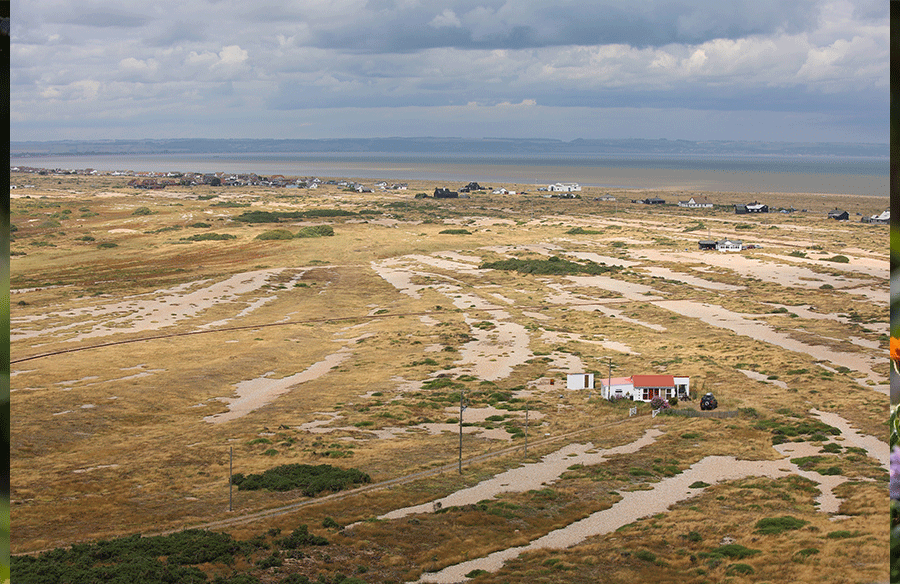
Drive north from Lubbock toward Amarillo and the horizon barely moves. The land is flat, the sky is huge, and the weather has a long runway to build up speed before it hits anything. That openness is beautiful. It’s also the single biggest force acting on every roof in the region.
Architecture on the Texas High Plains has always been a negotiation with climate. Early dugouts and sod houses hugged the ground. Ranch houses spread low and wide. Today, Amarillo roofers spend much of their year repairing what hail and wind leave behind, and the lessons from that work say a lot about how roofs in this part of the country ought to be designed.
A climate of extremes
The High Plains climate is semi-arid, with hot summers, cold snaps in winter and big swings between day and night. Elevation around Amarillo sits well above 3,000 feet, so the sun is strong and ultraviolet exposure is high.
Then there are the storms. Big ones. Spring brings supercells that can sweep in from the west, darken the afternoon and drop large hail across whole neighborhoods in a matter of minutes, often with strong straight-line winds riding along, so that a roof gets hammered from above and pried at from the side in the same short burst of weather. Dust storms too. Winter ice. Then warmth.
Each one attacks a roof differently. UV breaks down the oils in asphalt shingles and makes them brittle. Temperature swings make materials expand and contract, loosening fasteners and opening seams. Hail bruises and fractures surfaces. Wind finds every loose edge and pulls.
A roof that suits this place has to handle all of it. At once.
Form follows weather
Look at the older farmhouses scattered across the Panhandle, the ones that have stood through generations of spring storms and dry winter wind, and you’ll notice the same moves again and again: moderate pitches, simple gables or hips, and eaves that are generous without ever being extravagant. Not by accident. Simple forms are easier to build, easier to fix and leave fewer joints for wind-driven rain to exploit.
Hip roofs in particular tend to perform well against wind. With all four sides sloping, there’s no tall, flat gable end catching gusts like a billboard. Steeper pitches shed hail at an angle, reducing direct impact energy compared with a nearly flat deck.
Contemporary design often pushes the other way, toward low slopes, flat roofs and dramatic cantilevers. Those can work here, but they ask more of the materials. A flat roof needs a membrane that resists puncture from hail and a drainage plan that won’t let water pond after a storm. A long, thin overhang needs to be anchored so the wind can’t lift it.
Good regional design doesn’t reject modern forms. It takes the climate into account before the drawings are final. Crews at CRS Roofing & Construction see both kinds of roofs after the same storms, and the simpler shapes usually need less work.
Materials as climate response
Material choice is where climate gets specific.
Asphalt still dominates. The real shift in recent years has been toward impact-rated products. Under the UL 2218 test, a Class 4 rating means a shingle withstood a two-inch steel ball dropped from a set height without cracking. These shingles often use rubberized asphalt or reinforced mats that flex instead of shattering.
Metal is catching on. Standing seam metal roofing in Amarillo handles wind well and reflects a good share of solar heat, which helps during long, hot summers. Hail can dent it, though the panels usually keep shedding water even when marked.
Tile, so common in other parts of the Southwest, is less forgiving here. Concrete and clay can fracture under large hail, and older profiles can be hard to match when repairs come.
Color matters. A lot. Lighter roofs reflect more heat and can ease cooling loads, while darker roofs absorb more sun and age faster under intense UV. It adds up.
The hidden layers
The surface gets the attention. Beneath it? Survival.
Underlayment is a second line of defense. Synthetic underlayments resist tearing better than old felt paper, and self-adhered membranes along eaves, valleys and penetrations stop water that gets past a damaged shingle. Proper deck nailing keeps the whole assembly fastened when winds spike.
Ventilation is less dramatic and just as important, because an attic that can’t breathe will cook the underside of the roof deck all summer long, shortening shingle life, pushing the air conditioner harder through every July afternoon and leaving the whole assembly more brittle by the time the next hail season arrives. Balanced intake at the soffits and exhaust at the ridge keeps temperatures in check.
Flashing at walls, chimneys and valleys is where most leaks begin, and in a climate where the wind regularly drives rain sideways under any lip or lap it can find, those details deserve more care and more inspection than they usually get on a busy job site.
Insurance as a design pressure
One of the less romantic forces shaping roofs on the High Plains is the insurance market. Hail claims are a fact of life across the Panhandle and South Plains, and insurers have responded with higher wind and hail deductibles, changes in how older roofs are valued and, in some cases, discounts for impact-resistant materials.
That pushes homeowners and builders toward tougher products. It also rewards good record keeping. Photos of a finished roof, product labels and installation dates make claims after a storm much smoother.
Insurance has become part of the design brief. A roof isn’t judged only on how it looks on opening day but on how it holds up to its first serious storm.
Learning from the land
The best roofs on the High Plains feel like they belong. They sit low against the wind, use materials that can take a hit and are detailed by people who have seen what storms do up close.
That kind of design reads the climate honestly. It doesn’t pretend. Out here, where you can watch a storm coming from fifty miles off, a roof that respects the sky tends to last a lot longer than one that ignores it.