Effective livestock area design is not just about having enough space and reliable machinery. The movement of animals, workers, machines, food, and other supplies throughout the property may influence the productivity and safety of everyday activities. The gates form an essential component of this design, since they are responsible for controlling the access to different areas. Proper planning of gates will allow eliminating excess movement and simplify work procedures. In addition, proper design of livestock areas will provide better management of livestock.
Gate Placement Supports Better Movement
The position of each gate must be according to the movement pattern of both livestock and personnel on the property. A gate located closer to areas where traffic is common can lessen the distance needed to be covered by personnel in transporting livestock from one pen, pasture, or handling area to another. Access areas must also not create a situation where animals will find themselves in congested and hard-to-manage spaces.
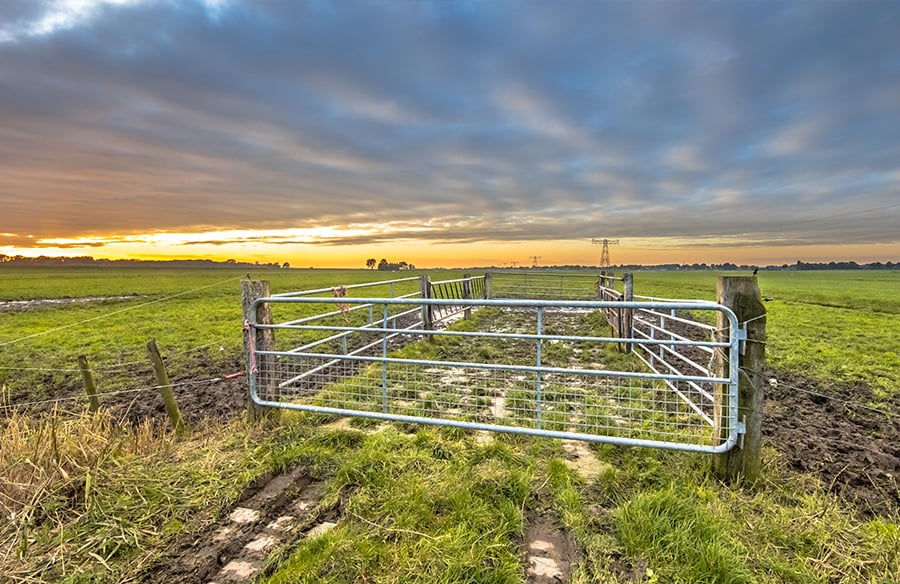
A cattle gate can prove handy in dividing up livestock areas while also allowing easy access to the area. Gating areas which are regularly used must have sufficient clearance for the equipment or vehicles that pass through the area. It must also be located in such a way that personnel can operate the gates without being in an area where livestock can press against them.
Gate Construction Affects Daily Work
The building of the gate could affect its performance. A gate that will be used often has to be sturdy enough to endure opening and closing, contacts with various creatures, and the elements outdoors. Attention has to be paid to hinges, latches, posts, and joints since any trouble in these parts may result in the inoperative condition of the gate even if its other parts are good enough. Using the material appropriate for the particular environment will help in lowering maintenance costs and increasing the useful lifespan of the structure.
The ease of using the gate is another aspect that has to be considered. An over-heavy gate or a complicated lock may cause problems while performing regular duties, especially when the workers are carrying some stuff or animals. The gate has to open easily and securely be locked. Hardware of high quality installed on the gate used in a busy place will allow workers to perform their duties more effectively.
Access Planning Improves Livestock Management
Effective livestock zones will also include well-defined spaces that have been designed for specific functions. Gates can be used to control entry into areas for feeding, corrals, grazing, and handling as well as enabling staff to guide livestock as required to other locations. The separation of these spaces can increase efficiency in these activities while reducing livestock movement in other parts of the premises which may not be under use at a particular time.
The design of gates must also consider the positioning of equipment in the area meant for feeding and watering. Cattle troughs, for example, need to be placed in such a way that livestock can get to the troughs without leading to congestion near entrance points. In addition, there is a need for space that enables inspection and maintenance without hampering animal movement. Effective integration of gates with equipment can therefore be considered.
Ventilation And Farm Conditions Matter
Indoor livestock pens may need extra planning since the ventilation of these pens affects both the comfort of the animals and the efficiency of the work. Gates may serve as part of the ventilation process when they are set up between enclosed spaces, but in any case, they shouldn’t take the place of proper ventilation of the space. Exhaust fans may be installed in buildings in order to provide good air circulation by exhausting warm air from the premises. The design of gates and doors, fans, and other openings should be thought of as part of the general layout of the area which should satisfy the needs of both animals and the people working there.
Mud, standing water, snow, and uneven terrain outside may affect the operation of gates by making them difficult to open and creating additional strain on posts and hinges. Good drainage near the entrances used frequently will help to avoid these difficulties. Approaches to the entrance should be kept relatively level and clear of obstacles so that trailers and workers could get through without any problems.
Improved gates may also lead to better organization within the farm when they are properly chosen and placed, considering the daily demands of the property. Sturdiness of design, accessibility, proper separation, and taking into account the surroundings may help in making the daily processes more efficient. It is advised for farm owners to examine the activities that occur within each of the areas regarding the movements of livestock, people, and machines prior to placing gates in those areas.