
Pests are pesky, and their invasion can cause nightmares, property damage, medical risks, and expensive removal and repair costs. Rodents gnawing on furniture, electrical wiring, and building materials cause structural risk and fire hazards. There is every reason to keep your home secure from these intruders.
Thoughtful architectural design often incorporates strategies for pest deterrence, from selecting resilient building materials to designing sealed envelopes that minimize entry points. Understanding these vulnerabilities is crucial for maintaining the long-term integrity and safety of any structure.
Identifying rodent presence is fundamental for a successful removal operation. Determine when the unwanted creatures have entered your home before seeking extermination services. Timely inspection is critical to prevent damage caused by their activity in the house. This article enumerates ways you can personally inspect your home and identify a rodent invasion. These signs help you identify pest presence before calling exterminators to eliminate them and keep your home clean and structurally sound.
1. Visual Evidence
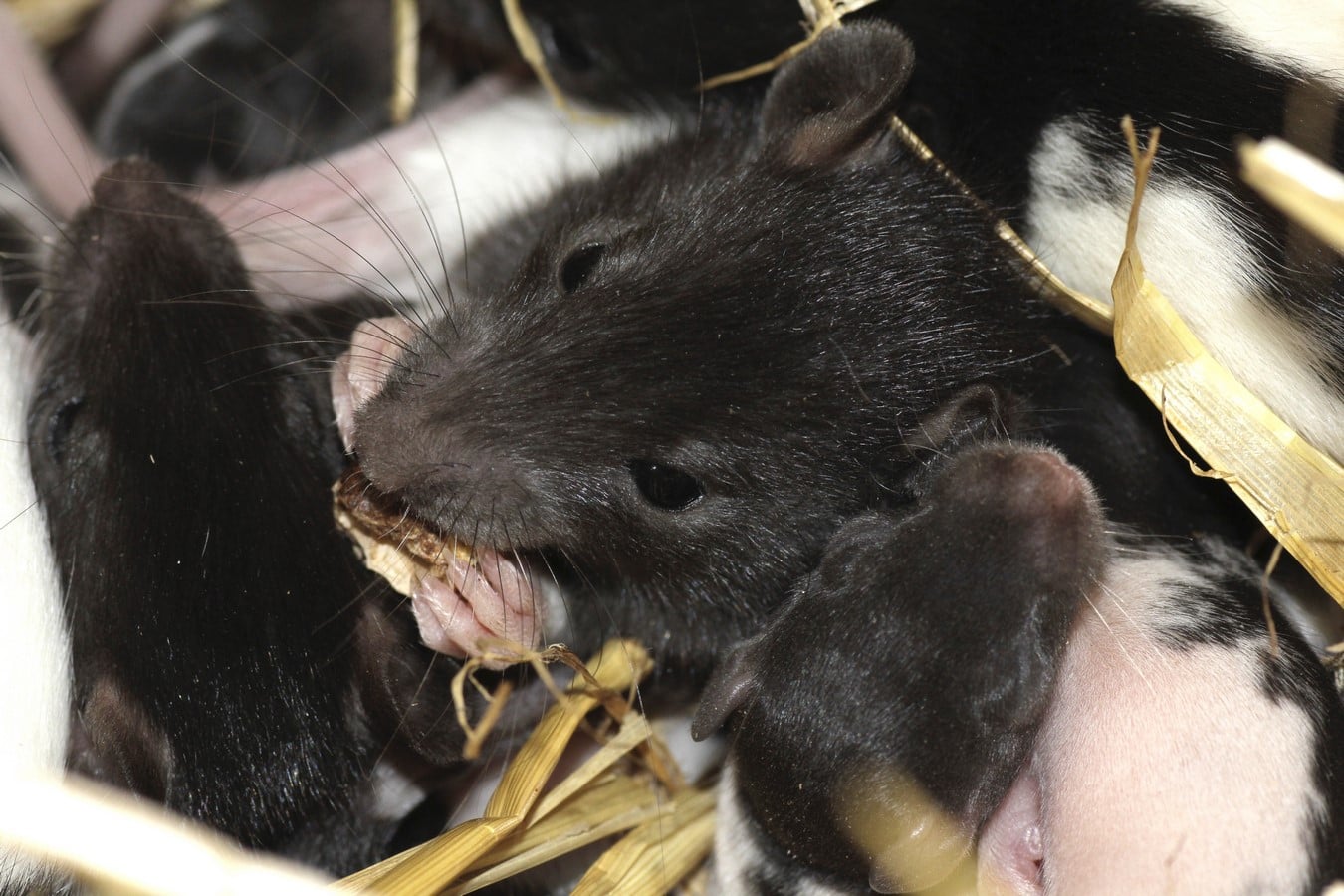
Rodents sneak and hide when people are moving around the house. They come out in the dark, making it rare to see them moving around. You may see one rat run across the room or behind the boxes when you open the garage door. That is a clear indicator. But since you are here, you may not really have seen one and want to know what to look for.
Have you ever opened your kitchen drawer in the morning and spotted a few small, dark pellets resembling black grains of rice scattered near your utensils? Rodents drop their waste where they eat. In some areas, like the back of a pantry or a corner of the garage, they tear things to make nests. You might find a messy cluster of shredded paper, cardboard, and fabric tucked away in the dark.
To address these subtle clues, you must hire professionals near you. Local experts leverage community-specific insights to determine structural breaches many operators miss. For instance, if you reside in Detroit, hiring professional rodent exterminators in Detroit ensures a swift, targeted inspection. They eliminate the nesting sites before serious structural damage begins.
2. Movement Tracks
Small, creepy animals follow the same paths every night. Rodents have poor eyesight, and they instinctively hug walls and baseboards to navigate in the dark. They scurry along these perimeters, and their oily fur leaves dark grease smudges behind. You will notice distinct, discolored track lines across your lighter baseboards or kitchen cabinets. In dusty areas like basements or attics, you will find clear footprint patterns and tail drags.
You need smart tracking techniques to map out these hidden runways. Sprinkle a thin layer of talcum powder along suspected wall borders; you can see the fresh paw marks in the morning. Seal these transit paths with durable steel mesh to stop movement. Place traps accurately for a successful capture.
3. Scent Identifiers
Have you ever come back from work and got hit by a pungent, stale odor? A growing rodent population creates a distinct, ammonia-like smell inside your home. Mice and rats constantly deposit waste along their active runways. This foul odor gets trapped inside dark pantries and closets. A dead pest inside a wall and its rotting stench linger for weeks.
Sniff along baseboards and find the hidden nesting zones. You should immediately ventilate the area to clear the air. Spray an air freshener to neutralize the pungent odor. Wearing rubber gloves, spray the soiled spots with disinfectant. This helps remove the scent trails that attract other invading pests.
4. Physical Property Damage
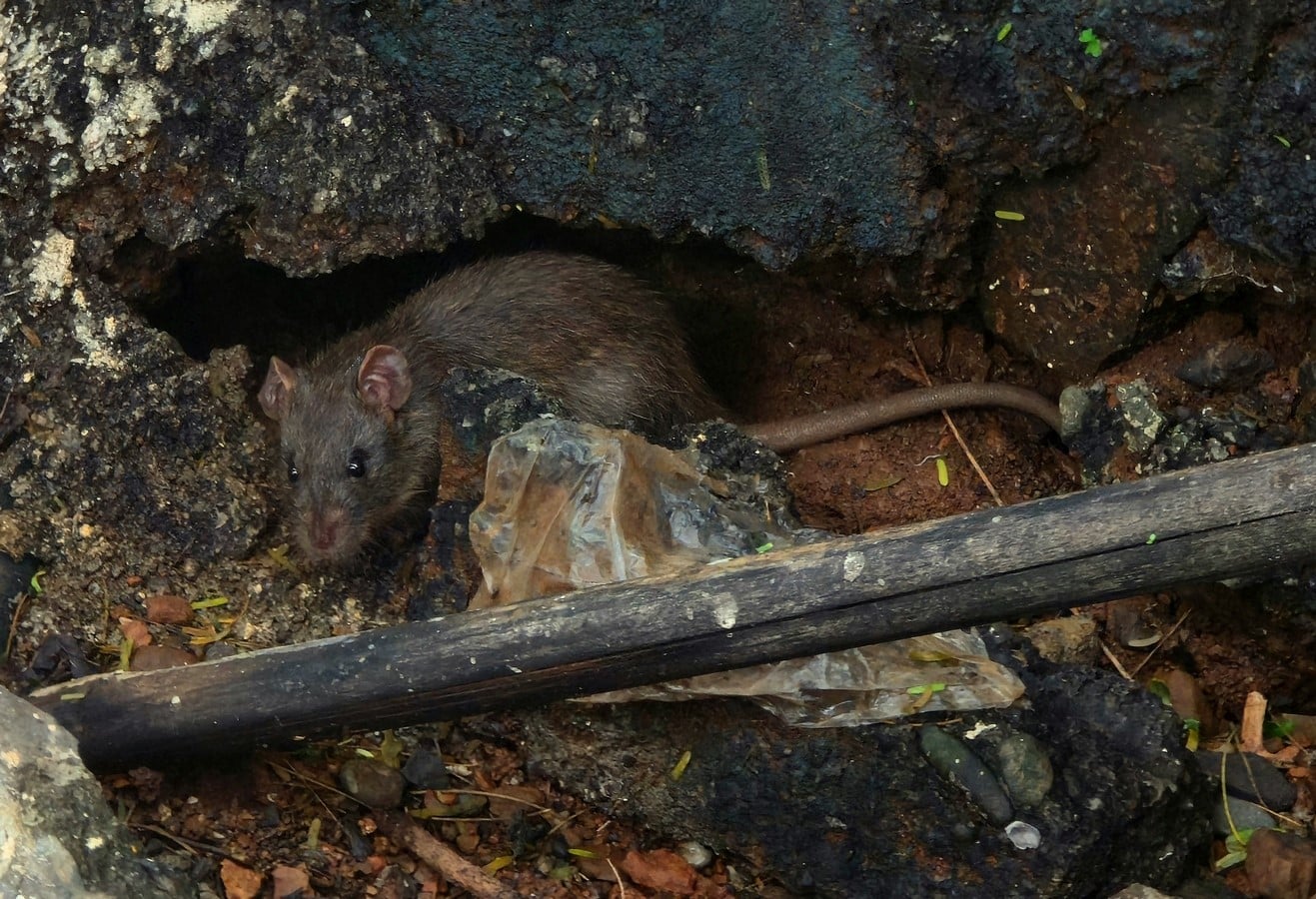
Have you recently seen small, clean-cut holes in the corners of your cereal boxes? Or did you notice plastic food storage containers with weirdly rough, shredded edges? Rodents’ front teeth grow continuously throughout their life. They have a constant, frantic instinct to chew on hard surfaces to wear them down and feel good. If you run your hand along a wooden baseboard or a door frame, you may feel a series of sharp, raw grooves that weren’t there a week ago.
Some rodent invasions may pose real danger without visual signs. A mouse or rat can slip behind your major appliances or into a utility closet. It will aggressively shred fiberglass insulation for nesting material and gnaw directly through plastic pipes and electrical wiring. You may only discover damage when it becomes catastrophic. For instance, you see your dishwasher suddenly leaking, or an outlet stops working. Exposed copper wires could short-circuit and spark when powering on appliances or trip the main fuse.
The careful selection and installation of building materials and utility systems are fundamental to resilient design. Architects and engineers consider how materials like insulation, piping, and wiring are protected and integrated to prevent both external intrusion and internal damage, ensuring the longevity and safety of a building’s essential functions.
5. Auditory Signs
Sometimes it takes a sensitive ear to spot the early warning signs of an invisible rodent problem. Invading pests become highly active when your house goes completely quiet at night. You will hear frantic scratching and scurrying sounds coming from inside your drywall. Mice and rats also run across ceiling panels, creating light tapping noises overhead. Faint, high-pitched squeaking sounds are signs of nesting.
Listen closely to locate exactly where the rodents are hiding. You should check quiet attic corners and the dark spaces behind kitchen appliances or furniture. If you hear activity, tap firmly on the wall to map their movements. Marking these noisy zones tells you exactly where to set traps.
Summing Up
Rodents are the most annoying pests. They not only destroy furniture, appliances, and the wiring network but also leave infectious pathogens from their decaying waste. Rodent bites can also spread viral infections, and you need to eliminate them as soon as they appear in your home.
Understanding the early signs is vital for successful rodent elimination on your property. You will have total peace of mind and a secure home.