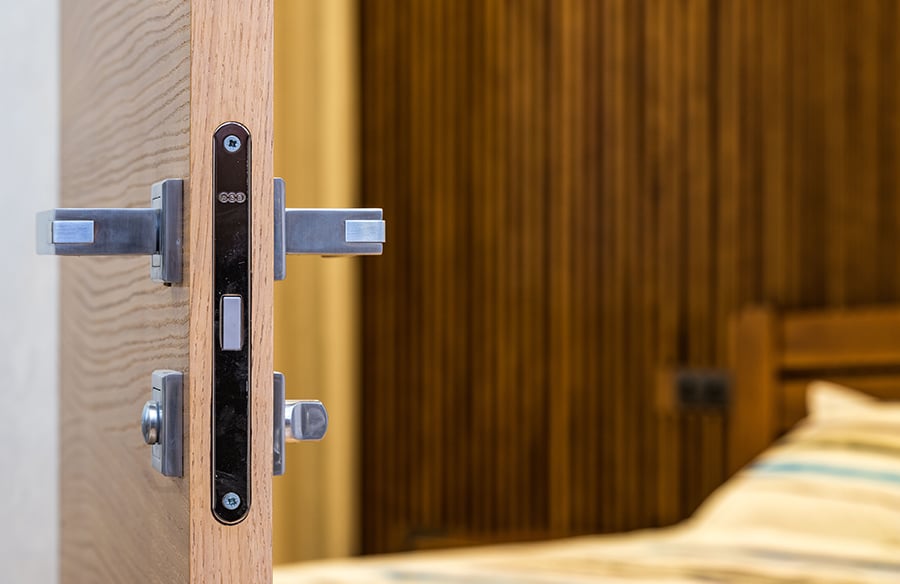
Privacy door handles help maintain privacy in bedrooms and bathrooms. The right handle allows you to lock the door from the inside while keeping it easy to open and close. However, choosing the wrong handle can lead to usability problems, reduced durability, or compatibility issues.
Before purchasing a door handle, consider its design, locking mechanism, materials, mounting hardware, moisture resistance, and compatibility with your door.
The following six factors will help you choose the right privacy door handles for your bedroom or bathroom.
1. Ease of Use and Accessibility
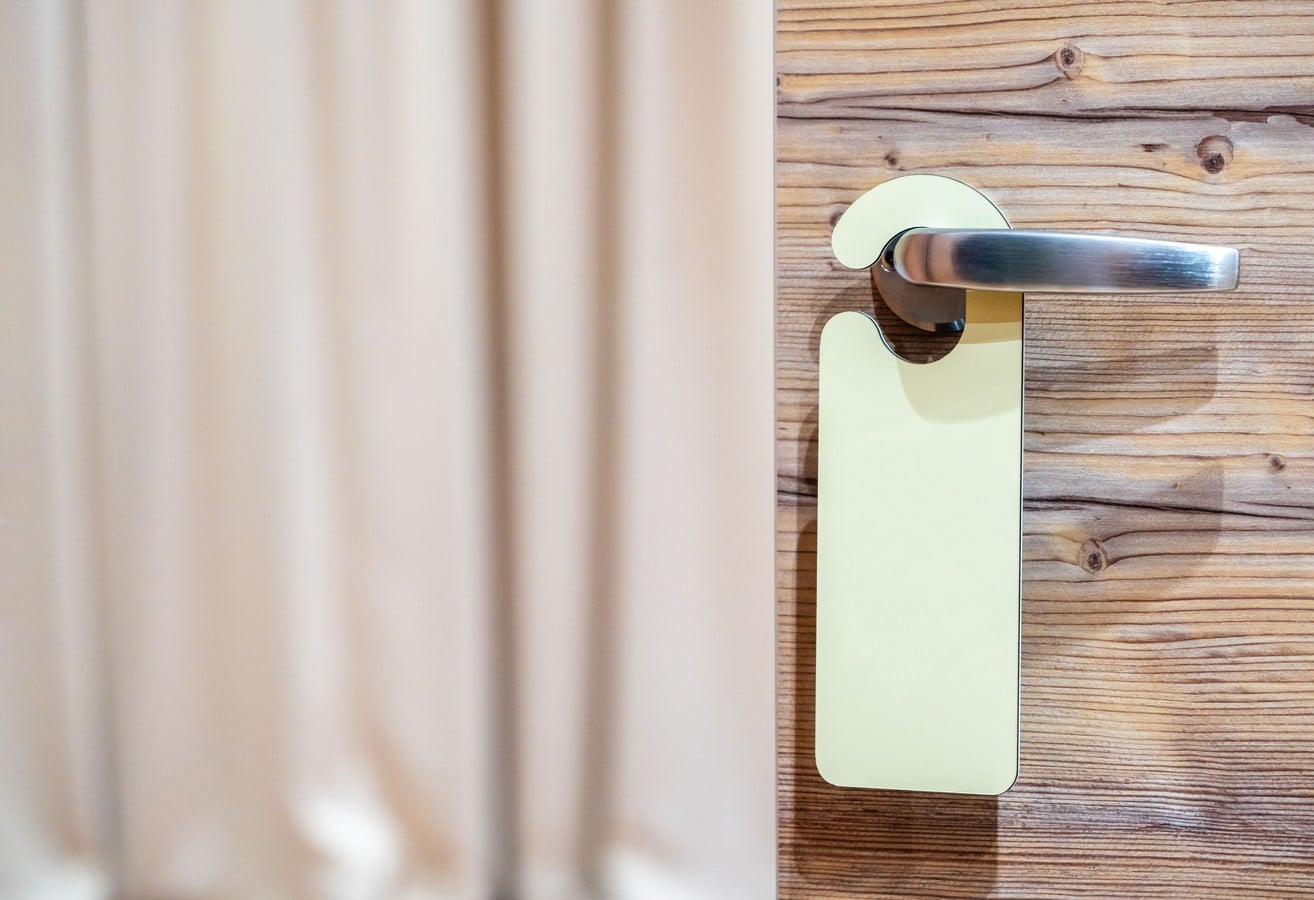 Old round doorknobs are tough to open because you have to twist them really hard. It gets even harder when your hands are slippery from water, soap, or lotion, like in the bathroom. For little kids and grandparents who might have trouble moving their hands, round knobs can be a real struggle.
Lever privacy door handles make life easier for everyone. You can push them down with your hand, elbow, or even your hip if your hands are full. They work for both right-handed and left-handed people, so anyone in the family can use them without any hassle. Lever handles are for everyone, from young kids to older adults.
2. Locking Mechanisms and Ease of Use
Standard privacy handles rely on stiff internal twist-locks and turn-knobs that are hard to operate in dimly lit rooms. Substandard privacy locks are prone to accidental engagement when you bump or slam the door, causing frustrating jams and unexpected lockouts over time.
When choosing, focus on modern push-button locking mechanisms integrated into the door’s interior handle rosette. Press the discreet interior button to lock the door from the inside; turn the handle to disengage the lock for a free exit. High-quality privacy levers feature precision-engineered push-button locks that resist accidental activation, keeping your latch locked unless you press the button.
3. Handle Finishes and Design
Do your interior doors have mismatched handle shapes, inconsistent design flow, and clashing finishes throughout the bathroom and bedroom? This is common when homeowners buy doors without considering the space’s existing design and finishes. It also happens when you mismatch or mix hardware from different series or manufacturers.
Develop a holistic hard project plan where you make sure that the design collection you choose is compatible with all functional characteristics in the whole layout. Your aim should be to focus on high-end brands that would help buyers maintain the same profile and finishes even in dummy handles for pantries, privacy handles for bathrooms and bedrooms, and passage handles for closets and hallways.
4. Hardware Quality and Mounting Options
 The standard hardware found in mass-produced doors frequently causes durability problems. Cheaply made doors, which have low-quality screws, metal trim, and other interior parts, tend to wobble easily and become loose after some time. Cheap door handles tend to have head screws exposed on the front surface of the rosette plate. The exposed mounting screws will affect the appearance of the door, whereas inefficient interior screw mechanisms may fail.
Look for architectural-grade privacy handles with high-strength internal hardware and concealed-mount rosettes. Choose concealed mounting to hide fasteners and screws behind a smooth cover plate for a sleek, minimalist look. High-grade handles from trusted brands use durable zinc alloy construction and heavy-duty mounting hardware to stay firmly interlocked with the door. This usually ensures long-standing stability without visible screw heads or loose trim.
5. Corrosion Resistance for Bathrooms
Humid bathroom conditions expose the doors to sudden temperature changes, steam, and moisture. Low-grade plated finishes and cheap metal can barely withstand high humidity because these conditions often cause the metal to pit, tarnish, or peel. Beyond visible damage, internal corrosion can seize or stick the latch spring, causing door handle failure or binding.
Look for privacy handles with a robust protective finish and moisture-resistant materials that can withstand humid environments. High-grade solid metal and zinc alloy construction with superior plating resists corrosion, rust, and peeling. These features provide a strong barrier against moisture damage and help hide fingerprints. They also resist water spots and smudges for low-maintenance, long-lasting performance.
6. Door Measurements and Handle Compatibility
 The most prevalent issue with replacement door hardware is sizing and measurement compatibility. This happens because door thickness and backset distances don’t match, which can lead to expensive modifications and improper latch alignment. As always, these measurement discrepancies can affect performance and efficiency. Forced door installations can lead to costly modifications, wood damage, and inefficient operation.
When you go to the shop, start by verifying door dimensions and choosing hardware that fits standard door specifications. Consider handles with adjustable latches to accommodate all backset sizes for smooth, drop-in replacement. That should come without the complexity of expensive tools or door alterations. Measure the door and jamb to ensure you get a high-quality handle that fits and performs as expected.
Wrapping Up
Choosing the right privacy door handle involves more than finding a design that matches your interior. Consider ease of use, locking functionality, material quality, corrosion resistance, and compatibility with your door before making a purchase. These factors can help you avoid installation issues and choose hardware suited to everyday use.
Compare product specifications and select a handle with a suitable finish, reliable locking mechanism, and appropriate measurements. By prioritizing functionality and durability alongside appearance, you can find privacy door handles that work well in your bedroom or bathroom and complement your home’s overall design.