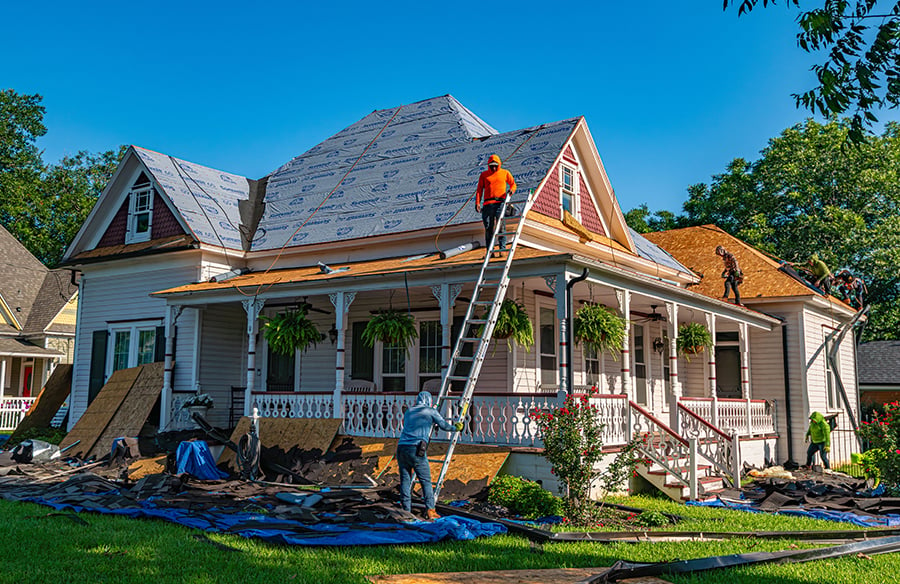
Replacing a roof is a major investment, but the biggest decisions happen before installation begins. Materials, ventilation, drainage, workmanship, and timing all affect how well your home stays protected. In Portland, Oregon, the weather adds another consideration: official climate normals show approximately 36.92 inches of precipitation annually at the city’s airport. That makes moisture management especially important when planning a replacement. Understanding the process beforehand can help you compare proposals confidently, recognize unnecessary expenses, and choose a roof designed for lasting performance.
Start With the Roof’s Actual Condition
Not every aging roof needs immediate replacement, and not every leak can be solved with another patch. The first step is understanding whether the problem affects a small area or the roofing system more broadly. Missing shingles, recurring leaks, damaged flashing, and soft decking may point to different causes and different solutions.
An inspection should consider the surface materials, underlying structure, drainage, and attic conditions rather than relying on appearance alone.
If you’re looking for roofing contractors Portland has many options, so choosing the right team requires more than comparing prices. A thorough inspection should assess the roofing materials, underlying structure, drainage, and attic conditions rather than relying on appearance alone. Ask contractors to explain any damage they find, outline suitable replacement options, and document their recommendations.
Taking photographs before work begins can also help establish existing conditions and make later discussions about damage easier to resolve. Request photographs of concerning areas and written explanations of any suspected hidden damage. A contractor should distinguish what can be confirmed before removal from problems that might only become visible after the old roof comes off.
Beyond documentation, visual records are vital for understanding how a roof contributes to a home’s overall aesthetic and structural integrity. Architects and designers often use detailed photographic surveys to inform renovation plans, ensuring that material choices and structural interventions align with the building’s original design intent or a desired new vision. This visual data helps in assessing not just damage, but also opportunities for design enhancement or material upgrades that respect the building’s character.
Understand How Moisture Changes the Equation
Water management involves more than selecting shingles that repel rain. Flashing directs water away from vulnerable transitions, underlayment provides another protective layer, and properly designed drainage prevents moisture from collecting where it can cause trouble. Poor detailing around chimneys, skylylights, and vents can undermine an otherwise sound installation.
Attic conditions matter as well. Depending on the roof assembly, appropriate ventilation, air sealing, and insulation can help manage condensation and heat. The relationship between moisture control and roof maintenance is important because trapped dampness can affect materials that homeowners cannot see from outside.
Ask contractors to explain how the proposed system handles water at edges, valleys, penetrations, and other vulnerable points. Their answers should be specific to your home’s design, not simply assurances that the finished roof will be waterproof.
Choose Materials for Performance, Not Appearance Alone
Asphalt shingles remain popular because they offer a range of prices and styles. Architectural products may provide better durability than basic options, depending on their specifications and installation. Metal roofing can offer a long service life, although initial costs, noise considerations, and detailing requirements differ.
The selection of roofing materials extends beyond mere functionality; it’s a critical design decision that impacts a building’s thermal performance, aesthetic appeal, and long-term sustainability. Modern architectural design increasingly integrates advanced materials like cool roofs, solar-ready systems, or recycled composites, chosen not only for their resilience but also for their contribution to energy efficiency and environmental impact. Understanding these material properties allows for a more holistic approach to building envelope design, where the roof becomes an active component in the building’s energy strategy and visual identity.
The right choice also depends on roof slope, structural capacity, neighborhood requirements, and your willingness to maintain the system. A material that performs well on a steep roof may not suit a low-slope section. Manufacturer warranties can also differ substantially in coverage and exclusions.
Compare service expectations, maintenance requirements, and installed costs rather than choosing based on a product’s advertised lifespan alone. Workmanship and compatible components often matter as much as the visible covering.
Compare Contractors With More Than a Price Tag
A polished estimate does not necessarily mean a complete one. Ask each contractor to specify tear-off work, underlayment, flashing, ventilation, decking allowances, disposal, cleanup, and warranty terms. Written proposals make it easier to identify missing items and understand why prices differ.
Before signing, verify relevant licensing and insurance, check references, and discuss who will supervise the project. Taking time to evaluate home improvement contractors can also help you recognize pressure tactics, vague contracts, and payment requests that deserve closer scrutiny.
Be cautious about promises that seem unusually broad or estimates that omit important details. A reliable contractor should welcome questions and explain what happens if damaged decking or other concealed problems are discovered during removal.
Know What Happens During Installation
Most replacements begin with protecting landscaping and access areas, followed by removing the existing roof covering. Once the decking is exposed, crews can inspect it more thoroughly and address damage before installing protective layers, flashing, and new roofing materials.
The schedule depends on roof size, complexity, weather, and unexpected repairs. Ask when materials will arrive, how exposed areas will be protected if rain interrupts work, and whether you should move vehicles or secure belongings in the attic.
If possible, discuss the proposed installation timeline in writing and confirm who will answer questions while crews are on site. This helps prevent confusion when unexpected decisions arise. Noise and debris are normal, but disorder should not be. Confirm how nails and waste will be collected, who handles disposal, and how the completed installation will be inspected before final payment.
Budget for What the Estimate Cannot Yet Show
A replacement budget should account for more than shingles and labor. Existing decking may require repairs, ventilation may need correction, and flashing or drainage details may need updating. These items can change the final cost once the old covering is removed.
Ask contractors to identify allowances and explain how change orders will be approved. Keep a contingency for justified surprises, and compare financing terms carefully if you plan to spread payments over time.
The lowest upfront price is not always the lowest long-term cost. Evaluate the quality of materials, installation details, warranties, and the likelihood of future maintenance alongside the quoted total.
Protect the Investment After Installation
Once the new roof is complete, retain the contract, warranty documents, photographs, and maintenance recommendations. Schedule periodic visual checks from the ground, keep gutters clear, and arrange professional inspections after significant storms or whenever warning signs appear.
Avoid aggressive cleaning methods that could damage roofing materials, and ask qualified professionals to handle work requiring roof access. Regular attention to drainage, debris, and flashing can help catch small concerns before they spread.
A successful replacement is not simply a new surface. It is a coordinated system installed with care, backed by clear documentation, and maintained with realistic expectations. Taking time to ask the right questions now can protect your home and your budget for years ahead.