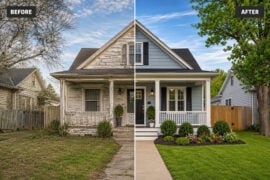
Building your home to hold up in storms depends on a few key things. First, you need to make the weak spots stronger because the storm always tries to get in there first. Next, pick building materials that match the local dangers where you live. It is also important to guide water away from your house. Last, get your home ready each year before storm season starts. A home that is ready for storms does not need to look like a safe shelter, but it does need to have the right changes in the right spots.
This approach underscores the principle of resilient design, where structural integrity and protective measures are seamlessly integrated into a home’s aesthetic. Thoughtful architectural choices ensure that safety enhancements do not compromise visual appeal, instead becoming an intrinsic part of the building’s character and long-term value.
In Bloomington, Indiana, homes have to handle many types of weather every year. In the spring, there can be strong storms, hail, and tornado warnings. When it is winter, there may be ice storms and quick, very cold days. A lot of rain can make small creeks fill up and move much faster in just a few hours. Each type of weather puts a house to the test in its own way.
This guide shows you where storms can cause the most damage. It also tells you which design choices help the most and what to look at before bad weather starts.
Why Extreme Weather Matters for Indiana Homes
Indiana is in a place where warm and wet air from the south meets cold air from the north. This mix can cause many types of weather. Homes their have to be ready for the weather, no matter what may come.
Severe Thunderstorms and Tornadoes
- Spring and early summer have strong storms. These storms come with damaging winds, big hail, and warnings about tornadoes.
- A storm does not have to make a tornado to be dangerous. The wind can be strong enough to tear shingles, knock over trees, and bend doors.
- Flying debris, such as branches and patio furniture, is a top cause for broken windows and dented doors.
Ice Storms and Deep Freezes
- A thin layer of ice can put a lot of weight on trees, power lines, and gutters.
- A quick drop in cold can make metal hard and easy to break. This can put more stress on parts that move.
- Big power outages during winter storms can keep homes without heat. Sump pumps may not work then too.
Heavy Rain and Flash Flooding
- The hills in Southern Indiana can cause rainwater to flow fast down to homes and streets in lower areas.
- If gutters are blocked and the ground slopes the wrong way, water can build up next to house foundations.
- Basements and garages that are attached to the house are often the first to see water come in.
The Weak Spots Storms Find First
Storms do not destroy a house in one go. The wind and water go after the weakest spot first. Once that spot gives way, everything near it can be hurt fast.
Roof Edges and Shingles
- The wind often starts to lift roofing at the corners and edges first. This happens because the pressure from wind is strongest in those spots.
- Shingles that are loose or curling will be easy for the wind to get under and pull up. This can let rain get into the roof deck below.
- If there is any missing flashing around things like chimneys, vents, and skylights, it often causes hidden leaks.
Windows and Entry Doors
- Standard glass can break if it gets hit by hail or something sharp that is flying.
- Doors that have weak frames, short hinge screws or old seals can let in rain that is pushed by wind. They might even be forced open.
- Gaps around frames get bigger as the caulk dries up and cracks.
The Garage Door: The Largest Opening on the House
- A two-car garage door is large. Because of this, high winds push against it with more force than they do on most other doors.
- If high winds push a garage door in, air will rush into the garage fast. This makes the air push up on the roof from below. This can lead to major structural damage to your home.
- Older garage doors that have thin panels, old rollers, or loose tracks can bend or break more easily. These are at the most risk of failing.
Designing Openings That Hold Strong
Windows and doors are a big part of how a home looks and works when there is a storm. The right windows and doors can help keep wind and water out. This keeps the rest of the house safe.
Impact-Resistant Windows and Entry Doors
- Impact-resistant glass has a strong layer inside. This holds the whole glass together even if it cracks.
- Strong entry doors made from solid material or steel help keep out wind and people trying to break in. These doors have longer hinge screws and extra strength at the lock area.
- A porch or awning over your door helps stop wind-blown rain from reaching it.
Wind-Resistant Garage Doors
- Wind-rated garage doors have heavy steel. They use more struts that go across the panels, and they come with strong tracks, so they can resist bending.
- Steel doors with insulation are better at stopping hail dents than doors with only one thin layer. These doors also help the garage stay warm during winter.
- Remember, no garage door can take a hit straight from a strong tornado. You should not use the garage as a place to stay safe.
After the Storm: Checking for Damage
- Look for panels with dents, tracks that bend, loose cables, or if the opening looks crooked.
- Do not try to open a damaged one using the opener, as this can make things worse and bend parts more.
- A system with spring tension can fall fast and without warning, so let the pros handle it.
Keeping Water Where It Belongs
Wind often gets most of the attention. But water is what causes most of the long-term problems after a storm. A good drainage system helps send rain away from the house. It keeps it from getting into walls, floors, and the foundation.
Gutters and Downspouts
- Gutters should stay clear and tight, so heavy rain moves through them. This keeps water from spilling over.
- Downspouts need to push water a few feet from the home’s base. They should not let water drop next to the house.
- Gutter guards help stop leaves from clogging the gutters. This is useful where trees are all around.
Grading and Yard Drainage
- The soil around your home needs to slope away from the foundation on all sides. This helps keep water from moving toward the house.
- If you notice low spots that keep puddles after it rains, it means water might be flowing to the house and not away from it.
- On land with a slope, a landscaper or drainage contractor can help. They will say which swales or drains are good to move runoff away from your home.
Basement and Garage Flood Protection
- A sump pump with a battery backup will keep going when storms knock out the power.
- Store valuables on shelves, not on the floor of your garage or basement.
- Look at the bottom seal of the opening. If it is cracked or flat, rain and snow can easily get inside.
Materials Built for Harsh Midwest Weather
Having the right materials can make cleaning up after a storm easy instead of expensive. In a place where there is hail, ice, and big changes in temperature, how strong something is matters more than what is popular right now.
The selection of building materials is a critical architectural decision, balancing durability, performance, and environmental impact. For extreme climates, this involves a deep understanding of material science, focusing on properties like thermal expansion, impact resistance, and moisture management to create structures that endure while minimizing maintenance and energy consumption.
Hail-Resistant Roofing
- Look for shingles that have a Class 4 impact rating. This is the highest rating for stopping hail.
- Metal roofing is good against wind and ice. But if there is large hail, it can still make small dents on the roof.
- Some insurance companies give discounts for roofs with impact ratings. So, talk to your agent before you choose a roof.
Siding That Handles Temperature Swings
- Fiber cement siding is tough against hail, wet weather, and fire. It does not grow or shrink as much as vinyl does.
- Thin vinyl siding can break when it gets really cold outside. It can also melt if you use the grill close to it in the summer.
- A good house wrap put behind the siding is what truly protects your home from rain blown in by the wind.
Concrete and Driveways in Freeze-Thaw Climates
- Water gets into small cracks. When it freezes, it expands. This makes the concrete break little by little.
- Sealing driveways and garage floors helps keep water away from the surface.
- Do not use strong deicers on new concrete. Some deicers can make the concrete flake and pit faster.
Preparing Before the Season Hits
The best time to get your home ready for storms is when the weather is nice and calm. If you do some work in the early spring and again in the late fall, you can stop many problems that happen after strong storms.
Spring Storm Season Checklist
- Cut back dead or hanging branches that might fall on the roof, car, or garage.
- Tie down or put away patio furniture, grills, and trash cans so the wind doesn’t blow them around.
- Pick a safe place to shelter in, like a basement or a small room inside your home that does not have windows.
- Check your sump pump by pouring a bucket of water into the pit to see if it turns on.
Winter Readiness Checklist
- Clear gutters after the leaves come down. This way, melting snow can flow out the right way.
- Look at the seals on your doors and windows for any cracks before the first big freeze.
- In cold weather, the springs will feel more stress. Listening for new sounds or if it gets slow when moving can help. Getting maintenance done in the fall can help find any worn springs, cables, and rollers before the cold shows up.
- If the opening freezes to the ground, do not keep pressing the opener button. This puts stress on the motor and cables.
DIY Tasks vs. Jobs for a Professional
- Good DIY tasks: You can clean gutters on a one-story home, check the alarms and sump pumps, and put away outdoor things.
- Call a pro for: Be sure to hire someone for roof repairs, taking down trees near power lines, electrical work, and anything with springs, cables, or tracks.
- Changing old parts before storm season can be smart. The latest national numbers for 2025 show that swapping out your garage door will cost about $4,672 on average. You can get back almost 268 percent of what you pay when you sell your home.
Strong Homes, Calmer Storm Seasons
A storm-ready home comes together by making small changes. You can start with a stronger roof edge, a stronger door, and a gutter that sends water the right way. Each step by itself is not a big deal. But, when you put them all together, they can keep a bad storm from turning into a big problem. Instead, you might just have a loud night. Start by making your home’s weakest spot stronger, then move on to the rest.
If your garage door is old, making noise, or looking worn out after the latest storms, it is a good time to get it checked before the next season comes. People living in Bloomington and around South Central Indiana can call Hey Bo Garage Doors to have someone take a close look at theirs. You will get clear advice on what steps to take next.