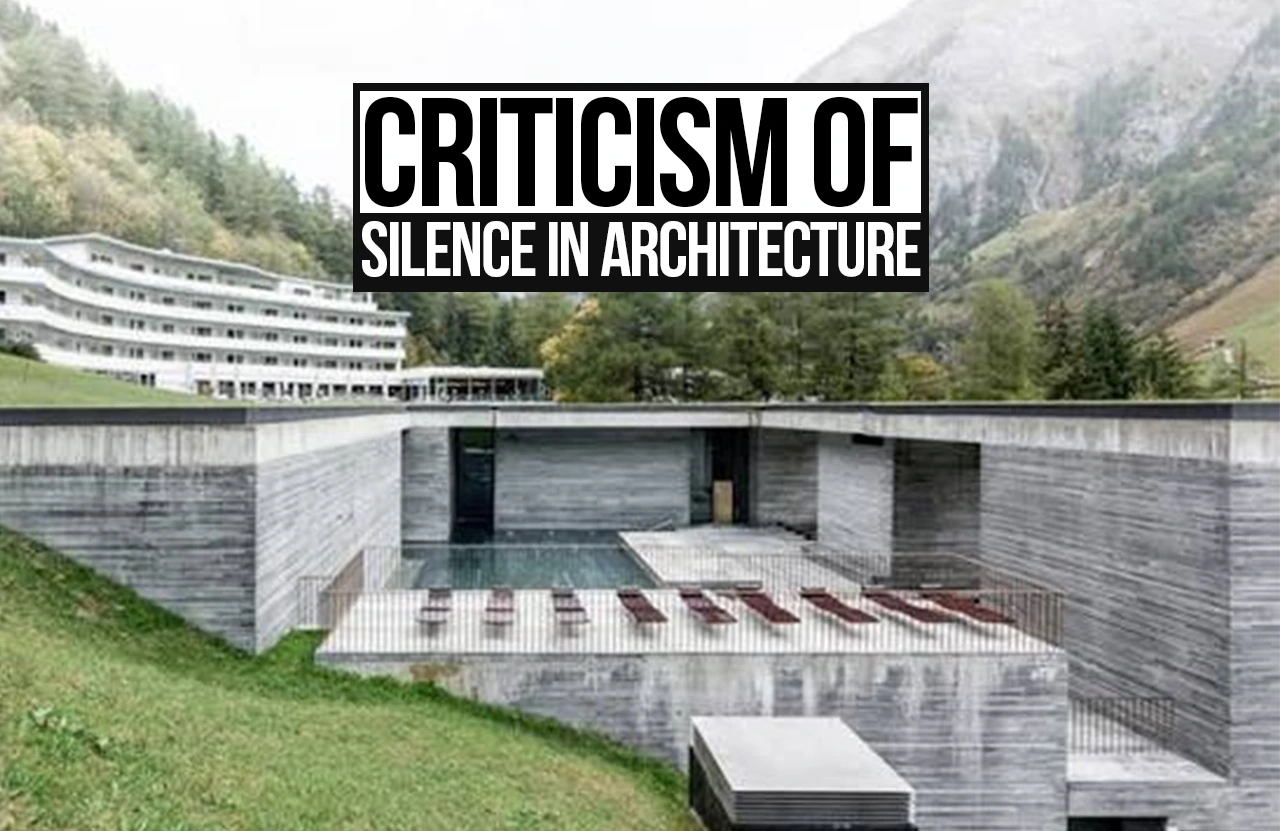
Architecture conveys different stories about the same thing to different individuals; at times, it evokes a sense of nostalgia, and at other times, sadness. In the case of a memorial, it may help some people come to terms with their grief and remind others of the pride and honour they feel towards that place or structure. Silence is not determined by a single narrative; instead, it develops alongside people who have different ways of thinking and yet still manages to evoke a feeling from them.
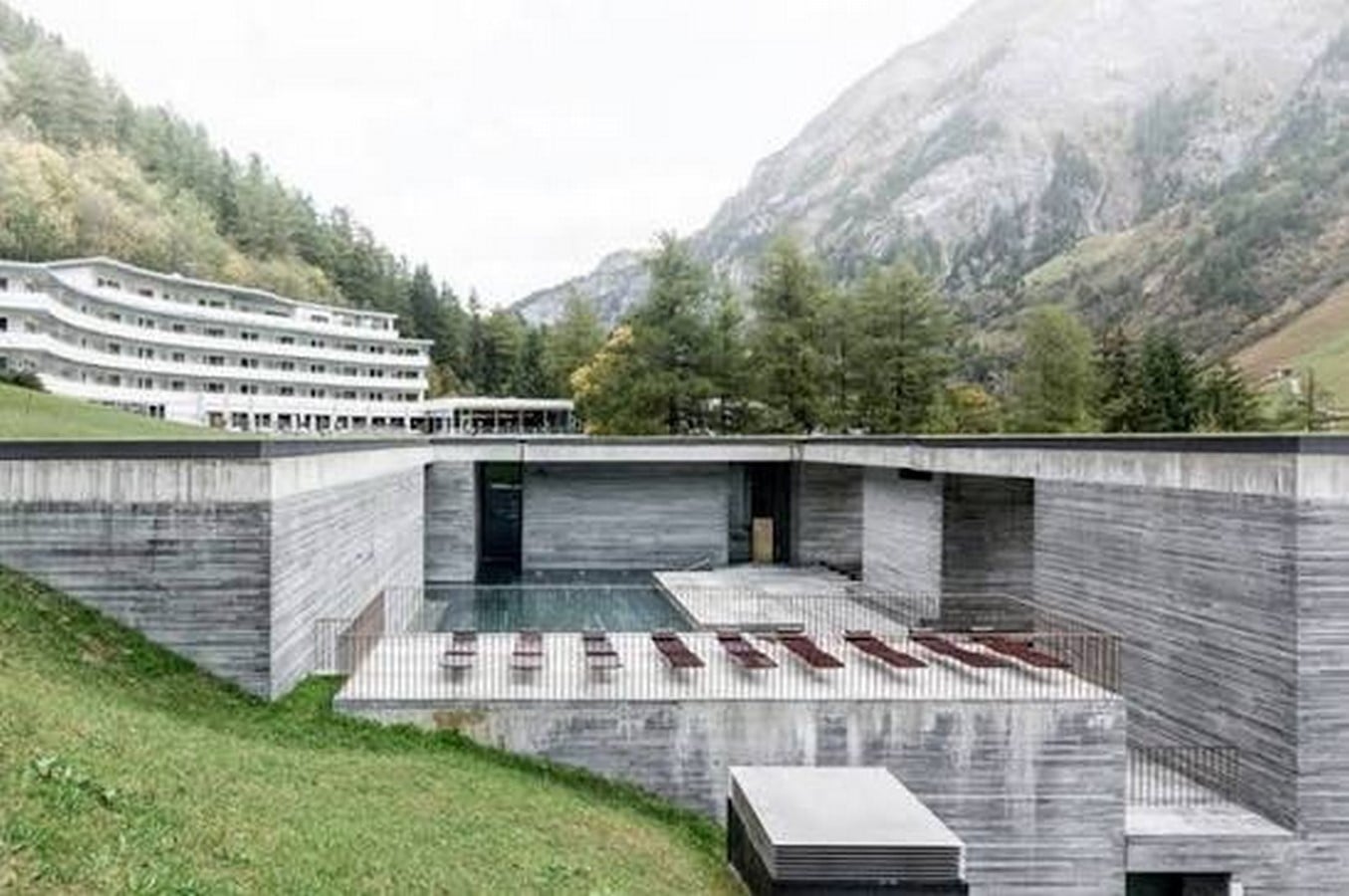
Silence in architecture is seldom by chance; rather, it is usually intended and is connected to the way in which the spaces are experienced. A blank facade may be an indication of a refusal to interact with people, or it may invite various interpretations. Silence can take the form of a peaceful courtyard in which absence speaks more loudly than display. It is not the same as emptiness but instead is a language in its own right, influencing the ways in which people remember, resist and relate to the built environment.
People frequently make use of it in order to show off their authority. Government buildings, with their simple and quiet appearance, convey a sense of power by means of absence, thus damping down the voices and demands of the people who live within them. Walls that are guarded tend to show little sympathy towards the outside world. Gated communities as well reflect a state of silence; they exclude the chaotic nature of public life and establish a subdued environment in which only particular narratives and at times even disguised masks are permitted to exist. This silence is not one of reflection but rather serves to enforce boundaries, erase diversity, and maintain inequality. Architectural criticism should examine these silences and ask who is having their voices suppressed and why.
Even though there are so many reasons given in favour of silence, silence can also stand up to those arguments. In a world filled with showiness, Maya Lin’s Vietnam Veterans Memorial in Washington D.C. is a strong example of this: it is a simple black wall buried in the ground, designed to invite thought rather than to display grandeur. The silence of the memorial opposes the noise of propaganda and compels people to reflect. Similarly, contemplative courtyards or minimalist chapels make use of silence to produce spaces for pause, in which the architecture acts as a retreat from the disorder of modern life. This feature is not limited to commercial or public areas but is also commonly found in traditional Japanese homes, in the form of the GENKAN — the traditional entranceway to a house which clearly embodies the idea of a pause and the transition from the outside world. In such cases, silence is not about erasing anything but is a form of resistance — a refusal to shout and a decision to whisper.

Architecture also includes cultural silences—those voices which are left out of design discussions. Women, indigenous communities, and people living in informal settlements are frequently missing from the stories told in architecture. The contributions, traditions, and real-life experiences of these groups are ignored and instead replaced by the views of dominant, institutional authorities. For instance, indigenous building methods that are adapted to the local climate are usually neglected in favour of modernist styles. Criticism of these silences therefore needs to go beyond the buildings themselves and address the discipline as a whole. On the other hand, it suppresses the cries of women who died in the pursuit of pride. At times, the voices of women are more powerful than the silence of the structure that contains them.
Silence is not merely a political concept; it is also a poetic one. Shadows, empty spaces, and the pauses between different elements give silence a spatial form. Japanese Zen gardens, featuring raked gravel and open areas, encourage reflection by means of silence. Louis Kahn referred to “silence and light” and acknowledged that architecture is just as much defined by what is absent as by what is present. In this context, silence takes on an aesthetic value and influences the atmosphere and emotions. Nevertheless, even in its beauty, silence needs to be examined: does it promote reflection, or does it conceal inequality?
Today’s architects are starting to break the silence by creating spaces that are inclusive and full of narrative. Museums which deal with colonial histories, memorials that refer to the forgotten, and community centres that give a platform to local voices all overcome the silence of omission. It is clear from these kinds of projects that architecture can make a strong statement when it needs to, thus making sure that silence doesn’t amount to complicity. Criticism of silence should therefore be dynamic in that it should be able to tell when silence is poetic, when it is oppressive, and when it has to be broken.
Silence in architecture isn’t just space; it is a form of design. It may arise from omission, exert power, show resistance, reflect culture, or have a poetic quality; it can have a soothing effect or one of suppression, and it can invite people in or exclude them. When we criticise silence in architecture, we are really asking: what is being left unsaid, and who benefits from that silence? As cities become noisier because of spectacle and consumption, silence will continue to be a powerful means. However, it has to be used with care. Architecture needs to decide whether its silence is complicit or critical, oppressive or contemplative. Only in that way can we achieve an architecture that speaks—not just to some, but to all.