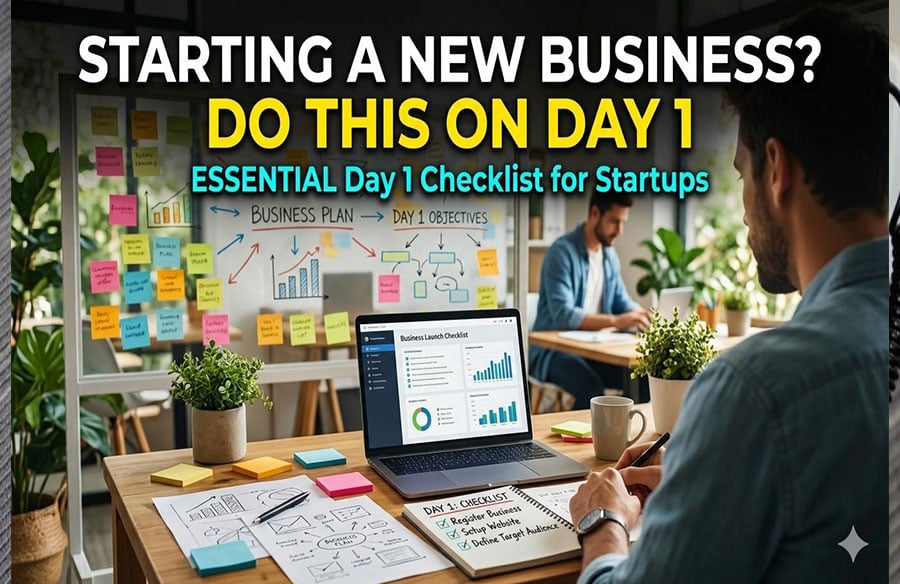
Starting a new business is an exhilarating journey filled with opportunities and challenges. On day one, setting a strong foundation is crucial for long-term success. From defining your vision to conducting thorough market research, the actions you take at the outset can significantly influence your trajectory. This article outlines essential steps to guide you through your first day as a business owner, ensuring you launch with confidence and clarity. Whether you’re a seasoned entrepreneur or a first-time founder, these actionable insights will help you manage the crucial early stages of establishing the venture.
Defining Your Business Vision and Goals
Crafting a crystal-clear vision for your business is like charting a course for a road trip – without it, you might end up at Aunt Edna’s house instead of the beach. Your vision should inspire and excite, giving you and your team something to strive for. Don’t just toss around vague terms; be specific. What impact do you want the company to make? Who do you serve? Nail down your core message to keep the journey on track.
Articulating Your Mission Statement
A mission statement is the venture’s personal motto, encapsulating your purpose in a few powerful sentences. Keep it short and sweet – think of it as its elevator pitch. Answer the big “who, what, and why” questions: Who are you? What do you do? Why does it matter? A well-crafted mission statement not only guides your decisions but also serves as a rallying cry for your team.
Setting Short-term and Long-term Objectives
Let’s break this down: short-term goals are your quick wins, like getting that first sale or deployment of your platform on a robust VPSServer when launching your website. Long-term goals, on the other hand, are the big dreams – world domination, maybe? (Just kidding… or am I?) Set SMART goals (Specific, Measurable, Achievable, Relevant, Time-bound) that align with your vision. This way, you’re not just wandering aimlessly in the entrepreneurial wilderness.
For architects and designers, this digital infrastructure is increasingly vital. A well-designed online presence, supported by reliable servers, becomes a virtual studio or gallery, showcasing portfolios and engaging clients globally. The performance and security of these platforms directly reflect on the perceived professionalism and innovation of a design practice.
Conducting Market Research
If you skip market research, you might as well be throwing darts blindfolded. Knowing your audience, competitors, and industry trends is crucial for strategic planning and avoiding pitfalls. So put on your detective hat – it’s time to dig into the nitty-gritty of your market.
Identifying Your Target Audience
Who are you selling to? Demographics are important, but don’t stop there. Explore your audience’s pain points, preferences, and habits. Developing detailed buyer personas can help you understand what makes them tick (or click). Your mission? Speak their language and cater to their needs to create loyal customers who can’t get enough of what you offer.
Analyzing Competitors
Keeping an eye on the competition is crucial – not in a creepy way, but more like a watchful hawk. Analyze their strengths and weaknesses, what makes them successful, and areas you can improve upon. Tools like SWOT analysis (Strengths, Weaknesses, Opportunities, Threats) can provide clarity and help you carve out your unique position in the market.
Understanding Industry Trends
Stay in the loop with the latest industry trends – this isn’t just about trendy hairstyles (though they’re important too). Knowing what’s hot (or not) can keep the enterprise relevant and innovative. Read industry reports, follow thought leaders, and subscribe to newsletters to stay ahead of the curve. After all, being the trendsetter beats being left in the dust.
Establishing a Legal Structure
It’s time to put on your big-kid pants and choose your business structure. This decision will impact everything from your taxes to personal liability, so choose wisely. Whether you go solo, team up with pals, or create a corporate giant, each structure has its pros and cons.
Choosing Between Sole Proprietorship, LLC, or Corporation
A sole proprietorship is the easiest route – think of it as running a one-person show. If you want a bit more protection, an LLC (Limited Liability Company) can shield your personal assets from business debts. And if you dream of going public one day, a corporation might be the structure for you. Consult a legal expert to find your perfect fit.
Registering Your Business Name
Before you start printing business cards and shouting your brand name from rooftops, make sure it’s available. Conduct a name search and register your business name with the appropriate authorities. This step protects your brand and prevents others from swooping in with a similar name. Plus, it gives you a little legitimacy in the marketplace.
Obtaining Necessary Licenses and Permits
Different businesses require different licenses and permits, so do your homework. Depending on your location and industry, you might need special permits to operate legally. Whether it’s a health permit for a food truck or a zoning permit for your bakery, getting these sorted on Day 1 means you can focus on making your entrepreneurial dreams come true without legal hiccups.
Setting Up a Business Bank Account
Congratulations, you’ve checked off the major milestones! Now, let’s talk about money – specifically, where to stash it. A dedicated business bank account keeps your finances organized and can save you headaches come tax season.
Choosing the Right Bank for Your Business
Not all banks are created equal, so do your research before you walk through those shiny glass doors. Look for banks that offer business accounts tailored to your needs, with low fees and great customer service. Online banks can also be worth considering – you might be surprised by the perks they offer.
Understanding Business Banking Fees
Bank fees can feel a bit like that pesky mosquito buzzing around your head; they’re annoying and can add up quickly. Familiarize yourself with any monthly fees, transaction fees, and ATM fees to avoid any unwelcome surprises. Transparency is key, so don’t be afraid to ask questions before signing on the dotted line.
Keeping Personal and Business Finances Separate
Resist the temptation to mix your personal and business finances – it’s a recipe for chaos. Keeping them separate not only simplifies bookkeeping but also protects your personal assets. Plus, when tax season rolls around, you’ll be thankful you didn’t have to sift through a tangled mess of receipts to prove what’s what. So, open that business account, and let the financial clarity begin!
Creating a Basic Business Plan
Outlining Your Business Model
When starting out, think of your business model as a roadmap. What are you selling, who are you selling to, and how will you make money? Are you offering a product, a service, or perhaps a combination? Jot down these key details. And don’t forget, clarity is key – this isn’t the time for a cryptic treasure map!
Establishing Financial Projections
Ah, the numbers game! Creating financial projections might feel like trying to solve a Rubik’s Cube blindfolded. Start by estimating your revenue and expenses for the first year. It’s wise to be optimistic yet realistic. Factor in costs like materials, labor, and, let’s be honest, that occasional coffee run. Make sure your projections can stand up in court – because future investors will certainly want to examine the evidence.
Identifying Key Resources and Partnerships
Consider what you’ll need to hit the ground running: tools, technology, and perhaps a few good partners who can help you along the way. Make a list of essential resources and potential collaborators. Whether it’s suppliers, mentors, or even a buddy with a great marketing sense, having reliable allies can make all the difference. Remember, Rome wasn’t built in a day, and neither will the enterprise be – partnerships can speed up the construction!
Building a Brand Identity
Designing a Memorable Logo
Your logo is the venture’s first impression – make it count! Think of it as the outfit your brand wears to its first date. It should be striking yet straightforward, and above all, it needs to reflect your brand’s personality. Consider hiring a designer if your stick-figure art skills aren’t quite up to par. Trust us, nobody wants a logo that looks like it was designed in Microsoft Paint.
In architecture and design, a strong visual identity extends beyond a logo to the overall aesthetic of a firm’s materials, from project proposals to website layouts. This visual language communicates the firm’s design philosophy and attention to detail, much like the thoughtful composition of a building’s facade or interior spaces.
Crafting a Unique Value Proposition
Why should people choose you over the competition? Your unique value proposition (UVP) is the answer to that million-dollar question. Clearly define what sets you apart. Are you offering a more sustainable alternative? Exceptional customer service? A quirky personality? Make sure your UVP is so good it’ll have customers typing “take my money” faster than they can say “value proposition.”
Developing a Consistent Brand Voice
Your brand voice is like the tone of your conversation with customers. Are you fun and quirky, or professional and polished? Whichever style you choose, keep it consistent across all platforms and communications. No one likes a brand with a split personality! Create guidelines to help maintain your voice, ensuring every tweet, blog post, and email reads like it’s from the same friendly team.
Networking and Building Relationships
Identifying Key Industry Contacts
Start compiling a list of key players in your industry. Who are the influencers, the decision-makers, and the trendsetters? These folks can provide invaluable advice, but don’t just collect names like Pokémon cards – actually build relationships. Engage with them on social media or, better yet, ask them for coffee. Your future self will thank you when you’re not crossing the entrepreneurial waters alone.
Utilizing Networking Events and Online Platforms
Get ready to mingle! Whether it’s local meetups, business expos, or online forums, engage with the networking scene headfirst. Be genuine, listen actively, and don’t pitch your business in the first five minutes – nobody likes the over-eager salesperson. Instead, focus on making connections and exchanging ideas. You never know who might become your next best collaborator!
Establishing Mentorship Relationships
Find a mentor who can guide you through the labyrinth of entrepreneurship. A mentor can provide insights, encouragement, and a few hard-earned lessons from their own journey. To find one, reach out within your network, join industry associations, or attend seminars. A good mentor can be like a GPS for your business – helping you avoid detours and navigate to success!
Developing a Marketing Strategy
Choosing the Right Marketing Channels
Not all marketing channels are created equal, so pick those that align with your target audience. Are they scrolling Instagram or scrolling through LinkedIn? Decide where you’ll get the most bang for your buck and concentrate your efforts there. Think of it like fishing – going where the fish are is far more effective than casting your line in a dry pond!
Creating a Content Calendar
Plan your marketing content like a chef plans their meals – mixing variety with strategy. A content calendar helps you organize and schedule your posts, ensuring you’re not scrambling for ideas at the last minute. Consider what topics resonate with your audience and create a balanced menu of content – blogs, social media posts, and videos – so your audience keeps coming back for more!
Measuring and Analyzing Marketing Performance
Once your marketing engine is revved up, it’s time to see how it performs. Use analytics tools to track engagement, conversions, and customer feedback. If something’s not working, don’t be afraid to tweak your approach – flexibility is key in this game! Think of it as a business workout – measure those gains and adjust your routine for continued growth!
As you wrap up the first day of the venture, remember that laying a solid foundation is just the beginning of the entrepreneurial journey. By taking the time to define your vision, conduct research, and establish key relationships, you set yourself up for future success. Stay adaptable, keep learning, and don’t hesitate to seek support as you continue to grow the enterprise. With diligence and passion, you can turn these aspirations into reality.
FAQ
What should I focus on during my first day of business?
It’s essential to prioritize defining your business vision, conducting market research, and establishing a legal structure. These steps will help set a strong foundation for the venture.
Do I need a business plan on day one?
While a comprehensive business plan can take time to develop, creating a basic outline on your first day can help clarify your goals and strategies moving forward.
How can I effectively network as a new business owner?
Begin by attending local business events, joining online entrepreneur groups, and reaching out to industry contacts. Building relationships early can open doors for collaboration and support.
What legal considerations should I address immediately?
You should select a legal structure for the venture, register your business name, and obtain any necessary licenses or permits to operate legally.