“Integration of the old and new is not a design challenge for us… they both find a distinct place in our design process.” – Sonali Rastogi (Godrej GBCS, 2015)

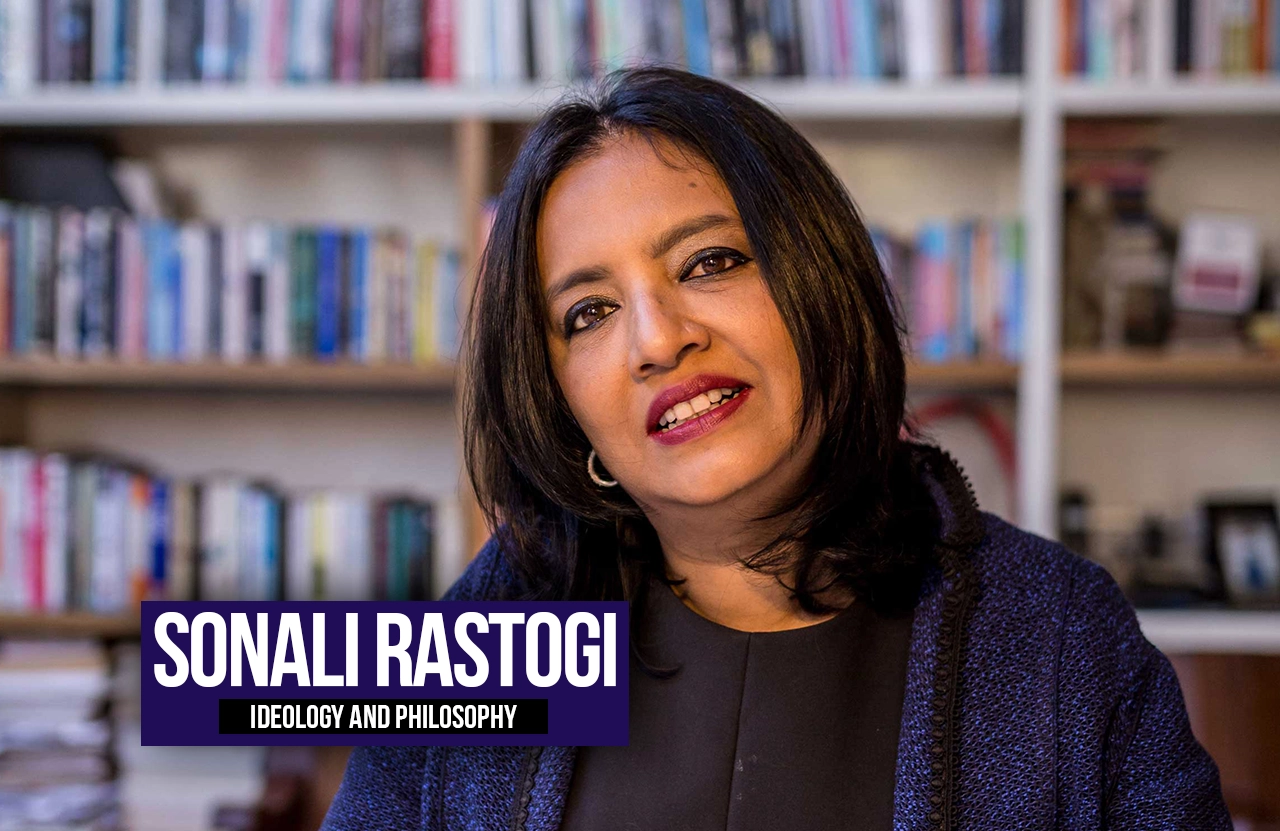
Sonali Rastogi, a pioneer of modern Indian architecture, stands out in her approach to sustainability, as she takes it not as an addendum but as an integral part of architecture. She is a founding partner of Morphogenesis, an architecture and urban design practice based in New Delhi, set up in 1996, and has been leading conversations around climate-responsive and context-driven design. Today Morphogenesis is a globally recognised practice and one of the leading architecture firms in India.
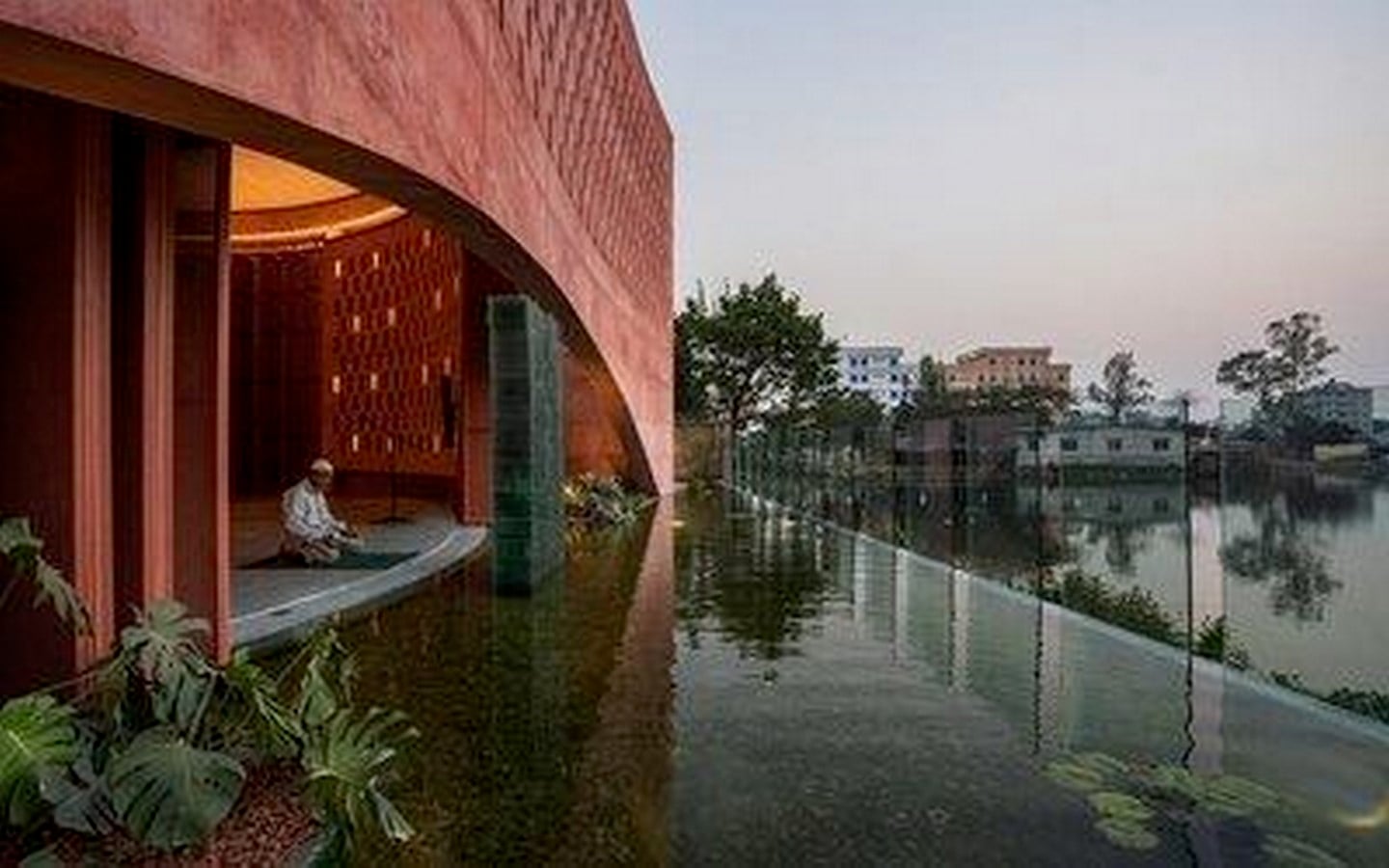
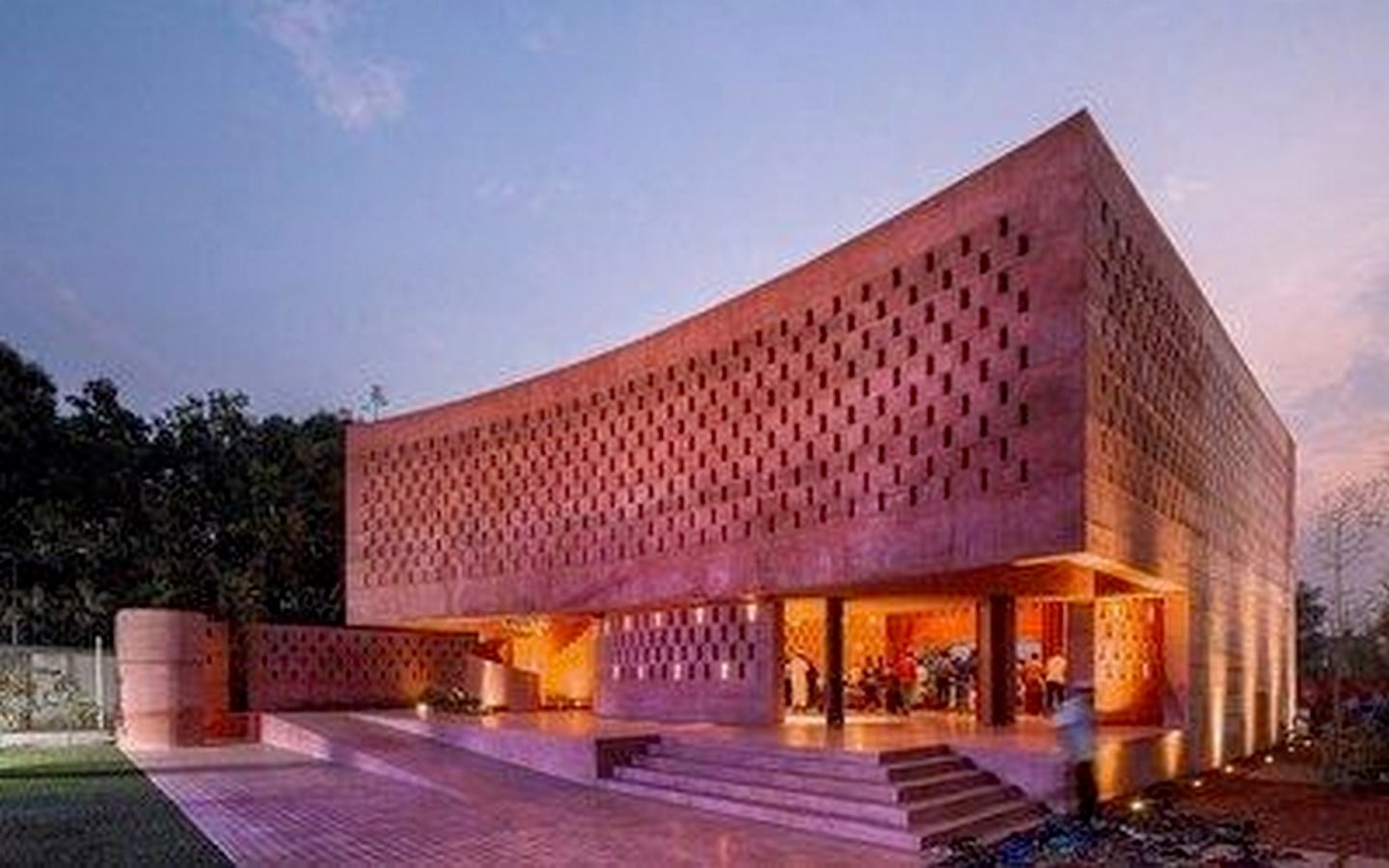
However, Rastogi’s importance goes beyond the recognition and scale of the practice. What makes her approach distinctive is the clarity with which she connects architecture to its surroundings. For her, design begins by understanding the climate, culture, economy and everyday life of a place. Rather than applying a fixed architectural language, she looks at these conditions as the starting point for developing each project. The result is architecture closely connected to its context, where buildings belong only to the place for which they were designed.
Rastogi’s architectural thinking drew on her experiences in both India and the UK. She studied at the School of Planning and Architecture in New Delhi before moving to London, where she completed two graduate diplomas at the Architectural Association. One focused on housing and urbanism under Jorge Fiori, while the other was in graduate design at the Design Research Lab under Jeff Kipnis.
These two experiences brought together very different but complementary perspectives. Her education in Delhi exposed her to the realities of Indian cities and their climate and density, social conditions and rapid growth. Her time at the Architectural Association, on the other hand, introduced her to experimental design methods, research and new ways of thinking about architectural form.
Morphogenesis’ later work reflects this combination. Her approach strikes a balance between experimental and traditional. Sonali often begins by questioning the conditions of a project. This allows the design to develop purely from its context. In this sense, her architecture is less about following a particular style and more about finding an appropriate response to each place.
Morphogenesis was founded at a charged moment. According to a podcast interview with the practice, Manit and Sonali Rastogi recall conversations they encountered on returning to India from the UK in the 1990s that presented them with an opportunity to craft a position on what it means to be in India in the twenty-first century (Ecogradia, 2023). The firm’s first commission was with Apollo Tyres (Wikipedia, n.d.), and its name itself, borrowed from the biology of how forms develop, hints at the ideology to come: architecture as something that grows, adapts, and evolves, much as nature does.
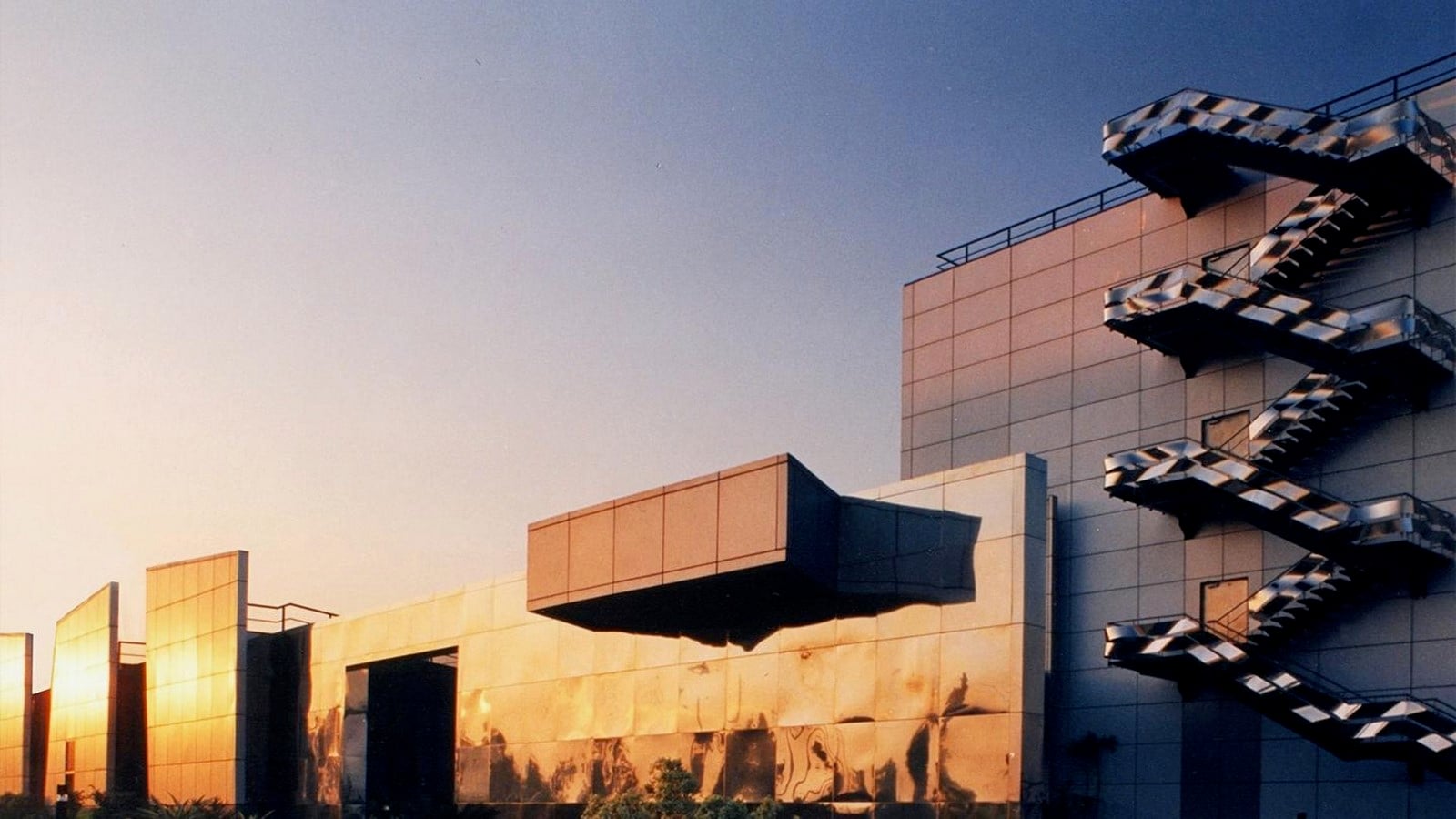
S.O.U.L.: The Guiding Framework
The most compact expression of her philosophy is S.O.U.L._©, the firm’s copyrighted design philosophy, formalised in 2019 as an acronym for Sustainable, Optimised, Unique and Liveable, which defines the inquiry process that shapes its architecture (Interiors & Decor, 2022; International Design Awards, n.d.). It is best read not as a style but as a set of questions asked of every site and brief.
Sustainable. Rastogi resists the reduction of sustainability to energy metrics. According to her, sustainability can be defined as environmental, socio-cultural and financial. She also describes buildings that consume up to fifty per cent less energy than certified green-building benchmarks through passive design and microclimate creation. This performance is verified through post-occupancy evaluation (Interiors & Decor, 2022). A building that performs well thermally but alienates its community, or that cannot be afforded and maintained, has still failed.
Optimised. Optimisation is about the intelligent use of materials, water, energy and land, so that limited resources yield the greatest possible benefits. In a country of vast demand and constrained supply, this approach is a practical ethic as much as a design principle.
Unique. Because every place has its own climate and history, every design should differ. Repeating a house style, or importing a glass-box typology into an unsuited climate, is the opposite of the inquiry she advocates.
Liveable. The user comes first. She describes her methodology as building a sustainable backbone, in terms of building physics and socio-cultural sensitivity, on which the design process can unfold, with resource availability, contextual identity and the end user’s experience at its centre.
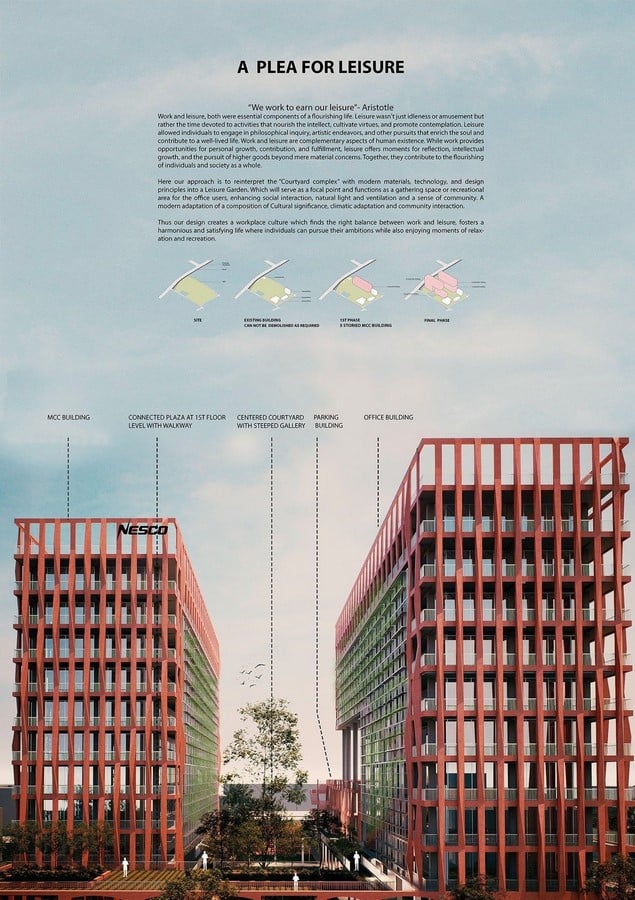
Three Pillars of Practice
Within S.O.U.L., Rastogi and her co-founder Manit Rastogi organise the firm’s work around passive design, resource optimisation and contextual identity, describing every project as conceived through a research-orientated approach to policy, planning, design, technology, and passive and low-energy design (Commercial Design India, 2021).
Passive design is the first response to climate: orientation, shading, courtyards, thermal mass, natural ventilation and daylight. These strategies work quietly and cheaply, and they are the logic behind much vernacular building. Resource optimisation extends this thinking to materials and systems. Contextual identity is the safeguard against an efficient but culturally hollow building. Together they express her conviction that a design can be energy efficient and rooted in place at the same time, a combination treated less as a paradox than as a brief.
The firm attaches numbers to this approach. Its reported outcomes include roughly fifty million square feet of sustainable buildings completed, twenty-two billion litres of freshwater saved, 4.1 million kW/hr of energy saved, and 4.2 billion kilograms of CO₂ emissions reduced, benefiting an estimated 560,000 inhabitants across more than nine million square metres of built environment (INDE.Awards, 2023; International Design Awards, n.d.). These are the firm’s own figures, but they illustrate the argument behind them: sustainability treated systemically and repeated across many projects compounds into real-world impact.
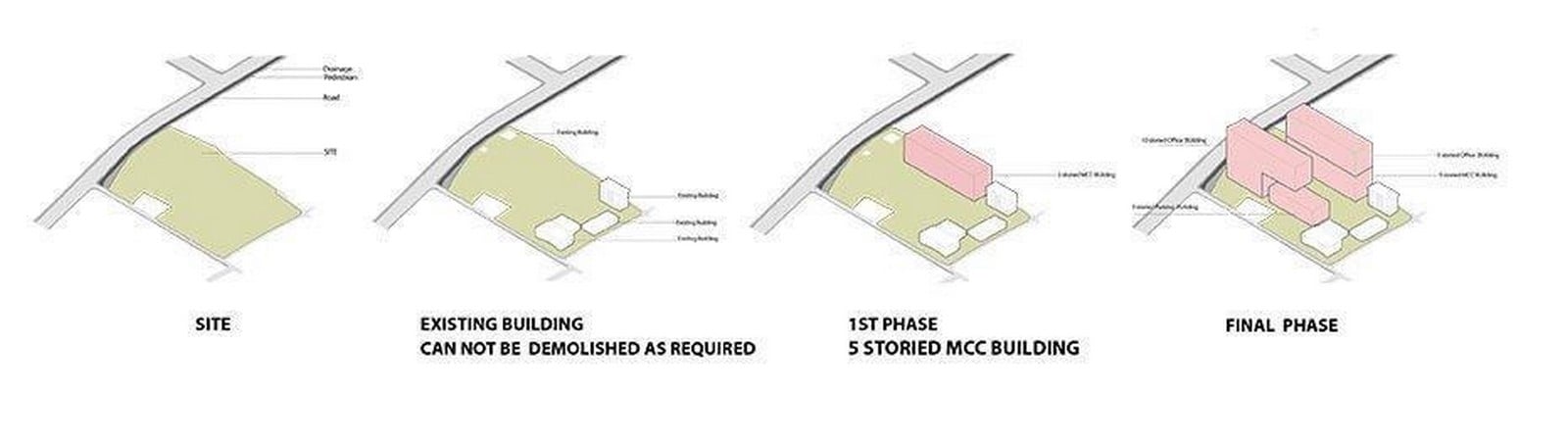
An Architecture of “Almost Somewhere”
Rastogi’s most evocative statement of intent is her call for a new emergent Indian architecture, “an architecture of almost somewhere, for a people of almost somewhere” (MGS Architecture, n.d.). The phrase acknowledges that India stands between inherited traditions and global modernity. Its architecture, in her view, should neither copy the West nor retreat into pastiche.
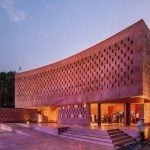
Her philosophy extends beyond buildings. Since 2018, Rastogi has made sustaining arts and crafts communities and mainstreaming them her agenda for the following decade (International Design Awards, n.d.; GRI Institute, 2025). Through architectural education and her example as a role model, she has influenced the emerging generation of Indian architects. This has been effectively illustrated in the architecture of Pearl Academy.
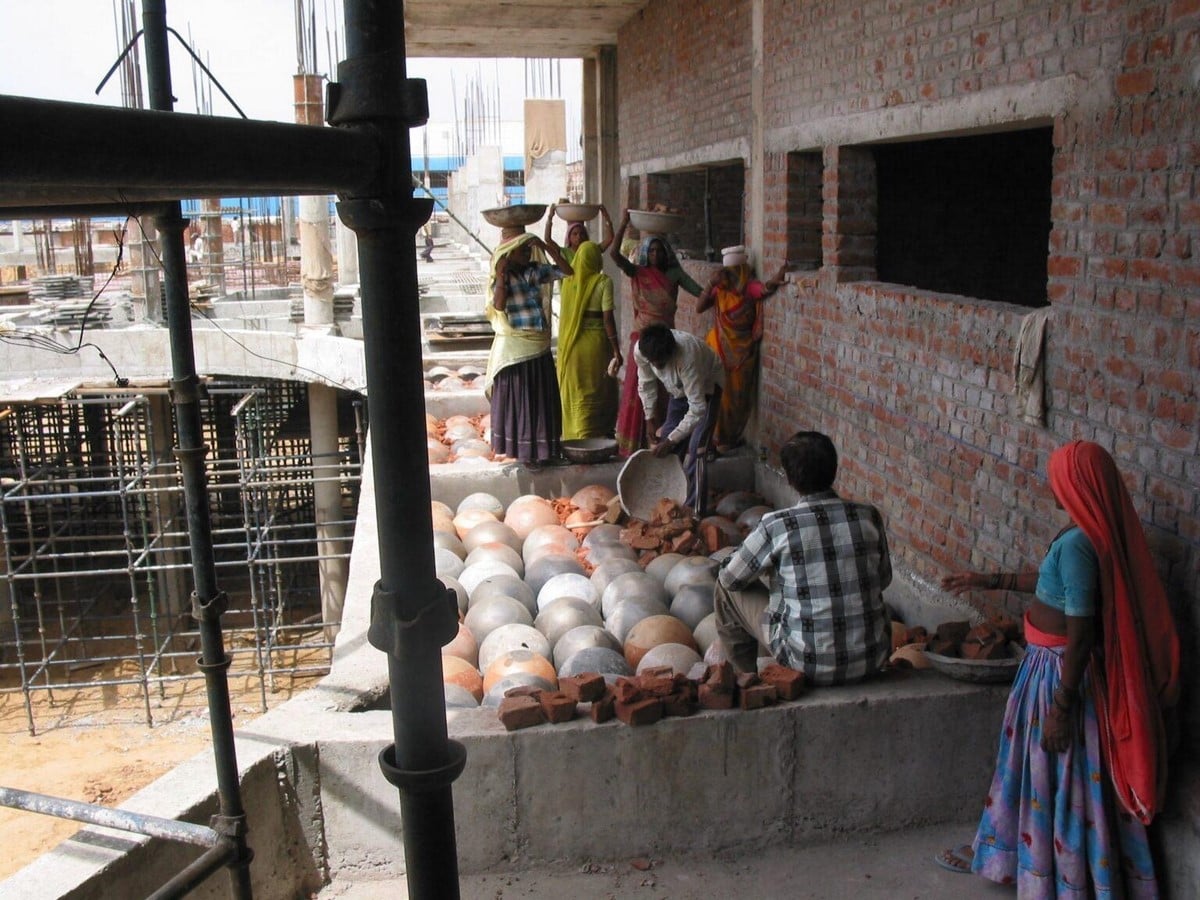
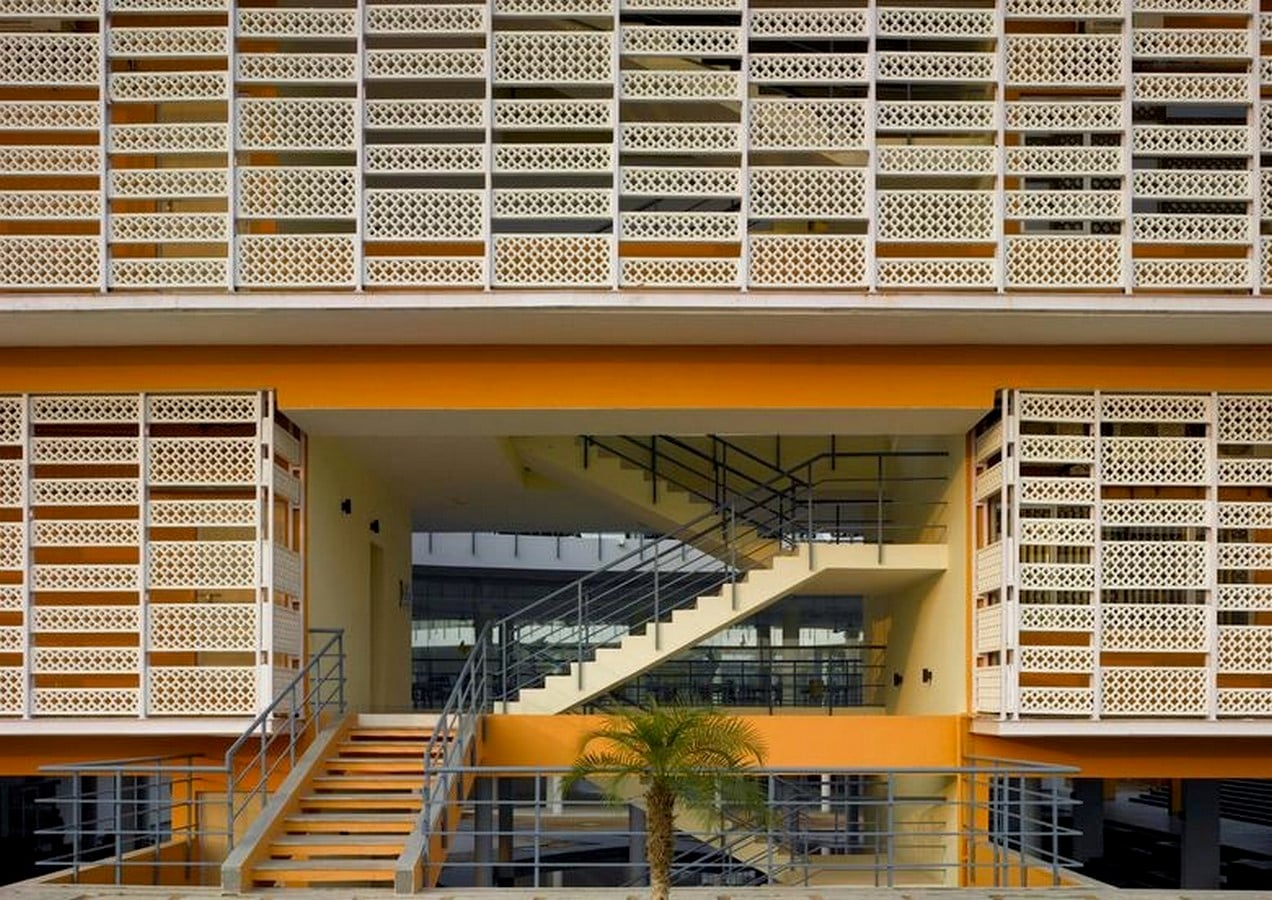
Her practice bets that shifting mainstream, large-scale building toward better environmental and cultural performance does more good than building a handful of exemplary but marginal projects.
Conclusion
Sonali Rastogi’s ideology resolves into a consistent position: architecture should be systemic in its sustainability, rooted in its climate and culture, and honest about its resources. Sonali Rastogi has built a philosophy that is both practical and cultural through her sustained commitment to craft, community, and equity, as well as through S.O.U.L., passive design, optimisation, and contextual identity. Her lasting contribution may be the model she offers a younger generation: treat each project as an inquiry, treat tradition as intelligence rather than ornament, and pursue a modernity that belongs to its place.
References:
- ArchDaily (n.d.) Morphogenesis Builds a Gender-Positive Practice in India. Available at: https://www.archdaily.com/912864
- Architecture Live! (2023) Sonali Rastogi – Manoeuvring Her Way to Lead Gender-Positive Architectural Practice, Morphogenesis. Available at: https://architecture.live/sonali-rastogi-manoeuvring-her-way-to-lead-gender-positive-architectural-practice-morphogenesis/
- Commercial Design India (2021) Manit and Sonali Rastogi of Morphogenesis Share How They Conceptualise and Realise Green Structures. Available at: https://www.commercialdesignindia.com/people/4595-manit-and-sonali-rastogi-of-morphogenesis-share-how-they-conceptualise-and-realise-green-structures
- Ecogradia (2023) Manit and Sonali Rastogi, Morphogenesis: ‘An Architecture of Almost Somewhere’ [Podcast]. Available at: https://www.ecogradia.com/podcast/manit-and-sonali-rastogi-morphogenesis-an-architecture-of-almost-somewhere/
- Godrej GBCS (2015) Modern Genesis of Sustainability – An Interview with Ar. Sonali Rastogi, Founding Partner at Morphogenesis. Available at: https://godrejgbcs.wordpress.com/2015/05/05/modern-genesis-of-sustainability-an-interview-with-ar-sonali-rastogi-founding-partner-at-morphogenesis/
- GRI Institute (2025) Sonali Rastogi | Morphogenesis. Available at: https://www.griinstitute.org/realestate/member-profile/india/sonali-rastogi_47310
- INDE.Awards (2023) Sonali Rastogi. Available at: https://www.indeawards.com/speaker/sonali-rastogi/
- Interiors & Decor (2022) ‘Architecturally We Celebrate Identity and Diversity’, Ar Sonali Rastogi – Founding Partner, Morphogenesis. Available at: https://interiorsndecor.com/architecturally-we-celebrate-identity-and-diversity-versus-visual-homogeneityar-sonali-rastogi-founding-partner-·-morphogenesis/
- International Design Awards (n.d.) Sonali Rastogi Interview. Available at: https://www.idesignawards.com/interviews/sonali-rastogi-interview/
- MGS Architecture (n.d.) Ar. Sonali Rastogi, Founder Partner, Morphogenesis. Available at: https://www.mgsarchitecture.in/architecture-design/architects-interior-designers/1167-ar-sonali-rastogi-founder-partner-morphogenesis.html
- Wikipedia (n.d.) Morphogenesis (architecture firm). Available at: https://en.wikipedia.org/wiki/Morphogenesis_(architecture_firm)