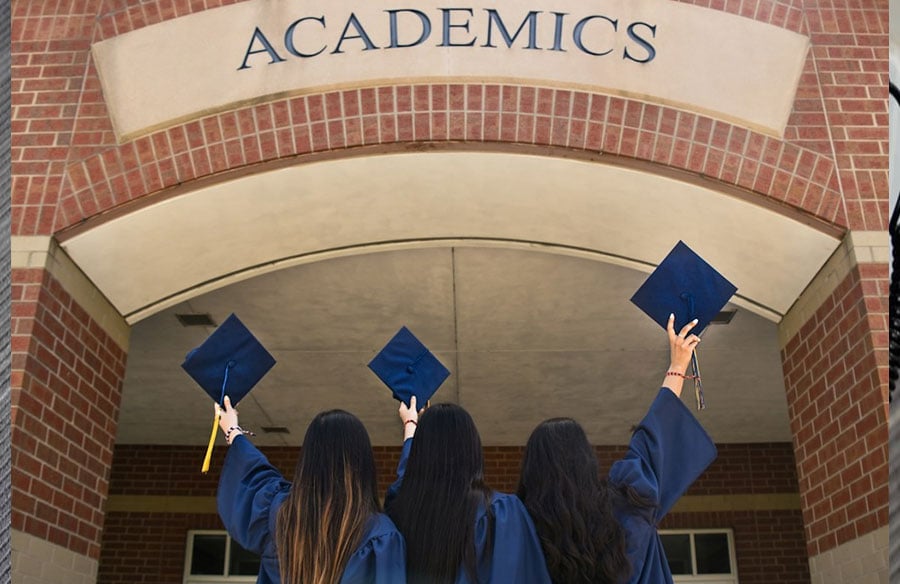
The contemporary geopolitical landscape of Central and Eastern Europe demands more than mere diplomatic dialogue. It requires deep, sustained intellectual engagement grounded in rigorous research and shared historical understanding. Academic mobility stands at the crossroads between history and the future, acting as an important factor in building up mutual trust and understanding.
Through the joining together of the knowledge base of regional experts with the rich environment of Polish academia, we build the foundation for a lasting academic alliance beyond national boundaries.
Catalysing Regional Intellectual Synergy
The Mieroszewski Centre stands at the forefront of this mission, serving as an institutional bridge for intellectual and cultural cooperation across Central and Eastern Europe. Central to this effort is the Centre’s dedicated initiative offering research fellowships and every tailored Poland scholarship, which empowers researchers, political analysts and cultural experts from Eastern Europe to conduct their work at leading Polish academic institutions.
Core Pillars of Scholar Empowerment
- Direct Access to Archives – Visiting fellows gain comprehensive access to specialized Polish university libraries, state archives and regional research institutes.
- Interdisciplinary Collaboration – Joint working groups enable scholars to combine historical research with modern geopolitical analysis alongside international peers.
- Institutional Publishing Support – Research outcomes are actively supported through peer-reviewed journals, policy papers and monograph publishing grants.
The design of these academic environments, from the quiet study carrels of university libraries to the collaborative layouts of research institutes, plays a crucial role in fostering intellectual exchange. Thoughtful architectural planning ensures spaces are not only functional for individual research but also conducive to interdisciplinary dialogue and the sharing of diverse perspectives, directly influencing the quality and depth of scholarly output.
Such academic mobility reflects a deep synergy. Researchers from countries like Ukraine, Belarus, Georgia, and Armenia provide critical local knowledge and perspective. The combination of researchers from these countries within Poland’s well-developed academic system means that they have access to what they need to produce world-class research.
Deconstructing Shared Histories and Modern Realities
Academic cooperation facilitated by the Centre focuses heavily on critical thematic pillars like Polish-Ukrainian relations, historical memory, political analysis and cultural diplomacy. Reconciling these narratives requires objective, research-driven scholarship free from political distortion.
Key Thematic Priorities
- Reconciliation and Historical Memory – Re-examining complex 20th-century historical documents to build shared historical understanding.
- Eastern Partnership Dynamics – Analysis of Resilience and Governance reforms and Europe Integration Strategies alongside global frameworks like UNESCO.
UNESCO’s involvement in global frameworks often extends to the preservation of architectural heritage and the thoughtful planning of urban and rural landscapes. This focus on built environments underscores how design principles contribute to cultural identity, resilience, and sustainable development, providing a tangible link between historical understanding and contemporary spatial practices.
- Cultural Diplomacy in Action – Assessing cross-border cultural activities that reinforce civic connections between partner countries.
Through specific grant programs, research projects and publishing options, the Center allows researchers to critically assess historical materials and examine regional security arrangements scientifically and with an understanding of the region.
Building Sustainable Academic and Civic Networks
The actual transformative potential of such programs is revealed in their effects on network structures within the region in the long term. Being a fellow at an institution in Poland is not just a one-off experience. It becomes the beginning of a continuing framework for collaboration.
Visiting fellows build lasting professional relationships with Polish colleagues, contributing to joint conferences, peer-reviewed publications and cross-border research teams.
Pathways of Long-Term Engagement
- Creating networks of alumni for collaboration on future joint publishing ventures and university collaborations.
- Turning scholarly results into practical workshops and summer schools for early-career thinkers.
- Converting data collection into policy briefings for diplomatic and cultural organizations.
This practical focus makes sure scholar research drives real policy changes across the region.
An Invitation to Shape the Future of Eastern European Studies
A sustainable and integrated Eastern Europe must be built upon a collective respect for truth and academic rigor. We at the Centre invite all scholars and thinkers from Eastern Europe and the EU to be part of this critical discourse.
By applying for research scholarships and being active on our collaborative platform, scholars do not just advance their own careers but help define the intellectual horizon of our common region.