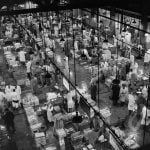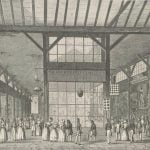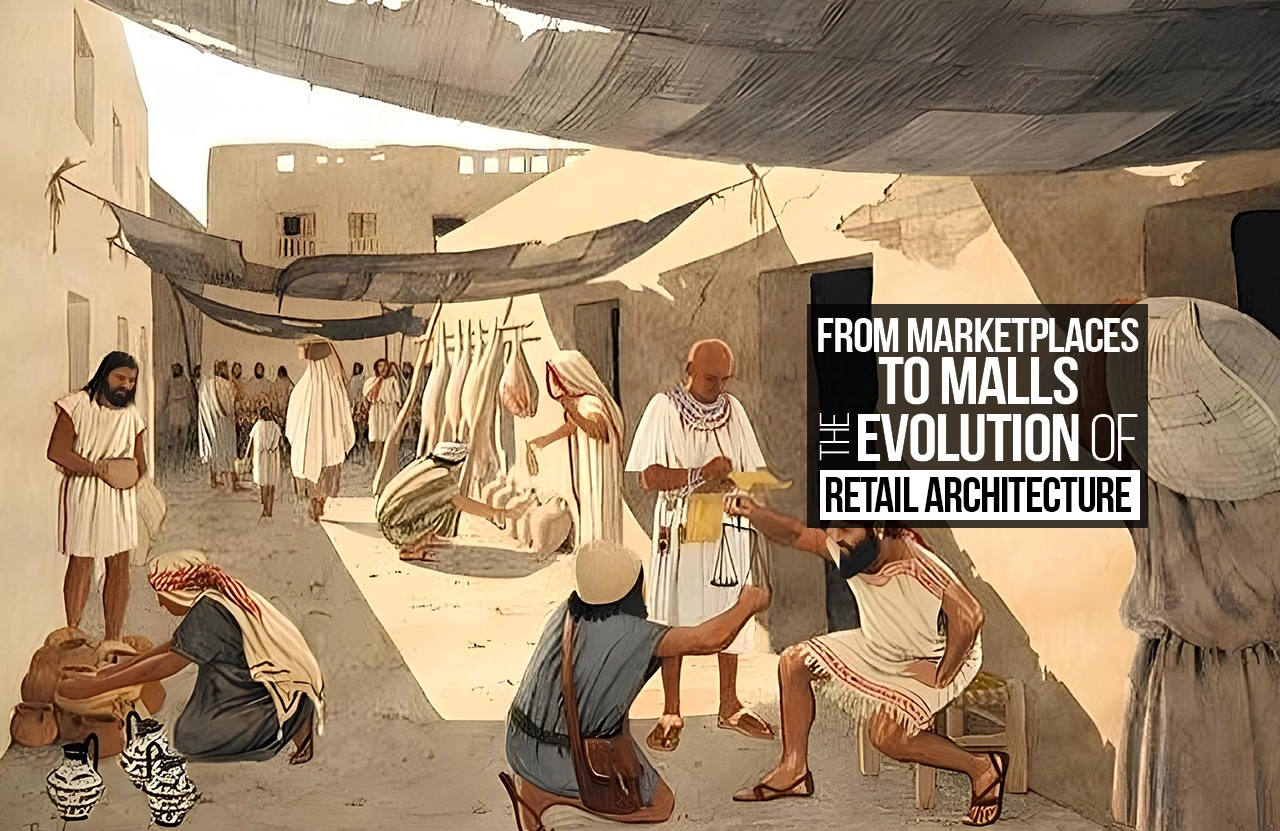
The exchange of goods between people is certainly not novel in today’s world, where it has been a form of social interaction from the primitive era to the present. Yet what often remains unknown to people are the spaces that have nurtured these interactions throughout history. The shopping centres and malls we see today are a product of time and the gradual understanding of retail architecture, but long before the definition of the term even existed, ancient trade centres, souqs, and bazaars enabled the same interactions, setting the stage for today.
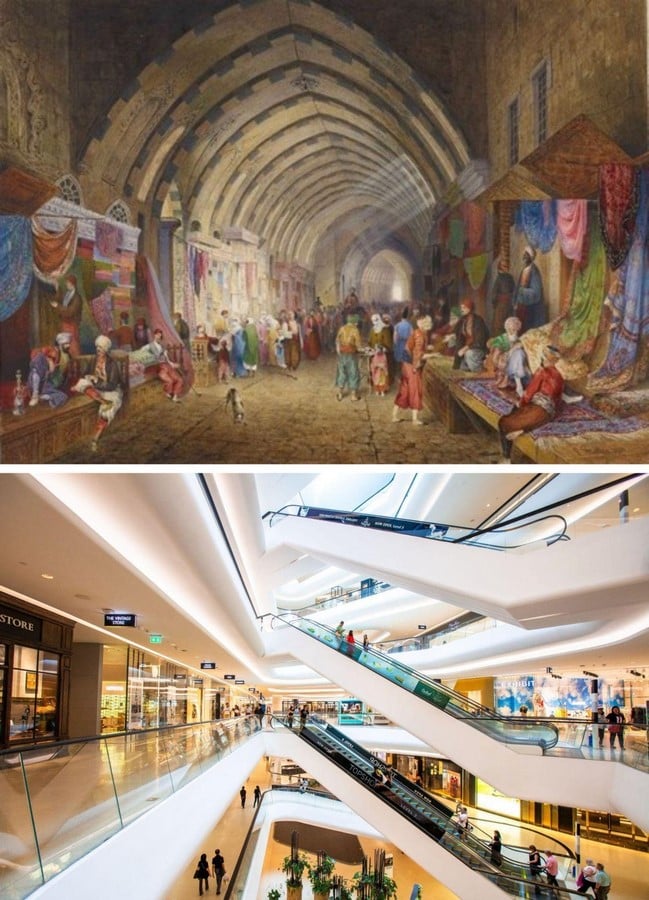
The Precursors of Modern Market
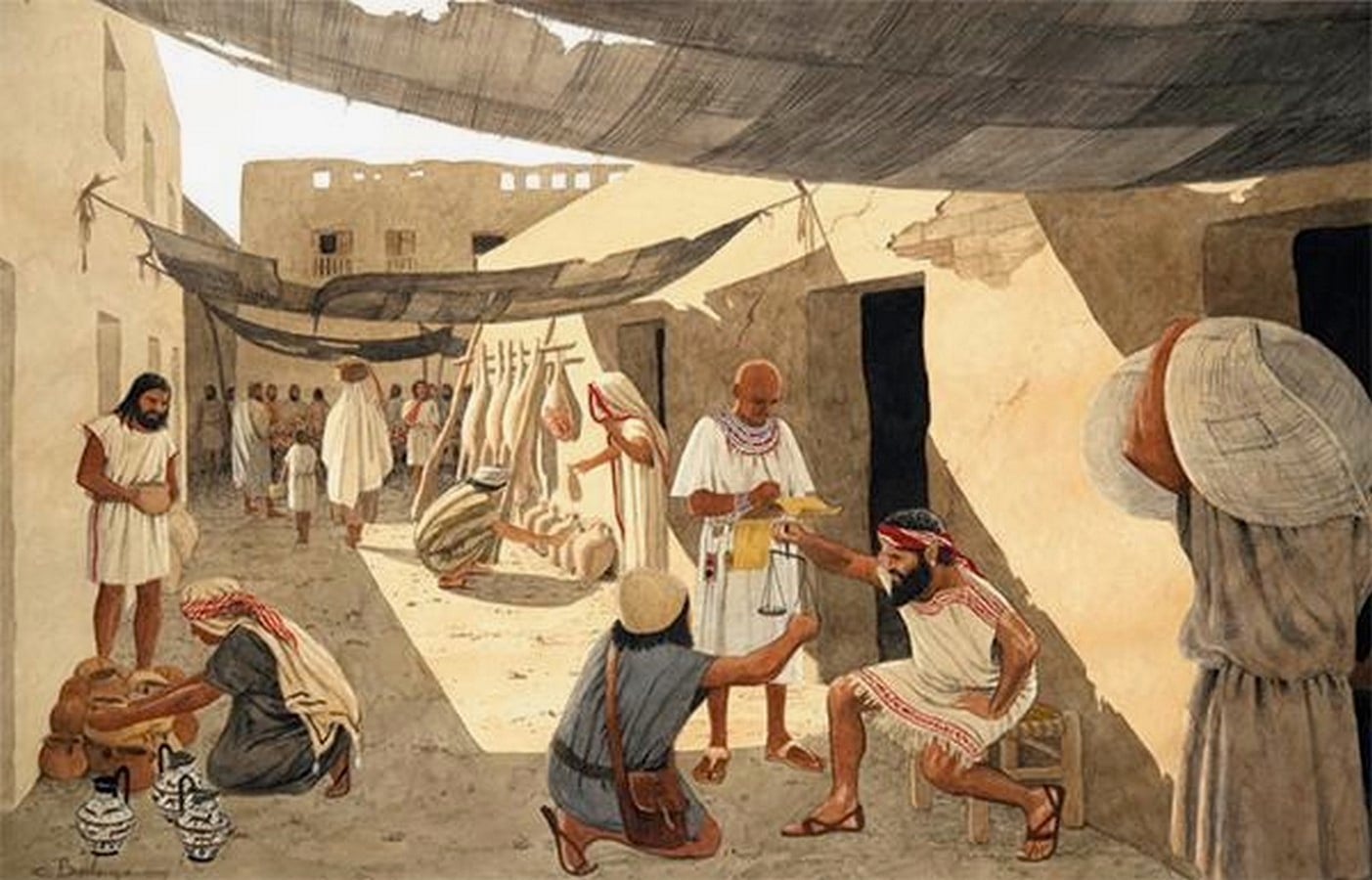
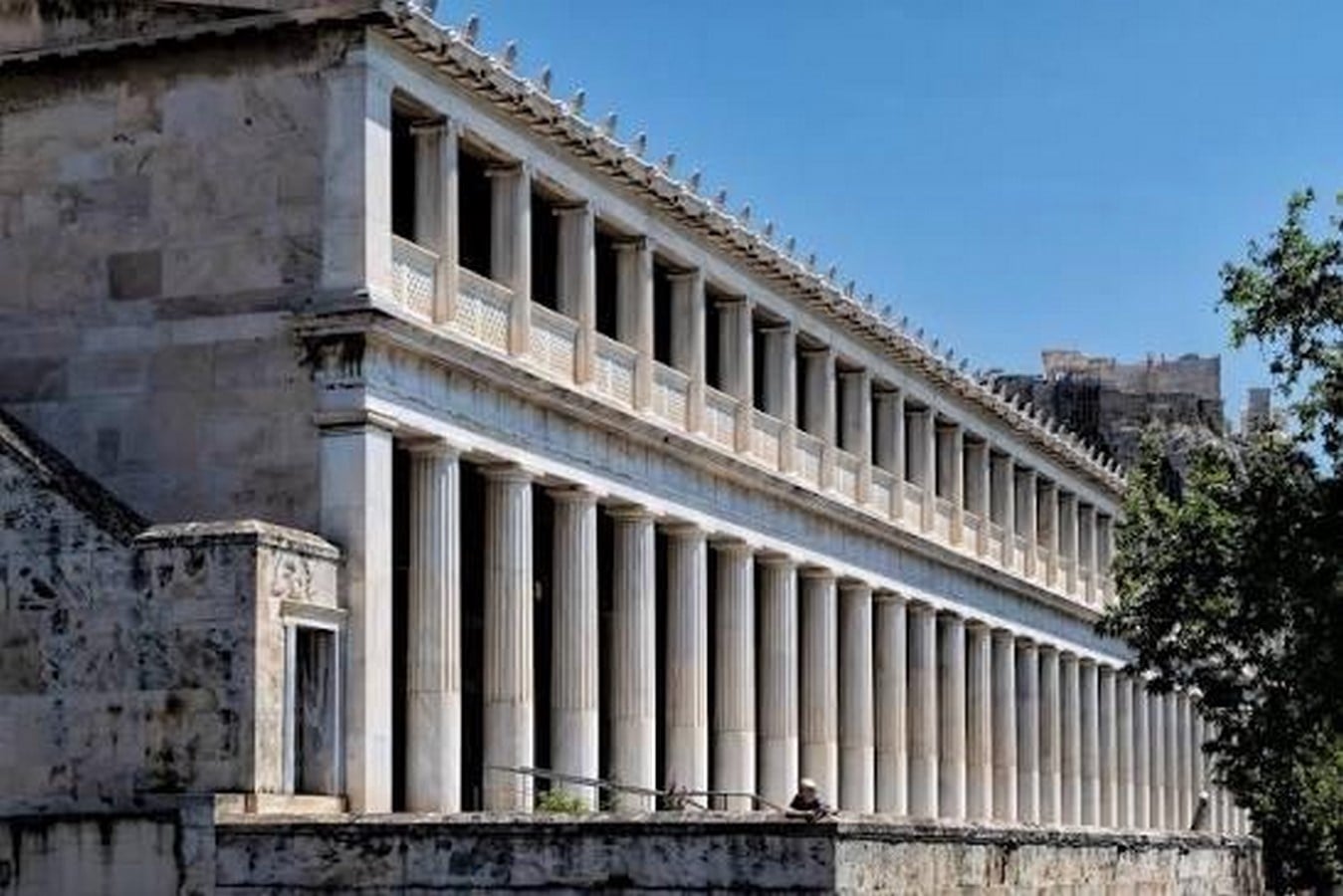
The earliest examples of the modern retail landscape appear in the trade centres of ancient civilisations. Evidence from 7000 BCE and onward reveals cities divided into zones designated for commercial exchange; integration of compatible crafts in certain areas; shops at crossroads; commercial thoroughfares along riverbanks. This deliberate organisation of trade reveals the primitive sense of marketplaces where people routinely gathered and bartered. Previously, commercial exchange remained restricted to waterfronts, warehouses, and houses, but with the onset of later civilisations, retail architecture took form. The loci of these structures remained central to cities while their form was planned to functionally enact marketplaces. Hence, Greek stoas and Roman forums and macellums were designed to serve as places of business, trading spices, textiles, metals, pottery and food, while acting as public promenades.
A stoa was a freestanding colonnade framed around agoras, with its roof supported by rows of columns, creating a safe and protective atmosphere where merchants and shopkeepers utilised open fronts to sell goods, while a macellum was an indoor market building for fresh produce, housing a courtyard, shops and collonaded walkways. These spaces were conceptual manifestations of gathering, trade and transaction, creating the footprint for the forthcoming civilisations and empires to follow.
The Islamic World
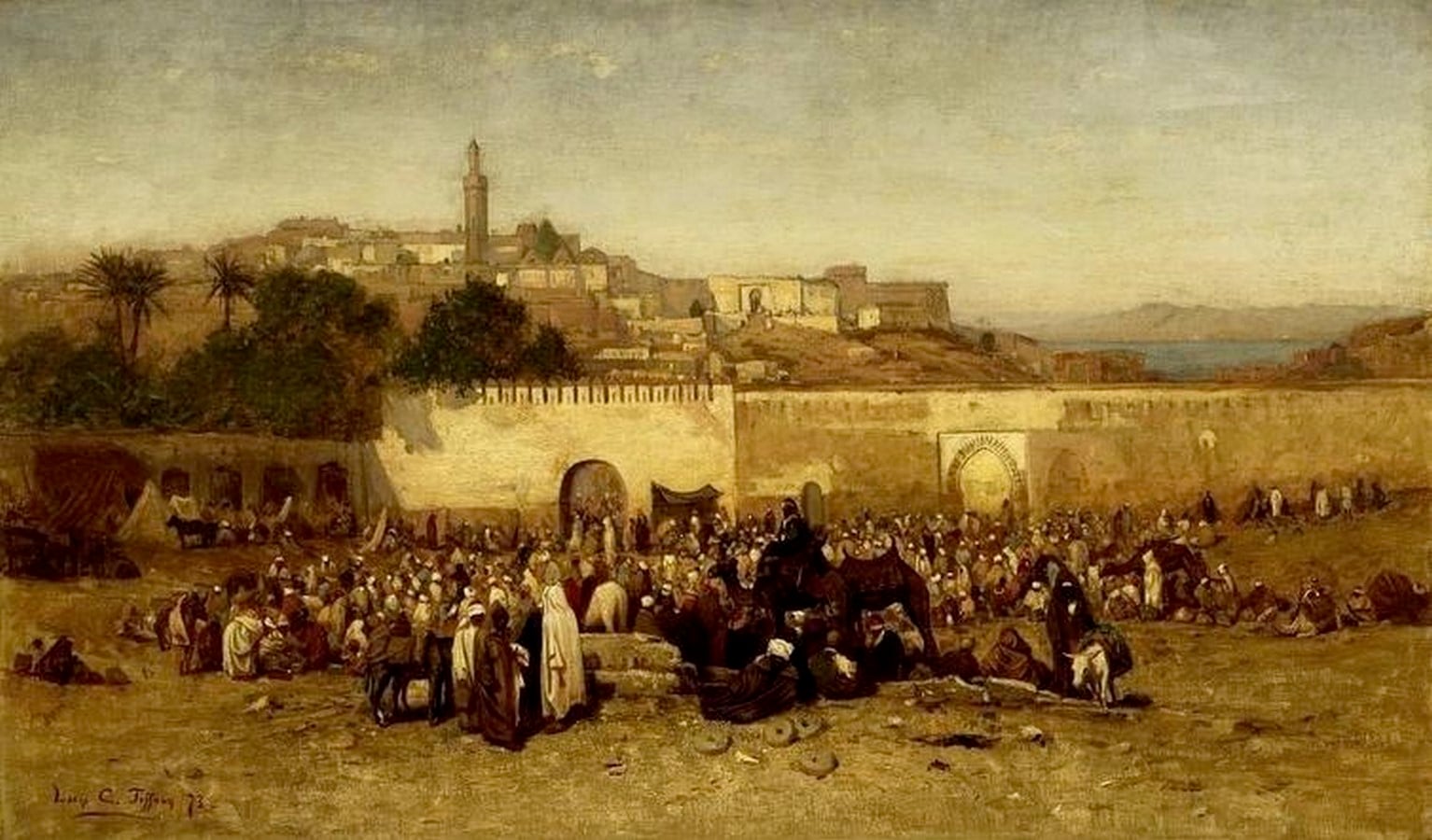
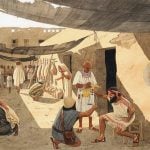
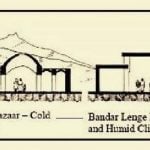
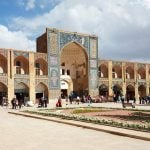
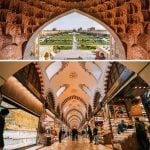
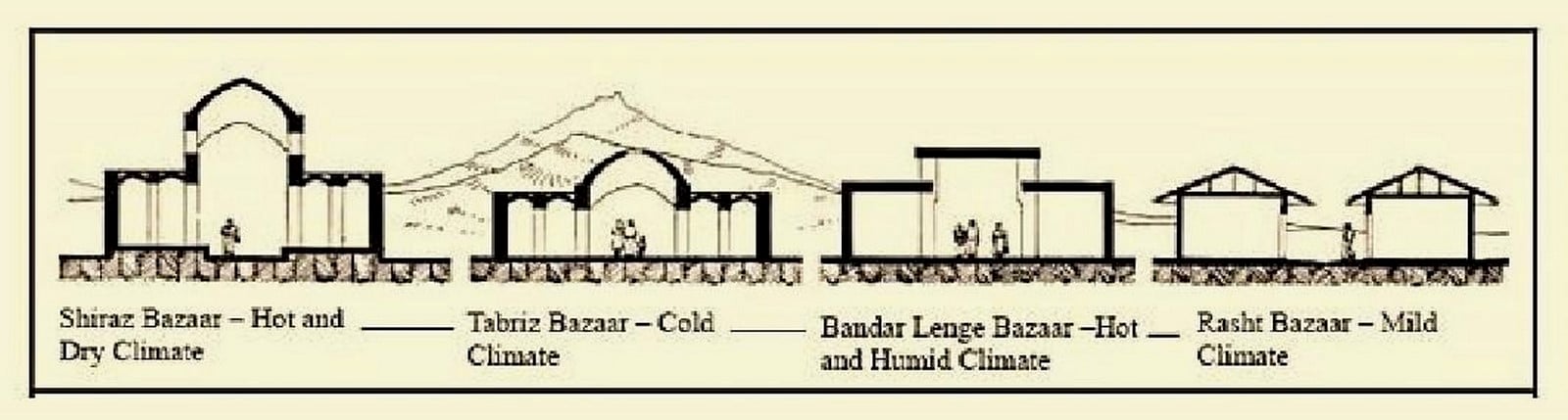
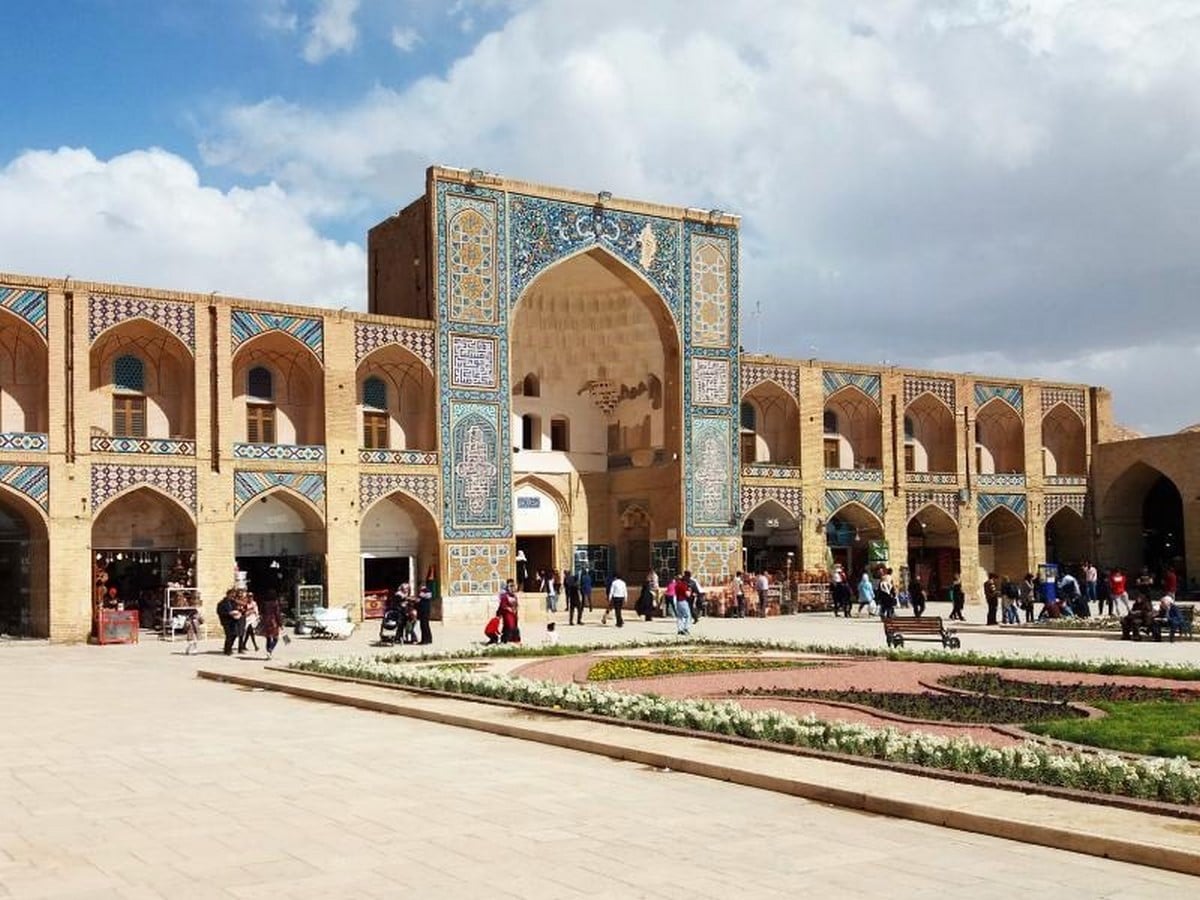
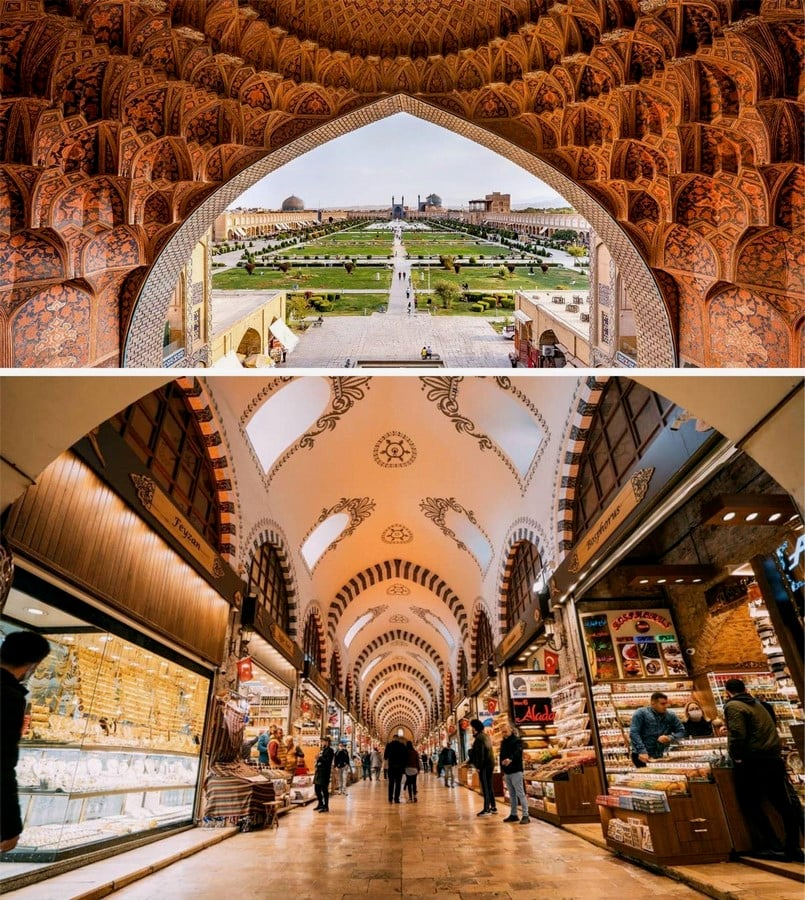
The ancient retail architecture of Roman and Parthian cities and elsewhere further developed into suqs or bazaars as a core of Islamic cities. Their foundation lay in the seasonal markets established in pre-Islamic Arabia to serve nomads, which later grew to become permanent parts of cities located at strategic trade routes or tightly integrated into the residential neighbourhoods during the Ottoman, Umayyad, Fatimid, Safavid and Seljuk empires. Bazaars were an emblem of architectural grandeur through high vaulted ceilings, intricate brickwork, exquisite tile decorations and domed skylights. Evolving organically as a network of arched pedestrian corridors flanked by shops and workshops on each side and squares, bazaars were predominantly based on linear, radial, concentrated and cross-shaped morphological models, generally domed throughout their length in harsh climates and sometimes left uncovered in mild climates.
These realms were not merely spaces of transaction but cosmopolitan environments comprising mosques, caravanserais, hammams, coffeehouses, restaurants, drinking fountains and courtyards wholly concentrating public life. They were self-sufficient territories and central environments for craftsmen, merchants, residents, and travellers of the time, fostering economic and cultural exchange between distant communities. Bazaars eventually became decentralised soon after the disintegration of Islamic empires and the advent of modernity, changing the traditional trade culture for the times to come.
The Western World
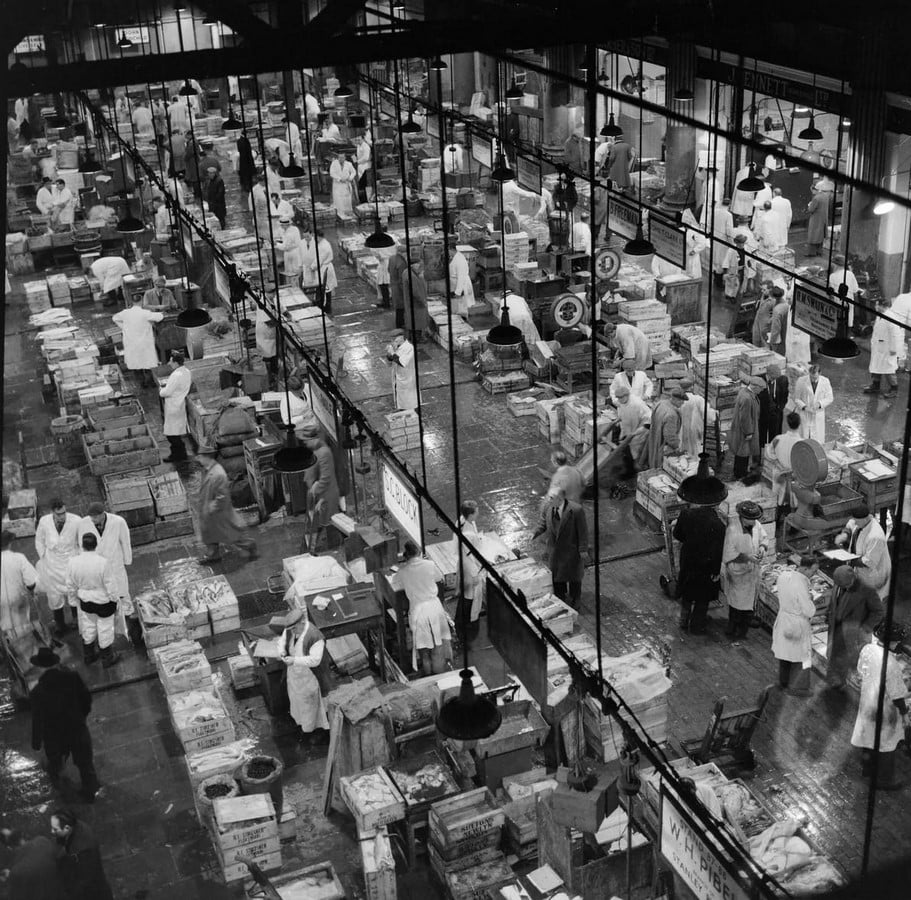
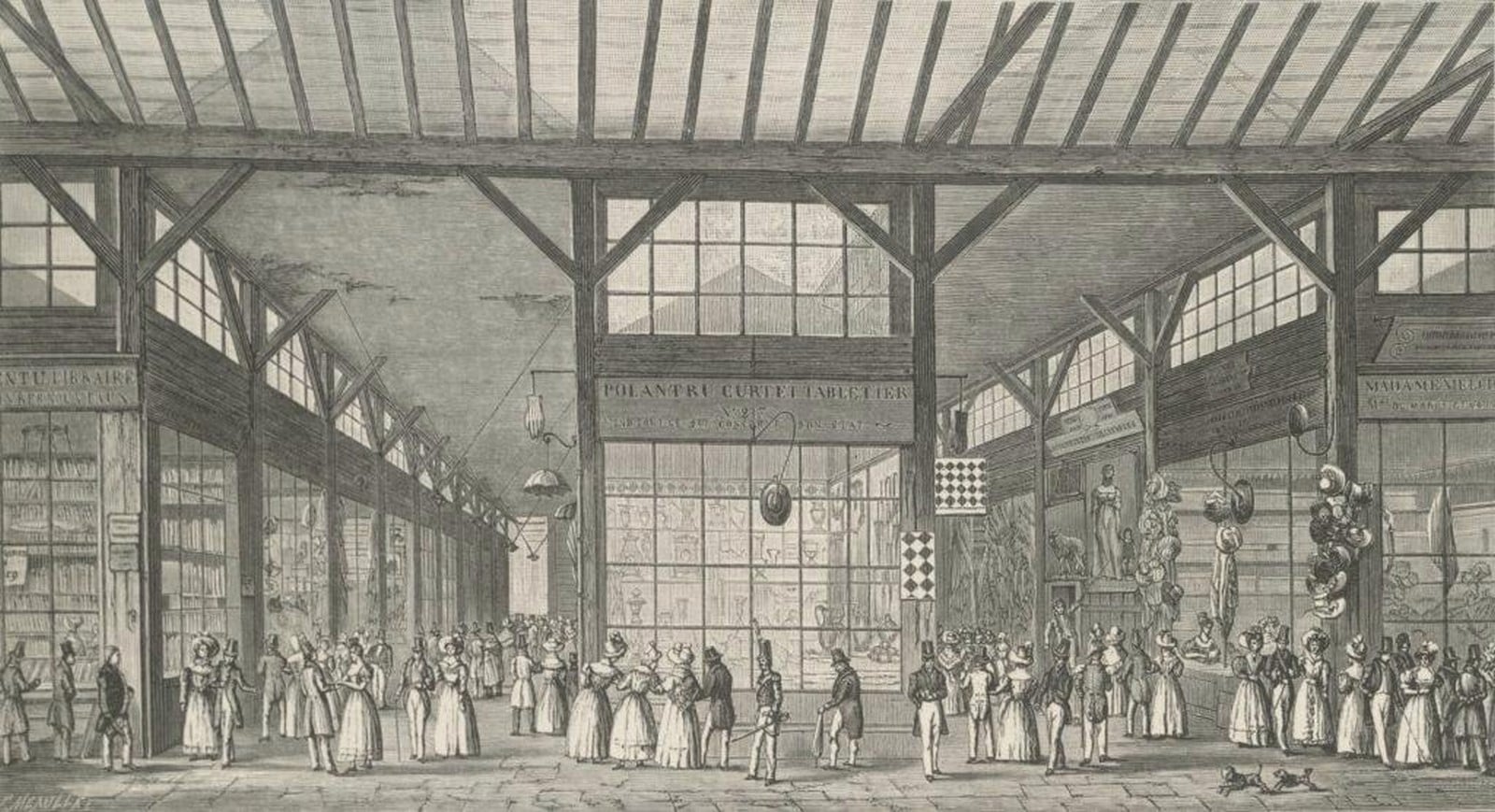
From the 12th century to the 18th century, bazaars uniquely characterised Islamic cities and were the main distinguishing feature between them and the Western world. While bazaars dominated the Islamic world as metropolitan environments, Western cities were mainly populated by open-air markets and market halls. In the orientalist worldview, bazaars were “chaotic” and “unorganised”, and European markets were “organised”, but in reality, these visible differences in each of their retail architecture stem from the indigenous social, religious, cultural and political values. Things began to change for both worlds around the 18th century, when industrialisation happened. As a result, urbanisation surged, and the rising demand led to markets giving way to department stores and shopping arcades in Western cities. This retail format, with vast spans, multiple stories, atriums, glass displays and skylights, was possible through modern materials of iron, steel, glass and concrete. Not only that, as Western powers decided to colonise the rest of the world, they extended the same retail format in the form of covered markets and shopping centres as a tool of colonial governance, disturbing the institutionalised status of bazaars and substantiating modern progress.
World’s First Mall
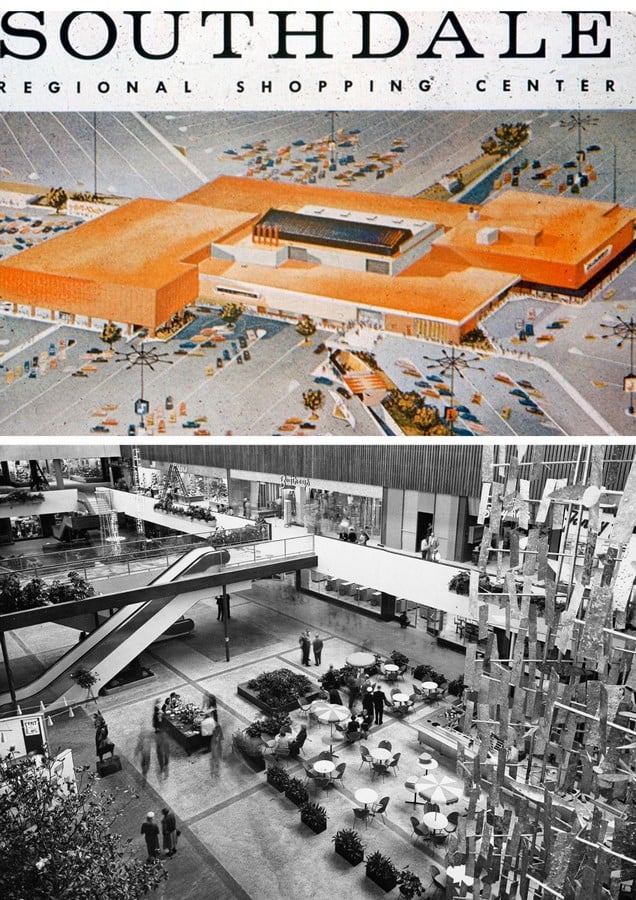
The rise of mass production, expanded international trade, material innovations, a population boom, and the rise of the middle class brought a dramatic surge in shopping centres in European and American countries during the late 18th and 19th centuries. But the graph did not stop there. In 1956, Victor Gruen envisioned a new form of retail architecture in contrast to standalone stores to accommodate the needs of the residents of newly established suburban neighbourhoods. He conceived a rendition of a town square where people could not only shop but gather and socialise. In contrast to the extroverted design of shopping centres, Southdale Centre in Edina, Minnesota, with its introverted design, multi-level shopping, ample parking, and climate control, provided a centralised location with entertainment, gathering and leisure activities under one roof, becoming the precursor of the modern-day mall. In the economic circumstances and lifestyle changes of the time, malls eventually came forward as an archetype for the world, permitting comfort, convenience and control over climate.
The Ripple Effect
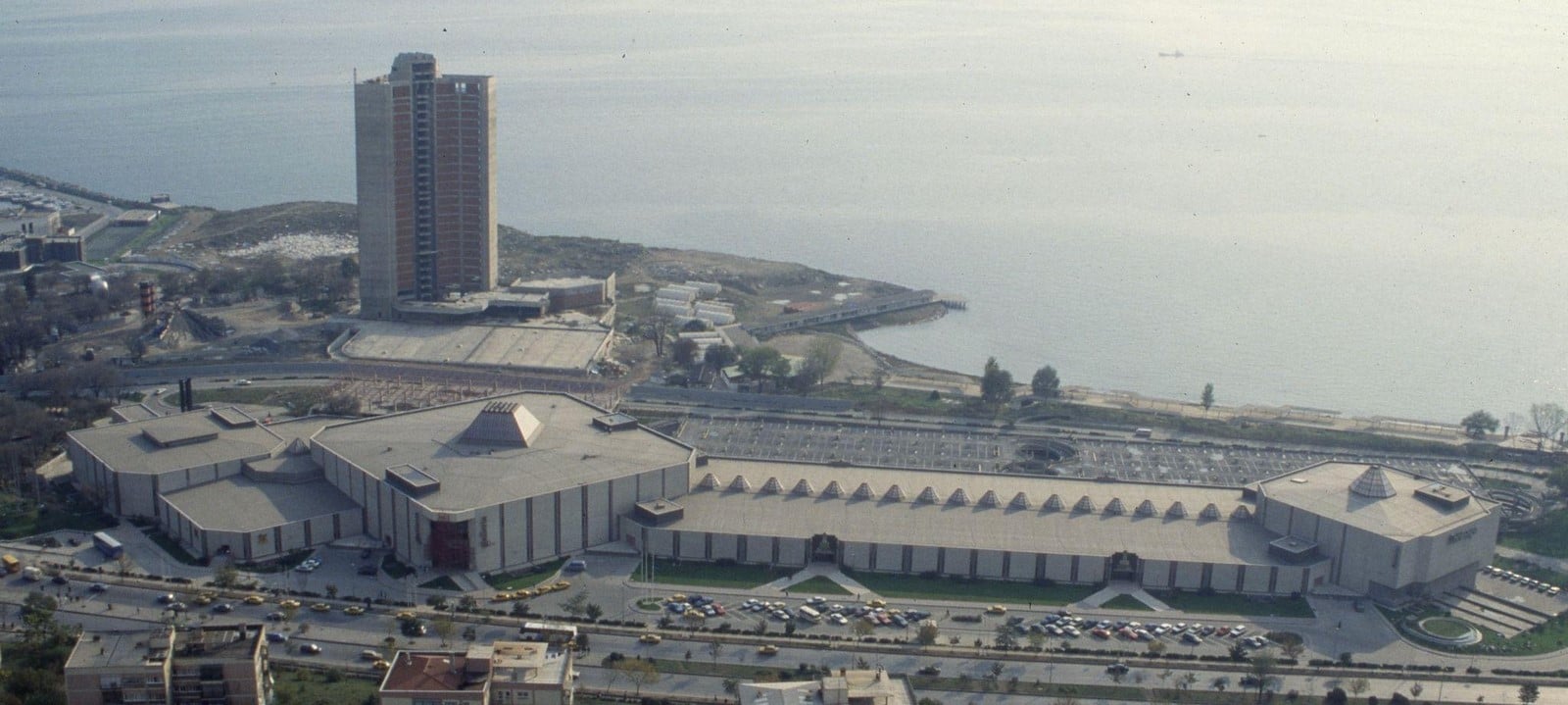
After the world welcomed the first indoor mall in the year 1956, it was only a matter of time before thousands of others took cue across the country and the globe, establishing a standard for retail architecture for the upcoming decades. The format was convenient and impressive enough for the global audience to adopt it at an accelerated pace, and shopping malls grew to new heights, attracting both locals and tourists. In 1992, Bloomington, Indiana welcomed the first mega-mall; in 1997, the first shopping mall was opened in the Kingdom of Bahrain; in 1988, Galleria Ataköy opened its doors to customers in Turkey, and many other countries joined the queue. Consequently, huge, enclosed multi-story complexes wrapped in glass and concrete became rampant and a one-size-fits-all solution for everyone’s needs and aspirations, regardless of climate and context.
The Disparate Retail Realms
Shopping malls may have been readily adopted in the Western world, but the trend gave rise to two distinct retail realms in the Eastern world: bazaars and shopping malls. For centuries, bazaars had been the representation of sustainable architecture prioritising user comfort through courtyards, daylighting and natural ventilation. In parallel, malls came forward as the twentieth-century equivalent of bazaars, with an upscale environment and a multitude of activities for every age. While malls inherently offered convenience, comfort and predictability in regulated environments, bazaars had always been valued for the diversity of goods, affordability and cultural richness.
Today, many people associate a sense of civic pride with malls, but a common perception is that they are sanitised replicas of bazaars that exclude much of the population who visit bazaars for the chance to bargain. Concurrently, the aroma of spices, the colourful textiles and the sounds of hammers striking metal alongside the chatter of merchants pulsate the bazaar environment in stark comparison to malls, which carry a universal modern character. Both retail architecture formats are radically different, but irrespective of their perks and pitfalls, they have become a functional reality of the Eastern world and present-day society, successfully attracting their share of users.
The world has undergone a retail metamorphosis. In the past, the first marketplaces were just imagined as a means of gathering and experiencing daily life, but the evolution of knowledge and lifestyle has given rise to versatile retail environments today. Exquisite customer experience, technology and convenience have become the primary lens through which retail environments are being envisioned. Marketplaces are being reinterpreted in contemporary garb as hubs of commerce, community and culture, with malls evolving into third places becoming more sophisticated to protect them from fading over time. But as the world shifts towards a singular retail format, it must not overlook the effects of its propagation. The popularity of malls and shopping centres has altered the nature of retail, diminishing the role of bazaars and markets as intrinsic vital hubs of trade and interaction. These days, the very same environments are increasingly cherished for the glimpses of history, heritage and culture, unique to them but unfamiliar to malls. Indeed, each retail format has prospered according to the timeline in which it was introduced, which is why today contemporary retail architecture has become the need of the hour, with multiple functions, innovation and care for context and identity for long-term sustainability.
References:
- Abid, N., Mestarehi, M., Khalfan, M. and Almadhoob, H. (2026). Negotiating tradition and modernity: Users preferences of souqs and malls in Bahrain. Frontiers in Built Environment, [online] 11. doi:10.3389/fbuil.2025.1714841.
- Gharipour, M. (2012). The bazaar in the Islamic city. Oxford University Press.
- Kalan, A.M. and Oliveira, E. (2014). Sustainable architecture of the bazaar of Tabriz and its relation with the social and cultural aspects. IARS International Research Journal, [online] 4(1). doi:10.51611/iars.irj.v4i1.2014.33.
- Mehr News Agency (2025). Beyond market: A deep dive into Iran’s traditional bazaars. [online] Mehr News Agency. Available at: https://en.mehrnews.com/news/237927/Beyond-market-A-deep-dive-into-Iran-s-traditional-Bazaars [Accessed 08 Sept. 2026].
- PBS NewsHour (2014). A brief history of the American shopping mall. [online] www.youtube.com. Available at: https://www.youtube.com/watch?v=hcWcspY59HM [Accessed 08 Sept. 2026].
- Team, S.E. (2025). The surprising history of shopping malls: From ancient Rome to today – SmartGifty. [online] SmartGifty – Smart solution connecting multiple stores with one gift card. Available at: https://smartgifty.com/the-surprising-history-of-shopping-malls-from-ancient-rome-to-today/ [Accessed 08 Sept. 2026].