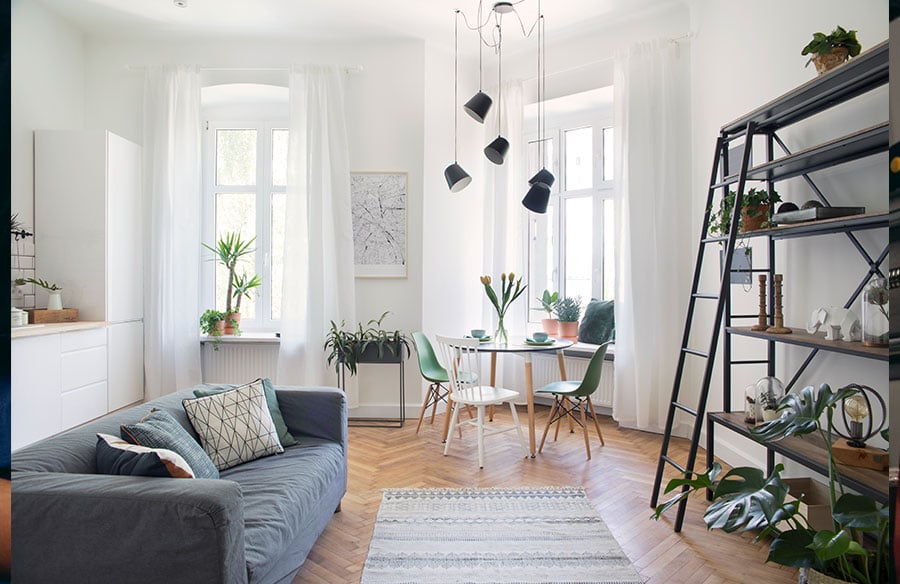
A well-designed space is not only about choosing attractive colors or expensive furniture. Good interior design is about creating an environment that feels comfortable, organized, and practical for everyday use. Whether you are renovating a home, updating a room, or designing a commercial space, thoughtful planning can make a significant difference in how the space looks and functions.
Many people begin an interior project by focusing on decoration. However, furniture placement, storage, lighting, movement, and the purpose of each area are equally important. A beautiful space can quickly become difficult to use if these practical elements are overlooked.
Start With the Purpose of the Space
Before choosing furniture or decorative elements, consider how the space will be used. A living room designed for family gatherings will have different requirements from a home office or dining area.
Understanding the purpose of a room helps determine the type of furniture, lighting, storage, and layout required. It also prevents unnecessary purchases that may take up valuable space without providing much practical benefit.
For example, a small room may benefit from multifunctional furniture, while a larger room may allow separate areas for different activities. Planning these zones before purchasing furniture can make the final result more organized.
Make Better Use of Available Space
Good space planning can make even a compact room feel more comfortable. One common mistake is placing too much furniture in an area simply because there is enough floor space for it.
Instead, leave clear pathways between major pieces of furniture. This improves movement and makes the room feel less crowded.
Vertical space can also be useful. Wall-mounted shelves, cabinets, and storage solutions can provide additional functionality without occupying much floor area. This approach is particularly helpful in smaller homes where floor space is limited.
Choose Furniture That Fits the Design
Furniture should complement the size and style of the space. Large furniture can overwhelm a small room, while very small pieces may look disconnected in a large area.
When selecting furniture, consider dimensions carefully. Measure the available area before making purchases and think about how doors, windows, and walkways will affect placement.
The same principle applies to commercial interiors. Businesses often need furniture and displays that provide practical storage while maintaining a professional appearance. Customized solutions can help make better use of unusual layouts or limited areas.
For businesses planning specialized retail interiors, Shop Fixtures can be incorporated into a broader design strategy to create organized product areas while maintaining a consistent visual style.
Use Lighting to Improve the Environment
Lighting has an important role in interior design. A combination of natural and artificial lighting can make a space feel more comfortable and functional.
During renovations, consider how much natural light enters the room at different times of the day. Furniture should be arranged without unnecessarily blocking windows.
Artificial lighting can then be used to support specific activities. Ceiling lights can provide general illumination, while lamps and focused fixtures can be used for reading, working, cooking, or highlighting particular areas.
Warm and soft lighting can create a relaxed atmosphere, while brighter lighting may be more appropriate for work areas and kitchens.
Create Practical Storage
Storage is one of the most important elements of a well-organized interior. Without sufficient storage, even a carefully designed room can quickly become cluttered.
Built-in cabinets, floating shelves, storage benches, and multifunctional furniture can provide useful solutions. In bedrooms, for example, wardrobes that use vertical space can offer substantial storage without requiring a larger footprint.
Storage should also be easy to access. Frequently used items should be kept within convenient reach, while seasonal or rarely used belongings can be stored in less accessible areas.
Consider Materials and Durability
The appearance of furniture and surfaces is important, but durability should also be considered. Materials should match the level of use expected in the space.
High-traffic areas may require surfaces that are easy to clean and resistant to regular wear. Kitchens and bathrooms, for example, often need materials that can handle moisture and frequent cleaning.
In commercial environments, furniture and display systems may experience even more daily use. Choosing appropriate materials can help maintain the appearance and functionality of the interior over time.
Ant Display is a leading manufacturer of retail store fixtures, mall kiosks & displays in China. The company offers customized showcases, stands, racks & shelving, commercial furniture & more. It also provides full shop design and retail displays for USA, CA, AU & Europe.
Keep the Layout Flexible
Interior needs can change over time. A family may need a room to serve different purposes, or a business may change its products and displays.
Flexible furniture can make these changes easier. Movable tables, modular shelving, adjustable storage, and lightweight seating can allow a room to be rearranged without major construction work.
For retail environments, flexible Retail Shop Displays can make it easier to update product arrangements and adapt the interior for seasonal collections or changing customer needs.
Add Personality Without Creating Clutter
Personal touches can make a space feel unique, but decoration should be balanced with functionality. Artwork, plants, rugs, mirrors, and decorative objects can add character without requiring major structural changes.
Instead of filling every empty surface, choose a few elements that complement the overall design. This creates visual interest while keeping the room organized.
Colors can also influence the character of a space. Neutral shades can provide a versatile foundation, while selected accent colors can add personality.
Think About Long-Term Maintenance
A good interior should be relatively easy to maintain. When selecting flooring, furniture, wall finishes, and decorative materials, consider how much cleaning and maintenance they will require.
Easy-to-clean surfaces can be particularly useful in kitchens, bathrooms, entryways, and commercial spaces. Similarly, furniture with durable finishes may remain presentable for longer periods when exposed to regular use.
Planning maintenance requirements from the beginning can reduce future inconvenience and help preserve the appearance of the space.
Final Thoughts
Effective interior design combines appearance with practical planning. The best spaces are designed around the people who use them, with careful attention to movement, storage, lighting, furniture, materials, and flexibility.
Whether you are improving a home or developing a commercial interior, starting with the purpose of the space can make every later decision easier. Instead of choosing individual elements separately, consider how furniture, lighting, storage, and decoration will work together.
A thoughtful approach can transform an ordinary space into an environment that feels organized, comfortable, and functional for years to come.