Do you have a room that makes you feel somewhat unsettled or uneasy? Your interior design may have something to do with it. You may have carefully chosen your paint color, furniture, and decorative materials, but if the room lacks a focal point, it can cause mental fatigue because the brain cannot find a place to rest. Without a visual anchor, the eye wanders constantly, causing you to feel anxious or uncomfortable. Studies show that humans feel safe when spaces offer clear orientation, and focal points can provide spatial and visual orientation by acting as anchors that manage room flow.
Most homeowners use the fireplace, a large piece of artwork, a picturesque window, or an interesting sculpture to create a focal point. But using texture and reflection is another way to add depth and define zones. This is a core strategy that interior designers often rely on, especially if they’re working with clients who prefer classic or conservative design since it naturally captures attention and makes an area stand out. Here’s how to use texture and reflection to draw the eye and make spaces feel more balanced.
Glossy vs. Matte Surfaces
Creating a focal point can be as simple as styling your fireplace mantel with an oversized mirror, or hanging a sculptural light fixture in the living room. You can also create a statement wall with a curated photography collection that features a single theme, like coastal photography, florals, or black and white shots. But for a different way to strategically create visual anchors, consider using glossy and matte materials to decorate a room.
The way a surface handles reflection determines its visual weight in a space. Glossy finishes create specular reflection, which means that they act like mirrors, bouncing light rather than absorbing it. Anything that has a highly polished surface or a glossy sheen like a lacquered cabinet, marble tabletops and flooring, glazed pottery, or metal furniture and accents can capture the eye instantly, and these give the space an exuberant energy.
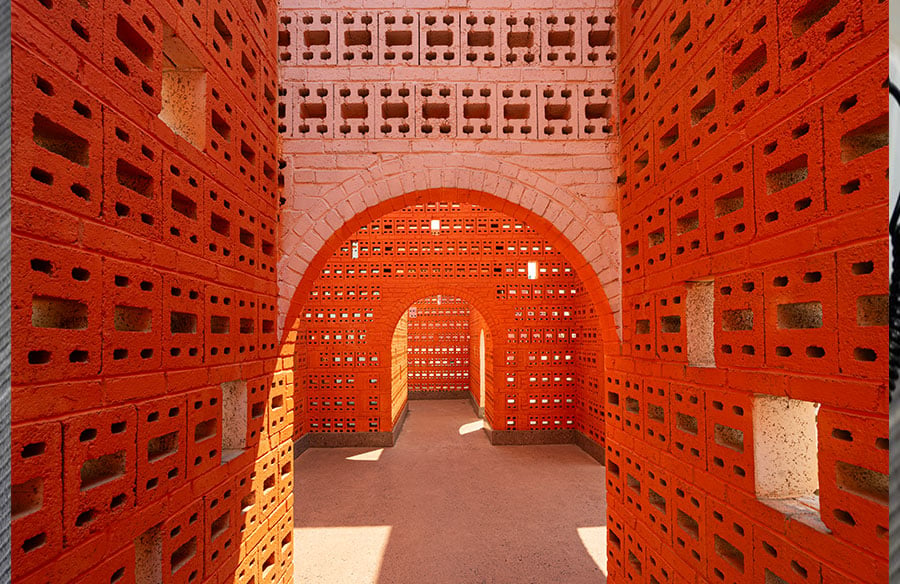
In contrast, matte finishes create a diffused reflection, and these absorb light and create a gentle vibe for your space. Materials like natural bricks, unpolished stone, and flat paint scatter light in all directions, creating a calming and grounding effect. Since matte finishes provide a softer visual weight, they give an impression of warmth and intimacy, making them the perfect additions to a room that needs visual calm.
Smooth and Rough Textures
A room without texture can feel flat and lifeless, similar to unseasoned food or a sterile hotel room. Without tactile elements like weaves or wood grain, spaces can feel cold and staged. The absence of texture can also result in unwanted noise in rooms since having nothing but smooth and hard surfaces in a space can make sound waves bounce around. With nothing to absorb the sound waves, this creates echoes and harsh noises, which can make you feel hollow and mentally drained.
Texture can give life to rooms by adding visual or tactile contrast, resulting in natural focal points. Rough textures like plaster or fluted timber panels can produce highlights and shadows, especially if they’re lit from certain angles. This gives an ordinary wall visual weight, turning it into an understated focal point. On the other hand, smooth textures do not produce shadows, but they allow the eye to easily glide across them, making them the perfect backdrop for attention-grabbing decorative elements.
Putting it All Together
Focal points are not created by a single texture or gloss, but if you put certain elements together, you can control how the space is perceived and dictate exactly where the eyes look first. For instance, placing a large plant with big, glossy leaves, like a fiddle leaf fig, in front of an exposed concrete wall will immediately draw the eye. To give interest to a Zen or Scandinavian-themed living room, replace the wooden center table with one made of a massive slab of natural stone. This adds organic drama to the space while serving as a functional conversation piece.
To create sophisticated focal points, think about adding sheen in strategic places. For example, if you want to create a fireplace accent wall, use a paint with a glossy finish to highlight this area. You can also install high gloss wood panels to the accent wall, but keep all other walls matte for a balanced look.
To create focal points in outdoor areas, install a mosaic marble rug right outside your front door. Alternatively, try using shiny patterned tiles to create a tile rug for your patio floor. This will add color and contrast, especially if the floor is made of bare concrete. Install the tile rug at the center of the patio, or have it placed in the sitting area.
Create natural focal points to add calm and visual weight to rooms. By using texture and reflection the right way, you can create anchors that draw the eye without overwhelming the space.