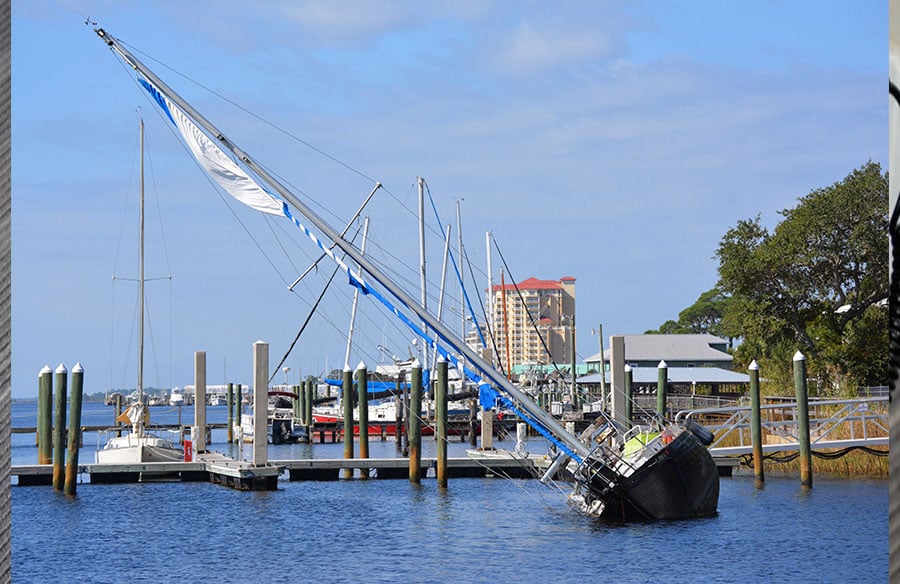
Marinas don’t stay the depth they were built at forever. Sand and sediment drift in constantly, pushed by currents and tides, and without regular dredging even a well engineered marina like Vilamoura’s would gradually silt up until larger vessels couldn’t safely navigate it. This ongoing maintenance rarely gets mentioned in property listings, but it’s a genuine, expensive engineering commitment that underpins the whole resort, and it’s worth understanding if you’re looking at Algarve property for sale anywhere near the marina itself.
From an urban planning perspective, a marina is more than just a place to moor boats; it’s a complex piece of infrastructure that shapes the surrounding built environment. The initial design choices for its layout, water circulation, and integration with the shoreline dictate long-term maintenance needs and the aesthetic appeal of the entire waterfront development.
Why Sediment Builds Up in the First Place
Coastal currents along this stretch of the Algarve carry sand along the shoreline in a fairly predictable pattern, and any structure that interrupts that natural flow, like a marina’s breakwaters, creates zones where sediment settles out and accumulates rather than continuing to drift past. The same breakwaters that protect boats from open water swell also, somewhat inevitably, create the conditions for silt buildup inside the harbour. It’s a trade off baked into the physics of marina design rather than a flaw specific to Vilamoura.
The design of these protective breakwaters involves intricate considerations of material science and structural engineering. Architects and engineers must select robust materials capable of withstanding constant wave action and marine environments, while also shaping these structures to minimize sediment accumulation and maintain ecological balance within the harbour.
What Dredging Actually Involves
Dredging vessels use mechanical or hydraulic methods to remove accumulated sediment from the harbour floor, typically on a scheduled cycle rather than waiting until depths become a genuine navigation problem. The removed material has to go somewhere, and disposal has become an increasingly regulated part of the process, since dumping dredged sediment carelessly can damage marine habitats elsewhere along the coast. Some of it gets used productively for beach nourishment projects nearby, replenishing sand on beaches that are themselves losing material to erosion, which is a reasonably elegant solution when the logistics line up.
The Cost Side Owners Rarely Think About
Regular dredging is genuinely expensive, and marina operators typically fund it through mooring fees and resort levies rather than treating it as a one off cost. For property owners near the marina, this ongoing maintenance cost is baked quietly into the broader resort fee structure, part of why running costs in a marina adjacent development can be higher than a comparable property elsewhere in the Algarve without direct water access.
Climate Change Is Making This Harder to Predict
Changing storm patterns and sea level trends are altering sediment movement in ways that make it genuinely harder for engineers to predict exactly how often dredging will be needed going forward, compared to the more stable patterns earlier planning assumed. Some marina operators along the Iberian coast have started commissioning more frequent bathymetric surveys, essentially detailed underwater mapping, just to keep pace with changes that used to be more predictable on a fixed schedule.
What This Means for Anyone Buying Nearby
None of this should scare anyone away from marina adjacent property, Vilamoura has managed this maintenance successfully for decades and shows no sign of stopping. But it’s worth asking direct questions about how dredging costs get allocated among property owners and how recently the marina’s own maintenance schedule has been reviewed, especially given how climate patterns are shifting the assumptions original engineers built the whole system around. A marina that looks permanent and unchanging from the deck of a restaurant is actually the product of continuous, expensive, mostly invisible engineering work underneath the surface.