When summer heat settles in, your home can start feeling less like a refuge and more like a slow-roasting experiment. Keeping rooms comfortable without sending your energy bill into orbit takes more than lowering the thermostat and hoping for the best. You need a mix of smart habits, basic home maintenance, and a clear sense of when your cooling system needs help. A little strategy goes a long way.
Watch for Signs Your AC Needs Professional Attention
Sometimes high energy use or poor cooling has less to do with your habits and more to do with the equipment itself. Air conditioners rarely fail out of nowhere. They usually drop hints first.
Pay attention to warning signs such as:
– Warm air blowing from vents
– Weak airflow
– Frequent cycling on and off
– Strange noises like buzzing or rattling
– Water leaks near the system
– A sudden spike in energy costs
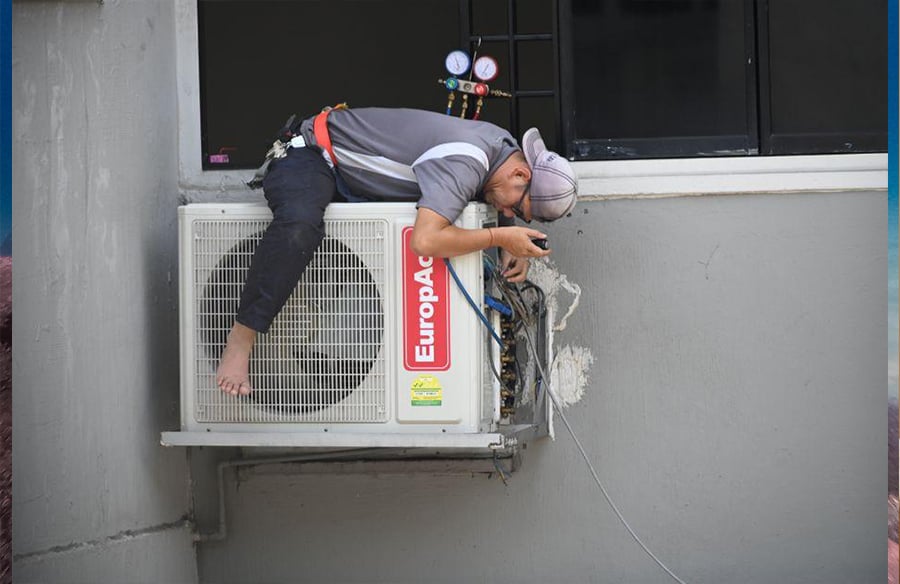
If you notice those issues, getting AC repair & service can prevent a minor fault from becoming a major expense. A refrigerant issue, failing capacitor, or dirty evaporator coil won’t fix itself through positive thinking. Prompt service often restores efficiency before wear spreads to other components.
Start With the Heat That’s Sneaking In
Your air conditioner doesn’t just cool your home. It also fights every bit of heat that enters through windows, doors, and poorly sealed gaps. If your place heats up fast in the afternoon, sunlight is probably doing a lot of the damage.
Try these first:
– Close blinds or curtains during peak sun hours
– Use blackout curtains in west-facing rooms
– Seal drafty doors and windows with weatherstripping
– Check attic insulation if your upstairs feels much hotter than downstairs
A room with direct sunlight can heat up surprisingly fast, especially if you’ve got older windows. Even a small air leak around a door can let hot air creep in all day. Your AC then works overtime, and your utility bill quietly starts plotting against you.
Set Your Thermostat Like You Mean It
A thermostat isn’t a speed button. Setting it to 65 won’t cool your house faster; it only keeps the system running longer. That’s one of those household myths that refuses to retire.
A more practical move is to aim for a steady, realistic temperature. For many homes, 76 to 78 degrees Fahrenheit when you’re home feels comfortable without being excessive. If you’re away, bump it up a few degrees.
A programmable or smart thermostat helps because it removes guesswork. You can have the house cool down before you return instead of paying to chill empty rooms all afternoon. That matters if your schedule changes often or if family members keep adjusting the settings like they’re in a thermostat turf war.
Use Fans the Right Way
Fans don’t lower room temperature, but they do help your body feel cooler by improving evaporation from your skin. That makes them useful, especially when paired with air conditioning.
Ceiling fans should rotate counterclockwise in summer to push air downward. Box fans near windows can also help move stale warm air out during cooler evenings. The key detail: turn fans off when nobody is in the room.
Here’s where people waste money. A fan running in an empty bedroom helps absolutely no one, unless your goal is to keep the furniture breezy. Use fans to support comfort in occupied spaces, not as a stand-in for actual temperature control.
Keep the AC System Clean and Unblocked
One of the easiest ways to help your cooling system perform better is also one of the most ignored: basic maintenance. If airflow is restricted, the system has to work harder and longer.
Focus on these essentials:
– Replace or clean air filters regularly
– Keep supply vents open and unobstructed
– Vacuum dust around return vents
– Clear leaves, grass, and debris from the outdoor condenser unit
– Keep at least two feet of open space around the exterior unit
A clogged filter can reduce efficiency and stress the system. Dirty coils and blocked vents can create uneven cooling, weak airflow, and longer run times. If some rooms stay warm while others feel fine, airflow problems are often part of the story.
Reduce Indoor Heat From Everyday Activities
A lot of indoor heat comes from things you do without thinking about it. Cooking, drying laundry, and running certain appliances can all warm the house enough to make your AC kick on more often.
A few smart adjustments can help:
– Use the microwave or outdoor grill on very hot days
– Run the dishwasher at night
– Wash clothes in cold water when possible
– Air-dry laundry if humidity levels allow
– Switch to LED bulbs, which produce less heat
This won’t transform your home overnight, but it chips away at unnecessary heat gain. If you’ve ever baked something at 5 p.m. in July, you already know the kitchen can become a hostile environment with impressive speed.
Don’t Ignore Ductwork and Home Layout Problems
If your system seems to run constantly but certain rooms still feel stuffy, the issue may involve ductwork or layout rather than the air conditioner alone. Leaky ducts can send cooled air into attics, crawl spaces, or wall cavities instead of your living areas.
Multi-story homes often have temperature imbalances too. Upstairs rooms collect heat, while lower floors stay cooler. Closing too many vents downstairs usually backfires and can disrupt system pressure.
A better approach is to have ducts inspected, sealed if needed, and balanced for proper airflow. You can also use zoning systems or dampers in some homes. Real comfort depends on delivery, not just production. Cool air has to reach the right places, not vanish into construction limbo.
Build Better Cooling Habits for the Long Term
The cheapest fix is often consistency. Good cooling habits keep your home more comfortable and reduce strain on the system over time. That can extend equipment life and cut down on emergency repair calls during heat waves, when HVAC companies are usually slammed.
Make these habits part of your routine:
– Check filters monthly during heavy-use seasons
– Schedule seasonal maintenance before peak summer
– Keep blinds closed during the hottest part of the day
– Use ceiling fans only in occupied rooms
– Avoid large heat-producing chores in late afternoon
– Pay attention to new noises or weaker airflow
You don’t need a complicated system to stay cool. You need a house that holds cooled air well, an AC unit that runs efficiently, and daily choices that don’t sabotage both. Comfort gets much easier when your home isn’t working against itself.
Keep Comfort Practical, Not Expensive
A cooler home doesn’t have to mean bigger bills every month. If you control heat gain, use your thermostat wisely, support airflow, and stay on top of maintenance, your air conditioner can do its job without unnecessary strain.
The best results usually come from small, repeatable actions rather than one dramatic fix. Seal a leak, replace a filter, shade a window, pay attention to warning signs. Stack enough of those wins together, and your home feels better without constant thermostat battles. Summer is hot enough already. Your cooling strategy shouldn’t add extra drama.