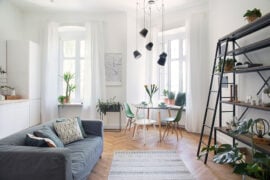
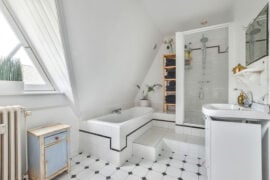
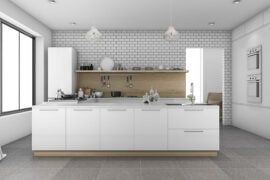
Contemporary homes are evolving towards flexible, multifunctional spaces that respond to changing lifestyles, combining adaptable layouts, durable materials and shared areas designed for comfort and everyday living.
The contemporary home is no longer simply a place for rest or family life, but an environment expected to meet increasingly diverse needs.
The evolution of daily habits, the rise of remote work, and a growing focus on domestic wellbeing have profoundly changed the way interiors are designed. Today’s homes must be able to adapt to different uses throughout the day, without sacrificing comfort, functionality, or aesthetic quality. As a result, architects and designers are rethinking the way rooms are laid out, favoring flexible solutions capable of keeping pace with changing lifestyles. Residential design is increasingly focused on the quality of the living experience, aiming to create homes that meet the needs of today without losing value over time. Striking a balance between aesthetics, practicality, and wellbeing has become one of the most important considerations in shaping the home.
The Contemporary Home Adapts to New Ways of Living
The shifts in domestic life have made the traditional, rigid division of rooms increasingly outdated. Kitchen, living room, and dining area now tend to flow into one another, creating open, continuous areas that encourage social interaction and greater freedom of use. At the same time, areas dedicated to work or study have also found a place within the home, calling for design solutions that strike a balance between privacy, focus, and family life.
The home has effectively become a dynamic environment, where the same rooms can take on different functions over the course of the day. A dining table can double as a workstation, the living room can become a place for study or leisure, while the kitchen remains one of the family’s primary gathering points. This shift has led designers and interior architects to develop approaches that promote continuity between rooms while still allowing for more private areas when needed.
Contemporary design, then, aims to create fluid environments where each room can serve more than one purpose depending on the time of day. Achieving comfort comes down to better organizing interiors, with greater attention paid to natural light, visual continuity, and material choices that come together to create a harmonious, long-lasting whole. Personalization also plays a major role, allowing the home to reflect the habits and lifestyle of its occupants without sacrificing functionality or order. Among the solutions that support this design evolution are Atlas Concorde’s porcelain tiles for floors and walls, designed to ensure aesthetic consistency and versatility in contemporary interiors.
Flexible Design and Materials Built to Last
One of the defining principles guiding residential projects today is the ability of a home to evolve alongside the changing needs of the people who live in it. Homes are now designed with a long-term vision in mind, incorporating easily reconfigurable layouts, modular furnishings, and features that allow certain rooms to change function without major renovation work. The goal isn’t just to meet present-day needs, but to create homes capable of adapting through life’s different stages, whether driven by changes in family, career, or personal circumstances.
This flexibility also extends to how the layout is distributed and how efficiently every area can be used. Sliding walls, multifunctional furniture, and integrated design features help make the most of available square footage— particularly in smaller apartments—without compromising on comfort. Every choice is weighed not only for its visual impact, but also for its practicality in everyday use and how easily the home can be maintained.
Material selection also plays a decisive role in this approach. Durable finishes, easy-to-clean surfaces, and materials that hold up aesthetically over time are essential to ensuring both quality and practicality. Layout planning is likewise geared toward everyday livability, minimizing wasted square footage and encouraging functional flow between different areas of the home. The ability to maintain high performance even after years of use has become a key factor in choosing wall and floor coverings and fixtures, helping to reduce maintenance needs and enhance the home’s long-term value. The goal is to create homes that stay comfortable, efficient, and true to their original quality even as family needs evolve.
Kitchen, Living Room, and Shared Areas at the Heart of the Contemporary Home
Among the rooms that have undergone the most significant transformation are the kitchen, living room, and areas devoted to togetherness. These rooms have become the true center of domestic life, hosting activities that go well beyond meal prep or simple relaxation. People work, study, entertain guests, and share everyday moments within increasingly multifunctional interiors.
Merging kitchen and living room is one of the most widespread solutions in contemporary design, as it enhances the sense of openness and fosters a stronger sense of flow between the home’s different functions. Within these interiors, every element—from furnishings to lighting to surfaces—helps strike a balance between functionality and visual appeal. Coordinated materials and consistent finishes create a unified design language that elevates the home as a whole.
For this reason, design places particular emphasis on balancing aesthetics with practicality. Continuity between flooring and wall coverings, materials that work in harmony with other furnishing elements, and a focus on finishes chosen to last all help create rooms that feel harmonious and consistent. At the same time, there’s growing demand for surfaces that can stand up to daily wear without giving up elegance, offering easy maintenance and strong performance even in the home’s most heavily used areas. Every detail, from surfaces to volumes, is designed to deliver comfort, ease of use, and an aesthetic quality built to last—making shared areas the true heart of the contemporary home.