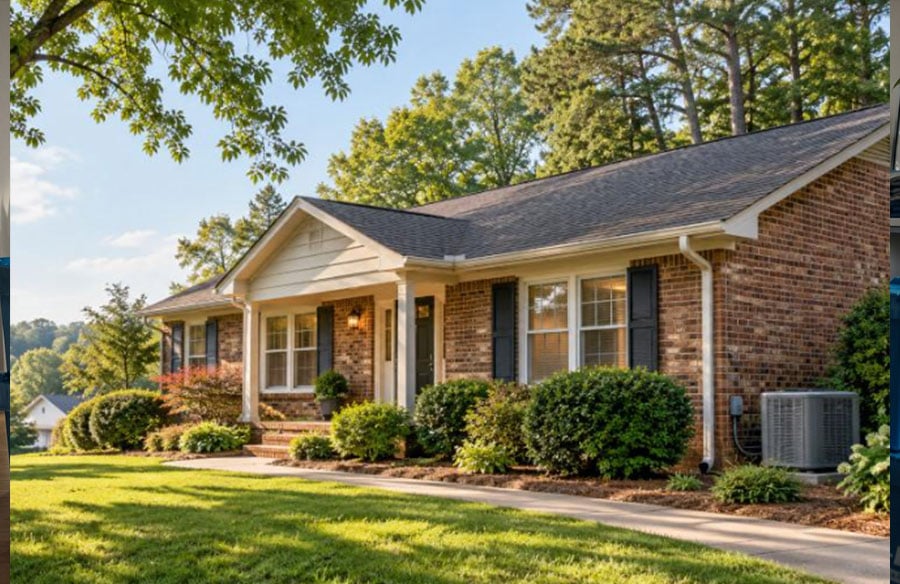
If your Duluth home was built in the 1970s or 1980s, you may not need a complete renovation to make it more comfortable and efficient. Many older homes still have solid structures, but years of wear can leave their insulation, windows, air sealing, drainage, and mechanical systems needing attention.
The challenge is knowing what to fix first.
It can be tempting to start with a new HVAC system, replacement windows, or cosmetic updates. In many cases, however, the better starting point is the building envelope. Fixing air leaks, insulation problems, and moisture issues first can help you determine what the house actually needs before you invest in larger equipment or finishes.
Key Takeaways
- Start by assessing the attic, walls, windows, doors, and foundation areas.
- Fix drainage and moisture problems before adding insulation or sealing the home.
- Air sealing and attic insulation can be important early upgrades.
- Don’t automatically replace windows that are still structurally sound.
- Evaluate HVAC equipment after major envelope improvements.
- A phased approach can help prevent unnecessary work and rework.
Start With the Building Envelope
The building envelope is the part of your home that separates the conditioned interior from the outdoors. In an older Duluth house, that means looking closely at the attic, walls, windows, exterior doors, crawlspace, and foundation areas.
Before spending money on new equipment, look for signs that the house itself is making your heating and cooling systems work harder than they need to.
An inspection can reveal problems such as uneven or missing insulation, drafts, moisture intrusion, or gaps around penetrations. A blower door test can also help identify significant air leakage that may not be obvious during a normal walkthrough. If older appliances are also showing signs of wear, a Duluth appliance repair service can help determine whether a repair makes sense before you budget for replacement.
Air Sealing and Insulation
Older attics often deserve close attention. Insulation may be compressed, uneven, or missing in certain areas. You may also find gaps around attic hatches, plumbing penetrations, ductwork, recessed lighting, and other openings.
Air sealing should generally come before adding or replacing insulation. Otherwise, you could add insulation while leaving significant pathways for conditioned air to escape.
The goal is not simply to add as much insulation as possible. It is to identify where the existing system is falling short and address those deficiencies appropriately.
Take a Closer Look at Windows and Doors
Replacing every original window is not necessarily the best use of your renovation budget.
If an older wood window is structurally sound, weatherstripping, maintenance, storm windows, and functional locks may improve its performance without removing the entire unit. Keeping serviceable original windows can also preserve some of an older home’s character.
Replacement makes more sense when windows are severely deteriorated, damaged, difficult to operate, or otherwise no longer practical to maintain. Evaluate them individually rather than using age alone as a reason to replace them.
Fix Moisture and Drainage Problems First
Duluth’s humid climate makes moisture control an important part of an older-home retrofit. Before tightening the building envelope or adding insulation, check areas where water or humidity could create problems.
Start with the crawlspace, attic, foundation, gutters, and surrounding drainage. Look for visible water intrusion, damp materials, staining, or drainage conditions that could keep moisture around the foundation.
This step matters because insulation and new finishes don’t solve underlying water problems. If moisture gets into newly upgraded areas, you could damage the work you just paid for.
Addressing drainage and moisture problems early can also make later air-sealing and insulation work more effective.
Reassess the HVAC System After Envelope Improvements
Once you’ve addressed major envelope problems, turn your attention to the HVAC system.
Air sealing and insulation can change how much heating and cooling the house requires. That means the equipment that made sense before the retrofit may not be the right size or configuration after the work is completed.
For that reason, replacing an HVAC system before addressing major envelope deficiencies may not always be the best sequence. Improve the house first when practical, then have the HVAC system evaluated based on its updated heating and cooling needs.
The same principle applies to other major equipment. Older water heaters and appliances may consume more energy than newer models, and equipment approaching the end of its service life can become a consideration during a larger renovation. If an appliance starts showing signs of trouble during the retrofit, professional appliance repair can sometimes extend its useful life and help you avoid an unnecessary replacement. Appliance EMT can help homeowners diagnose and address appliance problems before deciding whether replacement is the better option.
 Consider the Age and Construction of Your Duluth Home
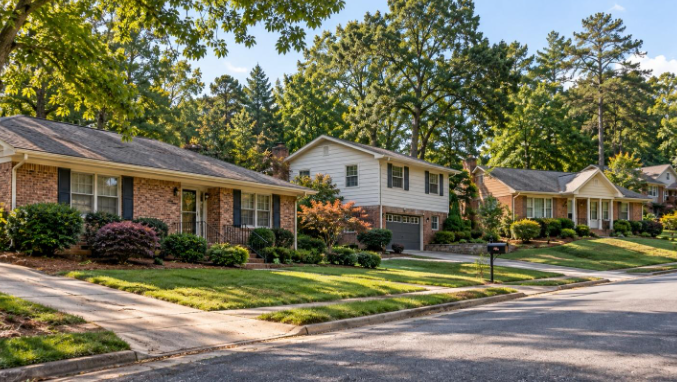
Many older homes in the Duluth area date from periods when construction practices and building materials differed from those used today. A house from the 1970s or 1980s may have accumulated repairs and improvements across several generations.
That history matters. Reusing and improving an existing home can also support broader sustainable-building goals by extending the structure’s useful life and avoiding unnecessary material replacement. For a broader look at the topic, see what recent studies reveal about sustainable architecture.
For example, one homeowner may have an attic with original insulation and older ductwork, while another may have already upgraded the HVAC system but still have significant air leakage. Two houses of the same age can therefore require very different retrofit strategies.
Rather than replacing components simply because they are old, identify what is actually affecting comfort, efficiency, moisture control, or durability.
Common Retrofit Mistakes to Avoid
One of the easiest mistakes is starting with cosmetic work.
New flooring, paint, cabinets, and fixtures can transform a home’s appearance, but they don’t address air leakage, insulation deficiencies, drainage problems, or aging mechanical equipment. If those issues require later work, you may have to disturb newly finished areas.
Other common mistakes include replacing functional windows unnecessarily, adding insulation before addressing moisture problems, and installing new HVAC equipment before understanding the home’s actual heating and cooling needs.
A more practical sequence is:
- Inspect the home and identify problem areas.
- Correct drainage and moisture issues.
- Air seal significant leaks.
- Improve insulation where needed.
- Evaluate windows and doors.
- Reassess the HVAC system.
- Plan water-heater and appliance replacements.
- Complete cosmetic finishes.
This does not mean every Duluth home needs to follow the exact same order. The house’s condition should determine the priorities.
Frequently Asked Questions
Is retrofitting an older Duluth home cheaper than rebuilding?
It depends on the house’s condition and the amount of work required. Retrofitting allows you to preserve an existing structure and complete improvements in stages, which may be preferable to starting over. However, a home with significant structural problems may require a different approach.
Should I replace my old windows?
Not necessarily. If your existing windows are structurally sound, maintenance, weatherstripping, storm windows, and other improvements may be enough to improve their performance. Replacement becomes more compelling when windows are severely deteriorated or no longer practical to repair.
Does Georgia’s humidity affect retrofit decisions?
Yes. Consider moisture control alongside insulation and air sealing. Before tightening the building envelope, check for water intrusion, drainage problems, damp crawlspaces, and other moisture sources.
What is the best first step when retrofitting an older home?
Start with a building-envelope assessment. Look for air leaks, insulation deficiencies, moisture problems, drainage issues, and other conditions that could affect the rest of the project. Once you understand those problems, you can prioritize upgrades instead of replacing components simply because they are old.
A Practical Approach to Retrofitting an Older Duluth Home
Retrofitting an older home is not about replacing everything. It is about figuring out what still works, identifying what is holding the house back, and making improvements in an order that avoids unnecessary work.
For many older Duluth homes, that means starting with the building envelope and moisture control. Once you address those issues, you can make more informed decisions about insulation, windows, HVAC equipment, water heating, and appliances.
A phased retrofit can also make a large project more manageable. Instead of treating the house as something that needs a complete renovation at once, focus on the problems that most affect comfort, efficiency, and durability.
The result can be a more comfortable and efficient home while preserving much of what makes an older house worth keeping in the first place.