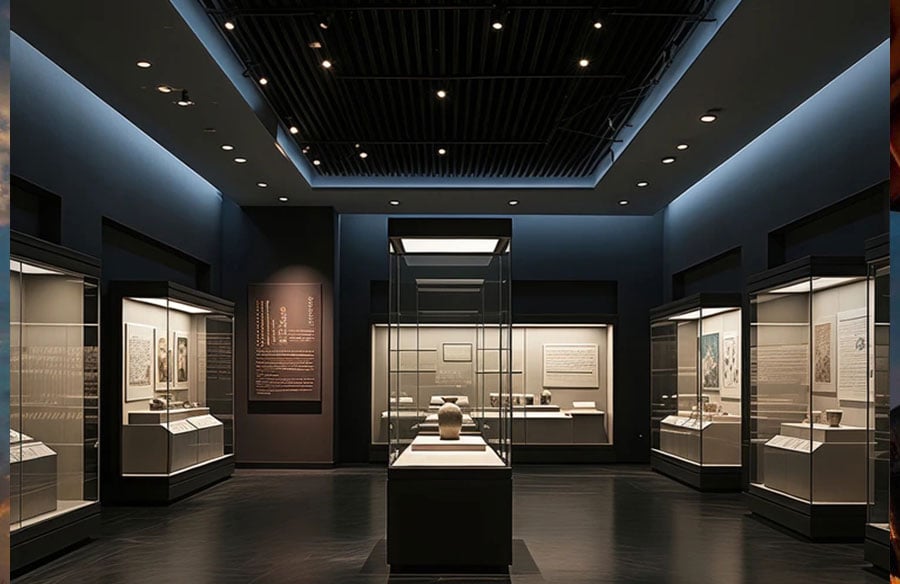
For decades, jewelry stores have been designed around a simple principle: put valuable pieces in attractive showcases and make them easy to view. Luxury retail has moved beyond that model. Today, the physical environment can be just as important as the products when it comes to shaping how customers understand a brand.
Modern jewelry store interior design looks at the entire customer journey rather than treating showcases as isolated pieces of furniture. The entrance, architecture, lighting, materials, product arrangement, and service areas can work together to create an environment that communicates exclusivity and personality before a purchase conversation even begins.
The Display Is No Longer the Whole Story
A jewelry showcase remains essential, but its role has changed. Instead of functioning only as a secure container, it can become part of the store’s architectural language.
Its proportions, finishes, lighting, and placement can influence the rhythm of the interior. When showcases are designed alongside the surrounding space, products can appear more naturally integrated into the brand environment.
This shift represents a broader change in luxury retail: the goal is no longer simply to show merchandise, but to create a setting in which the merchandise feels meaningful.
Start With the Experience
Before selecting materials or designing furniture, retailers can ask a more fundamental question: what should customers feel when they enter the store?
The answer might involve intimacy, discovery, sophistication, heritage, innovation, or exclusivity. These emotional objectives can then influence decisions throughout the design process.
For a jewelry boutique design, this could mean creating quieter areas for personal consultations, introducing carefully framed product moments, or using circulation paths that gradually reveal different collections.
Designing the Journey From Entrance to Consultation
A well-planned retail space has a sense of progression. Customers should be able to understand the environment without needing explicit instructions.
The entrance can establish the brand’s visual character. From there, product zones can introduce different collections, while strategically placed focal points encourage customers to explore further.
Consultation areas can provide a contrasting sense of privacy. This change in atmosphere is particularly useful for jewelry purchases, where customers may want more time and personal attention when considering significant pieces.
Luxury Showcase Design Needs Context
A beautifully constructed showcase can lose its impact when it is surrounded by competing visual elements. Conversely, a relatively simple display can feel highly refined when the surrounding environment has been carefully controlled.
This is why Luxury Showcase Design should be considered in relation to:
- The architectural proportions of the store
- The visual identity of the brand
- The type and scale of jewelry being presented
- Lighting and reflections
- Customer viewing angles
- Staff access and security
- The overall circulation strategy
The showcase becomes more effective when these factors are resolved together.
Lighting Can Change the Meaning of a Space
Lighting is not simply a technical requirement for making jewelry visible. It can determine where customers look, how materials appear, and how intimate or expansive an area feels.
A combination of ambient, architectural, and product-focused lighting can create different levels of attention throughout the store.
For example, a carefully illuminated centerpiece may establish a visual anchor, while softer surrounding light can encourage customers to slow down and examine individual pieces.
Materials Carry Emotional Signals
Luxury interiors often rely on relatively few materials, but their selection and application are carefully considered.
Stone can suggest permanence, metal can communicate precision, wood can introduce warmth, and glass can create openness. Textiles and textured surfaces can soften an otherwise highly architectural environment.
The objective is not to use as many premium materials as possible. Excessive material variety can dilute the brand message. A controlled material palette often creates a stronger sense of identity.
Making Technology Feel Invisible
Digital tools are increasingly appearing in luxury retail, from interactive product information to digital storytelling and integrated lighting controls.
However, technology should not become the main attraction unless it is central to the brand concept. The best integrations tend to feel natural within the environment.
When digital elements are carefully incorporated into displays or architectural features, they can provide useful information while preserving the calm atmosphere expected from a premium jewelry store.
Flexibility Matters as Collections Change
Jewelry brands regularly introduce new collections, seasonal campaigns, collaborations, and limited editions. A store designed around a fixed product arrangement can quickly become difficult to update.
Flexible display systems can help retailers refresh product presentations without rebuilding the entire interior.
Movable components, adaptable lighting, modular storage, and carefully planned electrical access can provide greater freedom while preserving the original design concept.
One Concept, Multiple Retail Formats
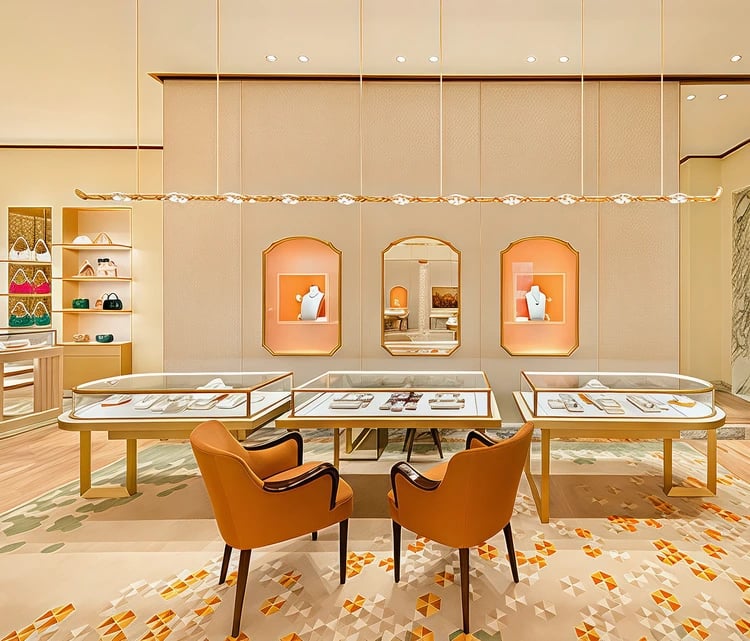 A brand’s retail environment may appear in a flagship store, shopping-center boutique, showroom, or smaller international location. Each format presents different architectural and operational conditions.
The challenge is to preserve the brand’s recognizable characteristics while adapting the design to each site.
DG Display Showcase develops retail solutions for jewelry, watches, perfume, and other high-end brands with this broader perspective. Its services can bring together concept development, spatial planning, customized showcases, and project implementation so that different elements of a retail project are developed as one environment.
Beyond the Traditional Jewelry Store
The future of jewelry retail is increasingly about experience. Customers can view products online, compare collections digitally, and research brands before entering a physical store. This makes the physical environment valuable for something digital channels cannot fully reproduce: personal, sensory interaction with the brand.
A thoughtfully designed store gives customers a reason to visit, explore, ask questions, and remember the experience.
That does not mean every luxury jewelry interior needs to be dramatic. In many cases, restraint is more effective. The right combination of space, light, material, display, and service can create a memorable environment without overwhelming the products.
Reframing the Role of Retail Design
The most successful luxury jewelry spaces are not simply containers for expensive products. They are carefully constructed brand environments where architecture and merchandise reinforce one another.
For retailers planning a new store, flagship, showroom, or multi-location concept, this broader approach can help create consistency between brand identity and physical experience.
DG Display Showcase supports this process through integrated retail design and customized display capabilities, helping high-end brands translate a creative concept into a functional environment designed around products, customers, and long-term brand recognition.
In luxury retail, the showcase may still be where the jewelry is placed. But the experience surrounding it is what can make the brand memorable.