An Illusion
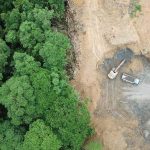
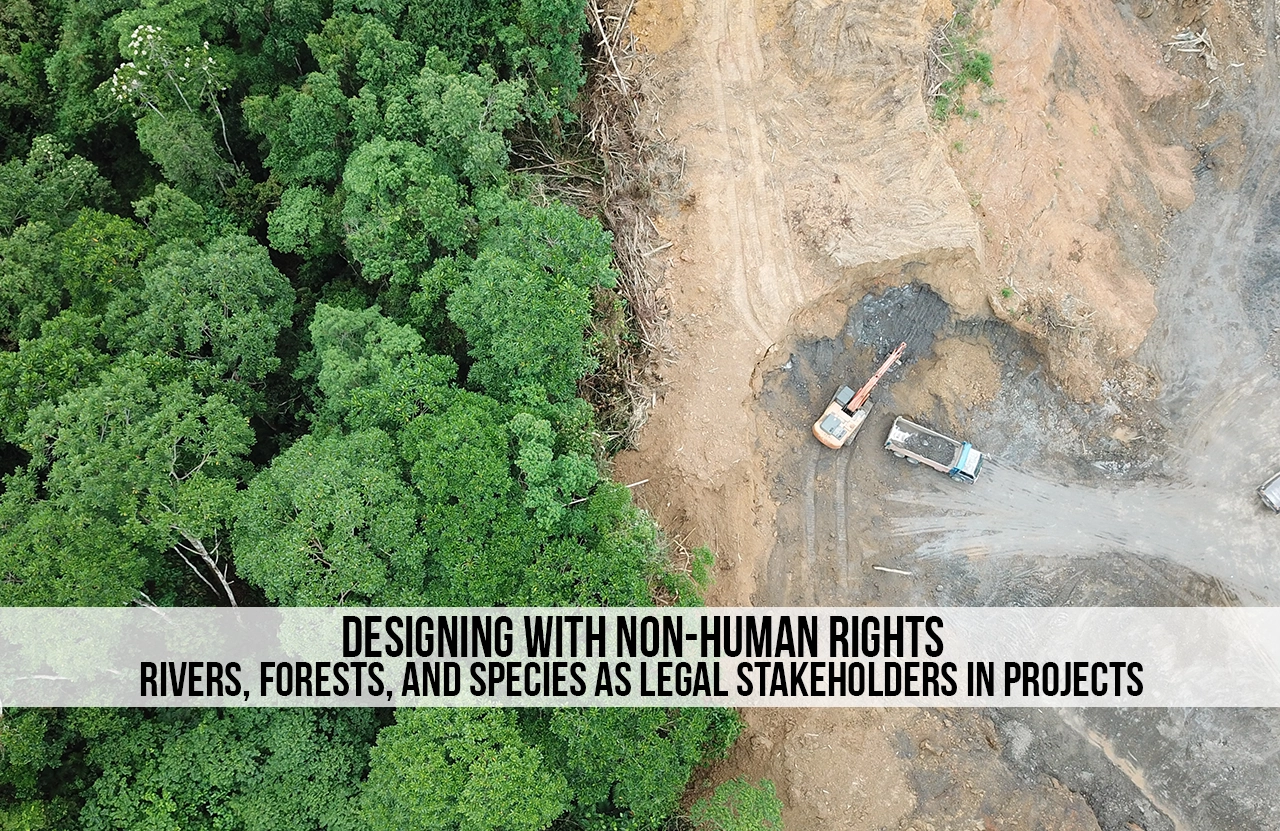
“All the world’s a stage,” Shakespeare wrote. But what happens when the stage itself becomes commercialised or a commodity? In the Anthropocene, who gets to design the stage and what goes on it? Activities ranging from mining to clearing forests have become so dominant that, despite seeing the effects of climate change and the environmental scars, they continue to take place. Somewhere along the chain, a choice is being made. A choice to redraw natural boundaries to decide where rivers should flow, where forests should end, and which species can remain. Whatever fits in the name of “development”.
The landscape then becomes a development stage, and the forest, rivers, and species are reduced to constraints under a system that looks at these naturally occurring elements as a write-off.
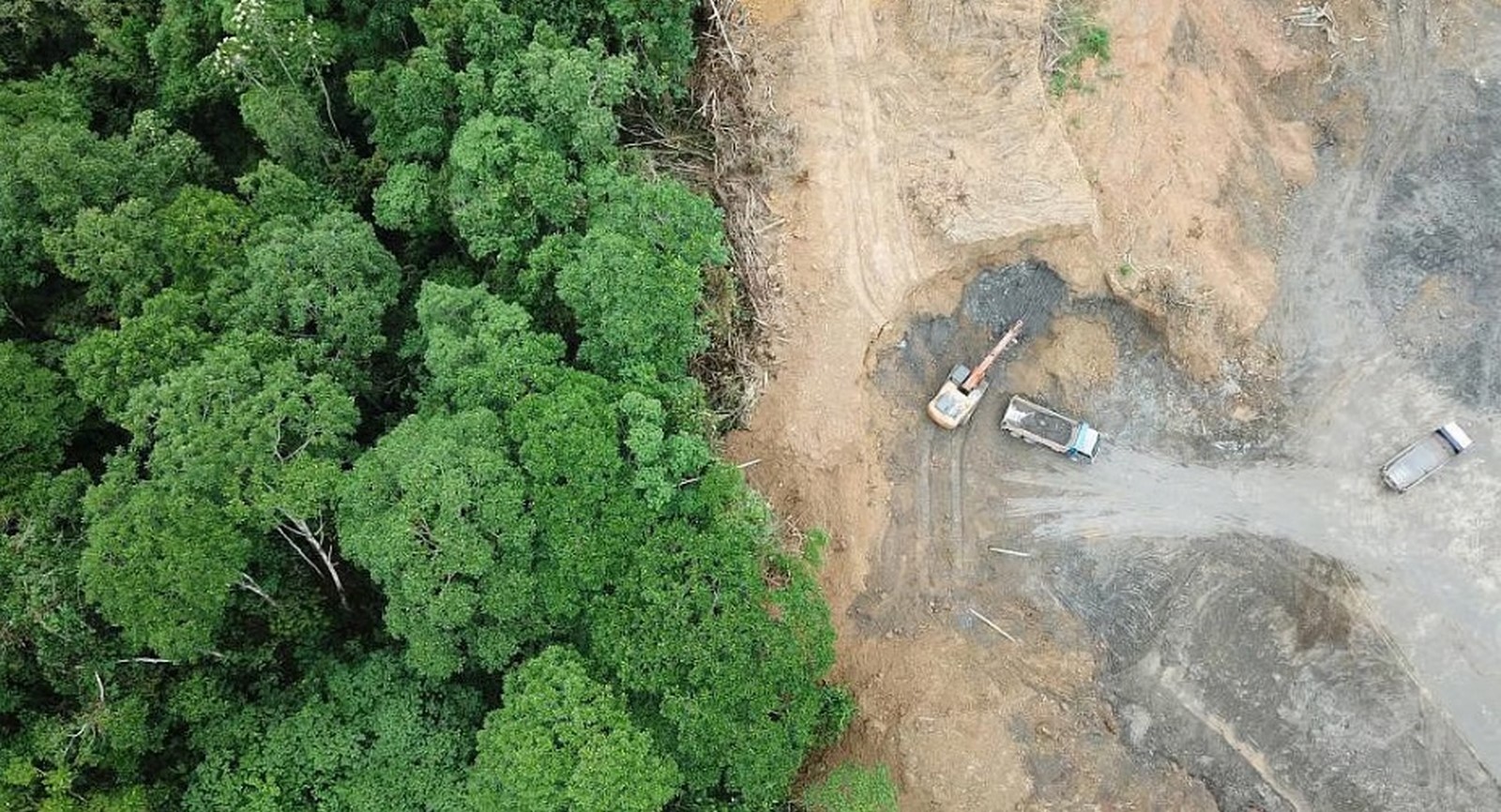
All the world’s a stage. But we forget the stage existed before humans.
As Robin Wall Kimmerer writes in Braiding Sweetgrass, “For the greater part of human history, and in places in the world today, common resources were the rule. But some invented a different story, a social construct in which everything is a commodity to be bought and sold.”
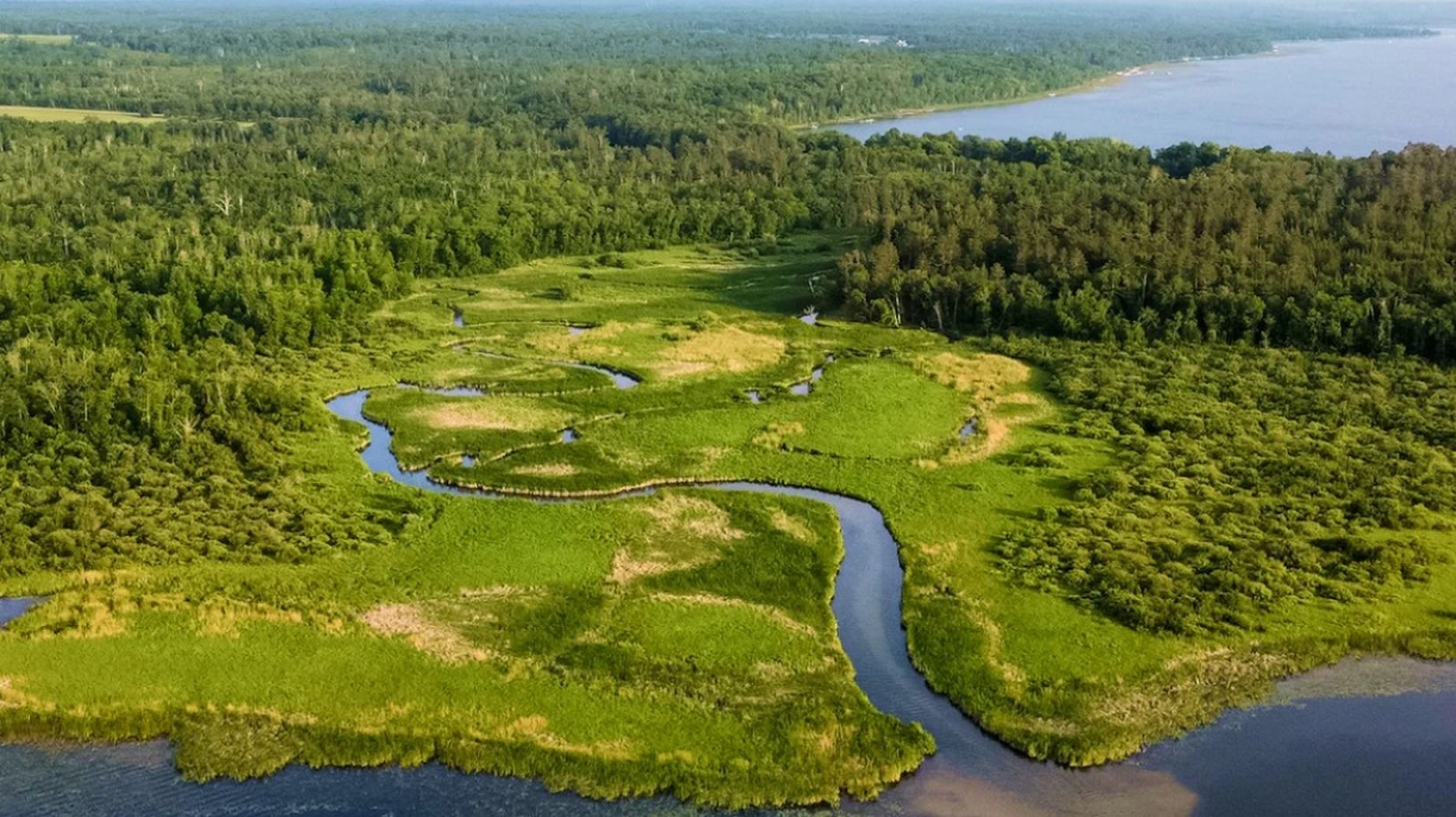
A Choice
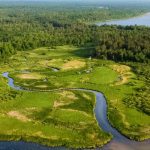
How we look at these systems, whether as commodities, restrictions, or stakeholders, is what makes all the difference. Robin Wall Kimmerer also writes ” In Western thinking, private land is understood to be a “bundle of rights,” whereas in a gift economy, property has a ‘bundle of responsibilities attached ”, If one looks at these natural resources as a commodity, it results in a harsh game of what gains more capital and for whom. Whereas when you look at these resources on Earth as a gift, we tend to respect boundaries and work our development around these.
In architecture and design, the act of building becomes an encounter between human and nonhuman systems. To build means to disrupt a boundary. The question is not whether we disrupt it but how we choose to do so. Do we treat forests, rivers, species, and communities as constraints in design or recognise them as stakeholders that can actually be assets to it?
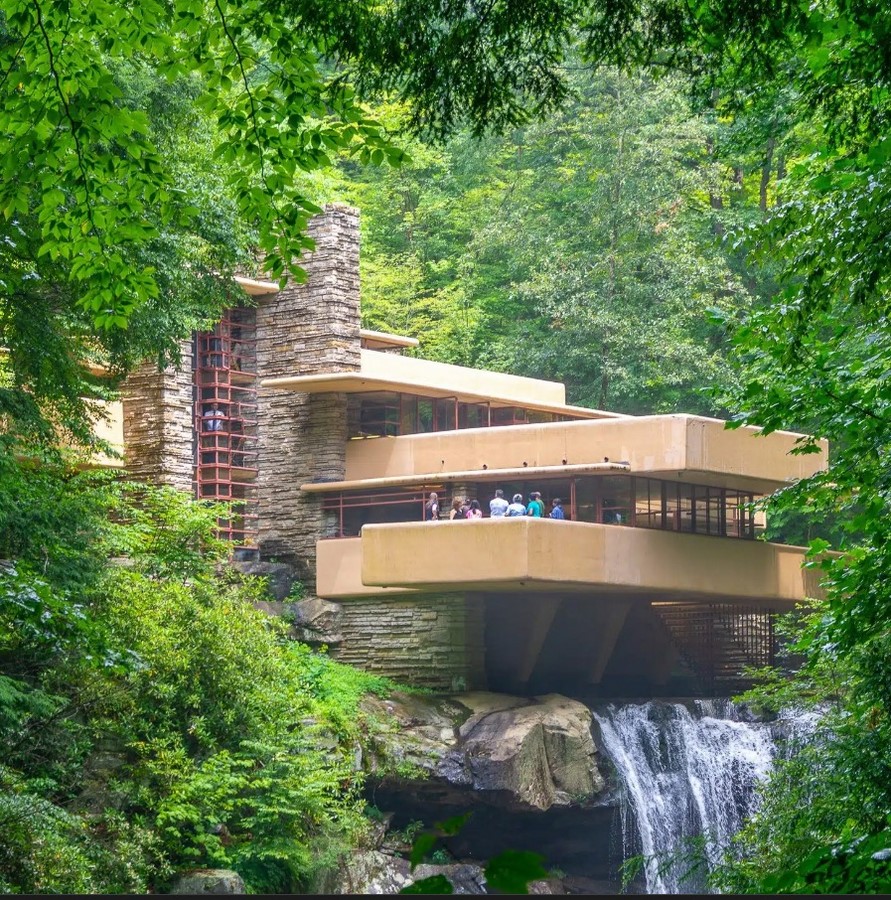
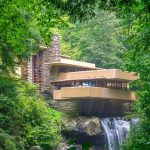
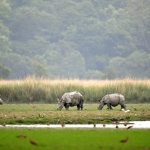
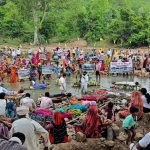
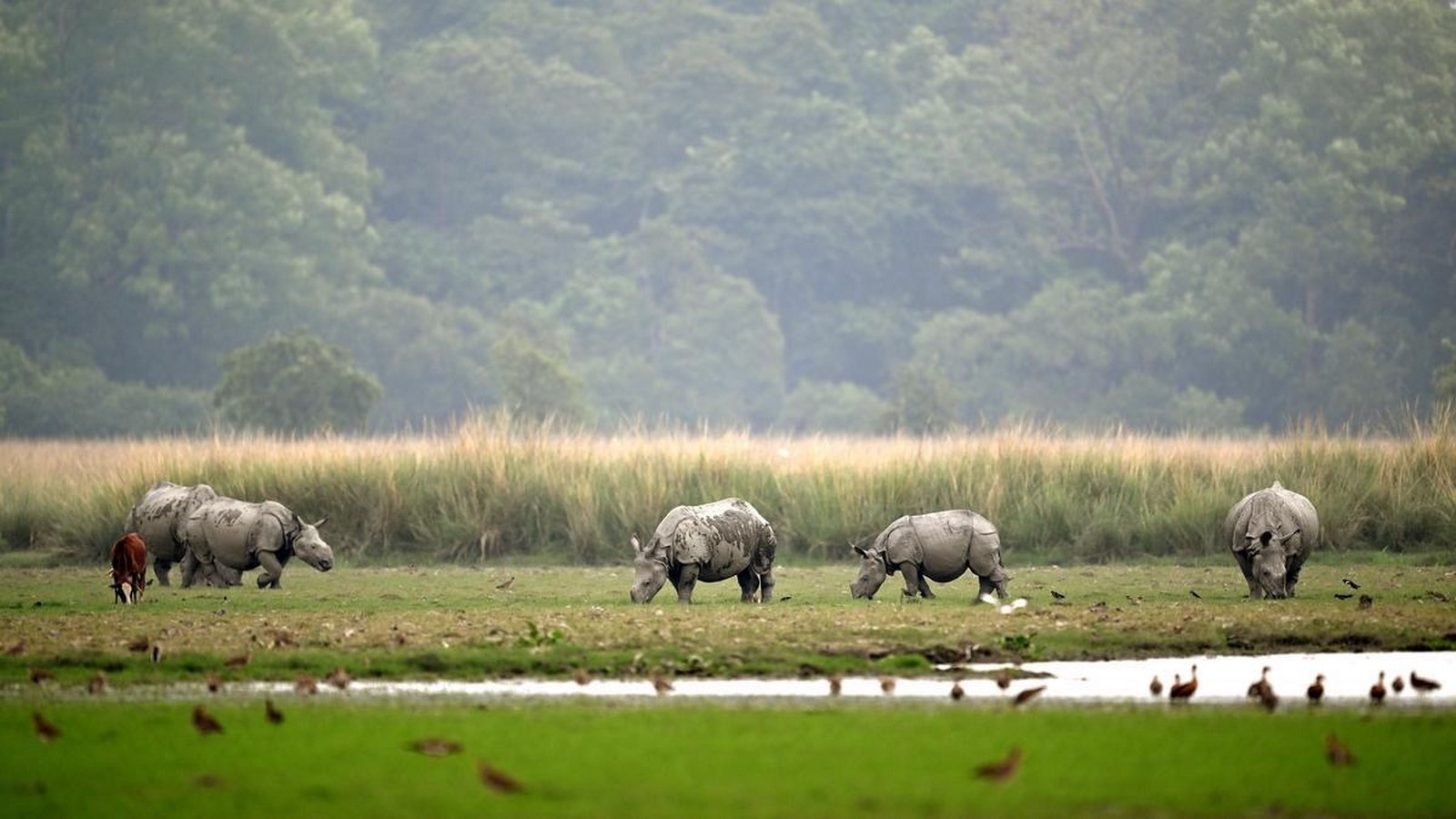
The designer, or the “stage curator,” chooses to either design with these stakeholders while recognising their rights or design over them. The Fallingwater house, by Frank Lloyd Wright, responds to and incorporates the landscape instead of treating it as a backdrop. People who view natural stakeholders as a mere backdrop tend to go the other way. The current debate over the proposed reduction of the eco-sensitive zone around Kaziranga, with conservationists warning that reducing the buffer could increase development pressure and affect biodiversity and wildlife movement. Projects where forests or rivers are affected have also caused displacement of communities whose livelihoods are connected to the landscapes. The Ken-Betwa River linking project, like many other situations, can be seen as an example that raises questions about how both natural resources and tribal communities that consider it their home are treated as stakeholders in the name of development.
The role of the designer is complicated. The designer may not have any say in the larger social and economic system behind a sanctioned project. But the decision in choosing how to respect the existing systems on the site is where the designer becomes an asset. Site studies, mapping out rivers and vegetation, studying animal corridors, recognising a community’s relationship with the landscape becomes a part of the design process rather than a constraint or obstacle.
A System
In a commodified world, ecology is looked at as a backdrop for a vacation. Environmental destruction is seen as something happening somewhere else to other species, and alongside our hustle-and-work culture, it seems irrelevant. But the boundary between environmental damage and human damage doesn’t actually exist.
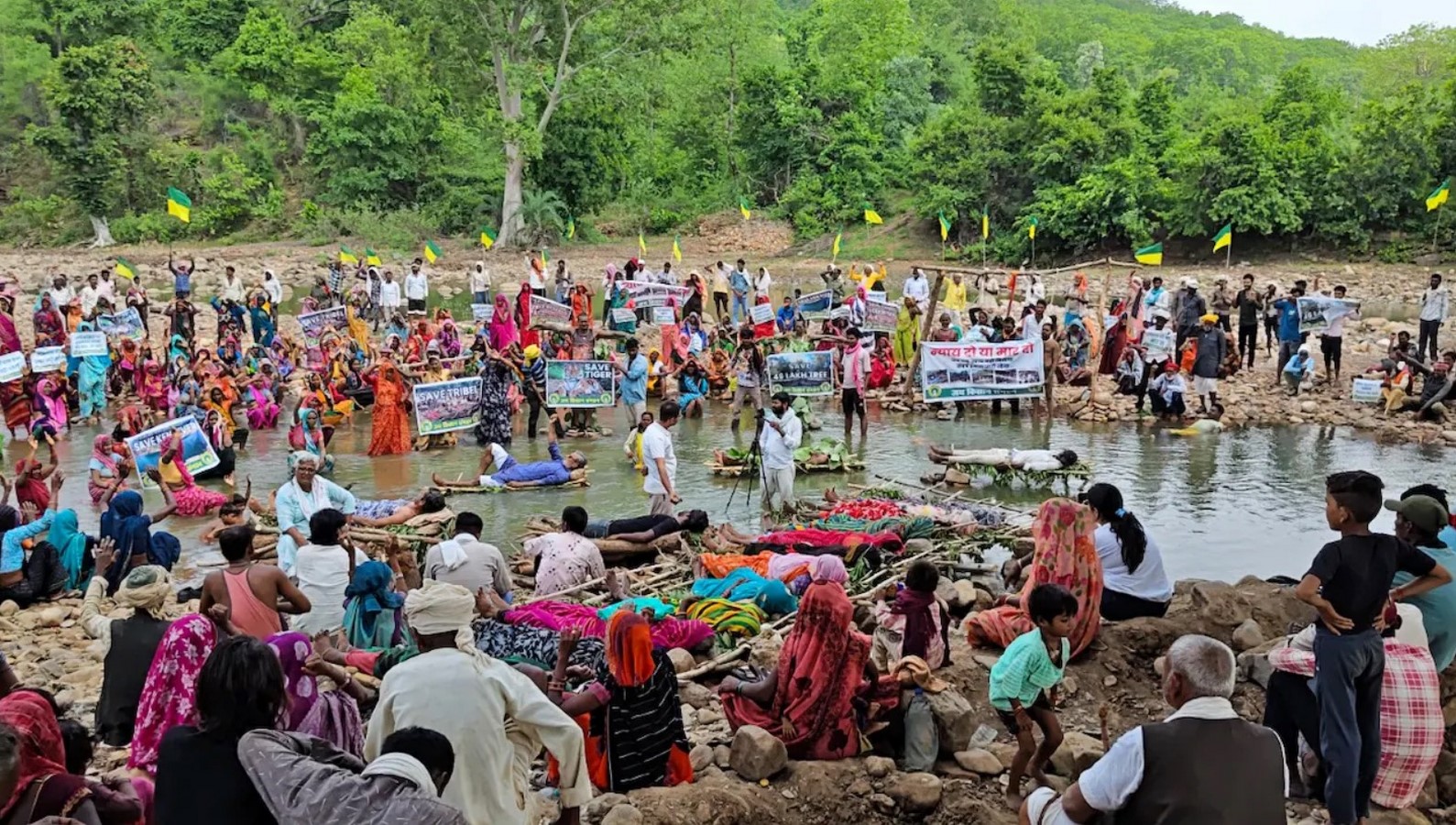
If a forest is uprooted or a river is rerouted, the consequences eventually reach the people whose homes, livelihoods, and everyday lives depend upon that landscape.
In a highly commodified system of living, mass production and convenience distance people from such concerns. When everything is available within minutes at your doorstep, the natural resources, animals, and people getting affected somewhere else become background noise or even invisible.
If all the world’s a stage, the modern world has done a great job in making us the audience.
A Consequence
We see the finished design, not the quarrying or the displacement of families or species. We don’t question what goes on in the background. The isolated process makes the consequences seem distant. Who then speaks for the rivers, forests, and species that get affected by this system?
This system that makes forests easy to ignore can make displaced communities ignorable, too.
The stage is curated. Not everyone gets to be part of it; some are seen as collateral damage in the name of development. How long before we realise we too are a backdrop that can be rearranged in a commodified world?
All the world’s a stage, and all the stakeholders merely players.
For a stage that can treat Earth’s natural boundaries as an inconvenience, what makes humans an exception?
REFERENCES:
- Kimmerer, R.W. (2020) Braiding sweetgrass: Indigenous wisdom, scientific knowledge and the teachings of plants. London: Penguin Books.
- author, L.M. (2023) The Frank Lloyd Wright fallingwater house in PA: 11 facts , Around the World ‘L’. Available at: https://www.aroundtheworldl.com/fallingwater/ (Accessed: 23 August 2026).
- Mishra, S. (2026) Ken-Betwa Dam faces protests over displacement, Frontline. Available at: https://frontline.thehindu.com/environment/ken-betwa-river-linking-tribal-protests-displacement/article70920615.ece (Accessed: 23 August 2026).
- Team, N.I.C.A. and Team, N.I.C.A. (2026) Resistance against Ken-Betwa Link project, Current Affairs – NEXT IAS. Available at: https://www.nextias.com/ca/current-affairs/22-08-2026/resistance-against-ken-betwa-link-project (Accessed: 23 August 2026).
- Kanchan Yadav / TIMESOFINDIA.COM / Updated: Aug 22, 2026 (no date) Why assam wants to shrink Kaziranga National Park’s eco-sensitive zone – explained, The Times of India. Available at: https://timesofindia.indiatimes.com/india/why-assam-wants-to-shrink-kaziranga-national-parks-eco-sensitive-zone-explained/articleshow/133425310.cms (Accessed: 23 August 2026).