For many in the construction and maintenance fields, working at height is a daily requirement. This includes small tradespeople who may not always have access to the same resources and training as larger enterprises. It is essential that everyone understands the rules and regulations that govern working at height, including the use of essential equipment like ladders. Proper understanding of these regulations not only ensures compliance with legal standards but also significantly reduces the risk of accidents and injuries.
Understanding the Regulations
The regulations around working at height have been put in place to protect individuals from serious injury and fatality. In the UK, the main legislative framework is provided by the Work at Height Regulations 2005. This set of rules defines work at height as any work performed in a place where, if precautions are not taken, a person could fall a distance liable to cause personal injury. This includes work undertaken above ground or floor level and even below ground if there is a risk of falling, such as in excavated areas.
Risk Assessment and Planning
A crucial aspect of working at height safely involves conducting a thorough risk assessment. This should include an evaluation of the potential hazards associated with the task and determining the most appropriate ways to mitigate these risks. Small tradespeople should plan their work carefully, ensuring that the methods and equipment used are suitable for the task at hand. This might mean opting for scaffolding over ladders in certain situations, depending on the height and complexity of the work.
Choosing the Right Equipment
Selecting the appropriate equipment is key to ensuring safety when working at height. Ladders are often the go-to option for small tradesmen due to their ease of use and affordability. However, it is vital to choose the right type of ladder for the job. Different tasks may require different ladder specifications, such as height, load rating, and material. Always inspect ladders before use to ensure they are in good condition and suitable for the task.
Training and Competency
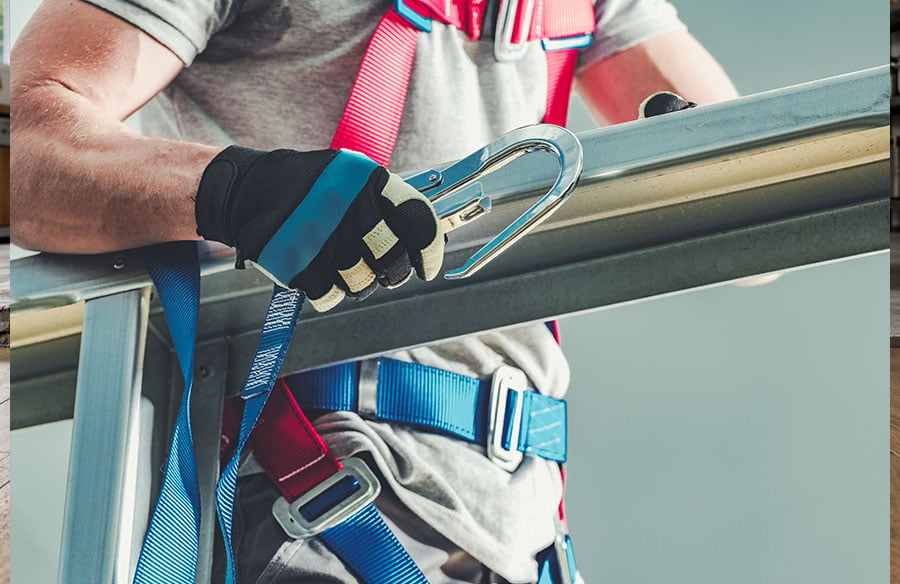
Workers must be competent to perform work at height. This competence comes from having the necessary skills, knowledge, experience, and physical fitness to carry out the task safely. Small tradespeople should ensure they either have this competency or have access to training opportunities that will help them meet these requirements. Training should cover how to properly inspect and use ladders, harnesses, and any other equipment necessary for safe work at height.
Continuous Monitoring and Improvement
Safety at height is not a one-time task but an ongoing commitment. Regularly review your work methods and equipment to ensure they continue to meet the required safety standards. Small tradespeople should be proactive in seeking feedback and learning from incidents or near misses to continually improve safety practices. Keeping abreast of changes in legislation or new safety technologies can also provide additional layers of protection.
In conclusion, working at height can present significant risks, but by following the established rules and implementing effective safety measures, these risks can be managed, if not eliminated. For small trades in particular, where resources might be limited, understanding and applying these working-at-height regulations is not just about compliance but about safeguarding lives.