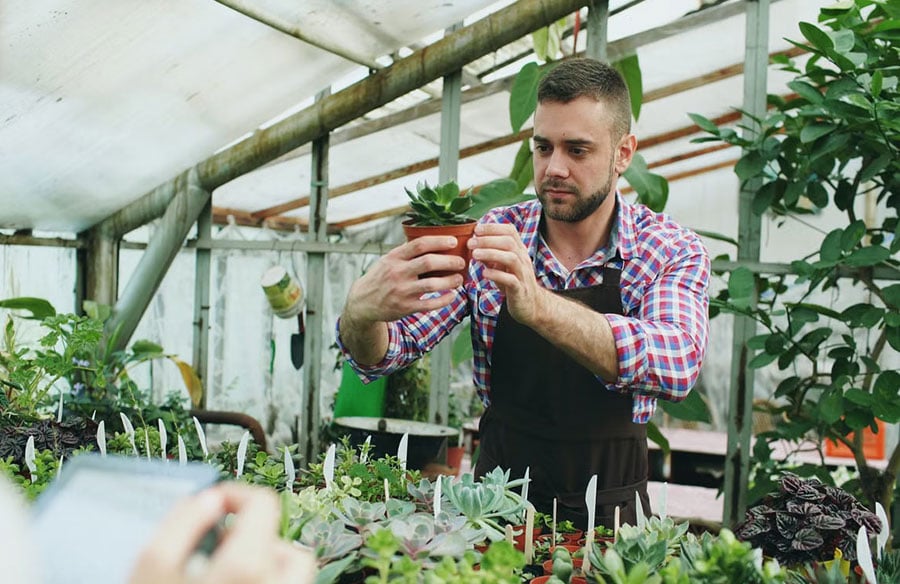
Your garden is slowly filling up with species you never planted. Some blow in on the wind, some come from birds, and some were there before you moved in. Then you notice a strange leaf and have no idea what it is. You’d like to know if it’s a weed or a species worth preserving. So the question arises: how to identify garden plants growing around you?
You can identify garden plants by examining their leaves, flowers, and growth patterns. Scanning with an app gives you a quick first guess too, and a field guide confirms it. This guide details each of the methods below so you know what works, what to trust, and when to double-check.
Main Plant Identification Methods at a Glance
There is no single best way to identify plants in your garden, as each method has its own strengths. Some are quick but approximate, while others are slow and precise. The table below summarizes the main identification options.
| Method | How It Works | Best For | Main Limitation |
| Visual clues | Comparing leaves, flowers, and growth characteristics | Common garden species and flowers | Experience required |
| Plant identification apps | Photo analysis and suggestion of possible variants | Quick initial inspection | Verification required |
| Field guides and databases | Conformity to description, distribution range, and season | Confirming the species in your region | Extra time required |
| Community verification | Review by experts or local gardeners | Challenging and similar species | Response time required |
 Use a Plant Identification App
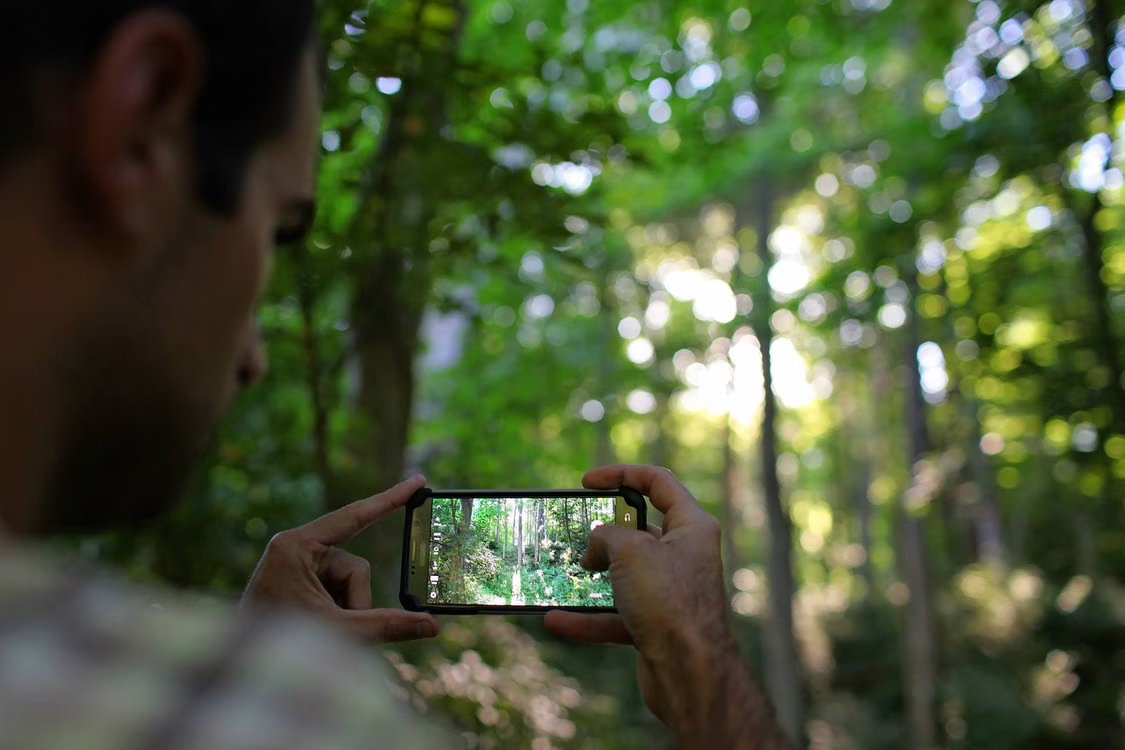
Plant apps like Botan AI are the fastest way of identification. You take a photo, and the app scans the shape, color, and texture. Then it suggests potential candidates in seconds. Here is how to identify a plant by using a phone and a specific ID application installed on it:
- Take a clear photo. Get close in good lighting and focus on a single leaf or flower, not the entire plant.
- Let the app scan it. It compares your image to its plant database and looks for matching characteristics.
- Check the identification result. In most cases, the app will immediately indicate the most likely plant species, along with its name, photos, and key characteristics.
- If necessary, consider alternatives. If the plant is difficult to identify with certainty, the app may display several possible matches. Compare their leaves, flowers, stems, and other visible features to determine which one best matches your species.
Keep in mind that not all apps are equally accurate. Therefore, some may give incorrect results on the first try or if the photo is blurry.
 Get Help From Communities and Field Guides
Sometimes, similar species can confuse even experienced gardening experts. This is when people and books pay off, because community-based plant identification is often more confident than a single photo scan. Try these sources as an extra way of identification:
- Reddit’s r/whatsthisplant. This active community helps identify unfamiliar plants from photos. Post a clear image, add your location and any useful details, and other plant enthusiasts can suggest or confirm the species.
- The USDA Plant Database. It’s a government database with native range information, common names, and detailed species information, ideal for verifying a plant’s locality.
- Local gardening clubs and extension centers. These are real people who know your region, so bring a cutting or a clear photo and ask them.
Check Visual Clues
You can learn a lot just by looking at a plant, as every species leaves its own traces. For example, garden flower identification often begins with a close examination of the flower. Study the following characteristics for a proper identification:
- Leaves. Notice the shape, edges, and how they are arranged on the stem. A serrated edge or paired arrangement can immediately indicate the plant family.
- Flowers. Count the petals, check the color, and inspect the center. Bloom time is also important, as many species bloom only in one season.
- Stems. Feel whether the stem is woody or soft to the touch. Then look at the cross-section, as a square stem often indicates a mint family.
- Growth habit. Consider whether the plant climbs, spreads low, or stands tall. This trait alone can eliminate half the possible variants.
- Scent and texture. Lightly crush a leaf and inhale the aroma. Some species, such as tomatoes or lavender, identify themselves by scent.
Why Correct Identification Matters for Garden Design
A plant’s name is much more than just a label, because it reveals the care a plant truly requires. Accurate plant identification influences every design choice you make, and once you know the species, the guesswork is gone.
Some plants require full sun, while others struggle in it. Some grow quickly and overwhelm their neighbors, while many die off each winter before reappearing in the spring. You simply can’t plan a successful flowerbed by guessing. A proper plant name reveals the spacing between species, their mature height, and their flowering period, and allows you to spot invasive habits early. This will save you from having to dig up plants and replant them a month later.
What to Do After You Identify a Garden Plant
Finding a name is just the first step; now it’s time to get to work. A garden plant identifier will provide you with a label, but the real gardening begins after that. Follow this quick checklist:
- Confirm the scientific name. Common names vary from region to region, and cause a lot of confusion. The Latin name remains constant, so use it whenever you search for information.
- Check its light and soil needs. Each species requires a specific location in the garden. Choose the appropriate light and soil before you finally decide on a planting location.
- Research its watering schedule. Some plants rot in wet soil, while others need watering almost daily. Knowing the species will help you determine which category your plant falls into.
- Beware of toxicity. Some common garden plants are dangerous to pets and small children. Check the species first if any are growing in your area.
- Plan its location in the garden. Consider the height, width, and how the color will complement neighboring species. A quick plan now will save you from having to replant it later.