A one-stop building materials supplier should be judged by execution, not catalogue size. For hotel and apartment projects, compare BOQ coverage, drawing control, specifications, sample approval, factory QC, logistics, and replacement support. Each claim should be backed by documents, samples, inspection records, or project references.
These controls matter because tiles, sanitary ware, doors, windows, cabinets, lighting, and stone must fit the same drawings and arrive in the right site sequence.
What to Check First When Comparing Building Materials Suppliers
Screen suppliers against the same project data before comparing prices. Prequalification exposes missing scope and unclear responsibility early.
-
One-Stop Supplier Prequalification Scorecard
Use BOQ coverage and comparable project experience as gate items. Score the remaining fields from 0 to 5 based on evidence.
| Field | Required Evidence | Decision |
|---|---|---|
| BOQ coverage | Compliance sheet with exclusions | Pass/Clarify/Fail |
| Project experience | Comparable project references | Pass/Fail |
| Drawing control | Owner, revision log, approval flow | Score 0-5 |
| QC | Inspection plan and sample report | Score 0-5 |
| Logistics | Packing and phased loading plan | Score 0-5 |
| After-sales | Warranty and replacement SLA | Score 0-5 |
Clarify or remove suppliers that fail a gate item before commercial comparison.
-
Product Range
Start with the BOQ. Decide which trades can be consolidated and require a compliance sheet showing included items, exclusions, alternates, and quantities.
Consolidation only helps when one team controls the combined package.
-
Project Experience
Ask for similar hotel, apartment, villa, or mixed-use references and confirm whether the supplier handled drawings, samples, inspections, loading, or site support.
-
Supplier Example: Verify the Evidence Behind the Service Claim
Winway states that its project building materials service covers design support, material selection, production, logistics, and installation guidance. Buyers should still request sample QA records, project references, a named drawing coordinator, and loading evidence before treating these claims as verified. The website should be used as a prequalification source, not as final proof of performance.
How to Verify Material Compatibility Across Categories
After scope is confirmed, check whether products from different categories will fit the same architectural interfaces.
-
Drawing and Material Matching
Tiles must align with plumbing points and vanities; millwork with partitions, appliances, sinks, and floor levels; doors and windows with approved openings. Share CAD sets, elevations, finish schedules, and room matrices early, then require unresolved dimensions to be marked before production. Production should not start while critical openings or interface dimensions remain assumed.
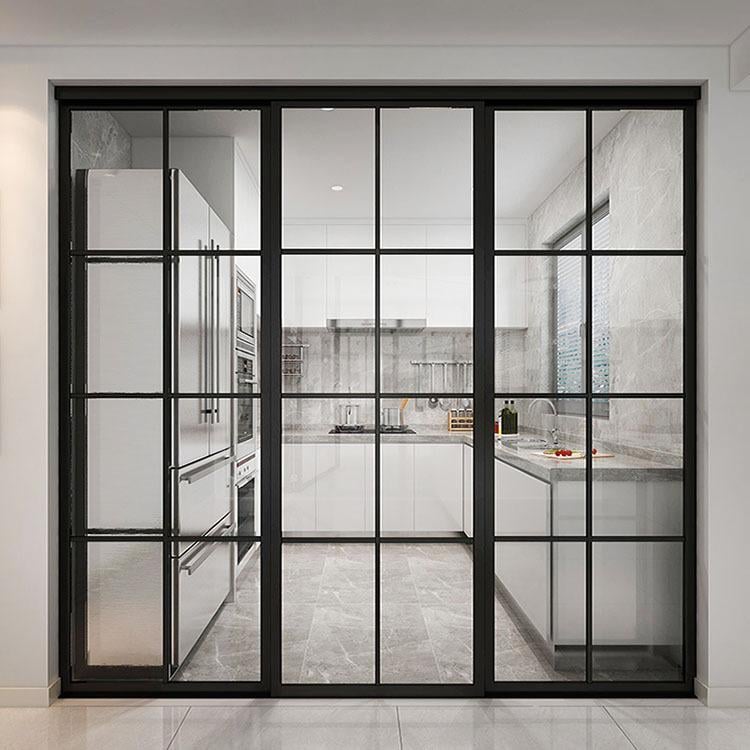
For Glass kitchen cabinets in apartment packages, verify carcase material, board thickness, hardware, glass finish, dimensions, cutouts, and wall fixing against approved shop drawings.
-
Category-Specific Technical Fields for the RFQ
Do not use one acceptance value for every project. Require each supplier to state the offered specification, inspection method, and acceptance basis for the same RFQ fields.
| Category | RFQ Fields |
|---|---|
| Tiles | Size, thickness, absorption, slip rating if relevant, shade control, finish, packing. |
| Cabinets | Material, board thickness, hardware, finish, dimensions, cutouts, wall fixing. |
| Doors / windows | Openings, profile, glass, hardware, finish, direction, anchoring, required performance. |
| Sanitary ware | Model, connections, dimensions, finish, accessories, mounting, packing. |
| Logistics | Incoterm, ports, container plan, phased delivery, marks, photos, arrival sequence. |
| After-sales | Warranty, claim evidence, response time, replacement target, shipping, spare-parts SLA. |
-
Order Coordination
Assign one project coordinator to control BOQ updates, drawing revisions, samples, production milestones, inspections, packing lists, and freight bookings.
How to Evaluate Factory Quality Control
For cross-border orders, define inspection stages and evidence before shipment release rather than accepting a generic ‘QC passed’ statement.
-
Production and Inspection
Check incoming material, in-process production, final inspection, packing, and loading as relevant. Custom items should reference the approved drawing revision and sample code.
Useful evidence includes dimensional and finish checks, quantity verification, packing photos, nonconformance records, corrective actions, and a signed pre-shipment report. Buyers should state which records are mandatory for shipment approval.
-
Sample Approval
Record the sample code, finish, drawing revision, and accepted deviations. Link sample approval to measurable specifications and rejection criteria.
What Logistics Support Buyers Should Expect
High-quality materials can still delay a project if mixed containers are packed badly or delivered in the wrong sequence.
-
Container and Delivery Planning
Require a packing plan covering fragility, moisture protection, package coding, and site sequence. Package codes should link to the BOQ or room schedule.
Confirm Incoterm, ports, container type, packing list, shipping marks, package counts, loading photos, seal information, and phased delivery dates. For phased projects, shipment timing should follow the construction sequence rather than product availability alone.
 What After-Sales Support Matters Most
Define warranty and replacement procedures before deposits or payment milestones are fixed.
-
Installation and Replacement
For custom products, identify the technical contact and the drawings or hardware information available to installers.
The claim SOP should state evidence, response time, review process, replacement target, shipping method, and freight responsibility. Agree spare-part allowances by project.
RFQ and Technical Submittal Checklist
Send every shortlisted supplier the same inputs and require the same return package so quotations are technically comparable.
| Buyer Should Submit | Supplier Should Return |
|---|---|
| BOQ and quantities | Compliance sheet, exclusions, quotation |
| Drawings and room matrix | Drawing register, clarification list, approval schedule |
| Finish and technical requirements | Submittals, samples, proposed tolerances |
| Inspection requirements | Inspection plan and pre-shipment report format |
| Port and delivery milestones | Packing, loading, shipping, phased-delivery plan |
| Warranty expectations | Warranty, claims process, replacement SLA |
Do not compare headline prices until major exclusions and assumptions are visible.
How to Make the Final Supplier Decision
Normalize scope, technical compliance, sample costs, packing, freight, warranty, replacement terms, and buyer-side coordination effort. Award on documented execution fit, not headline price alone. A low quote can become expensive when missing scope later appears as rework, variation orders, or extra freight.
-
When One-Stop Sourcing Is Better
A one-stop supplier is useful when several interior packages share drawings, milestones, and shipping schedules or when the buyer has limited coordination resources. Specialist vendors may be better for highly engineered packages or when a strong local team can manage interfaces.
In either model, responsibility and evidence should be clear before ordering.
Conclusion
Choosing a hotel or apartment building materials supplier is mainly a risk-allocation decision. Start with BOQ coverage, then test drawing control, category specifications, QC evidence, logistics, and replacement responsibility. The strongest proposal turns each promise into a document or contract term.
For a project quotation, send the BOQ, drawings, finish requirements, destination port, and delivery milestones through the Winway contact page and request a compliance sheet, drawing schedule, inspection plan, packing proposal, and warranty terms.
FAQ
Q1: What Should Buyers Check First When Choosing Building Materials Suppliers?
Start with the BOQ and drawings. Confirm scope, exclusions, relevant experience, drawing ownership, QC evidence, logistics, warranty, and replacement responsibility.
Q2: Is One-Stop Sourcing Better Than Using Multiple Vendors?
It can be when multiple packages share drawings and milestones. Specialist vendors may be better for highly technical packages or strong in-house coordination teams.
Q3: What Should Buyers Prepare Before Requesting a Project Quotation?
Prepare the BOQ, drawings, room matrix, quantities, rough openings, finish requirements, destination port, and delivery milestones.