
Billboard ads have been a popular form of outdoor marketing for decades, helping businesses reach people in busy public spaces. As cities become more connected and advertising becomes increasingly competitive, digital displays have added a new level of flexibility to traditional outdoor campaigns. Today, digital billboard advertising allows brands to deliver eye-catching messages to large audiences while changing content based on time, location, and campaign goals.
Whether a business is promoting a new product, announcing an event, or simply building brand awareness, billboard advertising can provide valuable exposure when the right location and creative strategy are used.
Why Billboard Ads Are Still Effective
People spend a significant amount of time outside their homes travelling to work, shopping, dining, attending events, and visiting different parts of their cities. This creates opportunities for businesses to reach consumers through outdoor advertising.
One major advantage of Billboard Ads is that they are difficult to ignore completely. Unlike online advertisements that can often be skipped or blocked, billboards are part of the physical environment. A well-positioned advertisement can be seen repeatedly by commuters, pedestrians, and drivers.
Repeated exposure can help consumers recognise a brand over time. Even when someone does not immediately respond to an advertisement, seeing the same company name or message regularly can increase familiarity.
The Rise of Digital Billboard Advertising
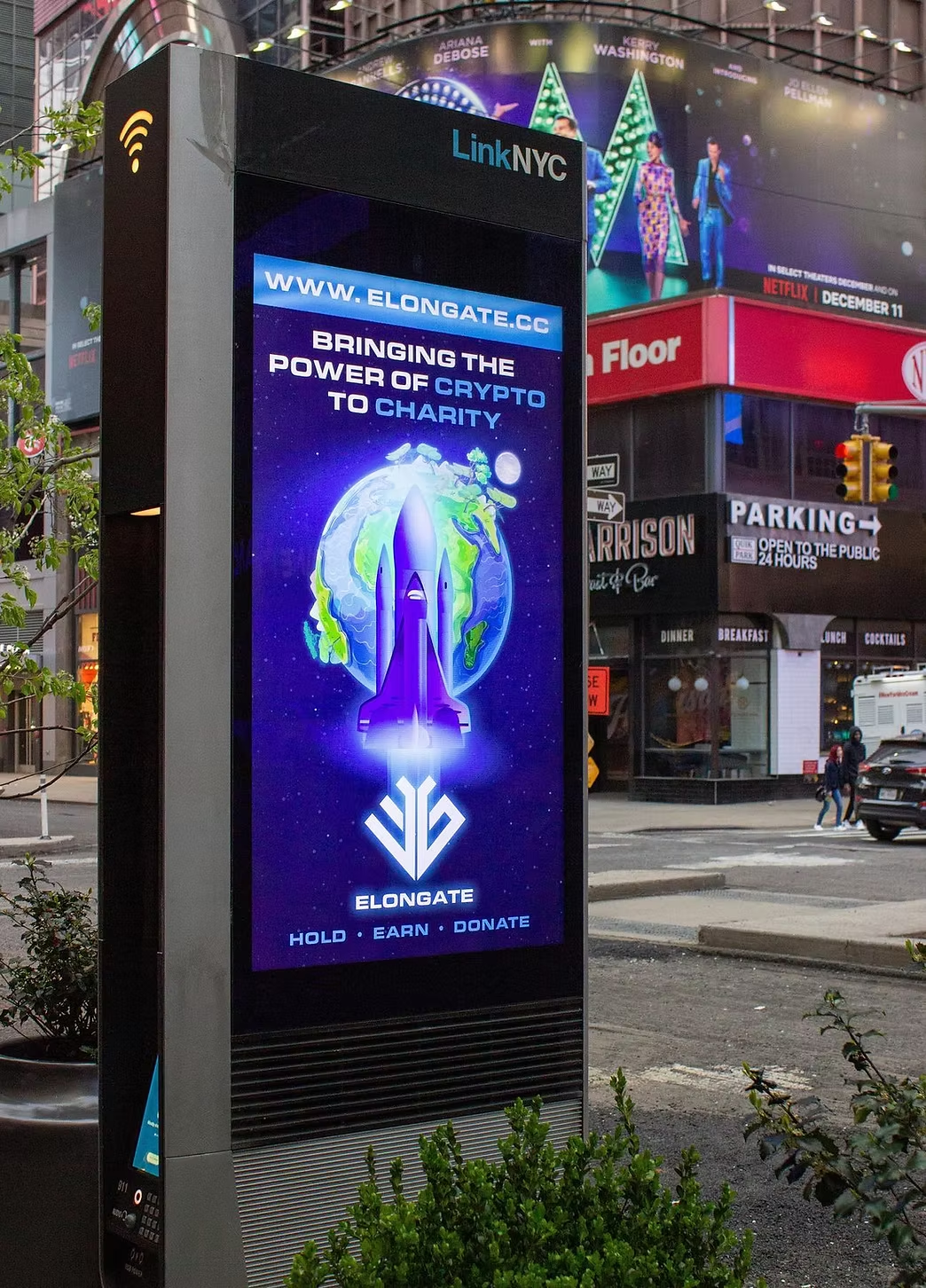
Traditional billboards typically display one printed advertisement for a specific period. Digital billboard advertising offers greater flexibility by using electronic screens to display multiple advertisements throughout the day.
Advertisers can schedule different messages for different times. For example, a restaurant could promote breakfast during the morning, lunch specials around midday, and dinner promotions later in the day.
Digital displays can also support dynamic visuals and changing messages, making them more noticeable in busy environments. This flexibility makes digital billboards especially useful for brands that frequently update promotions or want to connect their advertising with specific events.
Choosing the Right Billboard Location
Location is one of the most important factors in any outdoor advertising campaign. A billboard in a high-traffic area may provide significantly more exposure than one in a less active location.
Businesses should consider more than just the number of people who pass a billboard. The audience should also match the company’s target market. A fashion brand may benefit from advertising near shopping districts, while a restaurant may prefer locations close to entertainment areas or busy neighbourhoods.
Visibility is equally important. The billboard should be easy to see and read from an appropriate distance, without being blocked by buildings, trees, traffic infrastructure, or other visual obstacles.
Creating an Effective Billboard Design
A successful billboard needs to communicate its message quickly. Drivers and pedestrians may only have a few seconds to notice an advertisement, so complicated designs can reduce its effectiveness.
A strong billboard should generally have a simple headline, clear branding, an attractive visual, and a straightforward call to action. Businesses should avoid including too much text or too many competing elements.
Digital billboards provide additional creative opportunities because images and messages can change. However, the basic principle remains the same: viewers should be able to understand the main message quickly.
Benefits for Different Types of Businesses
Billboard advertising can work for businesses across many industries. Retail companies can promote seasonal sales, restaurants can advertise new menu items, and entertainment businesses can promote concerts, movies, or events.
Service-based businesses can also use outdoor advertising to increase local awareness. Real estate companies, healthcare providers, financial services, educational institutions, and technology companies may use billboards to introduce their services to potential customers.
Large brands can use digital displays to support nationwide campaigns, while smaller businesses can focus on specific neighbourhoods and local audiences.
Combining Digital and Traditional Advertising
Businesses do not have to choose between traditional and digital marketing. Billboard campaigns can work alongside social media, search advertising, email marketing, websites, and other promotional channels.
For example, a company could display a short message on a digital billboard and encourage viewers to visit its website or social media page. Consistent branding across different channels can make the overall campaign easier for customers to recognise.
QR codes can also be included when appropriate, although they should remain large enough to be visible and easy to scan safely when viewers are stationary.
Measuring Campaign Performance
Outdoor advertising can be supported by simple tracking methods. Businesses can use dedicated landing pages, promotional codes, campaign-specific phone numbers, or unique offers to determine whether a billboard campaign is generating measurable responses.
For digital campaigns, advertisers may also have more flexibility in adjusting messages based on performance, timing, or audience considerations.
The goal should not always be immediate sales. Billboard campaigns can also be valuable for increasing brand recognition and reaching consumers who may become customers later.
 Final Thoughts
Billboard ads remain a powerful way for businesses to reach consumers in real-world environments. With strategic placement and strong creative design, outdoor advertising can increase brand awareness and keep a company visible to potential customers.
At the same time, digital billboard advertising provides greater flexibility, allowing brands to update messages, schedule different content, and create more dynamic campaigns. By combining the broad reach of outdoor advertising with smart creative planning, businesses can create memorable campaigns that support both short-term promotions and long-term brand growth.