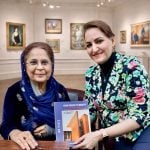
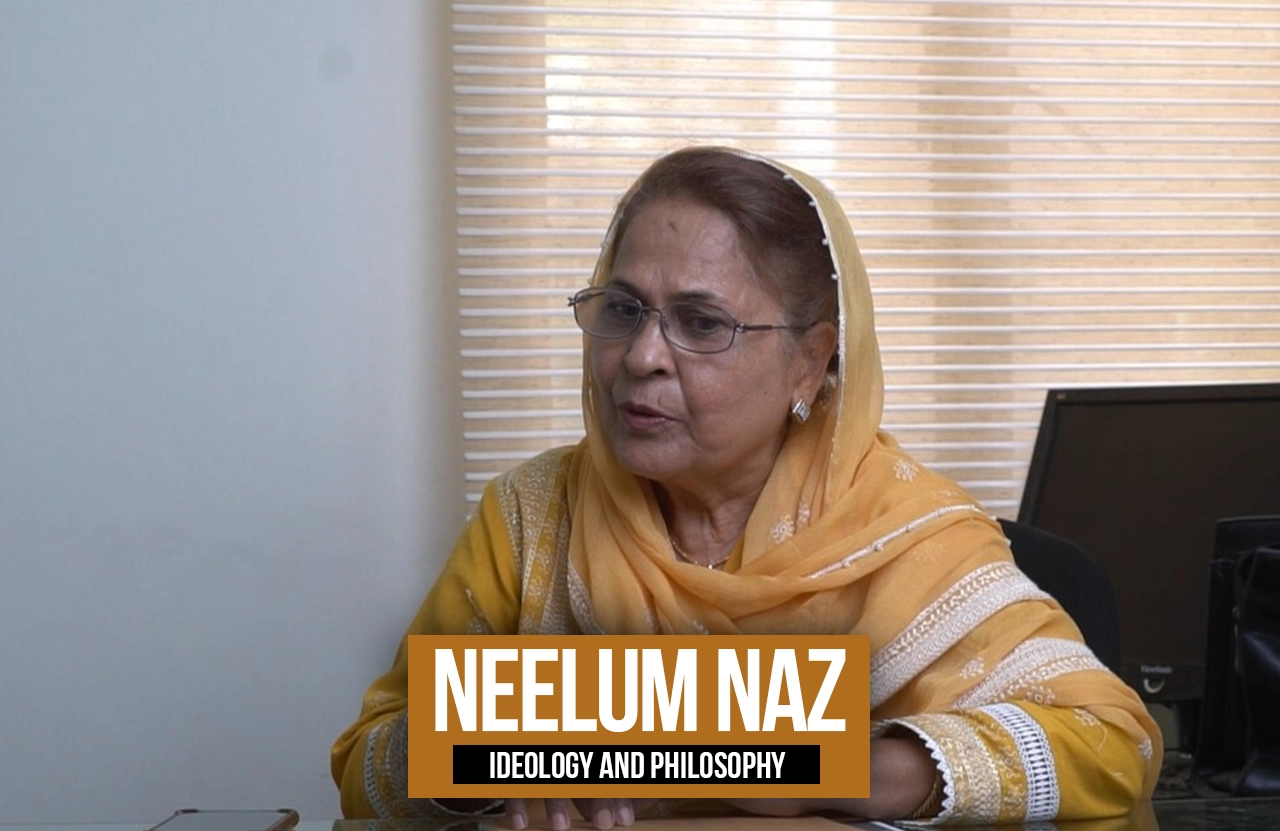
A pioneering Pakistani architect, urban historian, and educator, Prof. Dr Neelum Naz is widely recognised as the first woman in Pakistan to earn a PhD and complete a post-doctorate in architecture. She is one of South Asia’s most influential figures in architectural academia and a strong advocate for public life and pedestrian rights in modern metropolises, critiquing vehicular-centric designs of signal-free corridors and unchecked sprawl in metro cities. Her arguments for traditional adaptation to local climate and community needs offer sustainable frameworks for contemporary cities in South Asian countries.
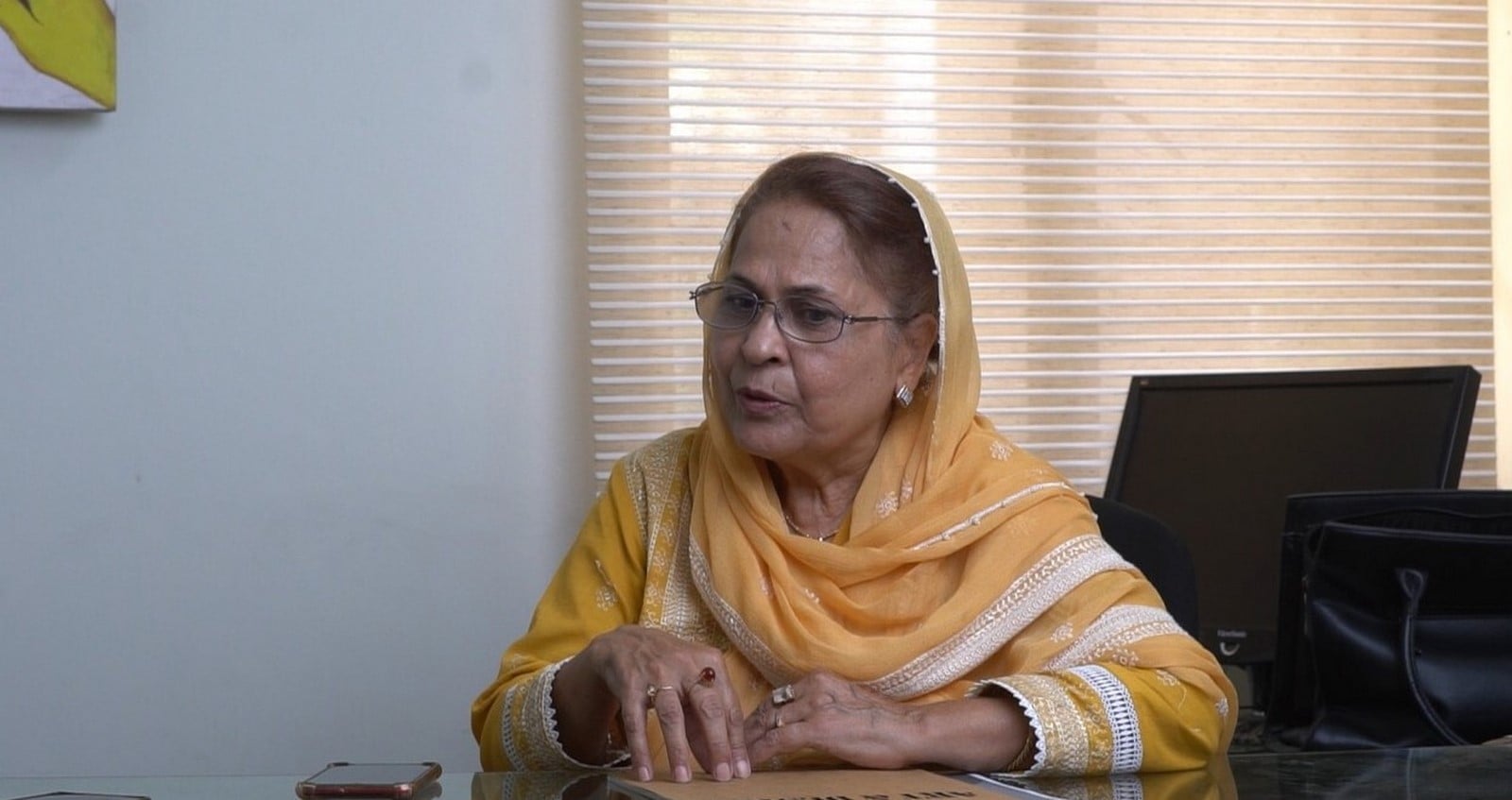
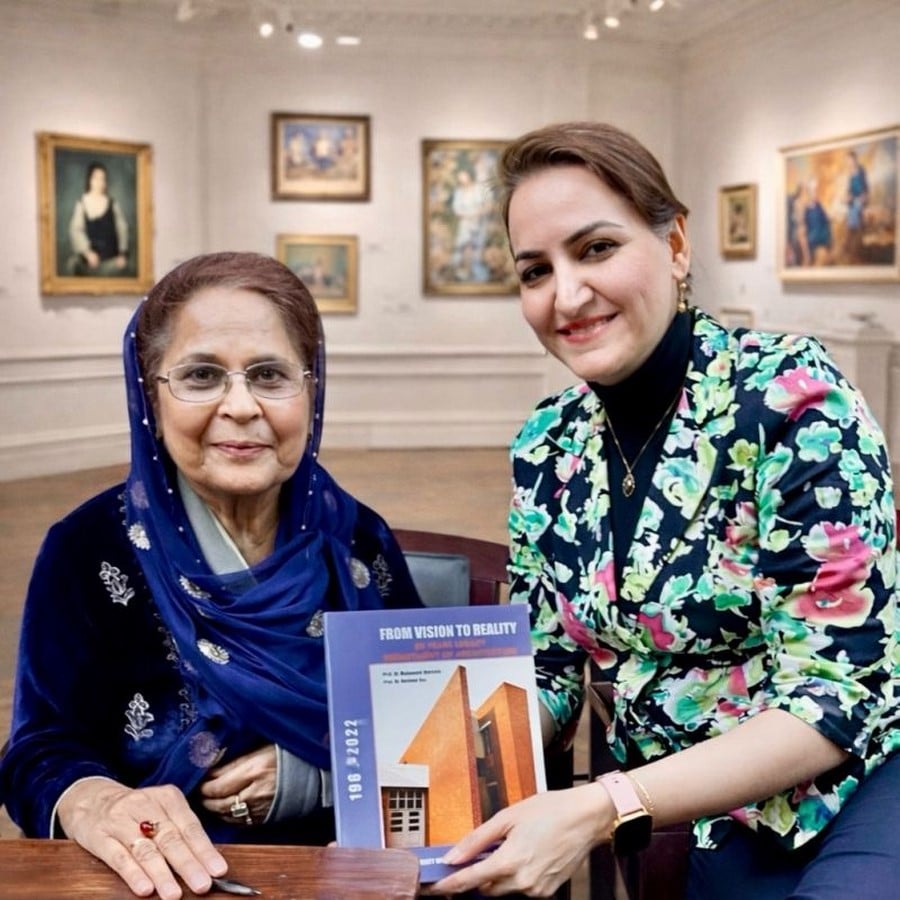
Neelum Naz completed her Bachelor of Architecture from the University of Engineering and Technology, Lahore in 1980. She returned to her alma mater as a lecturer, where she went on to become a Professor and then Department Chairperson. Being one of the few women in technical academia at the time, she had to prove her rigour continuously at every stage. She plays a major role in modernising architectural research theory and studio pedagogy in Pakistan. Her achievements as a female academic, leader and advocate in the historically male-dominated field were recognised by the Government of Punjab in 2008 by awarding the Mohtarma Fatima Jinnah Gold Medal. She completed her PhD from the University of Sheffield, United Kingdom, in 1998, where she focused on the interaction between the social and built environments.
Architecture For People Over Machines
Centring on civic humanism, spatial equality and social responsibility, Neelum Naz’s philosophical ideas reflect that buildings and urban spaces cannot be evaluated on efficiency across structural, transit and commercial aspects alone. Instead, she believes true architecture must continue to serve human dignity, foster community interaction and must remain accessible to all citizens. She views aggressive modern urbanism as a severance from traditional social bonds that erodes street culture, resulting in the “death of the pedestrian”. She asserts that urban realms, housing and public squares must prioritise human scale, walkability and social cohesion over accommodating machinery and markets.
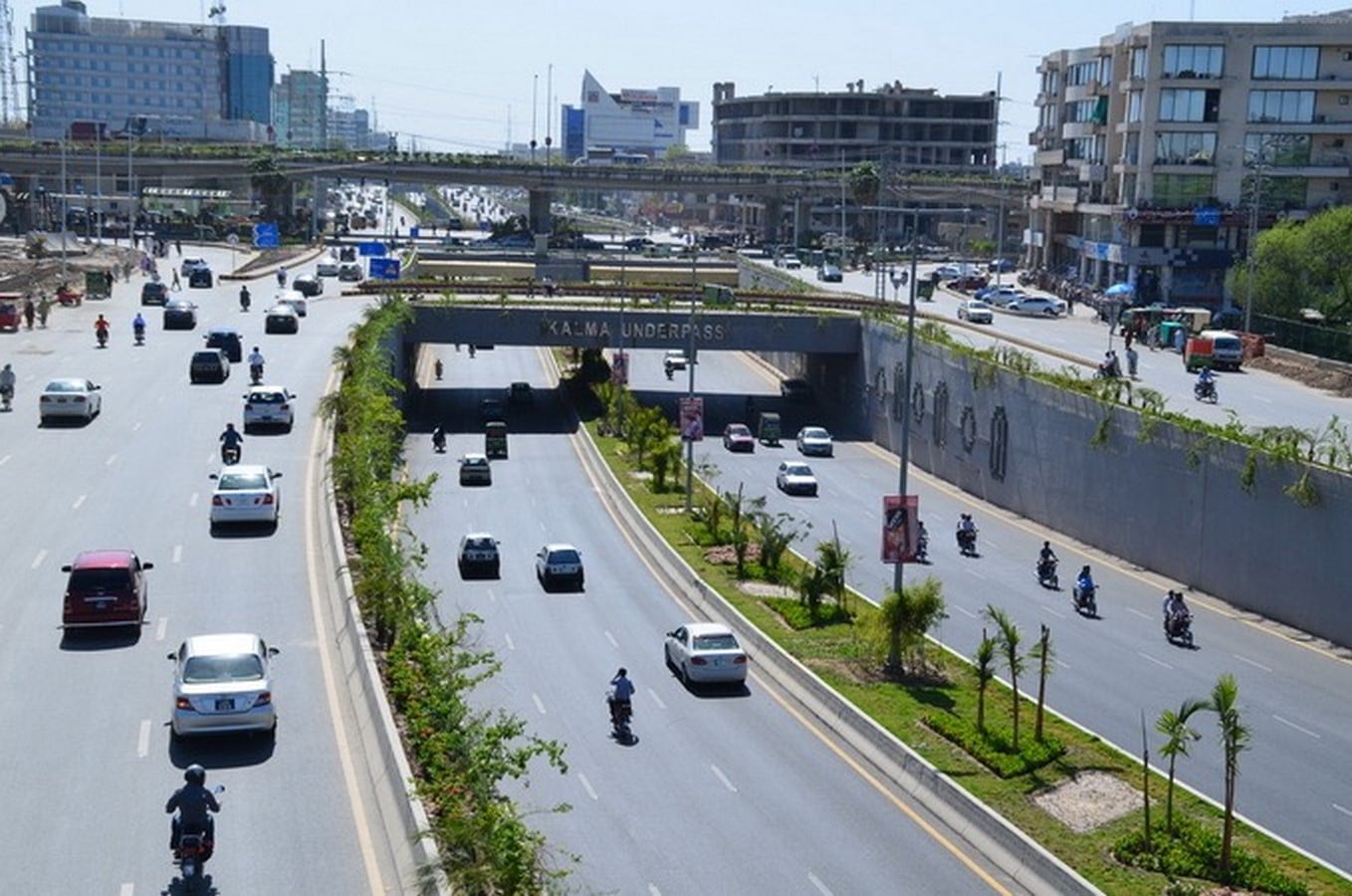
Transformation of Main Boulevard, Gulberg, Lahore: From Residential To Commercial, examines how rapid, market-driven commercialisation changes urban arteries- turning residential, community-focused streets into automobile-heavy and commercially driven corridors (Naz & Anjum, 2007). Challenging the government, municipalities and private developers that prioritised narrow-minded growth, Dr Naz’s publication advocated for pedestrian rights. In her paper, she argues that these accommodations compromise pedestrian usability and neighbourhood cohesion. She uses her research to show how civic spaces intended for the public benefit and interaction become fragmented through these urban transformations(Naz & Anjum, 2007).
Heritage, A Guide For Modern Identity
“True modern architecture does not copy foreign trends, nor does it make literal replicas of the past; it abstracts the climate, spirituality, and social wisdom of traditional spaces into modern forms.” -Dr. Neelum Naz
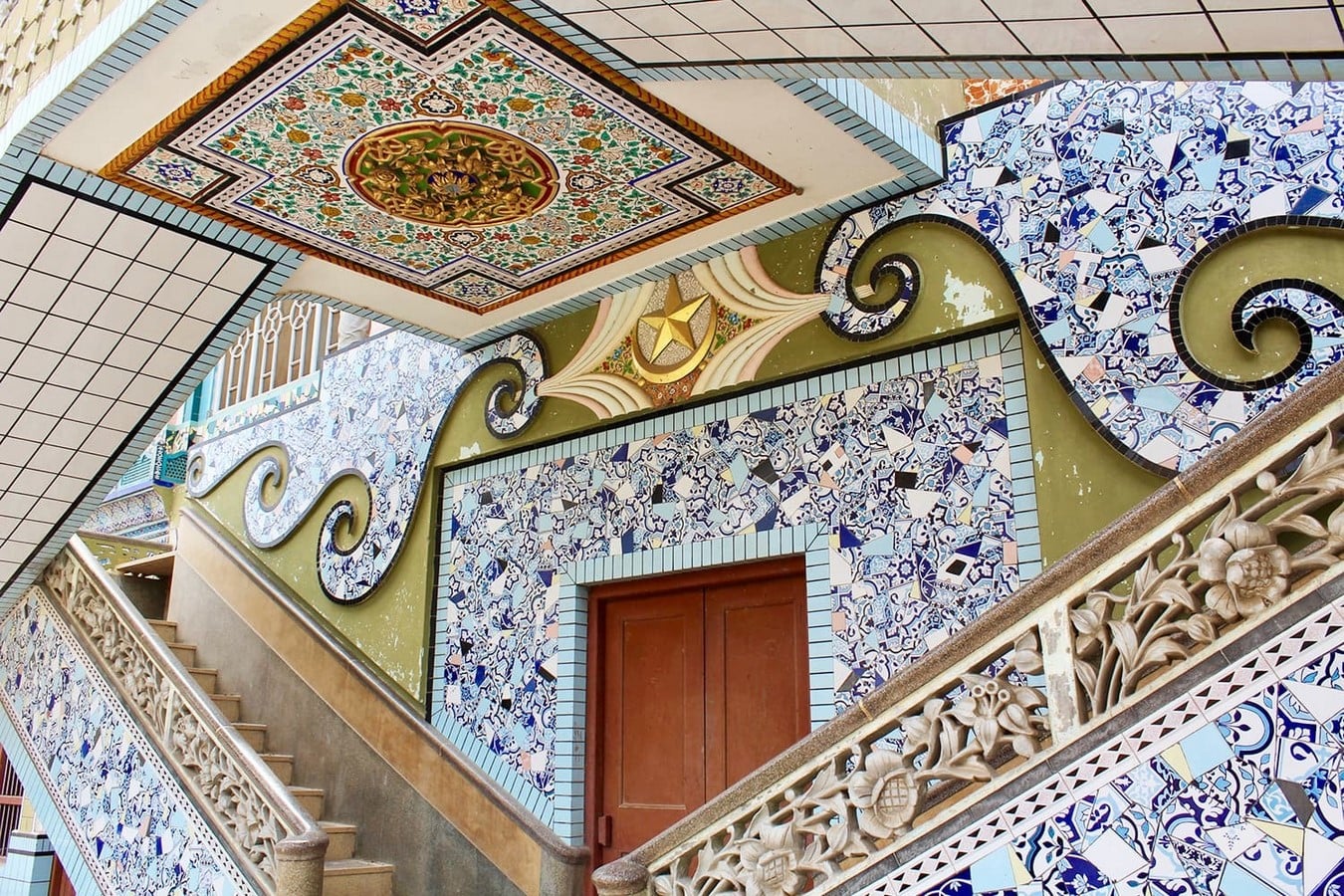
Amidst the economic pressures that favoured demolishing historic buildings, Dr Naz’s works constantly reminded us that heritage is not a static, nostalgic relic, but an active maker of identity rooted in the place’s unique context. Dr Naz recognises that post-colonial nations fall into a trap of applying non-contextual, globalised trends that treat historic structures as frozen monuments. She advocates for true cultural resilience that requires modern architecture to engage in a continuous dialogue with its regional lineage. From her research, traditional architectural elements, like Sehn or inner courtyards, Jaalis, and high-ceiling volumes, are climate-responsive design solutions, which, when stitched into globalised standards, can continue to weave the architectural tapestry of the place. Traditional ornamentation, like the decorative arts of the Bhong Mosque or the crafts of Lahore, that create signature architectural identity, plays a bigger role in preserving craftsmanship and regional identity alive within the modern construction frameworks (Ahmad et al., 2018).
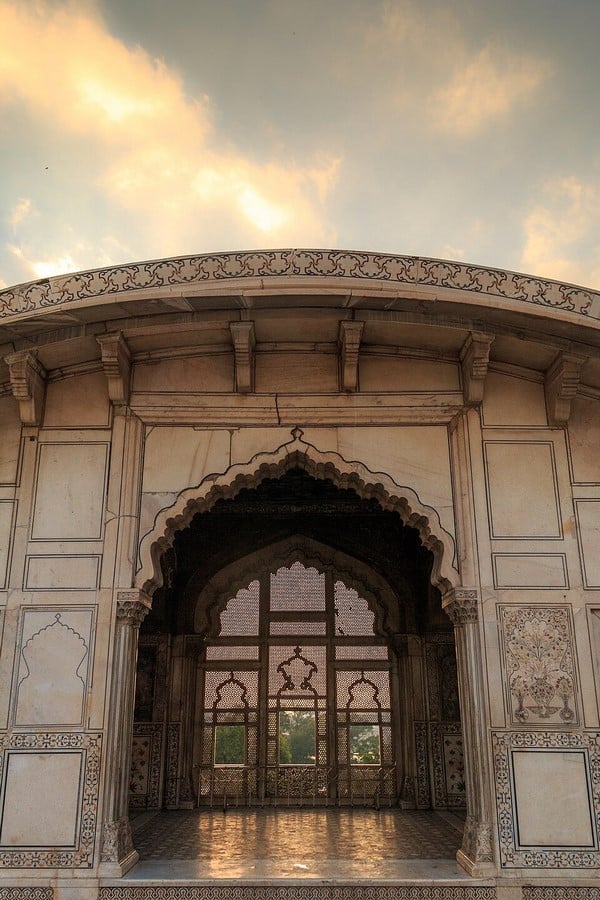
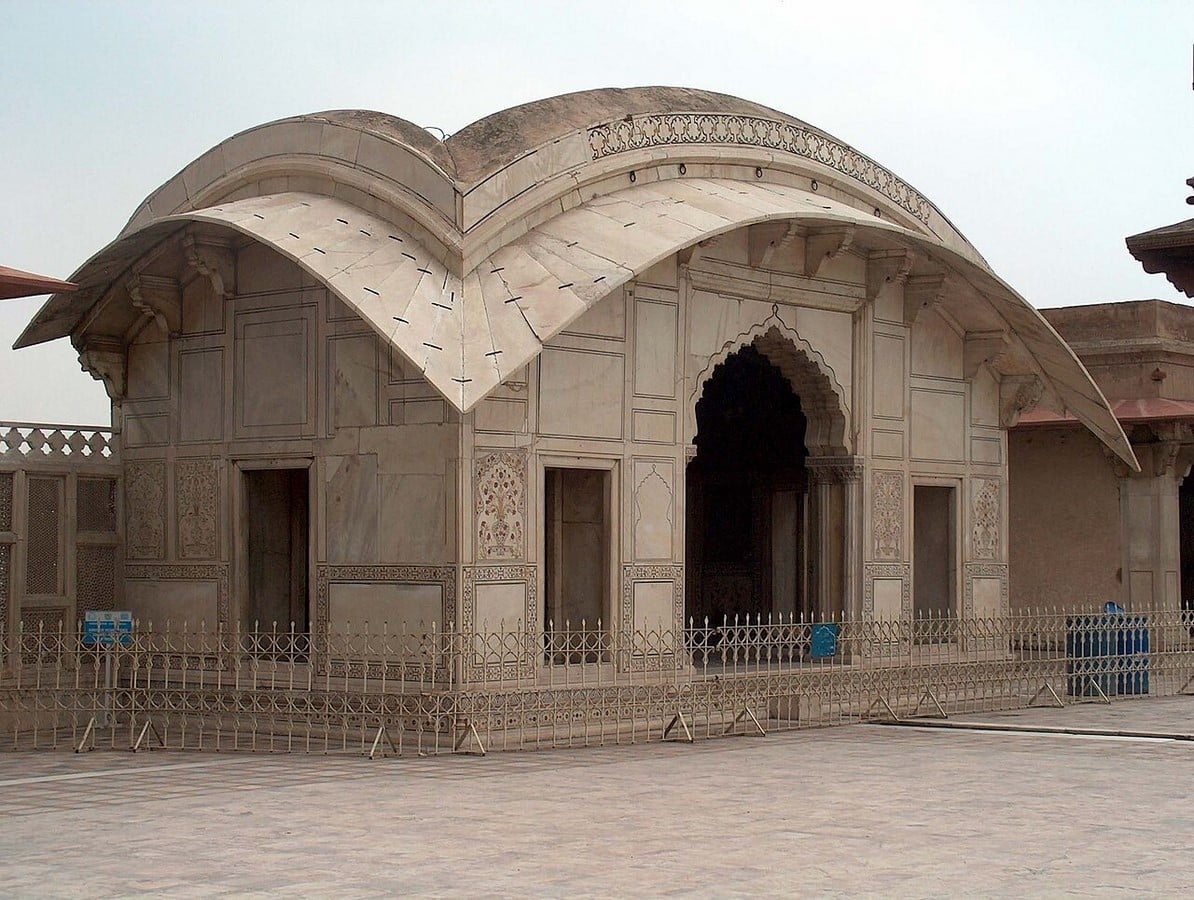
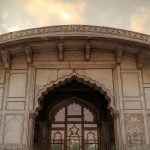
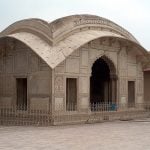
From her documentation of the evolution of historic cities, the Walled City of Lahore, Naulakha Bazaar and Gujranwala present evidence of cities being built in cumulative layers, from the Sikh and Mughal to the British Colonial and post-independence influences (Naz, 2012a). Overlaying these historic fabrics with generic infrastructure can erase the collective urban memory of that city, and it is the preservation of these layers that can render the sense of place tangible. Her studies also reflect on the works of colonial masters like Basil Martin Sullivan and Samuel Swinton Jacob, who adapted European architecture by incorporating the very Indo-Islamic elements that standardised construction practises try to erase (Rehman et al., 2011). She advocates to her students that contemporary design doesn’t have to abandon regional identity and that local heritage can be woven together with new technologies.
Cross-Border Dialogues
A nation’s architectural identity cannot be formed in isolation, but requires exchange across geographical and cultural borders, necessary for evolution. Especially for post-independence countries like Pakistan, Dr Naz ideates cross-border dialogues where engagement, rather than imitation, of Western models in respectful synthesis of local traditions leads to true architectural evolution. Her beliefs lie in the balance between preserving local heritage and Western architectural techniques. Rather than viewing foreign architects as cultural disruptors or as standards of modern urbanisation, she proposes working thoughtfully with the benefits of both to help build landmarks of a forward-looking and authentic identity.
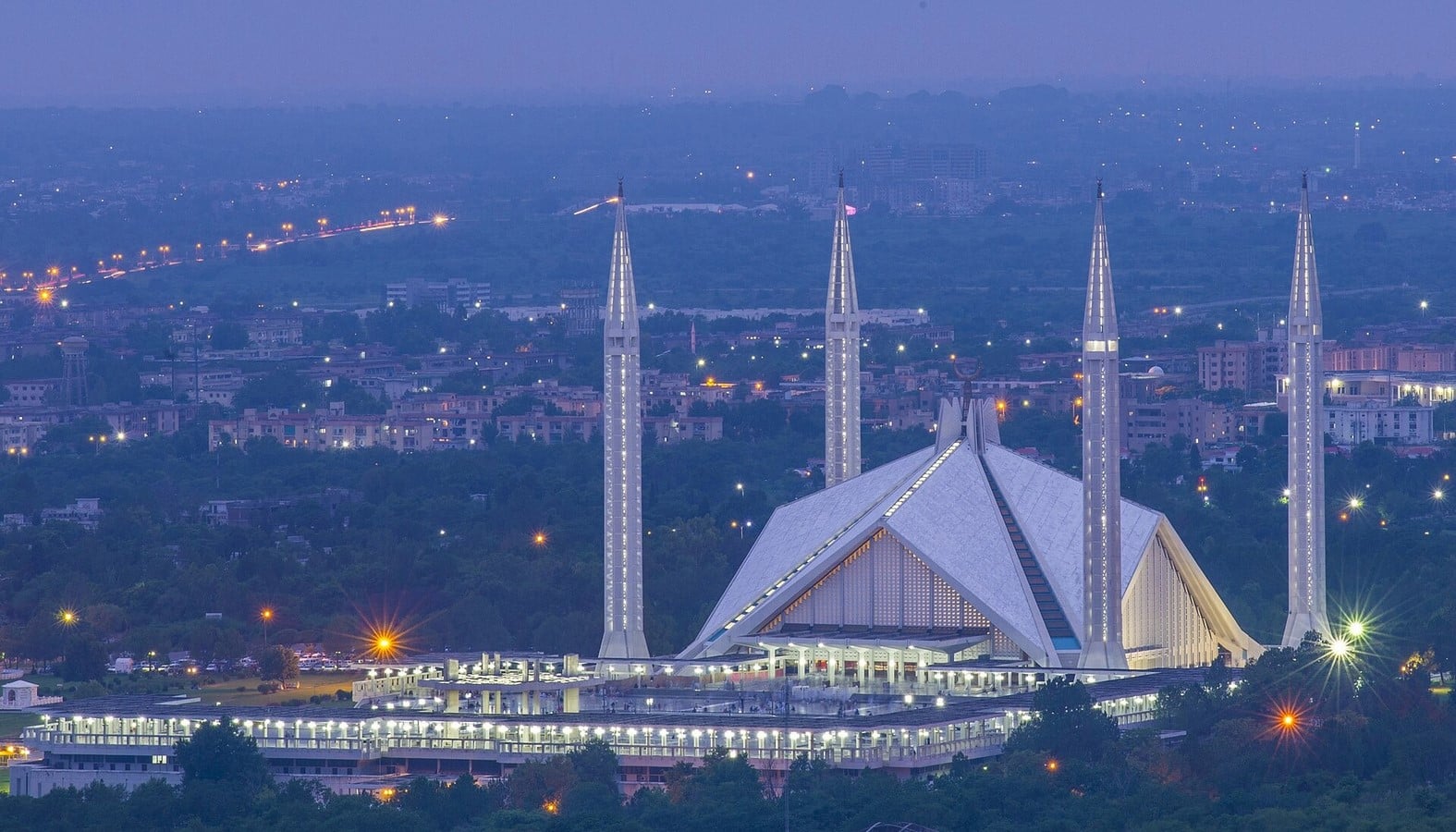
In her paper, Contribution of Turkish Architects to the National Architecture of Pakistan: V. Dalokay, 2005, Dr Neelum Naz examines Vedat Dalokay’s iconic design of the Faisal Mosque in Islamabad (Naz, 2005). The Faisal Mosque stands as a prime real-world example of her theories of modern and regional amalgamations of the architectural practise. The thin-shell concrete engineering with Turkish-style minarets that represents, in both proportions and spirit, the Holy Kaaba in Mecca defined Pakistan’s emerging architecture on the global stage. In her JFA International Journal publication, Dr Naz illustrates how Vedat’s synthesis of modern engineering with South Asian Islamic symbolism engaged in a respectful blend (Naz, 2005).
Breaking Barriers And Shaping Narratives
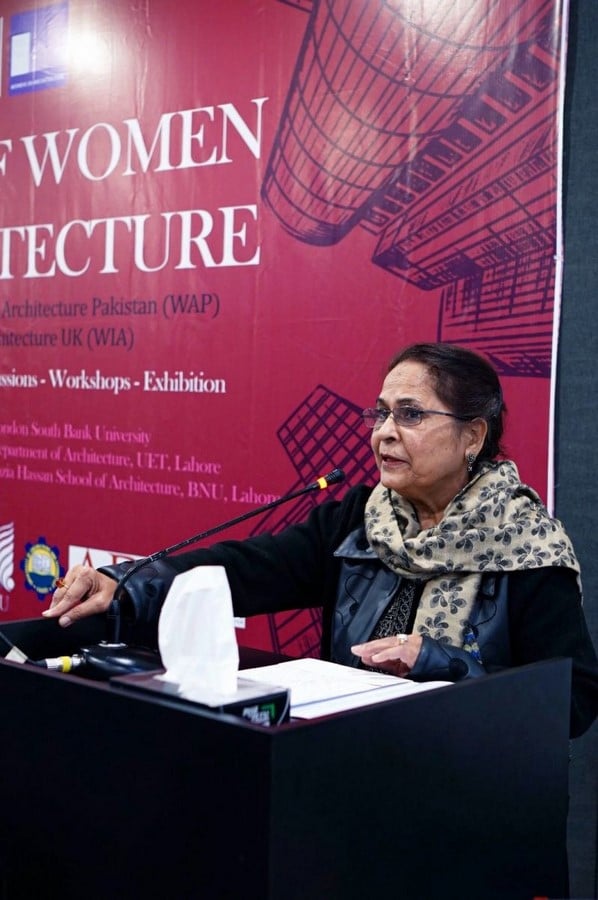
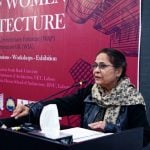
Dr Naz’s philosophies extend beyond built spaces. She advocates for gender parity in the architectural academic fields. In her paper “Empowerment of Women at UET, Lahore: A Voyage towards Prominence and Progress,” she recognises women who transitioned to become central figures that shape Pakistan’s built system. The paper points to the hurdles faced by female educators and students alike in the technical fields. She fought to shift the perception of female architects being viewed as interior decorators or draftswomen to include women in roles of urban strategists, theorists and institutional leaders, who are capable of designing large-scale civic environments (Naz, 2012b).
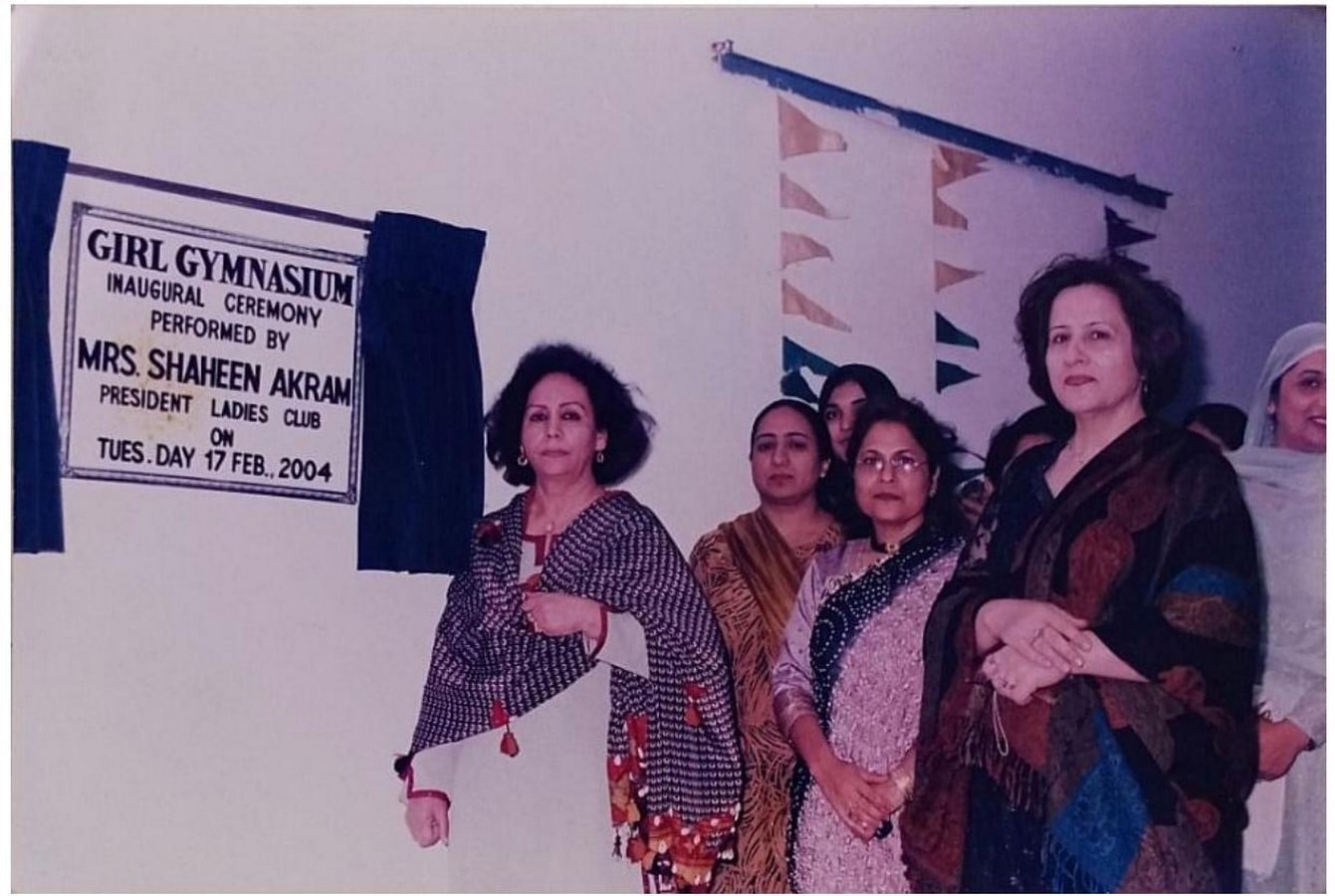
Her lifelong advocacy for women gained global recognition in the documentary “Transnational Narratives: Celebrating South Asian Women in Architecture”. The documentary was supported by the Lilly Reich Grant for Equality in Architecture. Dr Naz proves that empowering women in architecture is not about representation alone, but transforms how spaces are designed for safety, inclusivity and empathy.
Prof. Dr Neelum Naz has reshaped the way future architects would think about space, identity and human dignity. Her four-decade journey in architecture academia stands as an unflinching radicalism, where she challenged and demanded for the sake of the human, rather than the machinery. For believers of built spaces that inspire and connect humanity, Dr Naz’s research is an indispensable roadmap for the future.
Citations:
Ahmad, M., Rashid, K. and Naz, N. (2018) ‘Study of the ornamentation of Bhong Mosque for the survival of decorative patterns in Islamic architecture’, Frontiers of Architectural Research, 7(2), pp. 122–134. Available at: https://doi.org/10.1016/j.foar.2018.03.004 (Accessed: 5 August 2026).
Grant, L. R. / Transnational Narratives Project (2020) Transnational Narratives: Celebrating South Asian Women in Architecture [Documentary Film]. Supported by the Lilly Reich Grant for Equality in Architecture.
Naz, N. (2005) ‘Contribution of Turkish architects to the national architecture of Pakistan: Vedat Dalokay’, METU Journal of the Faculty of Architecture (JFA), 22(2), pp. 51–77.
Naz, N. (2012a) ‘Historical & spatial portrait of Naulakha Bazaar, Lahore’, Journal of Landscape Architecture (LA), New Delhi, India.
Naz, N. (2012b) ‘Empowerment of women at UET, Lahore: A voyage towards prominence and progress’, Pakistan Journal of Engineering & Applied Sciences, UET Lahore.
Naz, N. and Anjum, G. A. (2007) ‘Transformation of Main Boulevard, Gulberg, Lahore: From residential to commercial’, Journal of Research in Architecture and Planning, 6(1), pp. 49–61.
Rehman, A., Almas, R., Naz, N. and Khan, M. A. (2011) ‘Basil M. Sullivan: Architectural contribution of a legendary architect of colonial Lahore’, Journal of Built Environment Review, 8(4).
University of Sheffield (n.d.) Professor Helen Woolley, School of Architecture and Landscape. Available at: https://sheffield.ac.uk/architecture-landscape/people/academic/helen-woolley (Accessed: 8 August 2026).