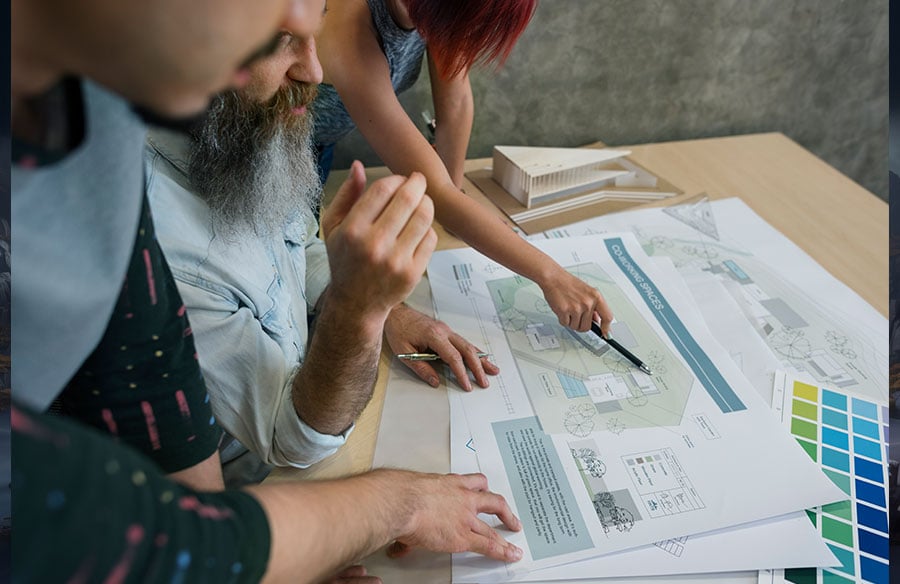
More architects, designers, and property owners are embracing short-term rentals as a way to turn thoughtfully designed spaces into memorable guest experiences. Attractive interiors, distinctive architecture, and layouts designed around the way people actually live can all add value to a property. But even the most carefully considered project can fall short of its potential if the operational side is not managed effectively.
Running a short-term rental involves far more than creating an appealing space. Owners need to manage availability, coordinate reservations, communicate with guests, collect payments, and, increasingly, provide options for direct bookings without relying entirely on third-party platforms.
Managing one property may seem straightforward at first. As the portfolio grows, however, the administrative workload can quickly become difficult to handle manually. Multiple calendars need to be updated, guest inquiries require timely responses, payments must be tracked, and bookings need to remain consistent across different channels. A single oversight can result in a double booking, delayed communication, or a poor guest experience.
This is where vacation rental software can become useful. Rather than requiring owners to manage reservations, distribution channels, guest communication, payments, and direct bookings separately, these tools bring many of those functions together in a centralized system. The goal is not to replace hospitality, but to make the operational side of hosting more organized and less vulnerable to avoidable mistakes.
From Designed Space to Managed Experience
When designing a property, architects and interior designers naturally focus on how guests will experience the physical space. But that experience begins before a guest ever arrives.
A potential guest first needs to find the property, review its availability, make a reservation, complete payment, and receive the information needed for their stay. Once they arrive, they may need instructions about access, amenities, house rules, or local services. From the owner’s perspective, all of this needs to be coordinated while ensuring that the property information remains accurate across every booking channel.
The physical environment and the operational process therefore work together. A beautifully designed property cannot compensate for poor communication or an unreliable booking system. Likewise, an efficient management process cannot completely overcome a confusing or poorly designed guest experience.
Design establishes expectations. Management determines whether those expectations are consistently delivered.
Why Manual Management Becomes Complicated
Short-term rental operations can become surprisingly complex, particularly when a property is listed across several platforms.
A host may have the same accommodation available through multiple booking websites as well as a dedicated property website. Each channel may generate reservations, inquiries, payments, and changes to availability. Keeping all of this information synchronized manually creates opportunities for errors.
Guest communication adds another layer of work. Hosts may need to answer questions before booking, send check-in instructions, explain house rules, provide directions, and respond to issues during a stay. At the same time, cleaning and maintenance schedules have to be coordinated around changing arrival and departure dates.
None of these tasks is necessarily difficult on its own. The problem is the volume and frequency of them. When several properties and booking channels are involved, even a small oversight can have a significant impact.
Manual management also makes it harder for owners to spend time on activities that directly contribute to growth, such as improving the property, marketing the rental, building relationships with previous guests, or developing a stronger direct-booking strategy.
Bringing the Operation Into One Place
The practical value of vacation rental software comes from bringing essential operational functions together.
Depending on the platform, a centralized system can help manage reservations and availability, synchronize calendars across booking channels, organize guest communications, process payments, and support direct bookings through an owner’s website. The specific features vary between providers, but the underlying objective is similar: reduce the amount of repetitive administrative work required to operate a rental business.
Lodgify, for example, combines several of these functions within a single platform, including booking management, channel synchronization, guest messaging, payments, and direct bookings. Its automation features also demonstrate how vacation rental technology is moving beyond basic calendar management toward more streamlined day-to-day operations.
For property owners, the benefit is primarily organizational. Instead of checking several platforms and manually transferring information between them, they can manage many core activities from a centralized dashboard.
This does not eliminate the need for oversight. Owners still need to monitor reservations, maintain accurate property information, respond to guests, and make decisions about their business. However, centralizing routine processes can make those responsibilities easier to manage and reduce unnecessary duplication.
Protecting the Experience the Design Intended
The value of rental management software extends beyond saving time. Consistency is equally important.
Designers invest considerable effort in deciding how guests will move through a property, interact with its features, access amenities, and experience its overall character. The systems supporting that environment should reinforce those decisions rather than create friction.
Clear and timely communication can help guests understand what to expect before and during their stay. Calendar synchronization can reduce the risk of conflicting reservations. Organized payment and booking processes can make transactions easier to manage. A dedicated booking website can also give property owners another way to build relationships with guests outside major third-party marketplaces.
These operational details may not be visible in the finished property, but they can have a significant influence on how guests perceive their stay.
A guest does not experience architecture in isolation. They experience the entire journey surrounding it, from the first booking interaction to the final checkout.
The Operation Is Part of the Design
A successful short-term rental is ultimately more than a well-designed property with a booking calendar attached to it. It is a hospitality business operating within a carefully designed environment.
For that reason, management should be considered part of the overall guest experience. Just as designers carefully consider materials, lighting, layouts, and movement through a space, property owners need to think carefully about the systems that support the guest journey.
The right software will not, by itself, make a rental business successful. It cannot replace good design, responsive hospitality, effective marketing, or sound business decisions. What it can do is reduce some of the repetitive administrative work that comes with managing reservations, channels, payments, and communication.
That creates more room for owners and operators to focus on what technology cannot easily provide: maintaining the property, solving guest problems, improving the experience, and developing the business.
A well-designed property deserves an equally thoughtful operational strategy. When the physical environment and the management system work together, the result is a short-term rental experience that is not only attractive, but also reliable, consistent, and easier to operate.