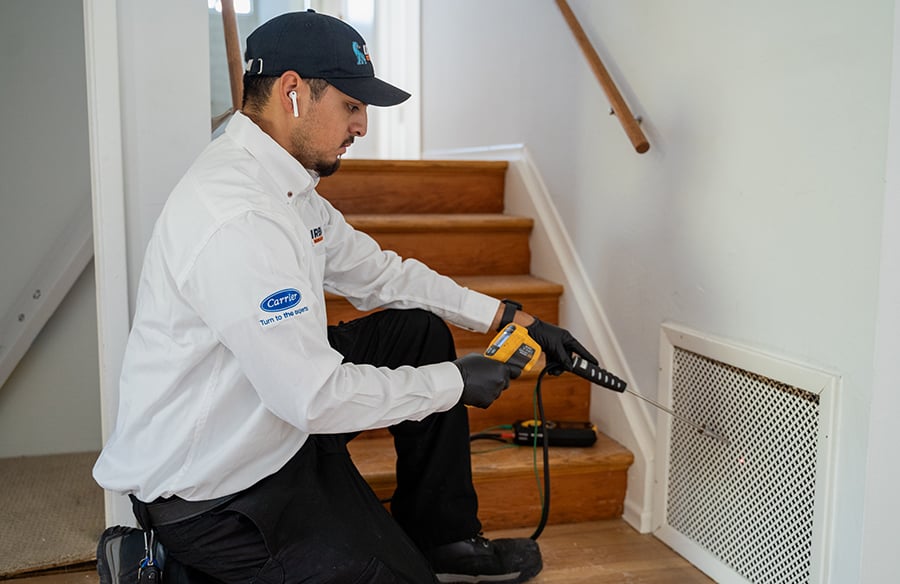
If you suffer from allergies, your HVAC system can either help you breathe easier or quietly make symptoms worse. Dust, pollen, pet dander, and mold spores circulate through the air every day. The right HVAC upgrades and habits can reduce airborne triggers, improve comfort, and keep your home feeling fresher year-round.
How your HVAC system affects allergies
Your heating and cooling system constantly moves air through your home. That means it can capture particles through filtration, or spread them if filtration is weak, ducts are leaky, or moisture issues are present. Many “mystery” allergy flare-ups indoors are tied to three things: poor filtration, dirty airflow pathways, and excess humidity.
Upgrade your filtration the smart way
Better filtration is often the fastest improvement, but it has to match your system. Some high-efficiency filters remove more particles, yet they can also restrict airflow if the system is not designed for them. Low airflow can reduce comfort, increase energy use, and even strain equipment.
A good approach is to choose a filter that balances particle capture and airflow, then replace it consistently. In many homes, a slightly higher-quality filter changed regularly beats an ultra-high filter that clogs quickly and reduces airflow.
Consider whole-home air cleaning options
If allergies are severe, filtration alone may not be enough. Whole-home air purification systems can help reduce smaller airborne particles and improve overall air quality, especially when paired with proper airflow and maintenance.
The best solution depends on what triggers your symptoms. For example, homes with pets and heavy dust may benefit most from improved filtration and duct sealing, while homes with humidity and odor issues may need a humidity strategy plus air cleaning.
Control humidity to reduce mold and dust mites
Humidity is a major allergy factor. When indoor humidity stays high, it supports mold growth and dust mites, both common triggers. Air conditioners remove moisture while cooling, but if the system is oversized, it may cool too quickly and shut off before removing enough humidity.
Keeping humidity in a healthy range can reduce allergy triggers and improve comfort at higher thermostat settings. Sometimes the fix is as simple as correcting airflow and thermostat setup. In other cases, a whole-home dehumidifier may be the best tool.
Don’t ignore ductwork and air leaks
Even with great filtration, leaky ducts can pull dusty air from attics, crawlspaces, or wall cavities and distribute it throughout the house. Poorly sealed return ducts are especially problematic because they can suck in particles continuously whenever the system runs.
If you notice excessive dust, musty smells, or uneven airflow, duct inspection and sealing can be one of the highest-impact allergy improvements you can make.
Keep the system clean and maintained
Dirty blower components, coils, and drain pans can contribute to odors and microbial growth. Regular HVAC maintenance helps keep these components clean and ensures the system is removing moisture effectively. It also helps catch drainage issues early, which can otherwise lead to water leaks and mold-friendly conditions.
Practical steps that help most allergy sufferers
Here is one focused checklist of habits and upgrades that typically make the biggest difference:
- Use the correct filter for your system and replace it on schedule
- Keep vents and returns unobstructed to maintain strong airflow
- Address humidity issues, especially in summer
- Consider duct sealing if dust levels stay high
- Schedule routine maintenance to keep coils and drainage clean
Conclusion
The most effective HVAC approach for allergy relief is usually a combination of three things: consistent filtration that does not choke airflow, moisture control that keeps mold and dust mites in check, and clean, well-sealed air pathways so contaminants are not pulled in and recirculated. Start with the basics (filter choice and replacement schedule, vent/return airflow, and humidity awareness), then consider next-step improvements like duct sealing or whole-home air quality equipment if symptoms persist.
If you’d like a professional assessment of your system’s airflow, filtration fit, and humidity performance, you can learn more through Irbis HVAC services.