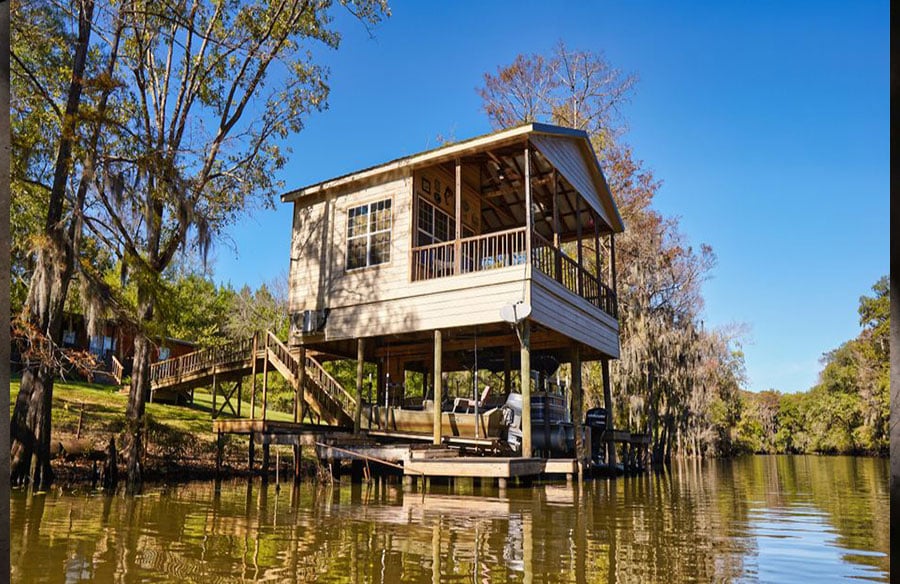
A Texas lake trip can swing from peaceful to chaotic fast, depending on where you stay. One cabin puts you close to the water, the trails, and a proper sunrise. Another leaves you juggling long drives, weak amenities, and that weird smell no review mentioned. If you’re trying to plan a getaway that feels easy instead of overengineered, it helps to know what actually matters. Location, layout, and the little details all shape whether your trip feels restorative or like a group chat problem in real time.
How to Pick a Stay That Fits the Trip You Actually Want
Not every lake getaway has the same job. Sometimes you want a quiet reset with coffee on the porch and no urgent plans. Other times, you’re organizing a family trip where everybody wants something different, and your lodging becomes mission control.
If you’re exploring options like Twin Lakes Resort or other places to stay in Texas, start by thinking about the kind of experience you want rather than just the location. Ask yourself a few practical questions:
– Do you want direct lake access or just a nice view?
– Are you traveling with kids, couples, or a larger family group?
– Will you cook most meals or rely on nearby dining?
– Do you need space to spread out, or is a cozy cabin enough?
These sound basic, but they shape everything. A cabin near the water can save hours of packing, driving, and logistics over a long weekend. That matters more than people admit.
Look closely at the setup too. A good stay should reduce friction, not add it. Parking, sleeping arrangements, kitchen essentials, and outdoor seating all affect how comfortable you feel once the novelty wears off. The best choice usually isn’t the flashiest one. It’s the one that makes your days smoother from the minute you arrive.
Why Cabin Stays Often Work Better for Lake Trips
Cabins have a different energy from standard overnight lodging. You’re not just booking a place to sleep. You’re choosing the base layer of the whole trip.
For a lake destination, that matters a lot. A cabin gives you privacy, breathing room, and a stronger connection to the setting. You can wake up early, sit outside, and hear the water instead of hallway traffic and slamming doors. It’s a small upgrade on paper and a huge one in real life.
Cabin stays also work well for people who don’t want every hour scheduled. You can cook breakfast, head outside when you feel like it, and return without feeling like you’re cycling through a crowded property. That flexibility is useful whether you’re traveling as a couple or bringing several generations along.
Here’s where cabins usually win:
– More room to relax without feeling boxed in
– Easier group hangouts in shared living areas
– Better access to outdoor spaces
– A stronger sense of separation from daily noise
There’s also the atmosphere factor. Some stays feel generic the second you walk in. A well-kept cabin near a lake feels tied to the place itself, which is the whole point of traveling there in the first place.
What to Look for in a Texas Lakefront Resort
A lakefront resort sounds great in theory, but the details decide whether it feels convenient or mildly annoying. Marketing language tends to be polished. Your job is to look past the sparkle and read for substance.
Start with access. “Near the lake” can mean several things, and not all of them are useful. You want to know whether you can reach the water easily, whether the views are unobstructed, and whether the setting supports the pace you want.
Then look at amenities with a skeptical eye. Some features sound impressive and matter very little once you arrive. Others quietly improve the whole trip. Prioritize things like:
– Clean, comfortable cabin interiors
– Functional kitchens or kitchenettes
– Outdoor seating or porch space
– Easy parking near your unit
– Room layouts that make sense for your group
Reviews can help, but read them like a detective, not a fan. Watch for repeated comments about cleanliness, maintenance, noise, and how accurately the property matches its listing. If ten people mention peaceful surroundings, that’s useful. If six mention broken fixtures, your case is basically closed.
Good lakefront resorts understand that convenience is part of luxury. You shouldn’t need a spreadsheet and two backup plans just to settle in.
Real-World Planning Tips That Save You Stress Later
Trip planning gets easier when you think beyond the booking page. The cabin may look perfect, but your experience also depends on timing, weather, and how much coordination your group can realistically handle.
If you’re heading to a Texas lake area during a busy season, book earlier than you feel necessary. The best cabins tend to go first because they combine the things everyone wants: views, comfort, and location. Waiting too long often leaves you choosing between overpriced and underwhelming, which is a grim little corner of travel planning.
It also helps to map out your non-negotiables before you book. Keep the list short and honest. For example:
– You need a full kitchen because you’re cooking most meals
– You want easy access to fishing or boating
– You need multiple beds without cramming people together
– You want a quiet setting for an actual break
Think about what your group will do after sunset too. A porch, common seating area, or simple outdoor space can carry the evening better than people expect. You don’t need a packed itinerary if the setting does some of the work.
One more thing: check cancellation terms and arrival instructions. Not glamorous, but deeply useful. Travel gets messy. The boring details often save the day.
How the Right Stay Changes the Whole Experience
A smart booking doesn’t just give you a roof. It shapes how the trip feels in your body. You rest more. You move slower. You spend less time managing logistics and more time noticing where you are.
That shift matters, especially on a lake trip. Water already has a way of changing the tempo. A good stay supports that instead of interrupting it. You’re not forcing relaxation like it’s a calendar event with snacks. You’re stepping into a place that makes it easier.
The right cabin can also make group travel less chaotic. People have room to scatter, recharge, and come back together without stepping on each other’s patience. That’s not a luxury feature. That’s operational excellence.
If you’re choosing between several options, don’t just chase price or aesthetics. Look at how each place supports the kind of trip you want to have. The best lake stays earn their value by making everything around them work better.
A well-chosen Texas retreat turns simple moments into the part you remember most: early light over the water, dinner without a rush, and a night that feels genuinely quiet. No gimmicks needed. Just a place that gets the assignment.