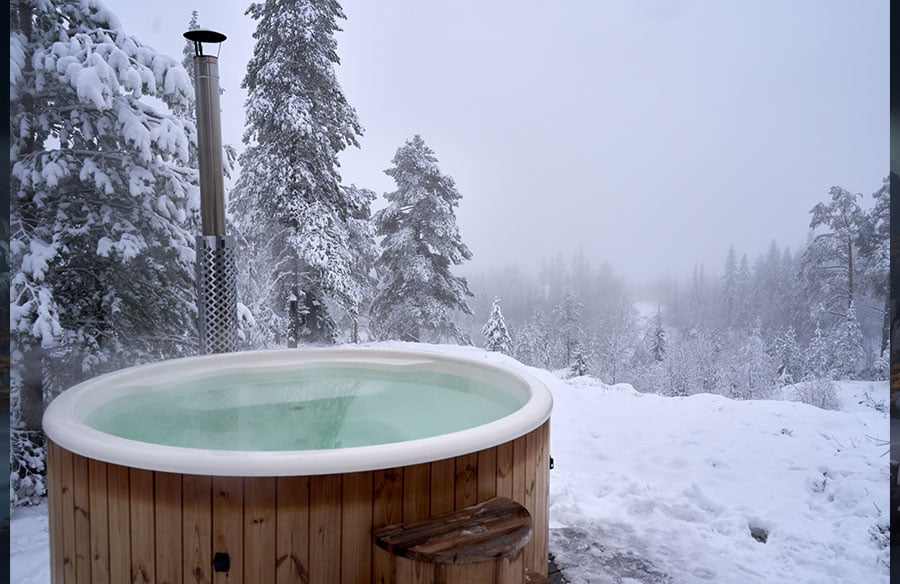
Relaxing in warm, bubbling water while snow falls around you is one of life’s simple pleasures. However, to truly enjoy this experience, a hot tub must be designed to perform well in cold climates. Understanding which features matter most helps ensure comfort, efficiency, and durability throughout the winter season.
Superior Insulation
Insulation is the foundation of a reliable hot tub in a cold environment. High-density foam or full-foam insulation traps heat within the shell and plumbing, reducing energy loss. This not only keeps water warm but also prevents pipes from freezing during frigid nights.
Well-insulated covers are equally important. A tight-fitting, high-quality cover keeps heat from escaping and shields the water surface from snow and debris, making it easier to maintain temperature stability.
Efficient Heating Systems
Heating efficiency becomes critical when temperatures drop below freezing. Modern systems use energy-smart heaters that warm water quickly and maintain consistent temperatures with minimal power use. Look for models with digital thermostats for precise control and better energy management.
Some hot tubs feature advanced circulation pumps that keep water moving constantly. This movement helps distribute heat evenly and prevents localized freezing, extending the life of internal components.
Durable Construction Materials
Cold climates can test the durability of any outdoor product. A sturdy, weather-resistant shell made from reinforced acrylic or composite materials ensures longevity and structural integrity. The outer cabinet should resist moisture, frost, and fading to maintain an appealing appearance year-round.
Corrosion-resistant fittings and stainless steel hardware are recommended to prevent damage caused by exposure to moisture and fluctuating temperatures.
Energy-Saving Features
Reducing energy consumption without sacrificing warmth is a top priority. Many energy-efficient designs include programmable timers and insulated plumbing lines. These elements help maintain water temperature during idle periods while lowering electricity use.
LED lighting and low-voltage control systems also contribute to energy savings, enhancing the overall experience while minimizing operating costs.
Comfort and Accessibility Enhancements
Comfort takes center stage when soaking outdoors in winter. Ergonomically molded seating, strategically placed jets, and adjustable jet pressure make every session enjoyable. A slip-resistant surface and sturdy steps improve safety in icy conditions.
Adding features like headrests and built-in cup holders can make long winter evenings more relaxing. Some designs even include integrated sound systems and ambient lighting for a more inviting atmosphere.
Maintenance and Water Care Systems
Cold weather can make routine maintenance challenging, but modern water care systems simplify the process. Automatic sanitizing options and advanced filtration keep water clear with minimal effort. Freeze protection modes activate circulation and heat when temperatures drop too low, protecting equipment from damage.
Quick-access panels and easy-drain systems allow for simple servicing, even in snowy conditions. Regular upkeep ensures reliable performance throughout the cold season.
Integrating Hot Tubs with Outdoor Living Spaces
Pairing a hot tub with complementary backyard features creates a cohesive and functional outdoor retreat. Many homeowners combine their spa area with outdoor kitchens in Calgary to enjoy both warmth and dining convenience. The combination encourages year-round outdoor living, transforming a backyard into a comfortable gathering space.
Proper placement, wind barriers, and nearby seating enhance usability during winter. A well-planned design not only improves comfort but also boosts the overall value and enjoyment of the property.