
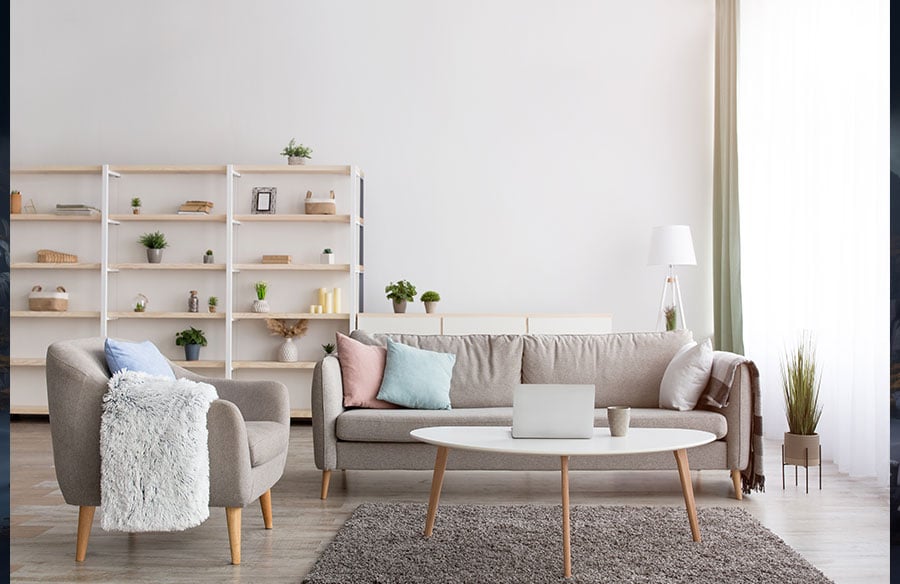
A good rug can change the way a room feels without requiring a full makeover. It can make a large living room feel more connected, add warmth to a bedroom, or give an entryway a finished look. But choosing the right one isn’t simply about finding a pattern you like. Size, placement, color, texture, and everyday use all matter.
The trick is to think about how the room actually works. A beautiful rug that constantly bunches under a dining chair or looks lost beneath a sofa isn’t doing you many favors. Before buying, consider the furniture around it, the amount of foot traffic the space gets, and how much maintenance you’re realistically willing to handle.
Here’s how to approach rug styling room by room.
Start With the Right Rug Size
Size is one of the easiest things to get wrong. A rug that’s too small can make furniture look disconnected, while an oversized rug can overwhelm a compact room.
In living rooms, the rug should generally relate to the main seating area rather than sit like a small island in the middle of the floor. Ideally, at least the front legs of your sofa and chairs should rest on the rug. In a larger room, you can go further and place all the furniture legs on it.
For bedrooms, think about where your feet land when you get out of bed. A large area rug positioned under the bed creates a soft landing on both sides. If the room is tight, runners or smaller rugs placed along the sides can give you a similar effect without taking up as much floor space.
Entryways usually work best with runners or compact rectangular rugs. Measure the available floor area first, especially around doors. You want enough room for the rug to sit comfortably without interfering with the door swing.
How to Style a Rug in the Living Room
The living room is often the easiest place to make a rug the visual anchor. Start by looking at your sofa, coffee table, and chairs as one group. The rug should help bring those pieces together rather than compete with them.
If your furniture is neutral, a patterned rug can add personality. Floral, botanical, geometric, vintage, or abstract designs can all work, depending on the overall style of the room. If your sofa already has a strong color or pattern, a quieter rug may create a better balance.
Color doesn’t have to match your furniture exactly. In fact, matching everything too closely can make a room feel flat. Instead, look for a rug that picks up one or two colors already present in cushions, curtains, artwork, or other accessories.
For example, a beige sofa can work beautifully with a rug featuring muted green or blue details. A darker sofa might benefit from warmer cream, rust, or earthy tones that keep the room from feeling too heavy.
And don’t forget traffic. Living rooms see plenty of walking, lounging, snacks, pets, and the occasional spilled drink. A rug that’s easy to clean can save you a lot of frustration.
Make the Bedroom Feel Softer
Bedroom rugs are less about making a statement and more about creating comfort, although there’s no reason you can’t have both.
A rug beneath the bed can visually frame the sleeping area and make the entire room feel more settled. For a queen or king bed, choose a size that extends beyond the sides and foot of the bed rather than stopping directly at its edges.
Color matters here, too. Soft neutrals, faded florals, muted greens, warm beige, and dusty blues tend to create a relaxed atmosphere. If your bedroom already has simple bedding and furniture, a vintage or botanical pattern can add interest without making the space feel busy.
If you have children or pets, practicality becomes even more important. Bedrooms can collect dust, crumbs, and pet hair surprisingly quickly. That’s one reason washable rugs have become useful in everyday homes. Being able to clean the entire rug instead of worrying about every little spill makes a noticeable difference.
Lahome’s washable collection, for example, includes floral, vintage, botanical, geometric, and nature-inspired designs in a range of sizes. The collection is also designed for everyday spaces such as bedrooms, living rooms, kitchens, and entryways.
Give Your Entryway a Practical Upgrade
Your entryway is the first part of the home people see, but it’s also one of the hardest-working areas. Shoes bring in dirt, rain, and grit, while people constantly walk through the space.
A runner can define the entrance and make the transition from outdoors to indoors feel more intentional. Choose a size that leaves a little breathing room around the edges rather than filling every inch of available floor.
Pattern can be especially useful here. A subtle vintage design, geometric print, or darker botanical pattern can help disguise everyday marks between cleanings. If the rest of your home is fairly minimal, the entryway is also a good place to introduce a little more personality.
Pay attention to safety when choosing a rug for this area. A rug that slides every time someone steps on it is more trouble than it’s worth. Built-in non-slip backing can be particularly useful on hard flooring. Lahome’s washable rugs feature integrated non-slip backing, so a separate rug pad isn’t required for the collection.
Use Color to Connect Different Rooms
You don’t need the same rug style throughout your home. In fact, repeating the exact same pattern in every room can make the space feel overly coordinated.
Instead, create a loose color relationship.
If your living room rug contains sage green, you could bring a similar shade into the bedroom through a smaller patterned rug. A warm beige in the entryway might echo the wood furniture or curtains elsewhere in the home.
For smaller rooms, lighter colors can help the space feel more open. Cream, beige, and other soft neutrals reflect more light and tend to create an airy appearance. Deeper colors and bolder patterns can add character to larger rooms where there’s more space for the eye to take them in.
The goal isn’t perfection. You simply want the rugs to feel like they belong in the same home.
Don’t Ignore Rug Shape
Rectangular rugs are the obvious choice for most rooms, but they’re not your only option.
A round rug can soften a room filled with straight lines and rectangular furniture. It can work particularly well beneath a small round dining table, in a reading corner, or in a compact seating area.
Runners are useful beyond hallways, too. Try one beside a bed, in a narrow kitchen, or along a long entryway. The right shape can sometimes solve a room’s layout problem better than simply choosing a different size.
Choose Materials With Your Lifestyle in Mind
Think about your daily routine before falling in love with a particular rug.
A decorative rug might be perfect for a quiet guest room but less practical in a busy family room. Homes with young children or pets may benefit from designs that are easier to clean and less stressful to live with.
This is where washable rugs can make sense. Lahome’s collection is designed around everyday messes and includes machine-washable styles intended for busy homes. The brand recommends cold, delicate machine washing with mild detergent and low-heat drying or air-drying, depending on the care approach you prefer.
Regular vacuuming is still useful between washes. For low-pile washable styles, Lahome recommends keeping suction low and avoiding the rotating brush to reduce unnecessary wear.
How to Keep Your Rugs Looking Good
Good rug maintenance doesn’t have to become another household chore you dread.
Vacuum regularly, particularly in high-traffic areas. Deal with spills sooner rather than later. Blot instead of aggressively rubbing a fresh spill, and always check the manufacturer’s care instructions before using cleaning products.
For machine-washable designs, don’t assume every rug should be treated exactly the same. Follow the specific washing and drying instructions for the piece you own.
Placement matters for longevity as well. If one section of a rug gets constant foot traffic while another remains untouched, occasionally changing the arrangement can help distribute wear. Keeping furniture from dragging across the surface is another small habit that can make a difference.
Finding a Style That Feels Like Your Home
There are plenty of directions you can take with rugs. Vintage patterns can add character to a neutral room, floral designs bring softness, geometric prints can give a modern space more definition, and botanical or animal-inspired motifs can make a room feel more distinctive.
Lahome’s best-selling collection gives you a useful starting point if you’re unsure where to look. It includes a mix of washable floral, vintage, botanical, geometric, and more expressive designs, with options ranging from smaller rugs and runners to larger area rugs.
Rather than choosing a rug simply because it’s currently popular, ask yourself whether you’ll still enjoy seeing it every morning six months from now. That’s usually a better test.
If you want to compare different patterns, sizes, and room-friendly styles in one place, you can Explore Collection through Lahome and browse the options based on the look and function you’re after.
The Final Piece of the Room
A rug should make a room easier to enjoy, not harder to live in. Start with the practical details: measure the space, consider furniture placement, think about traffic, and choose a material that fits your routine. Then have fun with color and pattern.
For living rooms, focus on creating a connected seating area. In bedrooms, prioritize softness and proportion. In entryways, choose something durable, secure, and appropriately sized. And if your home regularly deals with muddy shoes, pets, children, or the occasional coffee spill, a washable option can take some of the stress out of keeping things fresh.
The best rug is ultimately the one that looks right in your space and still works when real life happens.