
Waste removal is rarely the most visible part of a construction or remodeling project, but poor debris planning can quickly affect productivity. When demolition material starts accumulating, crews lose usable space, access routes become cluttered, and workers spend more time moving waste instead of advancing the project.
For contractors, remodelers, property managers, and project owners, temporary waste removal should be treated as part of site logistics rather than an afterthought. Container selection, placement, loading practices, and pickup timing can all influence how smoothly a project moves from demolition through final cleanup.
Match the Container to the Work
The first step is estimating what the project will generate. A small interior renovation has different disposal needs from a multi-room remodel, commercial cleanout, or major property rehabilitation. Project teams should consider both debris volume and material type before reserving a container.
Wood, drywall, cabinetry, flooring, packaging, fixtures, and general construction debris can consume space quickly. Dense materials can create a different challenge because a container may reach its hauling weight before it appears full. A properly planned construction dumpster rental should therefore be selected around the material profile of the job, not simply the largest container available.
Treat Placement as a Logistics Decision
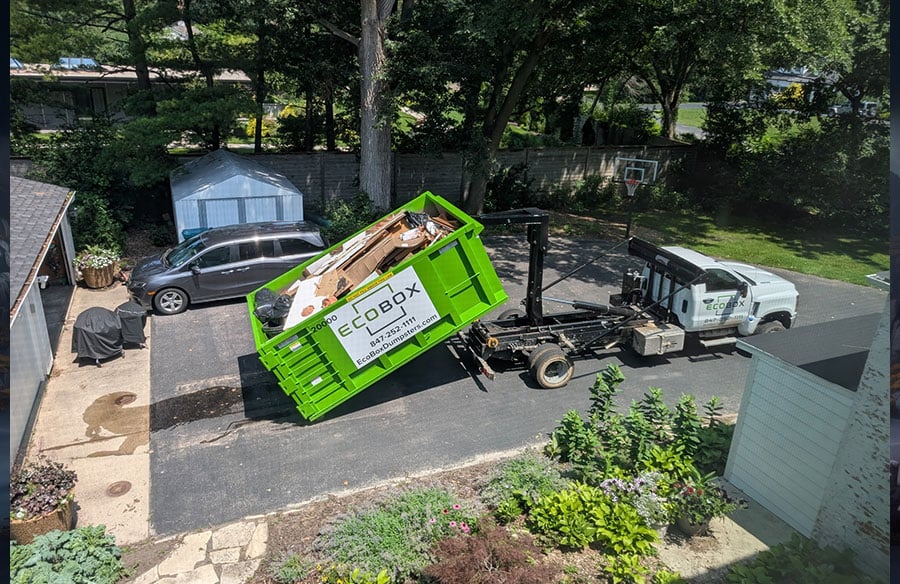
Dumpster placement influences worker travel paths, parking, equipment access, deliveries, and the ability of the hauling truck to complete pickup safely. Ideally, the container should be close enough to the active work area to reduce unnecessary carrying while remaining clear of entrances, emergency access, neighboring properties, and equipment routes.
Residential remodeling creates another consideration: protecting the property. Compact roll-off equipment and driveway-conscious placement can be particularly useful on suburban projects where available space is limited and the site must remain functional for the homeowner.
Create a Debris Flow Before Demolition Starts
Efficient jobsites establish a predictable path for waste. Before demolition begins, the team should know where material will leave the structure, how it will travel to the dumpster, and who is responsible for keeping that route clear.
This simple step can eliminate repeated handling. Moving material directly from the work area to the container is more efficient than creating temporary piles that must be moved again later. It also helps keep corridors, driveways, staging areas, and work zones available for the trades that follow.
Weight and Material Rules Matter
A common planning mistake is focusing only on available container space. Heavy debris such as tile, masonry, roofing material, or other dense waste can change the hauling requirements substantially. Contractors should describe those materials accurately when ordering so the provider can recommend the appropriate setup.
Restricted materials should also be identified in advance. Paints, chemicals, fuels, certain electronics, refrigerant-containing appliances, asbestos-containing materials, and other regulated waste may require special handling rather than disposal in a standard roll-off container. Confirming those rules before work begins prevents surprises after the dumpster has already been loaded.
Coordinate Pickup With the Construction Schedule
Waste hauling should support the project schedule. If a dumpster fills during demolition and remains unavailable for several days, debris begins accumulating elsewhere and workflow slows. Project managers should monitor capacity and communicate before the container becomes a bottleneck.
For projects in Northeastern Illinois, EcoBox Dumpsters serves homeowners, contractors, and businesses with 10-, 15-, and 20-yard roll-off options. Matching the container and pickup timing to demolition milestones can help keep the site organized without dedicating more space to waste than the project requires.
Cleaner Sites Support Better Projects
Good waste planning does not replace good construction management, but it supports it. An appropriately selected and strategically placed dumpster can reduce clutter, limit unnecessary material handling, and make it easier for crews to maintain an organized work environment.
The most effective approach is to make debris removal part of the project plan from the beginning. Identify the likely waste streams, estimate volume and weight, select the placement area, establish loading routes, and plan pickup before capacity becomes a problem. When those decisions are made early, the dumpster becomes what it should be: a simple piece of site infrastructure that helps keep the work moving.