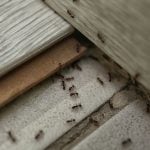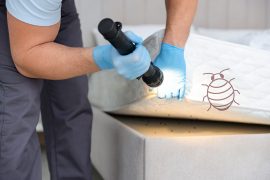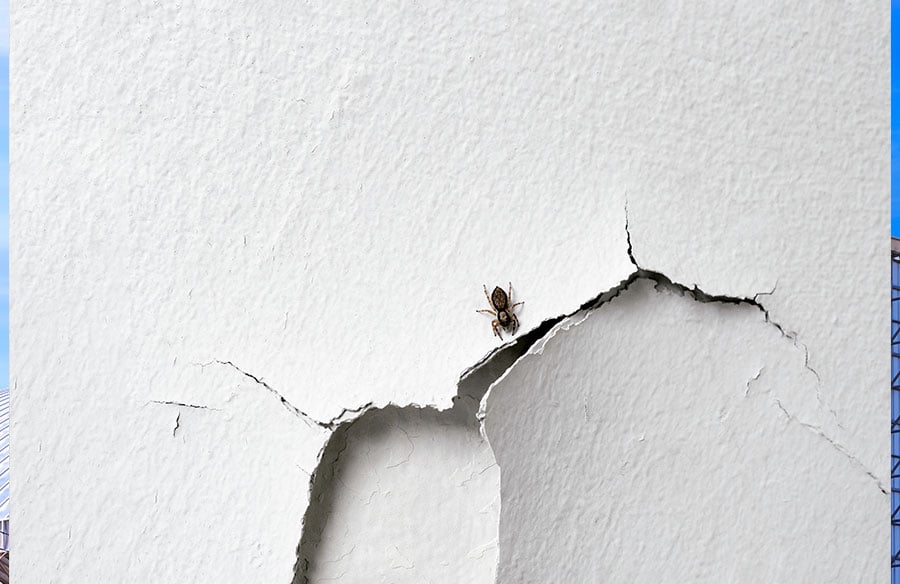
Buildings are meant to keep the outside world out, but even well-constructed structures develop small weaknesses over time. A hairline crack in a foundation, a gap around a pipe, or a poorly sealed window frame might seem insignificant to the average homeowner, yet to an ant colony or a family of mice, these are open doors. According to the National Pest Management Association, pests invade an estimated 14.8 million American homes each year, and a large share of these invasions trace back to structural gaps rather than sudden pest outbreaks. Understanding where buildings typically fail and why is the first step toward keeping unwanted visitors out.
Foundation Cracks and Settling Gaps
Concrete foundations are durable, but they are not immune to movement. As soil shifts with seasonal moisture changes, foundations can settle unevenly, producing cracks that range from cosmetic to structurally significant. Even a crack as narrow as a quarter inch is wide enough for ants, spiders, and small rodents to squeeze through, since many pests can compress their bodies to fit through openings far smaller than their resting size. Mice, for instance, can enter through gaps roughly the diameter of a pencil.
These cracks often form near where the foundation meets the framing of the house, an area sometimes called the sill plate. Builders who fail to properly seal this transition — or who use materials that degrade over time leave a long-term vulnerability that isn’t always visible during a routine walkthrough.
Gaps Around Pipes and Utility Lines
Every pipe, cable, and vent that passes through an exterior wall or foundation requires a penetration point, and each one is a potential entryway if not sealed correctly. Plumbing lines, electrical conduits, and gas lines are common culprits. Contractors sometimes leave excess clearance around these penetrations for ease of future maintenance, but that extra space becomes an open channel for cockroaches, ants, and rodents seeking shelter or a route indoors.
Bathrooms and kitchens are particularly high-risk zones because they combine two things pests want most: an entry point and a nearby water source. A gap around a sink’s water supply line, left unsealed behind a cabinet, can go unnoticed for years while quietly serving as a pest highway.
Poorly Sealed Doors, Windows, and Roofing
Weatherstripping and caulking are inexpensive materials, but their absence or deterioration is one of the most common reasons pests get inside. Door sweeps that don’t fully contact the threshold, warped window frames, and cracked caulking around glass panes all create gaps that insects and small mammals can exploit. Studies on urban pest ecology have consistently shown that gaps under exterior doors are among the top three entry points identified in residential pest inspections.
Roofing problems present a similar risk but are often harder to spot. Missing or lifted shingles, damaged flashing, and deteriorated soffits create openings that squirrels, bats, and wasps can use to access attics and wall cavities. Once inside a roofline, pests are largely shielded from the elements and difficult to reach without professional equipment.
Unprotected Vents and Openings
Vents are necessary for a building’s ventilation system, but an unscreened or poorly screened vent is effectively an invitation. This applies to:
- Dryer vents, which often lack a functioning flap or screen
- Soffit and ridge vents in the attic
- Foundation and crawl space vents
- Bathroom exhaust vents that terminate at an exterior wall
Each of these openings is designed to allow airflow, not to serve as an entry point for wildlife or insects, yet without proper screening they frequently become exactly that. Birds, rodents, and even raccoons have been documented nesting in dryer vent ducts, sometimes causing fire hazards in addition to structural damage.
Drainage, Moisture, and Untreated Wood
Structural gaps aren’t the only issue. Moisture management plays an equally important role in pest prevention. Poor drainage around a building’s perimeter caused by improperly graded soil, clogged gutters, or malfunctioning downspouts leads to water pooling near the foundation. This standing moisture softens soil, accelerates foundation cracking, and creates ideal breeding conditions for pests that thrive in damp environments, including termites and certain species of ants.
Untreated or moisture-damaged wood is especially attractive to wood-destroying insects. Termites cause an estimated $5 billion in property damage annually in the United States, much of it linked to wood that was left in prolonged contact with soil or moisture without protective treatment. Carpenter ants, while not technically wood-eating, tunnel through damp or decayed wood to build nests, often exploiting damage that already existed rather than causing it outright.
When builders skip vapor barriers in crawl spaces, or when homeowners neglect leaks in plumbing behind walls, the resulting moisture buildup can go undetected for months. By the time visible damage appears warped flooring, musty odors, or sagging drywall an infestation may already be well established. This is a point where working with a company such as Brandley Pest Control can be useful, since trained technicians are equipped to identify these hidden moisture and pest risks before they escalate into larger structural problems.
Practical Steps to Reduce Entry Points
Preventing pest intrusion doesn’t require a full renovation. Many of the most effective measures are straightforward maintenance tasks that property owners can schedule on a regular basis:
- Seal visible gaps around pipes, cables, and foundation cracks with appropriate caulk or expanding foam.
- Install door sweeps and repair weatherstripping on all exterior doors.
- Repair roofing issues promptly, including damaged flashing, missing shingles, and deteriorated soffits.
- Screen all vents, including dryer, soffit, and crawl space vents, with mesh rated for pest exclusion.
- Improve drainage by cleaning gutters, extending downspouts, and grading soil away from the foundation.
- Treat or replace untreated wood that is in contact with soil or exposed to consistent moisture.
- Schedule regular inspections, ideally annually, to catch small issues before they become larger vulnerabilities.
Mid-sized and older buildings tend to benefit most from a professional inspection, since accumulated wear over years or decades is harder to assess without training. In these cases, calling on a service for a structural and pest risk assessment can help identify entry points that aren’t obvious from a casual inspection, address any active infestations, and put preventive measures in place to reduce the likelihood of pests returning.
What We’ve Learned
Pest infestations rarely happen by chance. In most cases, they follow a predictable pattern: a structural flaw creates an opening, moisture or food sources make the area attractive, and pests take advantage of both. Foundation cracks, gaps around utility penetrations, poorly sealed doors and windows, damaged roofing, and unprotected vents are among the most common culprits, often compounded by drainage issues and untreated wood.
The good news is that these vulnerabilities are largely preventable with routine maintenance and periodic inspection. Addressing small gaps and moisture problems early is far less costly than dealing with an established infestation or the structural damage that can follow. For property owners who want a thorough assessment, professional pest control services can offer the expertise needed to catch what a routine walkthrough might miss.