A building can look perfectly sound from the outside while pests quietly compromise its inner workings. Structural framing, insulation, wiring, and ventilation systems are all vulnerable once insects or rodents find a way inside. Because so much of this activity happens behind walls, under floors, or above ceilings, property owners often don’t realize damage is occurring until repairs become extensive. Understanding how different pests affect building materials and recognizing the early warning signs can help homeowners and facility managers catch problems before they escalate into costly structural or safety issues.
How Termites Compromise Wooden Structures
Termites remain one of the most economically damaging pests in the country. According to the U.S. Department of Agriculture, termites and other wood-destroying insects cause an estimated $5 billion in damage annually in the United States, and most homeowner’s insurance policies don’t cover this type of loss because it’s classified as preventable rather than sudden or accidental.
Subterranean termites, the most common species affecting structures, build mud tubes to travel between soil and wood framing while avoiding open air and light. They feed on cellulose in support beams, joists, subflooring, and wall studs, hollowing out wood from the inside while leaving the surface largely intact. This means a beam can look solid to a casual observer while its structural integrity has already been significantly reduced. Left untreated over months or years, termite activity can lead to sagging floors, doors and windows that no longer close properly, and in severe cases, structural failure in load-bearing elements.
Rodents and Damage to Insulation and Wiring
Rodents cause a different but equally serious category of damage. Mice and rats gnaw continuously to keep their incisors from overgrowing, and building materials like wiring insulation, wood trim, and even plastic piping are common targets. The National Fire Protection Association has noted that rodent damage to electrical wiring is a contributing factor in a meaningful share of structure fires with undetermined causes, since chewed insulation can expose bare wire and create short-circuit or arcing risks.
Beyond wiring, rodents shred and compress fiberglass or cellulose insulation to build nests, which reduces its effectiveness and can lower a building’s energy efficiency. Attics and crawl spaces are especially attractive to rodents because they’re dark, undisturbed, and offer easy access to insulation material and wall voids. Urine and droppings left behind in these spaces can also degrade insulation further and create persistent odor problems that are difficult to fully resolve without removing and replacing affected material.
Cockroaches, Ants, and Contamination of Concealed Spaces
While termites and rodents primarily cause physical structural damage, cockroaches and certain ant species create a different kind of problem: contamination. Cockroaches are drawn to warm, moist environments like utility rooms, areas around water heaters, and spaces behind kitchen appliances. They shed skin casings, leave fecal matter, and can trigger allergic reactions and asthma symptoms, a connection well documented by the Centers for Disease Control and Prevention, particularly in enclosed or poorly ventilated spaces.
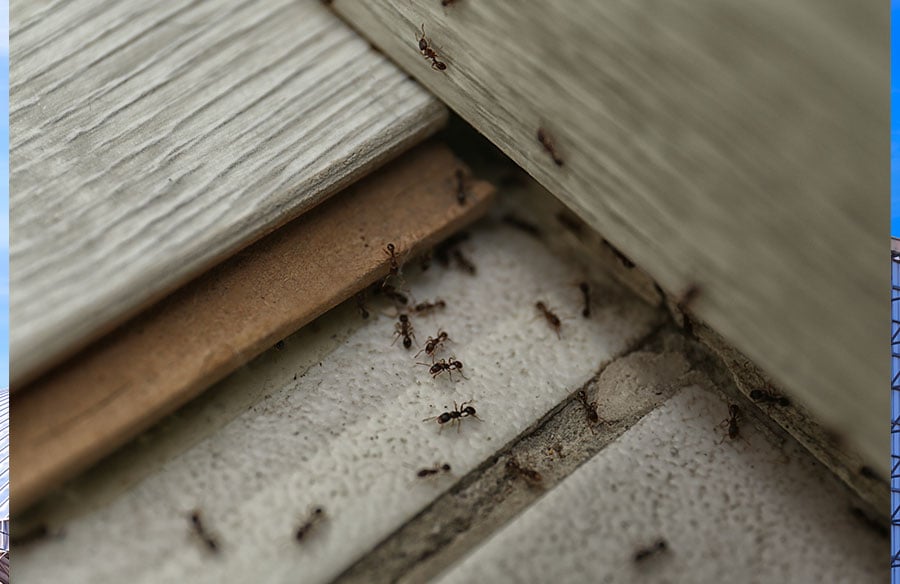
Ants, particularly carpenter ants, don’t consume wood the way termites do, but they excavate galleries within damp or previously softened wood to build nests, which can compound existing moisture damage. Certain ant species are also drawn to electrical equipment and have been known to nest inside outdoor units, junction boxes, and HVAC components, sometimes causing short circuits or equipment failure.
Ventilation systems and ductwork present their own risks. Pests that gain access to HVAC systems can leave debris, shed skin, or waste that then circulates through a building’s air supply, affecting indoor air quality. Storage areas and wall voids, meanwhile, tend to be low-traffic spaces where infestations can develop undetected for extended periods, allowing damage and contamination to accumulate before anyone notices a problem.
Recognizing the Warning Signs
Because so much pest activity occurs in areas that aren’t part of daily foot traffic, warning signs are often subtle at first. Property owners who understand what to look for are in a better position to catch problems early. Common indicators include:
- Wood that sounds hollow when tapped, or that crumbles or shows tunneling patterns when probed
- Insulation that appears shredded, compressed, or displaced in attics and crawl spaces
- Electrical issues without a clear cause, such as flickering lights, tripped breakers, or warm outlet covers
- Persistent musty or oily odors in enclosed spaces, which can indicate rodent activity or moisture-related pest issues
- Scratching, scurrying, or tapping sounds within walls, ceilings, or floor cavities, especially at night
- Accumulations of droppings, shed skins, wings, or frass (termite waste that resembles sawdust) near baseboards, vents, or storage areas
- Recurring insect activity in the same concealed location despite repeated cleaning
Any one of these signs on its own might have an innocuous explanation, but a combination of several particularly recurring contamination in the same area, usually points to an active infestation rather than an isolated incident.
For Oceanside property owners, documenting where, when, and how often these signs appear before contacting a licensed provider such as Thrasher Pest Control can help technicians target the inspection more efficiently rather than searching the property without clear starting points.
Why Concealed Infestations Require Specialized Inspection
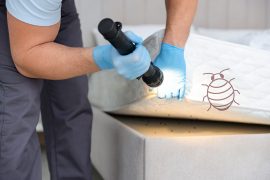
Pest activity inside walls, roof cavities, crawl spaces, and mechanical rooms is inherently harder to assess than surface-level infestations. Visual inspection alone often isn’t sufficient because the damage or nesting activity is physically hidden behind drywall, insulation, or structural framing. This is where pest control and other licensed pest management professionals rely on specialized tools such as moisture meters, borescopes, thermal imaging cameras, and acoustic detection equipment to identify activity without unnecessary demolition.
Thermal imaging, for example, can detect temperature differentials associated with termite colonies or rodent nesting activity within a wall cavity. Moisture meters help identify the damp wood conditions that attract both termites and carpenter ants, since elevated moisture often correlates with both structural vulnerability and pest activity. These methods allow for more accurate identification of the infestation’s scope, which in turn supports more targeted treatment rather than broad, unfocused pesticide application.
Professional inspection also matters because different pests require different treatment strategies. A termite issue calls for soil treatment or bait station systems, while a rodent problem requires exclusion work sealing entry points combined with trapping. Cockroach contamination often demands a combination of sanitation changes and targeted insecticide application in specific harborage areas. Attempting a one-size-fits-all approach to a concealed infestation frequently fails to address the underlying access points, allowing pests to return even after visible activity subsides.
Final Analysis
Pest infestations rarely announce themselves clearly. Termites work silently within wood framing, rodents chew through insulation and wiring in spaces most people never enter, and cockroaches or ants contaminate areas that are easy to overlook during routine cleaning. The warning signs of hollow wood, damaged insulation, unexplained electrical trouble, odd odors, or sounds within walls are worth taking seriously precisely because so much of the actual damage happens out of sight. Understanding these patterns doesn’t just help identify a current problem; it also gives property owners a clearer sense of what to inspect and monitor going forward, reducing the chances that concealed pest activity turns into a significant structural or safety concern.