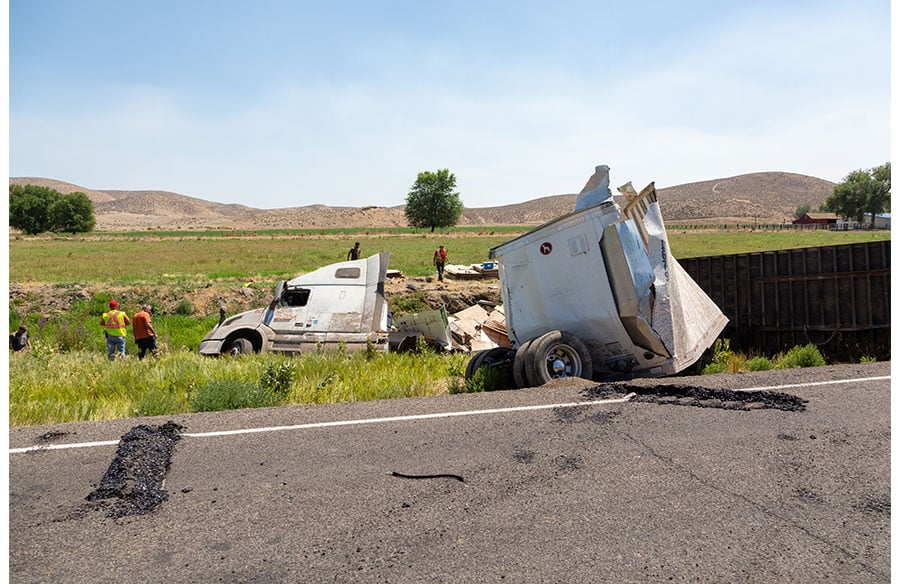
Serious truck collision claims require extensive evidence, but physical traces can fade quickly, and digital records are often overwritten within days. While a crushed cab, torn pavement, and scattered cargo can provide insight, liability usually hinges on records held by carriers, drivers, vendors, and insurers. Families dealing with catastrophic injuries need evidence that can explain the sequence of events that led to the crash, identify all responsible parties, and accurately assess all medical, financial, and practical losses.
Early Preservation
Tire marks wash away, damaged components are moved, and electronic files can be replaced during routine system use. For this reason, it is essential to seek legal guidance early. A Las Vegas truck accident attorney can send preservation letters to obtain important electronic evidence like black box data, driver logs, maintenance files, dispatch messages, and load records.
Documentation From the Scene
Photographs, drone images, and measured diagrams should capture the final rest positions of vehicles, gouge marks, debris spread, traffic signs, lane lines, weather conditions, and sight distance. Those details will help reconstruction specialists test braking, speed, steering input, and impact direction. Comprehensive records will also prevent other parties from disputing details regarding timing and lane placement.
Electronic Data
Most commercial trucks generate onboard information during regular operation. This information may show changes in speed, brake application, throttle usage, steering movements, engine status, and service hours near impact. Even a brief record can provide useful details regarding reaction time and vehicle control. Sending preservation requests is important because some systems have a limited data history and may overwrite older entries. Attorneys at Ace Law Group can send these requests in a timely manner.
Driver Logs
Delayed reactions, attention lapses, and microsleep episodes often follow extended periods of driving. Logs, electronic entries, fuel purchases, toll receipts, and phone location records must be compared to assess consistency. When those sources conflict, the mismatch may support a claim that the reporting record was inaccurate.
Inspection History
Maintenance files show whether the truck was in safe condition before entering traffic. Brake wear, tire damage, steering looseness, light failures, and trailer defects can all increase the risk of a crash. Service records may also reveal complaints about recurring issues or delayed repairs. If a known mechanical issue remained unresolved, responsibility may extend beyond the driver.
Cargo Records
Mistakes during loading can change how a tractor trailer behaves during braking or turning. Bills of lading, weight tickets, securement checklists, and loading diagrams may indicate issues such as excess weight or poor balance. A shifting load can cause the truck to sway, roll over, or jackknife. These records may also identify shippers, brokers, or warehouse contractors as additional defendants.
Camera Footage
Video from dash cameras, business systems, traffic surveillance, and residential security devices may capture lane drift, unsafe turns, hard braking, or missed signals. It is essential to make requests quickly to obtain this footage because many systems delete files after a short retention period. This evidence can support timing analysis and impact-angle evaluation.
Witness Accounts
Independent observers often notice important details. Other drivers, pedestrians, road workers, and first responders can provide accounts of swerving, signal use, speed, or conduct after impact. Early statements usually carry greater weight, as memories can change over time. Consistent accounts from separate people can strengthen causation findings and narrow the room for later dispute.
Medical Proof
Injury claims require emergency room records, imaging studies, operative reports, rehabilitation notes, and physician opinions that can connect the collision with lasting physical harm. Clear medical records also provide details about future treatment needs, permanent functional limitations, and pain that disrupts sleep, work, and ordinary household activity. Severe brain injury or spinal trauma usually requires a clear clinical timeline.
Employment Losses
A serious crash can interrupt income for months, sometimes years. Pay records, tax returns, attendance reports, and employer letters can be used to accurately quantify missed earnings. Self-employed claimants may need invoices, contracts, bank deposits, and prior revenue history to prove their losses. When injuries prevent the individual from returning to the same role, vocational analysts can estimate the impact on future earning capacity.
Company Communications
Internal communications can reveal safety pressures that are often absent in formal reports. Messages from dispatch, changes in schedule, delivery demands, and driver complaints may highlight expectations for maintaining certain speeds or routines that contribute to fatigue. Hiring records can expose issues such as poor screening, weak supervision, or ignored violations. Those materials broaden the focus from one driver to the operating practices behind the trip.
Expert Analysis
Serious truck cases often require input from specialists. Reconstruction experts study crush damage, distance, and timing to explain vehicle movement. Medical experts address prognosis, future care, and functional limits tied to the trauma. Finance professionals calculate lifetime earning losses and treatment expenses. Each opinion should be based on measurements, records, and established methods.
Conclusion
Evidence in a truck collision claim must accomplish three tasks. It must explain how the crash occurred, identify every liable party, and document all physical and financial damages. Strong cases are built from evidence from the scene, electronic records, medical documentation, employment data, and expert testimony. Obtaining this evidence and seeking legal guidance in a timely manner can increase the likelihood of a favorable outcome.