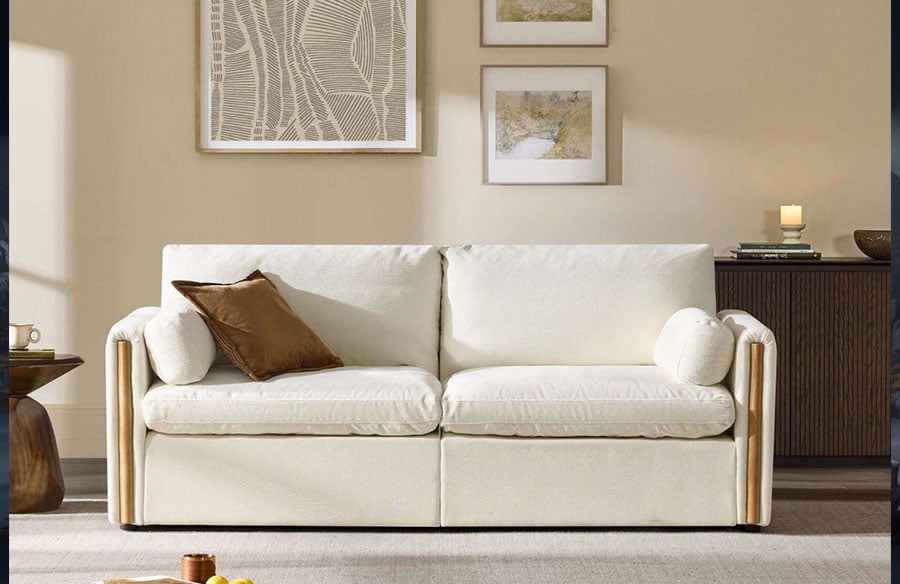
Walk into a room styled forty years ago, then walk into a freshly renovated apartment today, and you might notice something curious sitting in both spaces. The silhouette is low, the legs are tapered, the arms are gently sloped, and the whole piece looks like it was designed last week. Why does this shape keep resurfacing in interiors from Copenhagen studios to Los Angeles lofts? The answer lives at the intersection of craft, restraint, and quiet optimism, and it explains why one style of seating refuses to fade. As homes shrink, tastes shift, and design trends churn through the internet at record speed, the mid century sofa keeps holding its ground. This article looks at what actually makes the form endure, how it fits into modern living, and how to choose one that will still look right in a decade or two.
The Design Language Behind the Silhouette
The mid century look was born from a post-war hunger for lighter, friendlier interiors. Designers moved away from heavy carved wood and overstuffed upholstery, choosing instead to celebrate clean lines, natural materials, and human scale. That philosophy is why a well-made mid century modern couch still looks fresh in a contemporary living room. Its geometry avoids the visual weight that dates so many other seating styles, and its proportions leave breathing room around it, which is exactly what small city apartments and open-plan houses need.
The signature elements are easy to spot once you know what to look for. Tapered legs lift the frame off the floor, so the couch feels like it floats rather than sinks. Backs are usually lower than traditional English or Chesterfield styles, which keeps sight lines open across the room. Arms are often thin, sometimes wrapped in the same fabric as the seat, sometimes framed in warm wood. Cushioning is generous but never bulky, and stitching stays understated. The result is a form that reads as calm and confident without shouting for attention.
There is also a quiet mathematical logic in the way the pieces are put together. Seat depths, back heights, and armrest thicknesses were all worked out with a keen eye for how a human body actually rests. Nothing feels arbitrary. When you sit down, your knees clear the front cushion at a natural angle, your shoulders settle against a supportive rise, and the back of your neck finds a resting point without needing extra pillows. Designers of that era treated proportion as a craft rather than an afterthought, and once you have experienced the difference, other silhouettes start to feel slightly off in ways that are hard to articulate but easy to feel.
Why the Form Still Fits Modern Homes
Interiors today have to work harder than they used to. A living room is often a home office, a family lounge, and a guest suite rolled into one space. Furniture that dominates a room or dictates a single use no longer serves people well. Mid century seating solves this quietly, because its light footprint leaves flexibility on the floor plan. You can pull a chair up alongside it, tuck a slim console behind it, or rearrange the layout for a movie night without wrestling a heavy frame across the rug.
The style also plays well with almost every other design language. Place it next to Japandi wood tones and it looks meditative. Set it against bold contemporary art and it becomes a grounded anchor. Combine it with vintage rugs, ceramics, and lush greenery and the room reads as layered and lived-in. Very few silhouettes are this flexible, and that flexibility is what lets a single sofa carry a home through several redecorating cycles.
Something similar happens with light. Because the frame is elevated and the back is low, sunlight travels farther into the room in the morning and evening, and lamps placed nearby cast softer shadows around the piece rather than being blocked by a wall of upholstery. Renters and homeowners alike notice that a space feels larger the moment a bulky sectional is replaced by a mid century silhouette, even when the actual square footage of the seating stays roughly the same. Perception of space, in the end, is often about visual weight, and this style has always been friendly to smaller footprints without asking you to compromise on comfort.
Materials That Age With Grace
A timeless couch is only as good as the materials that build it. The classic mid century vocabulary leans on solid hardwood frames, resilient foam wrapped in feather or fiber, and upholstery fabrics that soften rather than break down with use. Chenille has become a favorite in this category because it holds its plush hand-feel through years of daily lounging while shrugging off the pilling and shine that plague cheaper blends. Boucle, performance weaves, and full-grain leather also age beautifully in this style, developing character rather than looking tired.
Wood detailing deserves attention too. Walnut is the traditional choice, prized for its warm undertone and grain that deepens with light exposure. Ash and oak show up in lighter, Scandinavian-leaning interpretations. Whichever species you choose, look for solid rather than veneered pieces at stress points, especially the legs and any exposed frame. A brand that pays attention to these details, like CHITA LIVING, tends to produce sofas that reward long ownership rather than pushing you toward replacement within a season or two.
What sits beneath the fabric matters just as much as what you can see. High-density foam layered with softer padding provides support that does not collapse into a permanent dip after a few years, and sinuous springs or webbed suspension systems keep the seat feeling responsive rather than hammocky. Joinery is the other quiet hero. Corner blocks, dowels, and reinforced glue joints hold the frame square under years of shifting weight, and these details are the reason a well-built piece can be reupholstered a generation from now instead of being hauled to the curb. Craftsmanship at this level is invisible when it works and impossible to ignore when it fails.
 Choosing the Right Piece for Your Space
Start with the room, not the sofa. Measure the wall or floating area where the seat will live, and note the traffic paths on either side. A common mistake is buying the largest piece a room can fit, which crowds circulation and makes an otherwise elegant silhouette feel bulky. Aim to leave comfortable walkways on both ends, and give the piece a little space to breathe.
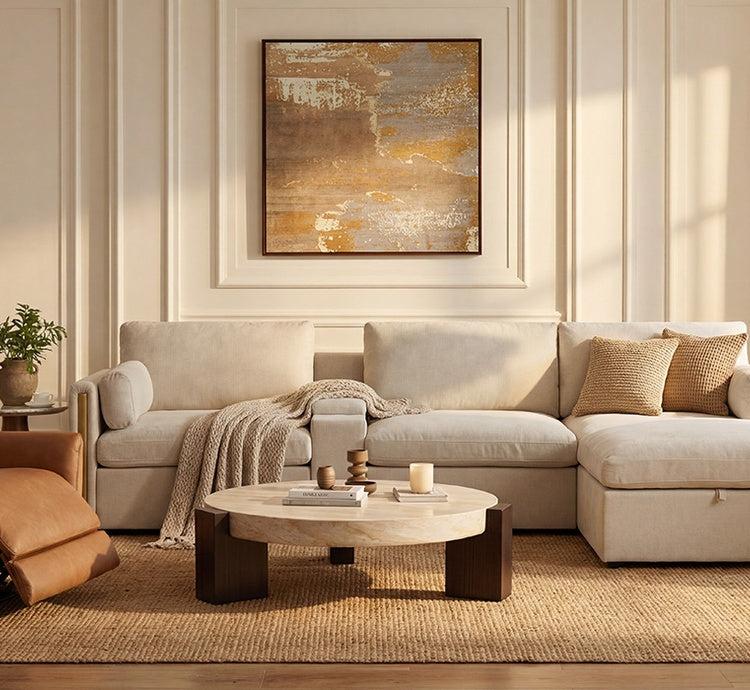
Next, think about how you actually sit. If you sprawl, read, or nap on your sofa, deeper seats with plush cushions will suit you better than shallow, formal profiles. If you host often and value posture, a slightly firmer, more upright design will keep guests comfortable through long conversations. Modular collections are worth considering here because they let you mix a chaise, an armless module, or an ottoman into a configuration that mirrors your habits, and they can be reshaped when your habits change.
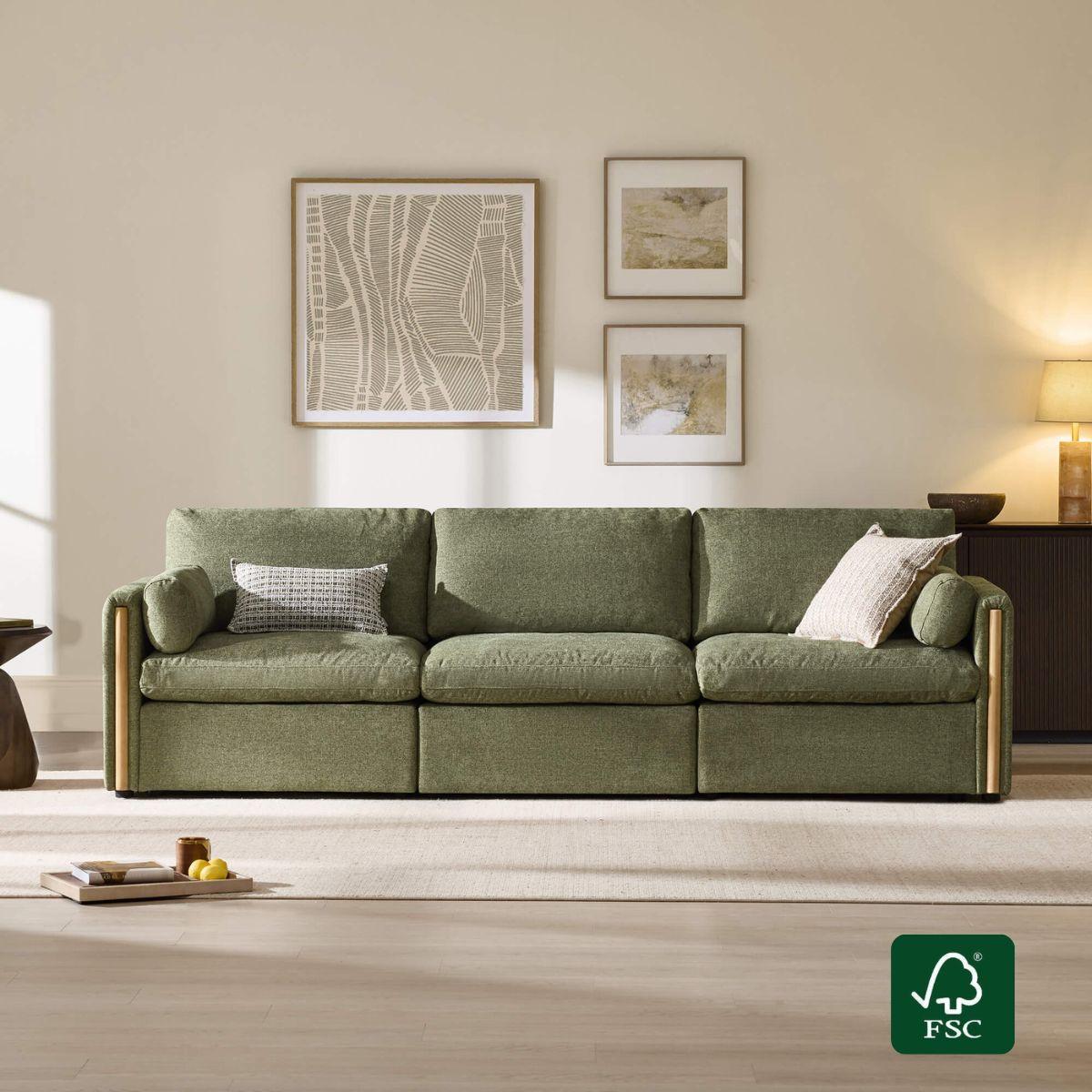
Finally, pay attention to color. Neutral tones extend the useful life of a sofa dramatically, because they slide into new palettes when you repaint or swap art. Warm greys, soft ivories, oatmeal, and muted olive tend to age well in mid century silhouettes. If you crave color, consider a rich but restrained hue like caramel, rust, or forest green, which have historical grounding in the style.
It also helps to walk through your day in your mind before you commit. Where will morning coffee sit? Which cushion will absorb a curled-up reader on a rainy afternoon? Which end will face the television, and which will face the window? Small mental rehearsals like these tell you more about the right shape than any glossy catalogue image can. Once you have a sense of daily rhythm, the choice between a two-seater, a three-seater, or a modular arrangement becomes obvious rather than agonizing.
Caring for a Sofa That Should Last
Longevity is part of what makes this style feel timeless, but longevity requires a little attention. Rotate loose cushions weekly to distribute wear, and fluff fibers so they hold their shape. Vacuum the upholstery with a soft brush attachment every couple of weeks to lift dust that would otherwise settle into the weave. Keep the sofa a few feet away from direct sunlight, which fades even the finest fabrics, and treat spills promptly with a clean cloth and mild solution rather than saturating the cushion.
The frame benefits from occasional inspection too. Tighten any exposed hardware if it loosens, and wipe wood legs with a soft, barely damp cloth to keep grime out of the grain. Small habits like these keep the piece looking like the day you brought it home, which is the quiet secret behind furniture that seems to defy time. Seasonal shifts in humidity can also affect wood and fabric alike, so a home that stays reasonably steady in temperature and moisture will reward you with a sofa that keeps its shape for years without drama.
 A Silhouette Built to Outlast Trends
The reason this style keeps returning is not nostalgia. It is that the original designers stumbled onto proportions and priorities that still match how people want to live. Rooms that feel spacious, materials that reward touch, forms that welcome company without dominating conversation, and craftsmanship that improves with age rather than degrading with it. A sofa built around those ideas will look at home next year, next decade, and probably longer than any of us plan to redecorate. If you choose thoughtfully, care for the piece with a light hand, and let the room evolve around its calm silhouette, you end up with more than furniture. You end up with a quiet, dependable center of the home that keeps making sense as everything else changes.