
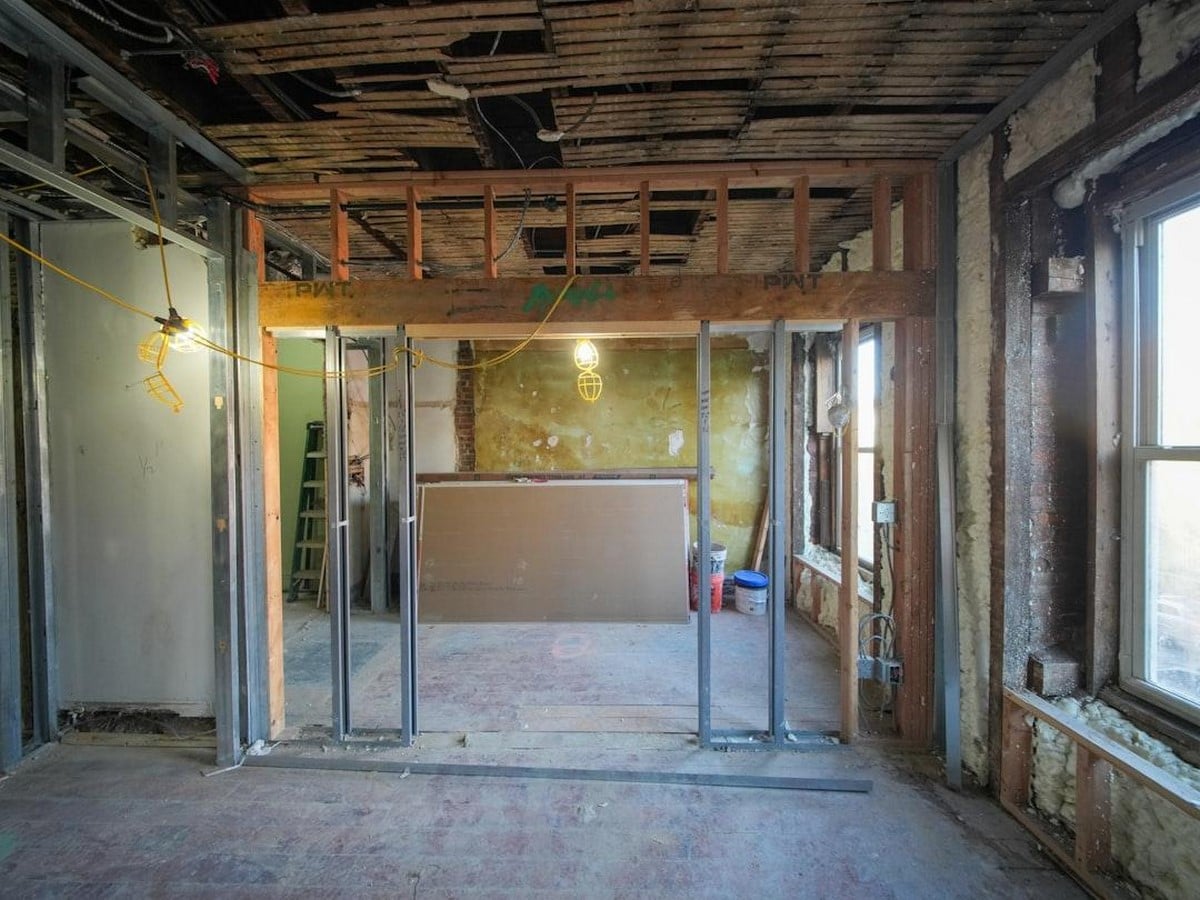
Every renovation starts with a mood board and good intentions. You picture restored floors, a brighter kitchen, and a home that finally matches its potential. Then the demolition reveals what the last owners quietly covered up.
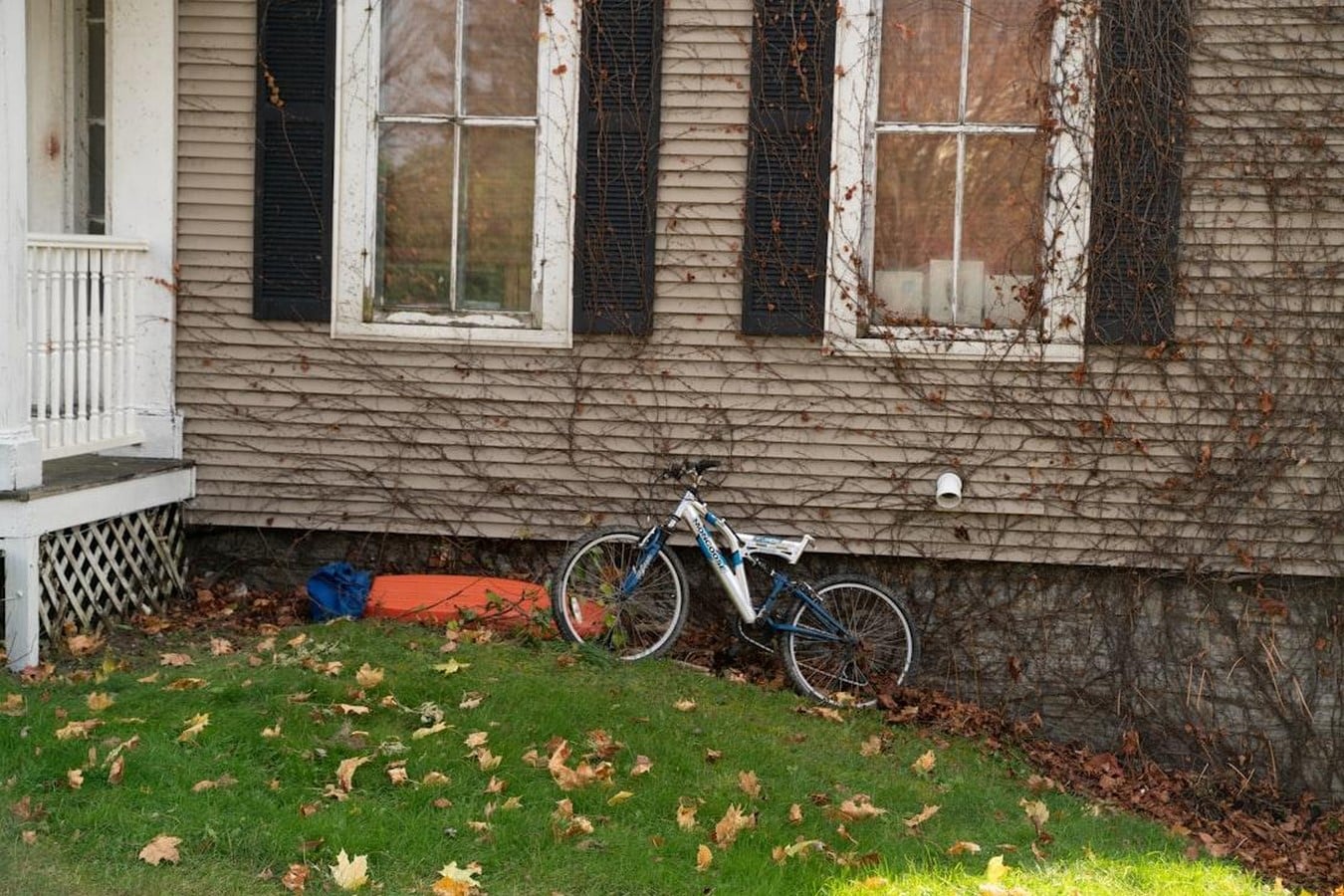 Design vision meets a hard budget once the walls come down. When repairs outrun the payoff, some owners weigh a direct sale to long island house buyers instead of a full gut job. This guide helps you match the right path to a dated or distressed property.
Why Do Dated Homes Cost More to Renovate Than Expected?
Older houses hide problems behind finished surfaces. A tired home can still carry sound bones, or it can conceal rot, old wiring, and failing pipes. You rarely know which until the work begins.
Cosmetic work covers what you see: paint, fixtures, and flooring. Structural work covers what holds the house up: framing, foundation, and roof. The second kind rarely fits a decor budget.
Costs climb fast once hidden issues appear. A kitchen refresh might run $8,000, while a full remodel can pass $50,000. Knob-and-tube wiring, asbestos, or a cracked foundation each add five figures.
Good planning still helps. A careful guide to renovating old homes can order the work before you commit. Even so, set aside 15 to 20 percent of the budget for surprises.
Which Design Upgrades Actually Recover Their Cost?
The upgrades that return the most are visible, affordable, and widely liked. Bold personal statements rarely pay back at resale.
Focus your money in this order:
- Repaint walls and trim in warm, neutral tones.
- Refinish existing hardwood instead of replacing it.
- Update kitchen hardware, faucets, and light fixtures.
- Replace worn carpet in high-traffic rooms.
- Refresh curb appeal with a clean entry and trimmed beds.
- Swap dated switch plates, outlets, and door handles.
Restraint matters with themed design. A few vintage inspired homes touches can charm buyers, but heavy period styling narrows your market. Keep the character and lose the clutter.
When Does a Full Renovation Stop Making Sense?
A full renovation stops making sense when its cost nears the value it adds. Past that line, you spend money you cannot recover at sale.
 Run a quick check. Add your repair estimate to the home’s current value, then compare that total to nearby sold prices. If it sits above the top comparable sale, the math has turned against you.
Condition can also outpace any budget. Fire damage, foundation movement, or a failed septic system can stall a project for months. Permits, inspections, and material delays stretch the timeline further.
An as-is sale means you sell the home in its current state with no repairs. The buyer accepts the condition and prices the offer to match. For a distressed property, that route can beat sinking $75,000 into a house worth far less once finished.
How Do Renovation Timelines Affect a Long Island Budget?
Time is a cost that many owners forget. Every month a renovation runs, you keep paying to hold the house.
Carrying costs are the ongoing bills you owe while you still own the property. On Long Island, they add up quickly.
| Carrying cost | Typical monthly range |
| Property taxes | $800 to $1,500 |
| Homeowners insurance | $100 to $250 |
| Utilities and heating | $150 to $400 |
| Loan or mortgage interest | Varies by balance |
A long project multiplies every line. A renovation that raises value can also raise your bill, since a property reassessment updates your assessed value toward current market value. A six-month timeline can quietly cost thousands before the first offer arrives.
What Should You Check Before Hiring a Renovation Contractor?
Vet any contractor before you sign or pay. Renovation disputes rank among the most common consumer complaints in New York.
Cover these basics first:
- Get at least 3 written estimates for the same scope of work.
- Confirm licensing, since Suffolk and Nassau counties require it.
- Check references and visit a recent local project in person.
- Insist on a written contract with a clear payment schedule.
- Avoid large deposits paid before any work begins.
Renovation contracts also fall under New York’s consumer protection rules, so keep every document. You have 3 days to cancel a home improvement contract after signing. Staged payments tied to finished work protect you if a job stalls.
Is Selling a Distressed House As-Is Ever the Smarter Design Choice?
Sometimes the best design decision is to let another team finish the work. A distressed house can be a poor canvas for an owner but a fair project for a cash buyer.
Investors and renovation firms price risk differently. They plan for the hidden repairs that scare most owners, and they close without staging or showings. A cash sale often closes in 7 to 14 days, not the 30 to 60 a listed sale can take.
The tradeoff is a lower headline price for speed and certainty. For an inherited, damaged, or deeply dated home, that trade can free your time and cash for the next project. Match the exit to the house, not to the plan you first drew up.
What Every Renovation Budget Should Weigh
- Older homes hide structural costs that dwarf a cosmetic budget.
- Visible, neutral upgrades recover more than bold personal design.
- Stop a renovation once its cost nears the value it adds.
- Count carrying costs and taxes for every month a project runs.
- Vet contractors with written bids and staged payments.
- For a distressed house, an as-is sale can beat a full gut job.
Choosing the Right Path for a Dated Home
The smartest renovation plan starts with honest numbers. Strong bones and a real budget reward careful design work. Deep damage, tight timelines, or a stretched budget point toward a clean as-is sale. Add up the true cost first, then pick the path that lets you move forward.
Frequently Asked Questions
How do I know if a house needs structural work or just cosmetic updates?
Look past the surface at the roof, foundation, and any sloping floors. Cosmetic issues involve paint, fixtures, and finishes, while structural issues involve framing and support. When in doubt, pay a licensed inspector before you plan a budget.
Which renovations add the most resale value?
Fresh paint, refinished floors, and updated kitchen and bath fixtures return the most. These changes are visible, affordable, and appeal to a wide pool of buyers. Big custom features rarely earn their cost back.
How fast can I sell a distressed house as-is?
A cash, as-is sale often closes in 7 to 14 days after you accept an offer. The buyer skips lender approval, appraisals, and repairs that slow a listed sale. Ready paperwork keeps the timeline short.
Do renovations raise my property taxes in New York?
They can. A major improvement can lift your home’s market value, and a reassessment then updates your assessed value. That higher assessment can raise the property taxes you owe.