When two catastrophic earthquakes—measuring magnitude 7.2 and 7.5—struck northern Venezuela in rapid succession on June 24, 2026, the tragic doublet seismic event transformed the coastal landscape of La Guaira in less than thirty seconds.
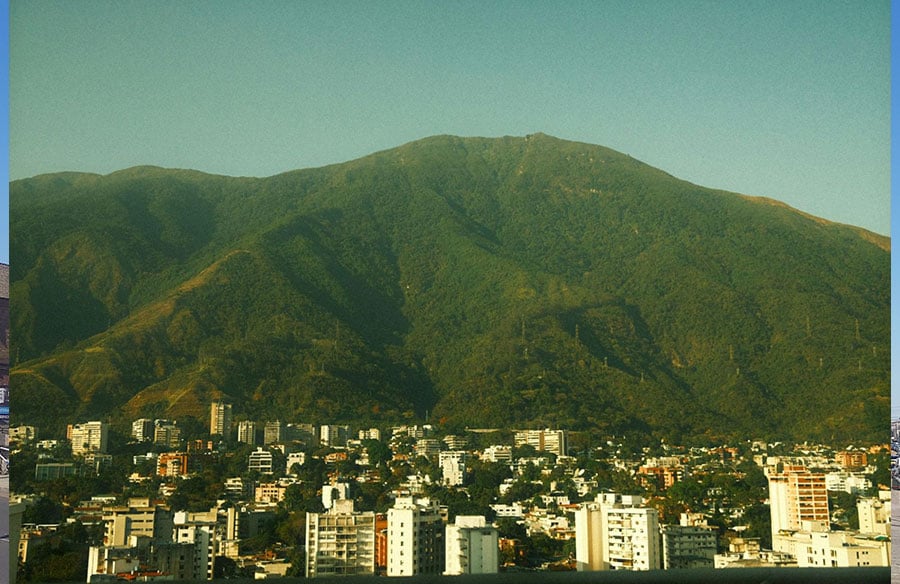
Nestled sharply between the majestic slopes of the Avila National Park and the expanse of the Caribbean Sea, the state became ground zero for structural collapse. For Venezuelan-born architect and interior designer Andrea Barreto, founder of Barreto Studio, watching the destruction unfold from afar was not merely an exercise in professional observation, it was deeply personal.
Now based in Florida, Barreto has spent over six years curating spaces that balance high-end aesthetics, functional rigor, and emotional resonance. As the founder of Barreto Studio, launched in 2022 to deliver bespoke luxury residential and commercial environments, and the mind behind The Creative Session (a workshop-based platform exploring sensory design and well-being), her career spans sophisticated Miami residences, the AVANTI luxury warehouse in Caracas, and exclusive eco-inns in Los Roques.
Yet, much of her foundational practice remains rooted in La Guaira, a Venezuelan city just 30 kilometers north of the capital Caracas, where she helped shape the design and architecture of some of the region’s most prominent landmarks.
Among Barreto’s major contributions to the state’s urban fabric was her role in constructing the region’s defining landmark.
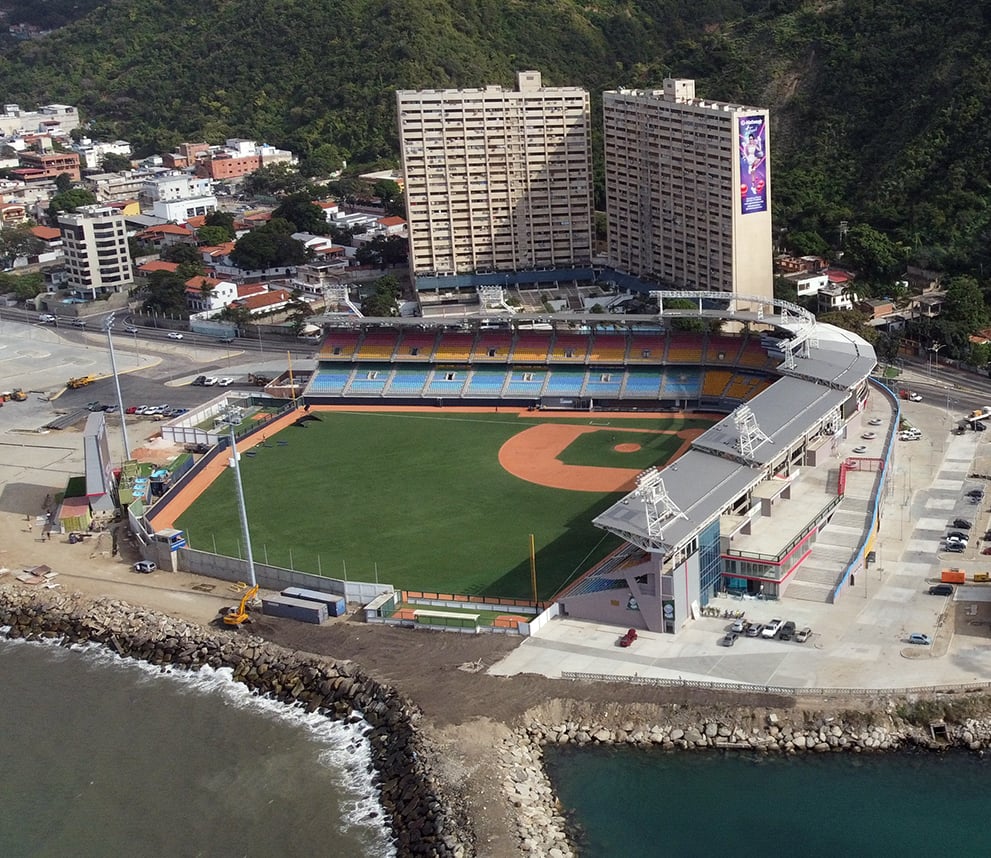
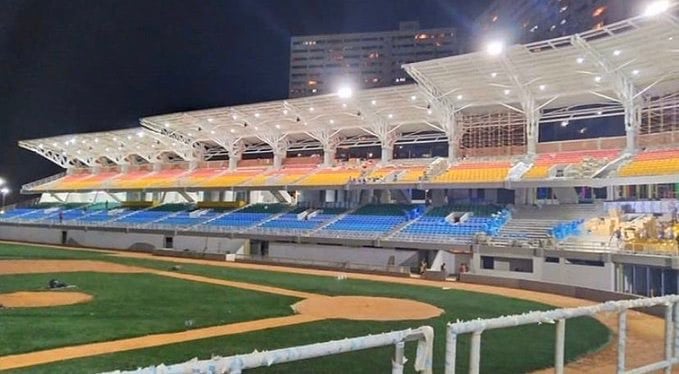
“The main project I worked on in La Guaira was the Fórum La Guaira Stadium, home of the Tiburones de La Guaira baseball team,” said Barreto. “It is the largest completed project in the state and, at the time, it was the largest construction project in Venezuela.”
Her portfolio in the region extends from hospitality; working alongside Construcciones Dávila on the Litoral Suites Hotel, to healthcare spaces designed for childbirth. It was in this latter typology that her core philosophy, that design must serve human dignity, found its most poignant expression of design work.
“One of the projects I am most proud of is a Humanized Birth Center in La Guaira that was unfortunately put on hold because of the recent earthquakes,” she said, explaining that the project transformed an existing house into a maternity center where low-income women from remote communities could stay during the final weeks of pregnancy, give birth naturally in a safe and supportive environment, and recover before returning home.
“It reflects my belief that architecture should not only create buildings, but also improve people’s quality of life,” she adds.
Despite the devastation, Barreto’s commitment to the project hasn’t wavered: “Now, more than ever, we are exploring ways to make this project a reality,” she said. “We know it will not happen immediately given the current situation, but we believe it remains not only an important project, but a necessary one for the people of La Guaira and the communities most affected by this tragedy.”
When news of the Venezuelan earthquakes first reached Barreto, she immediately tried to contact colleagues and friends. The emotional toll of the tragedy quickly became personal.
“My first thought was making sure the people I knew in La Guaira were safe,” Barreto says. “Sadly, one of the people I knew, who was my roommate at the time, lost her life along with her son, and that news was devastating. I also have friends who lost everything. It is difficult to put into words what this feels like—not only as a Venezuelan, but as someone who lived and worked in La Guaira.”
She looks back on her time working in La Guaira fondly. “I was fortunate to have such a meaningful professional experience there, and it is heartbreaking to see the city so devastated,” said Barreto. “Seeing people you respect and care about suffer both personal loss and the loss of everything they had is especially painful in a country where rebuilding a life is already so difficult.”
 Understanding why the destruction was so acute requires looking closely at La Guaira’s unique geological profile. Squeezed into a narrow strip of coastline, the region’s ground conditions vary dramatically within short distances.
“I think one of La Guaira’s biggest challenges is its geography,” explains Barreto. “It’s a city squeezed between the Caribbean Sea and the mountains, and much of it sits on alluvial deposits, which are layers of rock, sand, and sediment that have been carried down from the mountains over thousands of years. That means the ground can behave very differently depending on where you are.”
It wasn’t just the fact that Venezuela had two powerful earthquakes, it was also that they happened only 28 seconds apart, in an area where the soil conditions can already be very complex. “For me, that’s why architecture and urban planning are so important; we can’t stop natural disasters, but we can make smarter decisions about where and how we build,” she said. “Understanding the land is just as important as designing the building itself.”
Having navigated both Venezuelan construction sites and North American building codes, leveraging advanced spatial modeling in Revit, SketchUp, Twinmotion, and D5 Rendering, Barreto offers a nuanced perspective on disaster-resilient design.
“I think the biggest priority is not rebuilding quickly, but rebuilding wisely,” she said. “La Guaira has now experienced two very different natural disasters, the 1999 Vargas landslides and, more recently, two major earthquakes. That tells us we can’t keep approaching development the same way.”
The first step should be to carry out detailed geotechnical studies to understand which areas are safer to develop and what type of construction is appropriate for each one, notes Barreto. “Every part of La Guaira has different conditions, so one solution won’t work everywhere,” she said. “As an architect, I believe good planning has to come before construction. The quickest solution isn’t always the best one.”
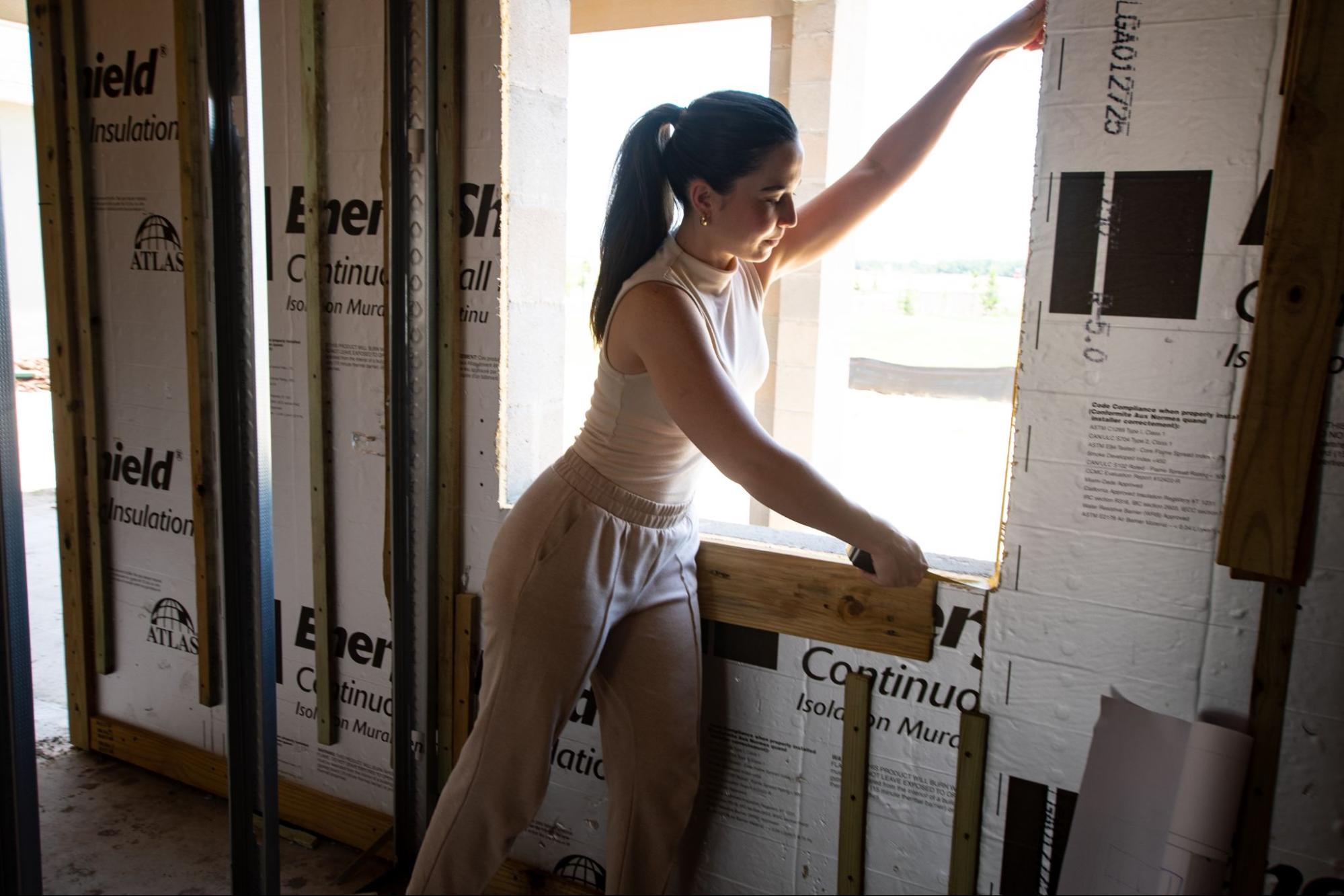 Barreto highlights that resilient architecture requires robust civic infrastructure: “In the United States there is a stronger culture of prevention; building codes are updated regularly, inspections are taken very seriously, and there is a greater emphasis on planning before construction begins,” she said. “In Venezuela, we have incredibly talented architects and engineers, but I think we need stronger institutional support. To me, resilient design isn’t just about architecture, it’s also about institutions.”
“Before a disaster, our responsibility is to understand the site, respect its conditions, and design communities that reduce risk rather than increase it,”s he adds. “After a disaster, our role is not simply to replace what was lost—it’s to learn from what happened and rebuild in a smarter way.”
While long-term reconstruction will require thoughtful urban planning, the immediate humanitarian need is urgent. Thousands of families are currently displaced, living in temporary tents while basic infrastructure is restored.
“Personally, one organization I trust is Sun.Risas,” Barreto notes. “They are actively raising funds and supporting those affected, so I encourage people to donate to organizations like theirs that are already working on the ground.”
Sun.Risas (Fundación Sun.Risas) is a Miami-based non-profit dedicated to providing emergency humanitarian disaster relief, healthcare, and education to vulnerable communities.
How to Help
Donate Directly: You can support immediate relief operations on the ground by making a contribution at Fundraise Sun.Risas.
Keep the Conversation Alive: As Barreto emphasizes, advocacy matters: “If you can’t donate, please don’t forget about La Guaira. Sharing verified information, reposting updates, and talking about what’s happening helps keep attention on a crisis that will continue long after the headlines fade… Keeping La Guaira in people’s minds is also a way of helping.”
Note: Andrea Barreto is currently developing a new initiative designed to give an enduring creative voice to La Guaira and its people—stay tuned for future details.
By Margaret Wright
Published June 24, 2026